



CNC Machining with Care. From 1 pc to Mass Production. Free DFM Analysis. Get a Quote
Select a language

CNC Acrylic

CNC acrylic machining is the precision processing of acrylic (PMMA) sheets and rods using computer-controlled cutting tools. Acrylic is a transparent thermoplastic with excellent optical clarity, good impact resistance, and UV stability. It offers light transmission up to 92%, comparable to glass, at half the weight. Common grades include cast acrylic (superior optical clarity, better machining characteristics) and extruded acrylic (consistent thickness, lower cost).

Acrylic presents unique machining challenges: low thermal conductivity, susceptibility to melting and cracking, and need for sharp tooling with positive rake. Proper chip evacuation and cooling are essential to prevent melting. Tolerances are held to ±0.02-0.05mm standard.
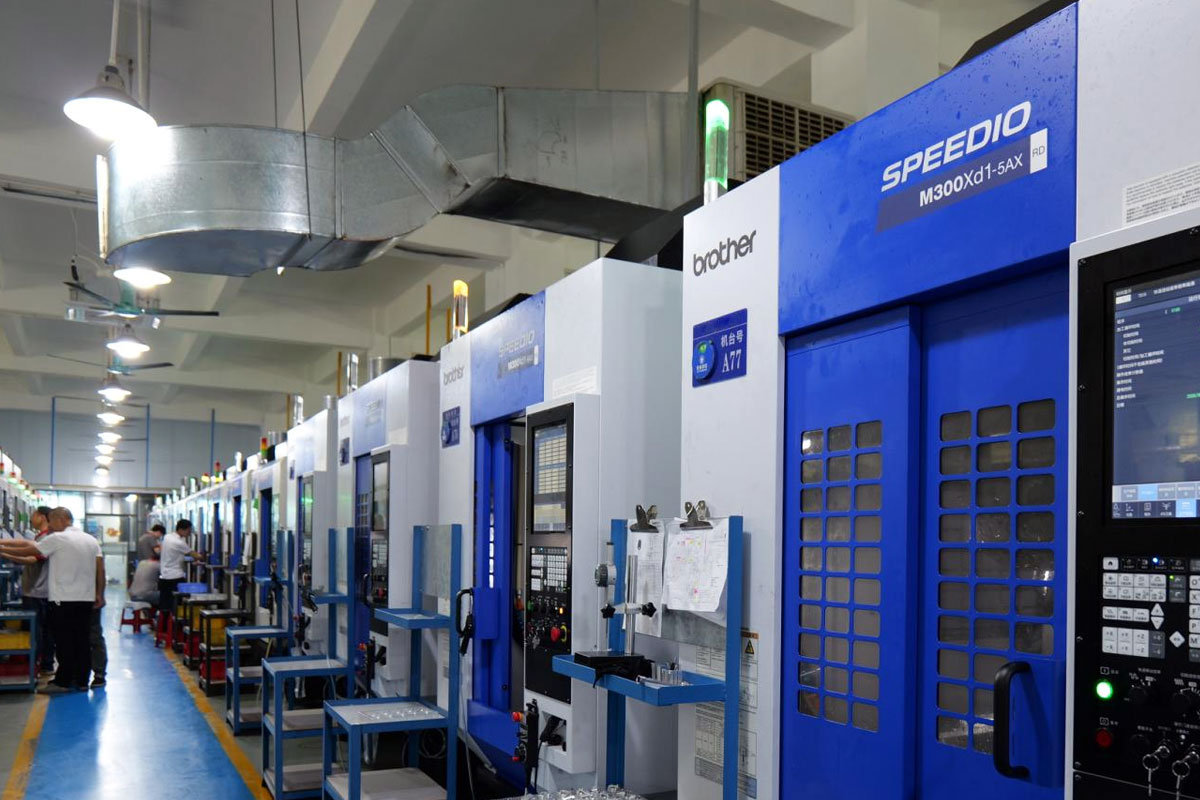
Our CNC Machining Services

From prototype to production — reliable quality, on-time delivery

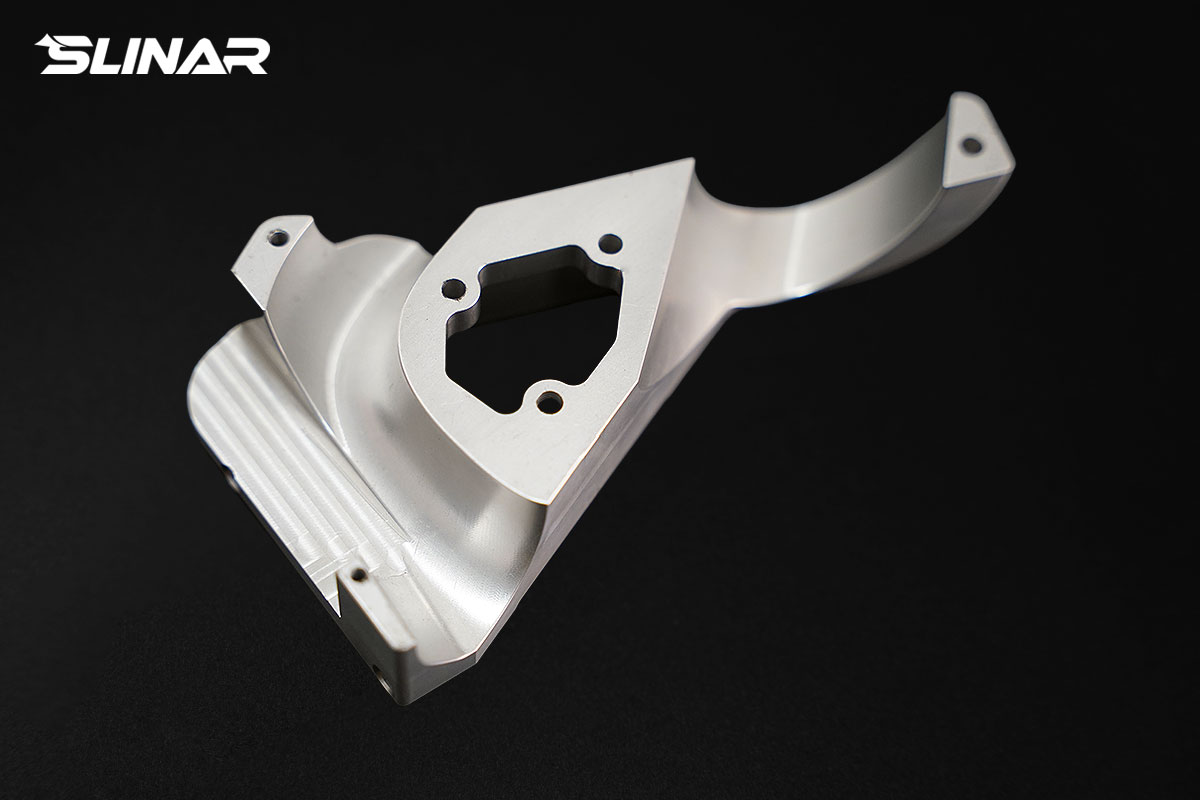
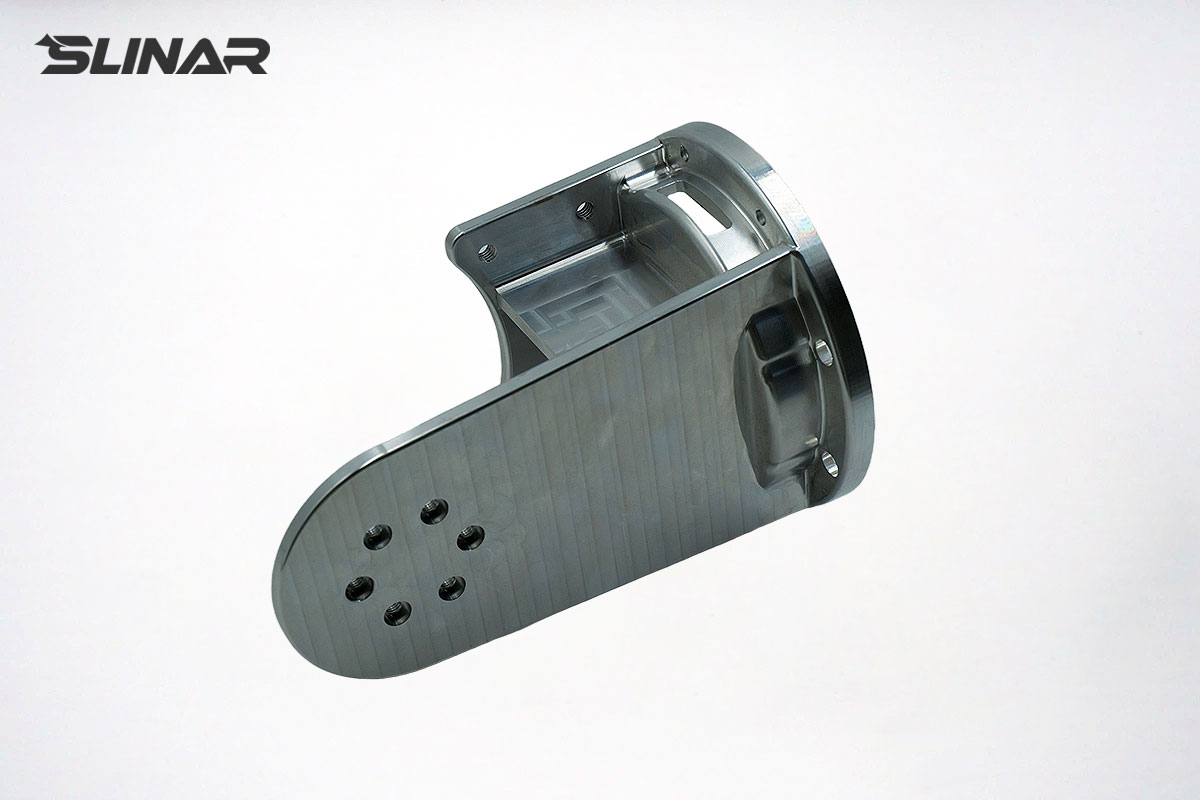
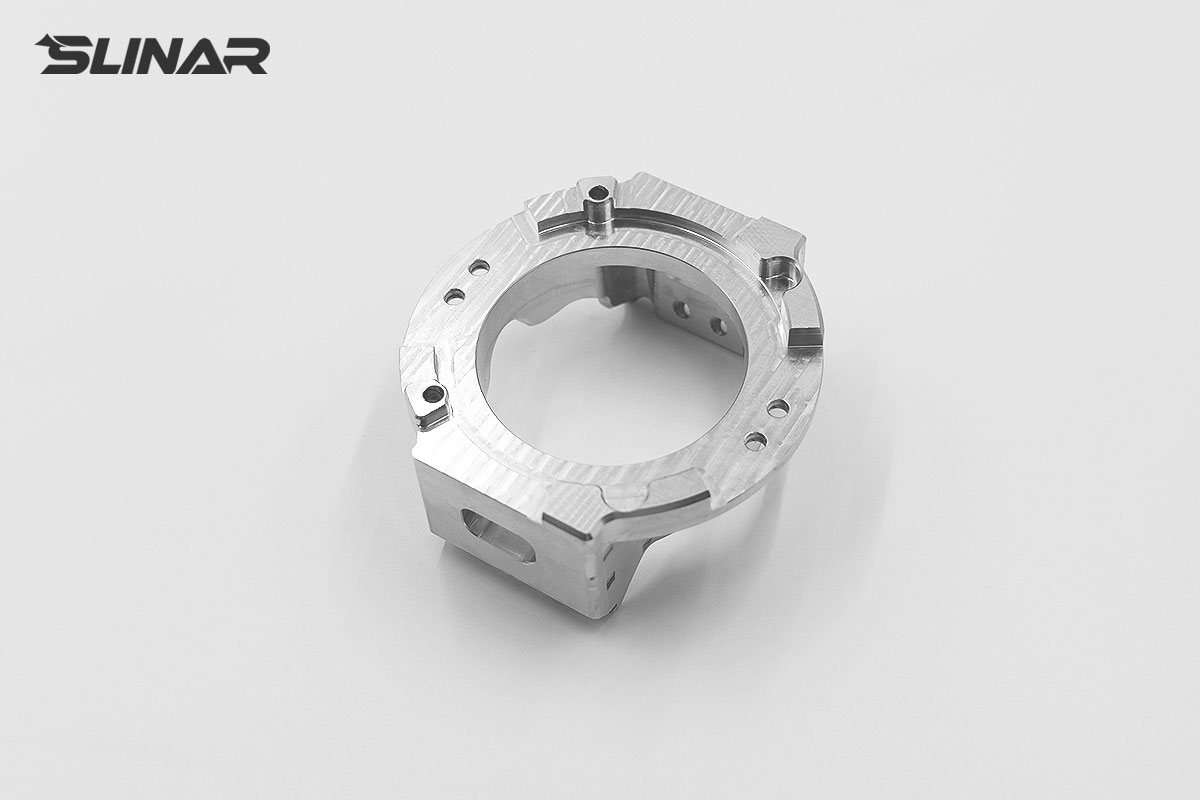
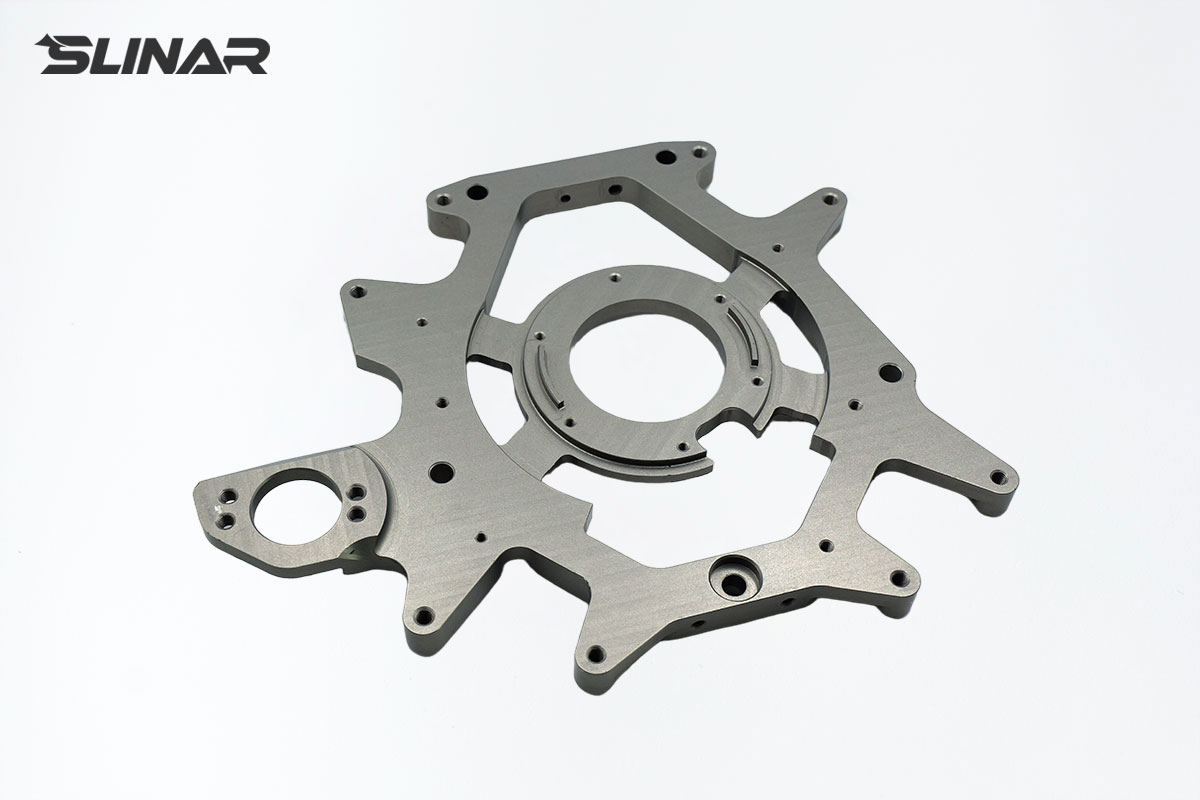
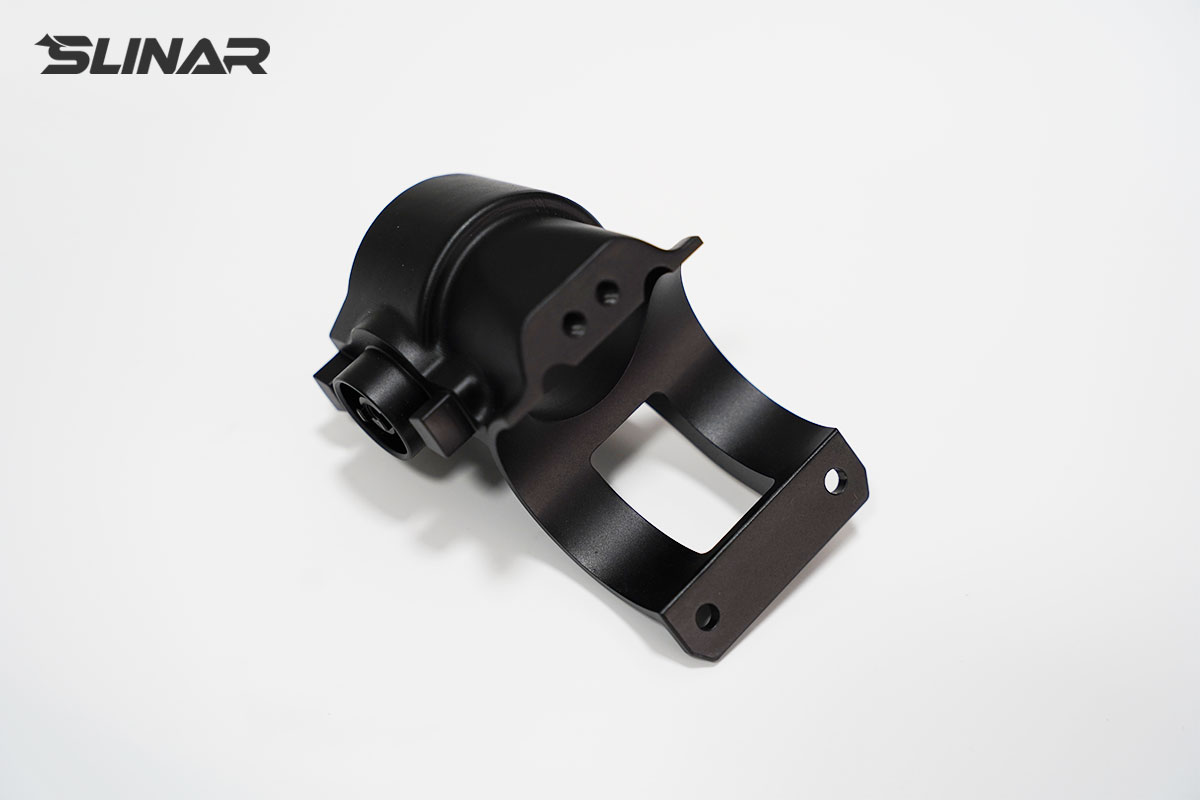
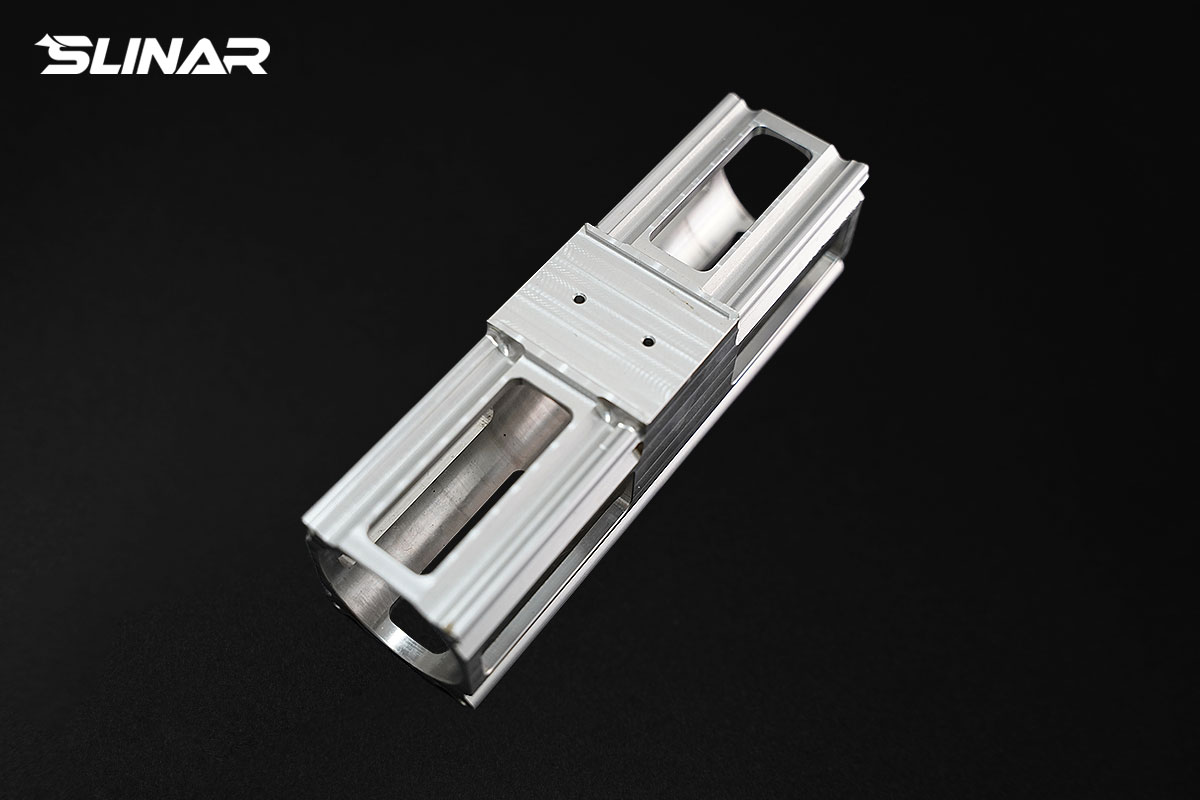
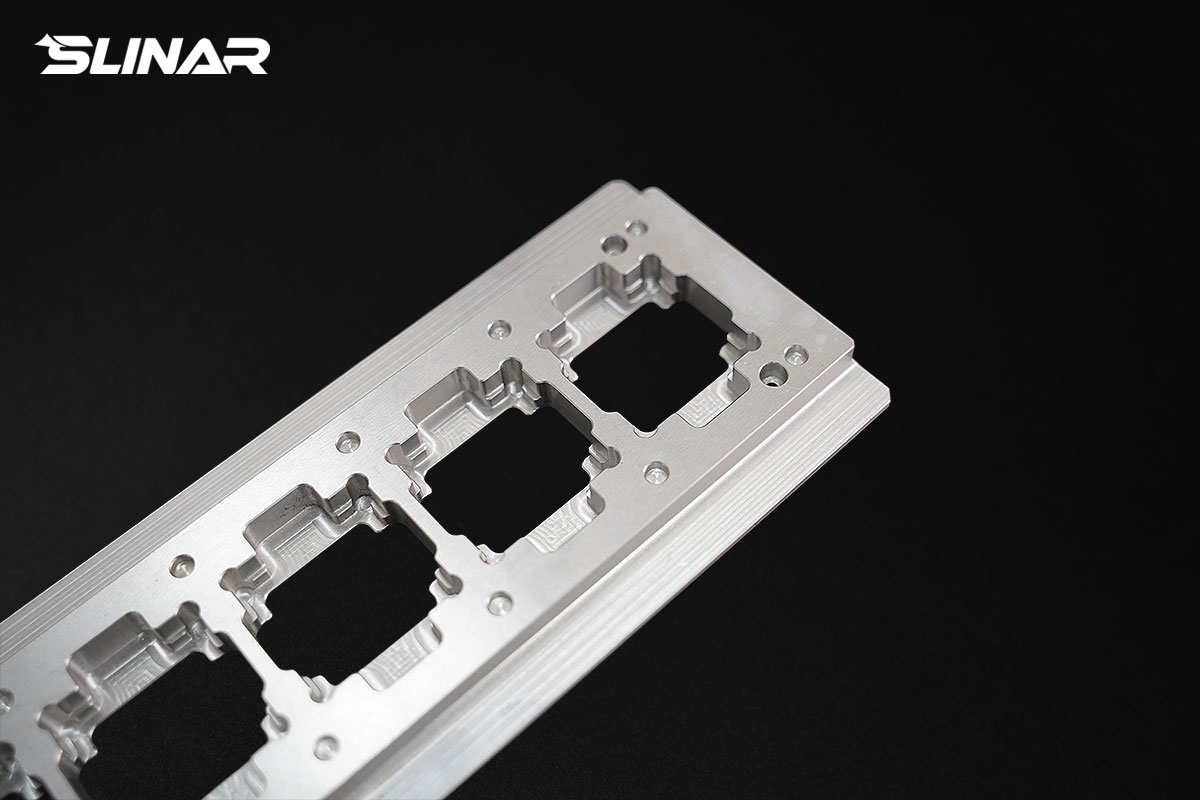
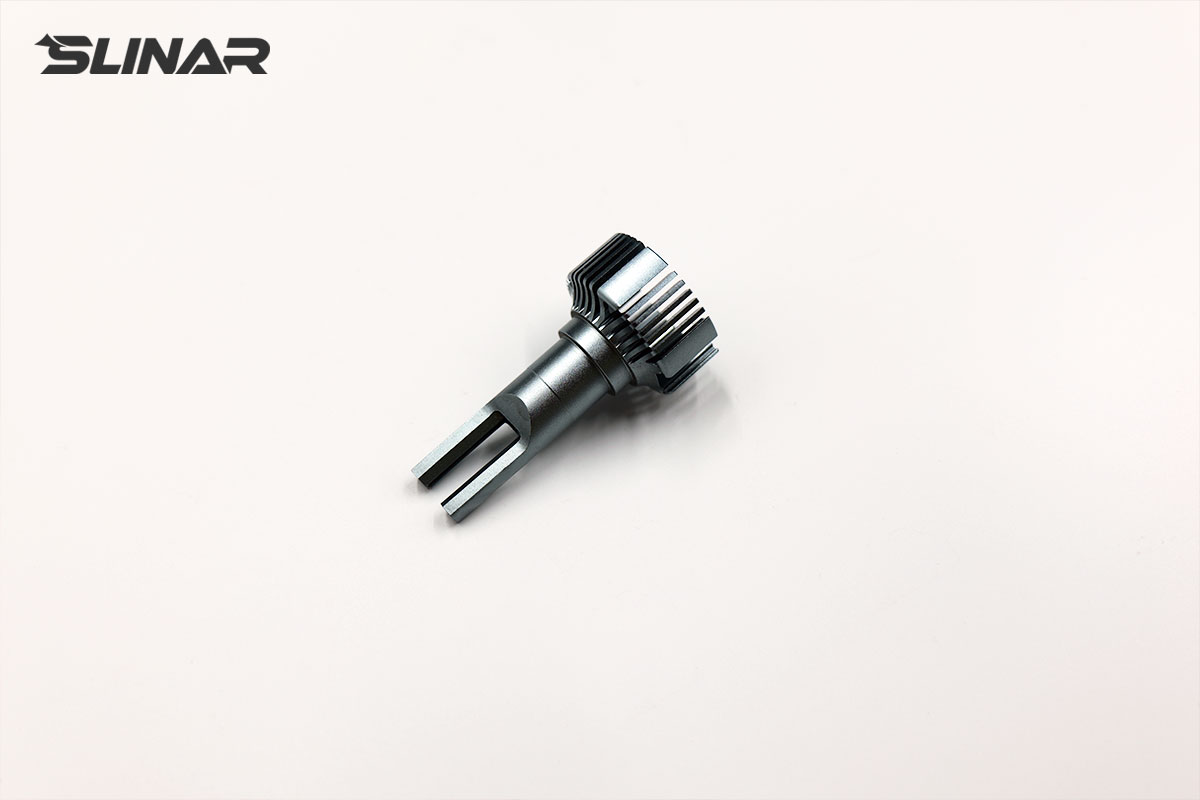
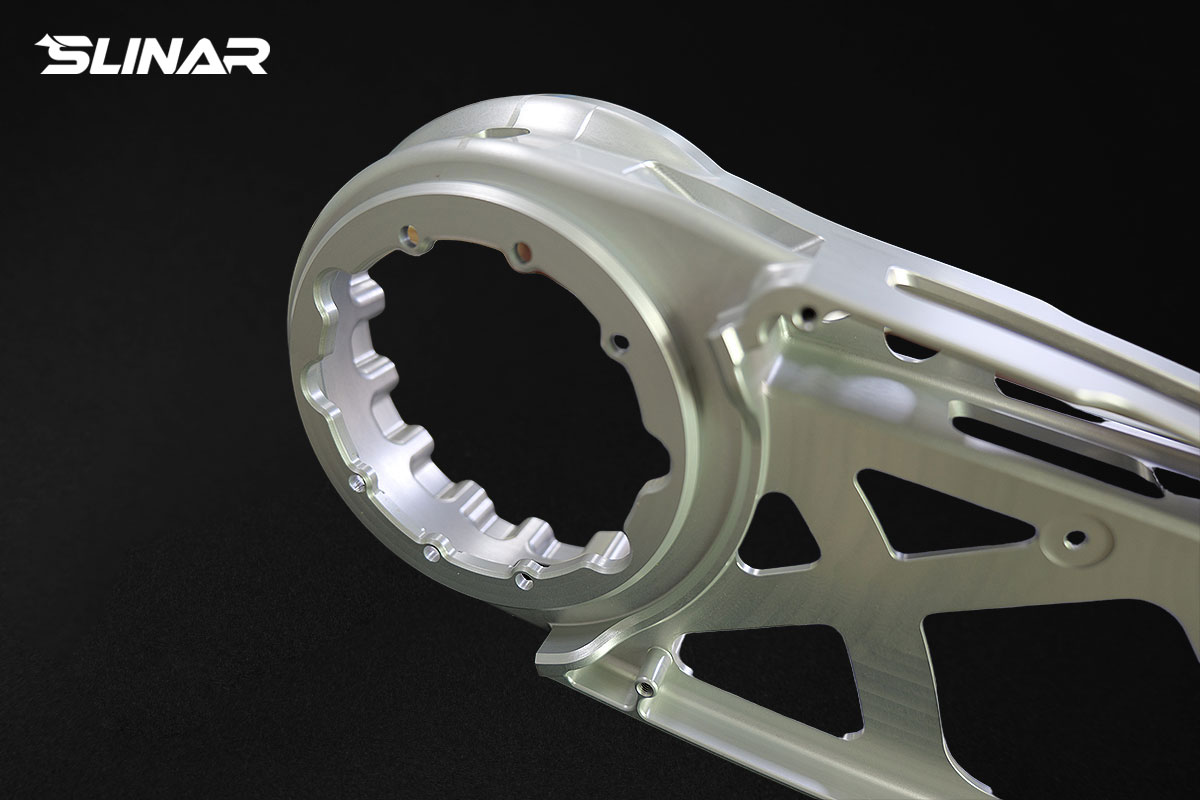
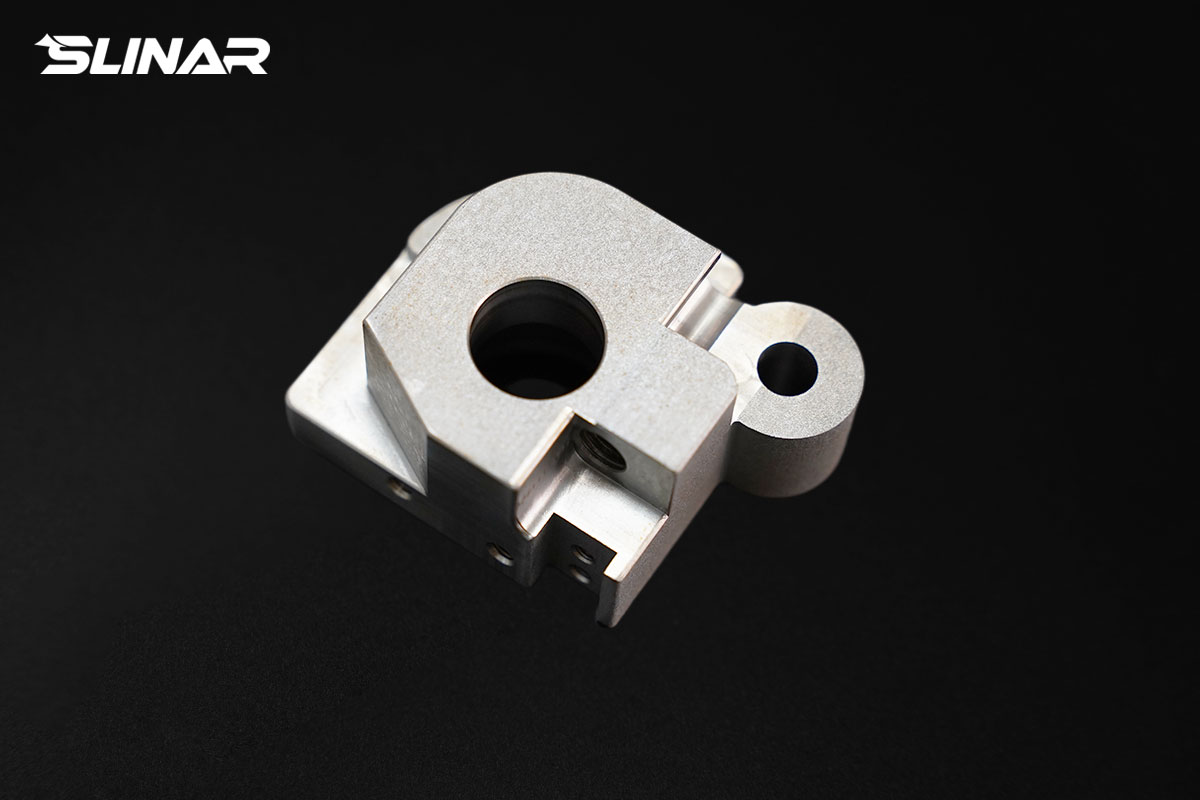
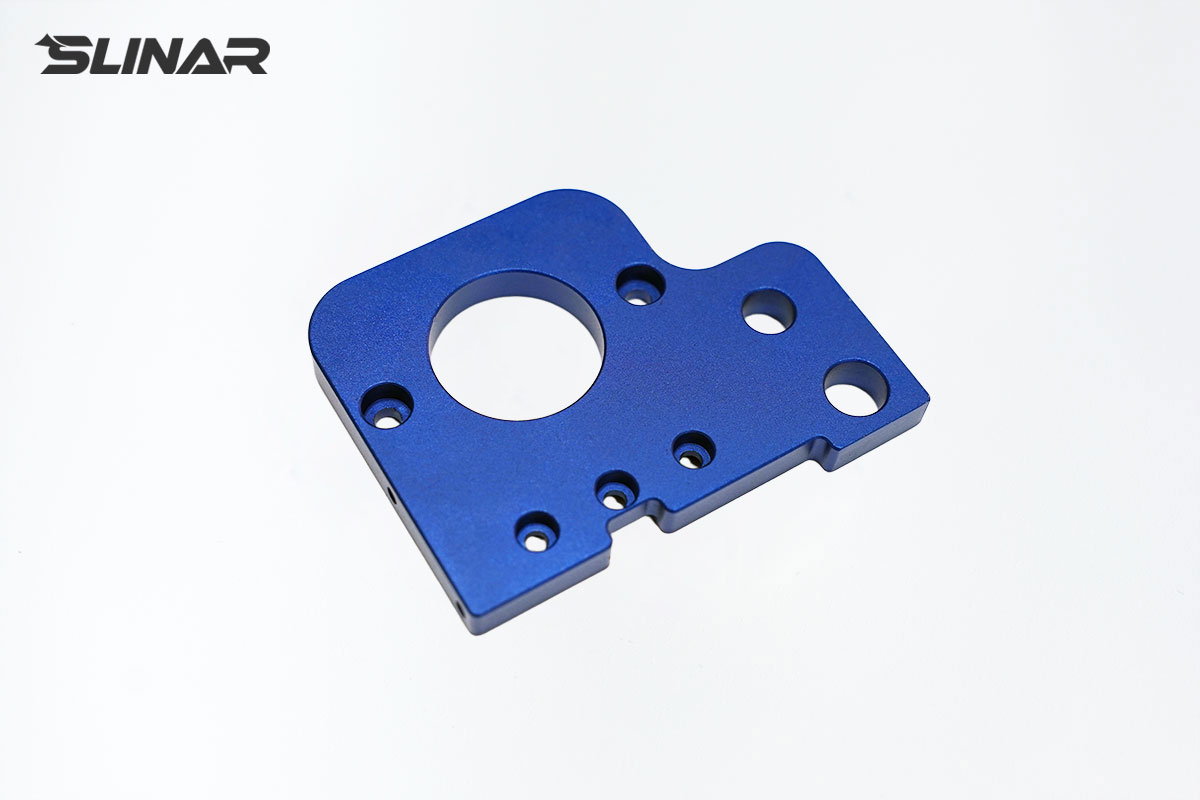
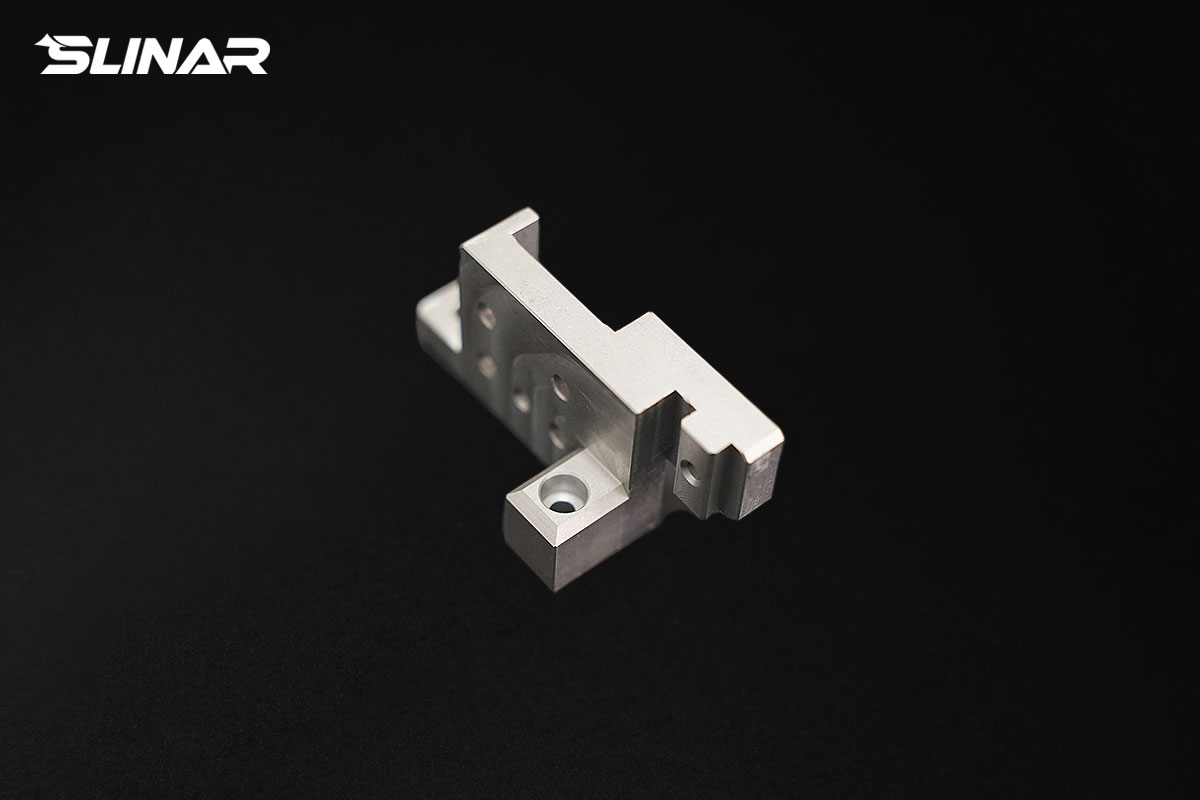
We provide precision CNC machining services for a wide range of materials including aluminum, steel, stainless steel, copper, brass, titanium, PEEK, PTFE, acetal, nylon, and other engineering plastics. Our manufacturing capabilities cover 3-axis, 4-axis, and 5-axis CNC milling, as well as CNC turning, suitable for both prototype development and high-volume production runs.

With ISO 9001:2015 certification and a commitment to quality, we serve customers across aerospace, automotive, medical, electronics, industrial equipment, and consumer goods industries. Our in-house capabilities include surface finishing, anodizing, powder coating, heat treatment, and inspection with CMM and optical measurement equipment.

We offer competitive pricing, flexible lead times, and full material traceability. From simple brackets to complex precision components, we deliver parts that meet your specifications with reliable quality and on-time delivery.

Materials

Aluminum 5083-H111

SLINAR - CNC Aluminum 5083-H111 | 3.3547 | 54300| AlMg4.5Mn0.7

Aluminum 5083-H111 | 3.3547 | 54300| AlMg4.5Mn0.7

Aluminum 5083 (CNC) is a strain hardening aluminum alloy with excellent corrosion resistance. Suitable for marine applications. Can be welded.

Understand Aluminum 5083-H111

Aluminum 6063

SLINAR - CNC Aluminum 6063 | EN AW-6063 | 62400| AlMg0,7Si

Aluminum 6063 | EN AW-6063 | 62400| AlMg0,7Si

Aluminum 6063 has good mechanical properties and can be heat treated. Suitable for aerospace applications. Can be welded.

Understand Aluminum 6063

Aluminum 5052

SLINAR - CNC Aluminum 5052 | EN AW-5052 | 3.3523 | AlMg2,5

Aluminum 5052 | EN AW-5052 | 3.3523 | AlMg2,5

Aluminum 5052 is a strain hardening aluminum alloy with excellent corrosion resistance. Suitable for marine applications. Can be welded.

Understand Aluminum 5052

Aluminum 2024-T351

SLINAR - CNC Aluminum 2024-T351 | 3.1355 | 24530 | AlCu4Mg1

Aluminum 2024-T351 | 3.1355 | 24530 | AlCu4Mg1

Aluminum 2024 is a high-strength alloy with excellent fatigue resistance. Suitable for aerospace applications.

Understand Aluminum 2024-T351

Aluminum 7050

SLINAR - CNC Aluminum 7050 | EN AW-7050 | 3.4144| AlZn6CuMgZr

Aluminum 7050 | EN AW-7050 | 3.4144| AlZn6CuMgZr

Aluminum 7050 has excellent mechanical properties with good ductility, high strength, toughness and good resistance to fatigue. Suitable for aerospace applications.

Understand Aluminum 7050

Aluminum MIC-6

SLINAR - CNC Aluminum MIC6

Aluminum MIC6

Aluminum MIC6 is a light weight material that can be easily machined at high speed and is free from tension, contaminants and porosity.

Understand Aluminum MIC-6

Aluminum 6082-T651

SLINAR - CNC Aluminum 6082-T651 | 3.2315 | 64430 | AlSi1MgMn

Aluminum 6082-T651 | 3.2315 | 64430 | AlSi1MgMn

Aluminum 6082-T651 (CNC) has very similar composition and properties to 6061, with slightly higher tensile strength. Compliant with British Standards.

Understand Aluminum 6082-T651

Aluminum 2017A

SLINAR - CNC Aluminum 2017A | 3.1325 | 24530 | AlCu4MgSi

Aluminum 2017A | 3.1325 | 24530 | AlCu4MgSi

Aluminum 2017 has a higher ductility and formability than Aluminum 2014 and has intermediate strength.

Understand Aluminum 2017A

Aluminum 7075-T651

SLINAR - CNC Aluminum 7075-T651 | 3.4365 | 76528 | AlZn5.5MgCu

Aluminum 7075-T651 | 3.4365 | 76528 | AlZn5.5MgCu

Aluminum 7075-T651(CNC) is an aerospace-grade material with excellent strength-to-weight ratio and strength and hardness comparable to steels. T651 is the temper of Aluminum 7075, and to achieve this temper, the alloy is solution heat-treated, stress relieved, and then artificially aged.

Understand Aluminum 7075-T651

Aluminum 2014

SLINAR - CNC Aluminum 2014 | 3.1255 | 24345 | AlCu4SiMg

Aluminum 2014 | 3.1255 | 24345 | AlCu4SiMg

Aluminum 2014 is easily machined and can be hardened to get strengths comparable to steel, but is prone to corrosion. Suitable for aerospace applications.

Understand Aluminum 2014

Aluminum 6061-T651

SLINAR - CNC Aluminum 6061-T651 | 3.3211 | 65028 | AlMg1SiCu

Aluminum 6061-T651 | 3.3211 | 65028 | AlMg1SiCu

Aluminum 6061-T651 is commonly used in aerospace, automotive and construction industry, as it is valued for its high strength, excellent machinability, and good weldability. The "T651" designation indicates that the material has been heat-treated to a specific level of hardness.

Understand Aluminum 6061-T651

Aluminum 7075-T7351

SLINAR - CNC Aluminum 7075-T7351 | 3.4365 | 76528 | AlZn5.5MgCu

Aluminum 7075-T7351 | 3.4365 | 76528 | AlZn5.5MgCu

Aluminum 7075-T7351 is commonly used in aerospace and defense applications, as well as automotive and transportation, as it is valued for its high strength, excellent machinability and good fatigue resistance. The "T7351" designation indicates that the material has been heat-treated to a specific level of hardness.

Understand Aluminum 7075-T7351

Aluminum 6061-T6

SLINAR - CNC Aluminum 6061-T6 | 3.3211| 65028| AlMg1SiCu

Aluminum 6061-T6 | 3.3211| 65028| AlMg1SiCu

Aluminum 6061 (CNC) is the most popular aluminum alloy. It has good strength-to-weight ratio, excellent machinability and natural corrosion resistance.

Understand Aluminum 6061-T6

Aluminum 6082

SLINAR - CNC Aluminum 6082 | 3.2315 | 64430| AlSi1MgMn

Aluminum 6082 | 3.2315 | 64430| AlSi1MgMn

Aluminum 6082 (CNC) has very similar composition and properties to 6061, with slightly higher tensile strength. Compliant with British Standards.

Understand Aluminum 6082

Aluminum 6060

SLINAR - CNC Aluminum 6060 | 3.3206 | AlMgSi

Aluminum 6060 | 3.3206 | AlMgSi

Alloy 6060 offers good strength, relatively good corrosion resistance and is suitable for decorative anodizing.

Understand Aluminum 6060

Aluminum 7075-T6

SLINAR - CNC Aluminum 7075-T6 | 3.4365 | 76528 | AlZn5,5MgCu

Aluminum 7075-T6 | 3.4365 | 76528 | AlZn5,5MgCu

Aluminum 7075-T6 (CNC) is an aerospace-grade material with excellent strength-to-weight ratio and strength and hardness comparable to steels.

Understand Aluminum 7075-T6
Applications

Display & Signage

  • Point-of-purchase displays

  • Retail display cases and shelves

  • Signage and lightboxes

  • Exhibition stands and fixtures

  • Trade show displays

Lighting

  • LED light guides and diffusers

  • Lens covers and optical components

  • Light fixtures and housings

  • Fiber optic components

  • Architectural lighting

Medical & Laboratory

  • Laboratory enclosures and safety shields

  • Medical device housings and windows

  • Sterilization trays

  • Specimen holders and covers

  • Diagnostic equipment components

Protective Enclosures

  • Machine guards and covers

  • Safety shields and barriers

  • Inspection windows

  • Instrument protection cases

  • Electronics enclosures

Consumer Products

  • Display cases and product boxes

  • Jewelry displays

  • Spectacle frames and lenses

  • Furniture components

Capabilities
We machine cast and extruded acrylic for clear, transparent parts. CNC milling and turning with sharp carbide or diamond tooling, positive rake angles, and air or mist coolant. Heat management and chip evacuation are critical. Polishing achieves high optical clarity. Tolerances held to ±0.02-0.05mm standard, ±0.01mm precision. ISO 9001:2015 certified.
Finishes

Flame Polishing

  • Achieves optical clarity on cut edges

  • Restores transparency

  • Requires skill and controlled process

Mechanical Polishing

  • Fine abrasive polishing

  • Ra 0.1μm achievable

  • Glass-like clarity

As-Machined

  • Standard finish, slight frosted appearance

  • Ra 1.6 – 3.2μm

  • Functional surfaces

Bead Blasting

  • Frosted or matte texture

  • Used for diffusers and backlit displays

  • Reduces glare

Edge Finishing

  • Edge polishing for full transparency

  • Milling and routing for shaped edges

  • Suitable for display applications

Technical Specs
PropertyCast AcrylicExtruded Acrylic
Light Transmission (%)9292
Refractive Index1.491.49
Tensile Strength (MPa)70-8060-70
Modulus of Elasticity (GPa)3.03.0
Hardness (Shore D)80-8578-82
Density (g/cm³)1.191.19
Max Service Temp (°C)8080
UV ResistanceExcellentExcellent
ParameterCapability
Max Part Size (Milling)2,000mm x 800mm x 600mm
Max Part Size (Turning)600mm diameter x 1,500mm length
Standard Tolerance±0.02 – 0.05mm
Precision Tolerance±0.01mm
Surface Finish (As-Machined)Ra 1.6 – 3.2μm
Surface Finish (Polished)Ra 0.1μm
FAQs
  • Which acrylic grade is best for CNC machining?

    Cast acrylic is preferred for machining due to better machinability, superior optical clarity, and less internal stress. Extruded acrylic has lower cost but may have machining issues with melting and stress.
  • What are the challenges of machining acrylic?

    Acrylic has low thermal conductivity and can melt or crack from cutting heat. Sharp tooling, positive rake geometry, proper coolant, and efficient chip evacuation are required. Cooling is essential to prevent melting.
  • Can acrylic be polished after machining?

    Yes, flame polishing restores optical clarity on cut edges. Mechanical polishing with fine abrasives achieves a glass-like finish. Both methods are available for visible edges.
  • What is the difference between cast and extruded acrylic?

    Cast acrylic has superior optical clarity, better machinability, and lower internal stress. Extruded acrylic has consistent thickness and lower cost but is more prone to melting and stress cracking during machining.
  • What industries use CNC acrylic machining?

    Display and signage, lighting, medical and laboratory, protective enclosures, consumer products, and architectural applications. Acrylic is used where transparency, light weight, and UV stability are required.
  • Can acrylic be bonded or welded?

    Yes, acrylic is bonded with solvent cements or welded with ultrasonic and heat methods. Solvent bonding is most common for joining acrylic components.
SLINAR CNC machining service
Ready to scale production?

Upload your CAD for a free quote. No minimum order.

Get Free Quote
Trustpilot