



CNC Machining with Care. From 1 pc to Mass Production. Free DFM Analysis. Get a Quote
Select a language

CNC Brass

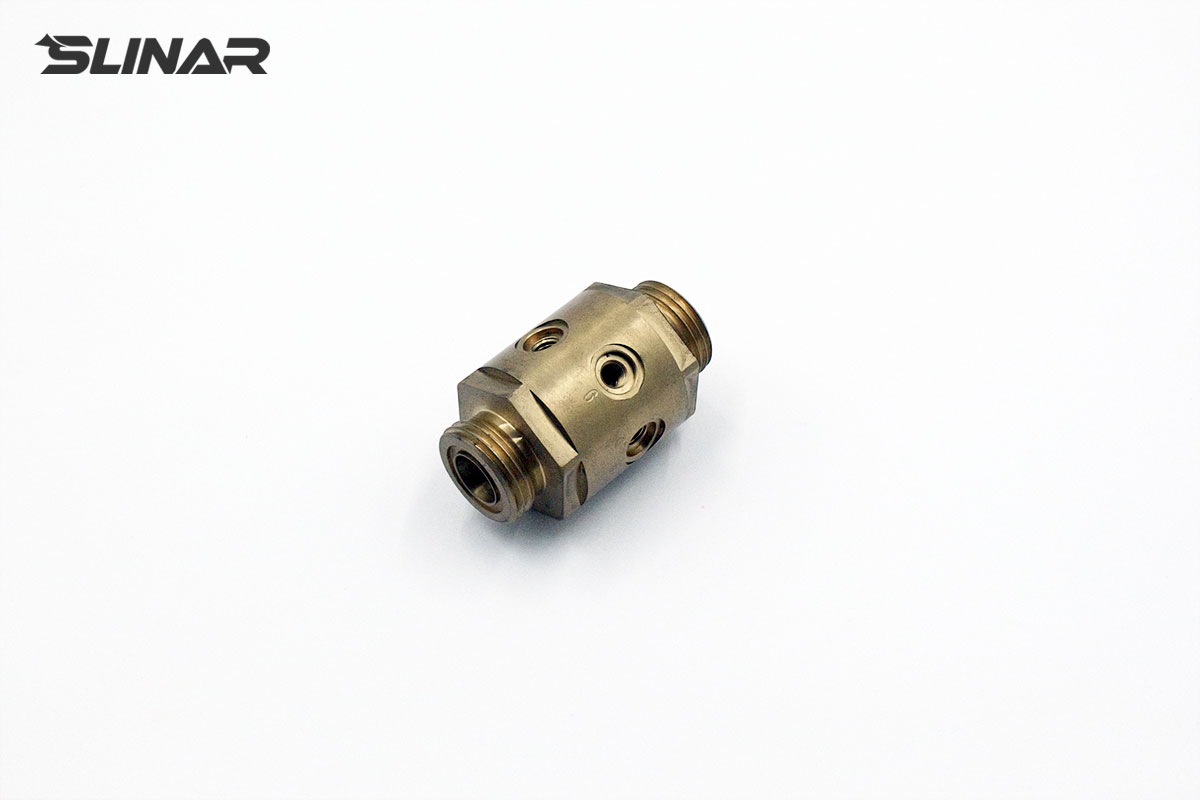
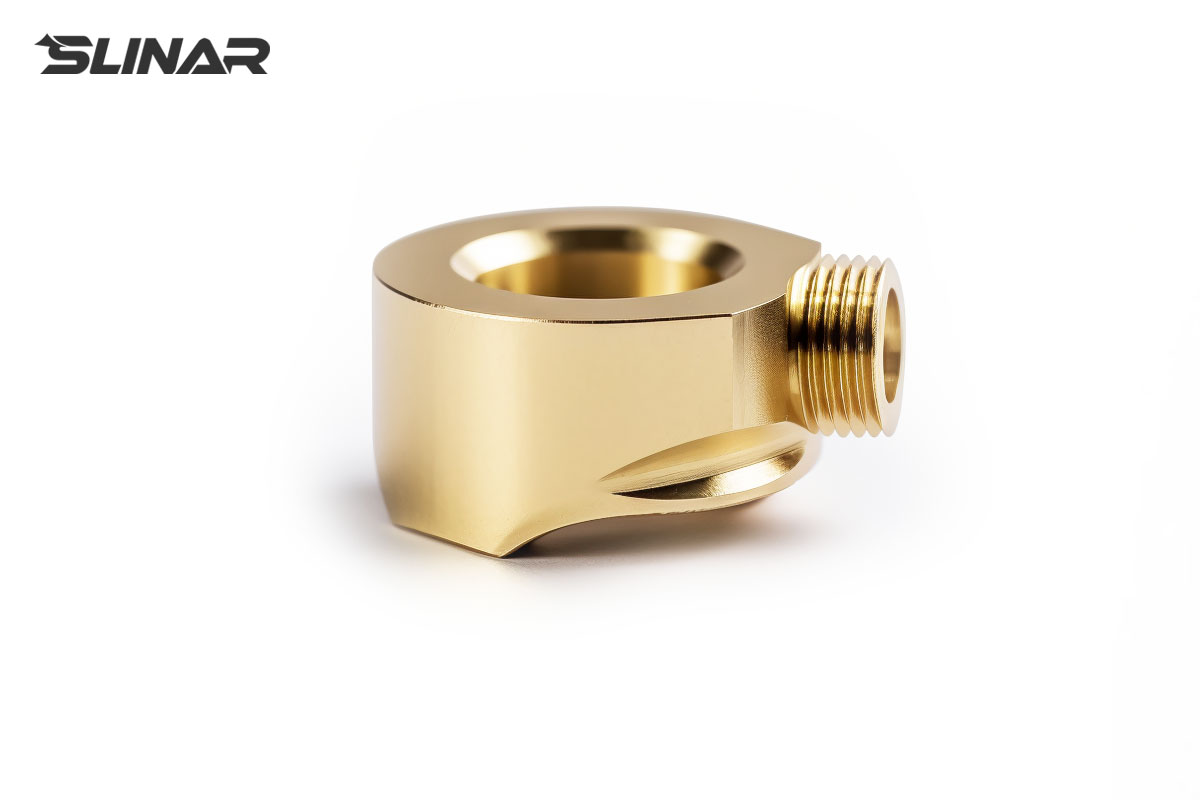
CNC brass machining is the precision processing of brass alloys using computer-controlled cutting tools. Brass is a copper-zinc alloy that offers excellent machinability, good corrosion resistance, electrical conductivity, and attractive appearance. The most commonly machined brass grade is C36000 (Free-Cutting Brass), which has a machinability rating of 100%—the benchmark against which all other metals are measured.

Brass's high machinability comes from its composition: lead addition creates chip-breaking characteristics that reduce tool wear and enable high cutting speeds. This makes brass one of the most cost-effective materials for complex parts produced in medium to high volumes. Brass provides a modulus of elasticity of 105 GPa, tensile strength of 340-450 MPa, and electrical conductivity of 28% IACS. Typical applications include fittings and connectors, valves, fasteners, electrical terminals and contacts, gear components, watch and instrument components, and decorative hardware. Tolerances are held to ±0.01-0.02mm standard.
Our CNC Machining Services

From prototype to production — reliable quality, on-time delivery

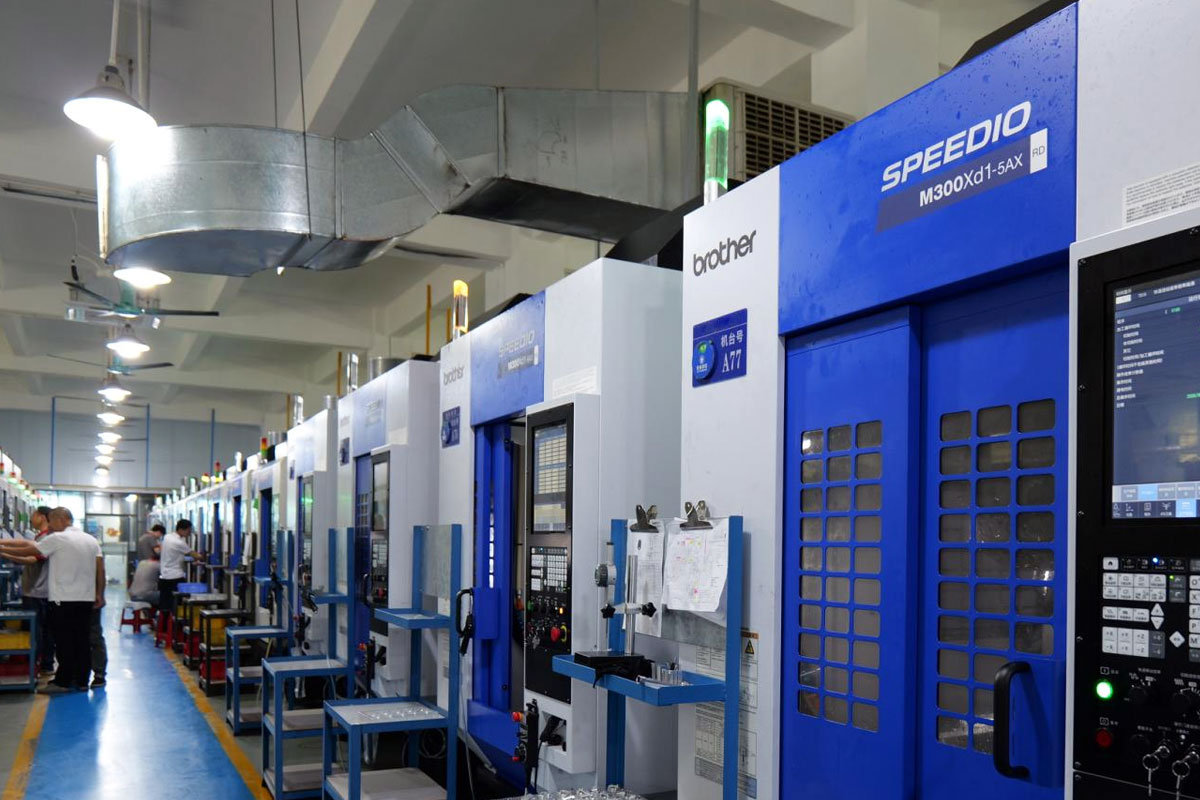
We provide precision CNC machining services for a wide range of materials including aluminum, steel, stainless steel, copper, brass, titanium, PEEK, PTFE, acetal, nylon, and other engineering plastics. Our manufacturing capabilities cover 3-axis, 4-axis, and 5-axis CNC milling, as well as CNC turning, suitable for both prototype development and high-volume production runs.

With ISO 9001:2015 certification and a commitment to quality, we serve customers across aerospace, automotive, medical, electronics, industrial equipment, and consumer goods industries. Our in-house capabilities include surface finishing, anodizing, powder coating, heat treatment, and inspection with CMM and optical measurement equipment.

We offer competitive pricing, flexible lead times, and full material traceability. From simple brackets to complex precision components, we deliver parts that meet your specifications with reliable quality and on-time delivery.

Materials

Brass C38500

SLINAR - CNC Brass C38500 | 2.0401 | CuZn39Pb3

Brass C38500 | 2.0401 | CuZn39Pb3

Brass C38500 (CNC) is a highly machinable alloy with good tensile strength and natural corrosion resistance. Ideal for parts that require low friction.

Understand Brass C38500

Brass C360

SLINAR - CNC Brass C360 | 2.0375 | CuZn36Pb3

Brass C360 | 2.0375 | CuZn36Pb3

Brass C360 (CNC) is highly machinable alloy with good tensile strength and natural corrosion resistance. Ideal for parts that require low friction.

Understand Brass C360
Applications

Plumbing & Fittings

  • Pipe fittings and adaptors

  • Valve bodies and trim

  • Faucet components

  • Hose connectors and couplings

  • Threaded inserts and nipples

Electrical

  • Terminals and contacts

  • Connector housings and pins

  • Bus bars and lugs

  • Switch and relay components

  • Grounding hardware

Industrial

  • Instrumentation fittings

  • Pneumatic connectors

  • Gear components and bushings

  • Pump components and wear rings

  • Bearing cages

Automotive

  • Fluid connectors and fittings

  • Thermostat housings

  • Sensor housings

  • Fasteners and threaded parts

Decorative & Hardware

  • Door hardware and handles

  • Hinge components

  • Decorative inlays and trim

  • Marine hardware

  • Architectural hardware

Capabilities
We machine all common brass grades including C36000 (Free-Cutting Brass), C37700, and C38000. Our CNC turning centers with live tooling are ideal for high-volume brass parts—fittings, connectors, and fasteners. Milling centers handle complex brass components including valve bodies and decorative parts. Tolerances held to ±0.01-0.02mm standard. High-speed machining with uncoated carbide tooling and appropriate coolants. ISO 9001:2015 certified.
Finishes

As-Machined

  • Standard finish for most brass parts

  • Bright surface with visible tool marks

  • Ra 0.8 – 1.6μm typical

Polishing

  • High-gloss decorative finish

  • Used for visible hardware

  • Ra 0.4μm achievable

Brushing

  • Directional grain pattern

  • Decorative architectural finish

  • Brushed nickel appearance

Bead Blasting

  • Uniform matte texture

  • Used for industrial parts

  • Neutral appearance

Plating

  • Nickel Plating: Corrosion protection, bright finish

  • Chrome Plating: Decorative, wear-resistant

  • Gold Plating: Electrical contacts, decorative

  • Tin Plating: Solderability, corrosion protection

Antiquing

  • Chemical darkening for decorative hardware

  • Patina finishes for architectural hardware

  • Aged brass appearance

Technical Specs
PropertyC36000 (Free-Cutting Brass)
Machinability Rating100% (Benchmark)
Tensile Strength (MPa)340-450
Yield Strength (MPa)150-200
Elongation at Break (%)15-25
Hardness (Brinell)80-90
Density (g/cm³)8.50
Modulus of Elasticity (GPa)105
Electrical Conductivity (% IACS)28
Melting Point (°C)900-950
Corrosion ResistanceExcellent
ParameterCapability
Max Part Size (Milling)2,000mm x 800mm x 600mm
Max Part Size (Turning)600mm diameter x 1,500mm length
Standard Tolerance±0.01 – 0.02mm
Precision Tolerance±0.005mm
Surface Finish (As-Machined)Ra 0.8 – 1.6μm
Surface Finish (Precision)Ra 0.4μm
Surface Finish (Polished)Ra 0.2μm
FAQs
  • Which brass grade is most machinable?

    C36000 (Free-Cutting Brass) has a machinability rating of 100%, the benchmark for all other metals. Its lead content improves chip breakage and reduces tool wear, enabling high cutting speeds.
  • What is the typical tolerance for brass CNC machining?

    Standard work holds ±0.01-0.02mm. Precision work reaches ±0.005mm. Brass's excellent machinability allows for tighter tolerances than many other materials.
  • Is brass corrosion-resistant?

    Yes, brass has good corrosion resistance, particularly in freshwater and atmospheric conditions. For marine or more demanding environments, alternatives like bronze may be considered.
  • Can brass be welded?

    Brass can be brazed and soldered but welding is challenging due to zinc vaporization. For structural joining, mechanical connections or brazing are recommended.
  • What is the difference between brass and bronze?

    Brass is primarily copper-zinc alloy; bronze is primarily copper-tin alloy. Bronze is generally harder and more wear-resistant, while brass is more machinable and cost-effective for most applications.
  • What industries use CNC brass machining?

    Plumbing, electrical, industrial instrumentation, automotive, marine, and decorative hardware. Brass is used where cost-effectiveness, machinability, and corrosion resistance are required.
SLINAR CNC machining service
Ready to scale production?

Upload your CAD for a free quote. No minimum order.

Get Free Quote
Trustpilot