



CNC Machining with Care. From 1 pc to Mass Production. Free DFM Analysis. Get a Quote
Select a language
loading
CNC machining materials

Alloy steel CNC Machining

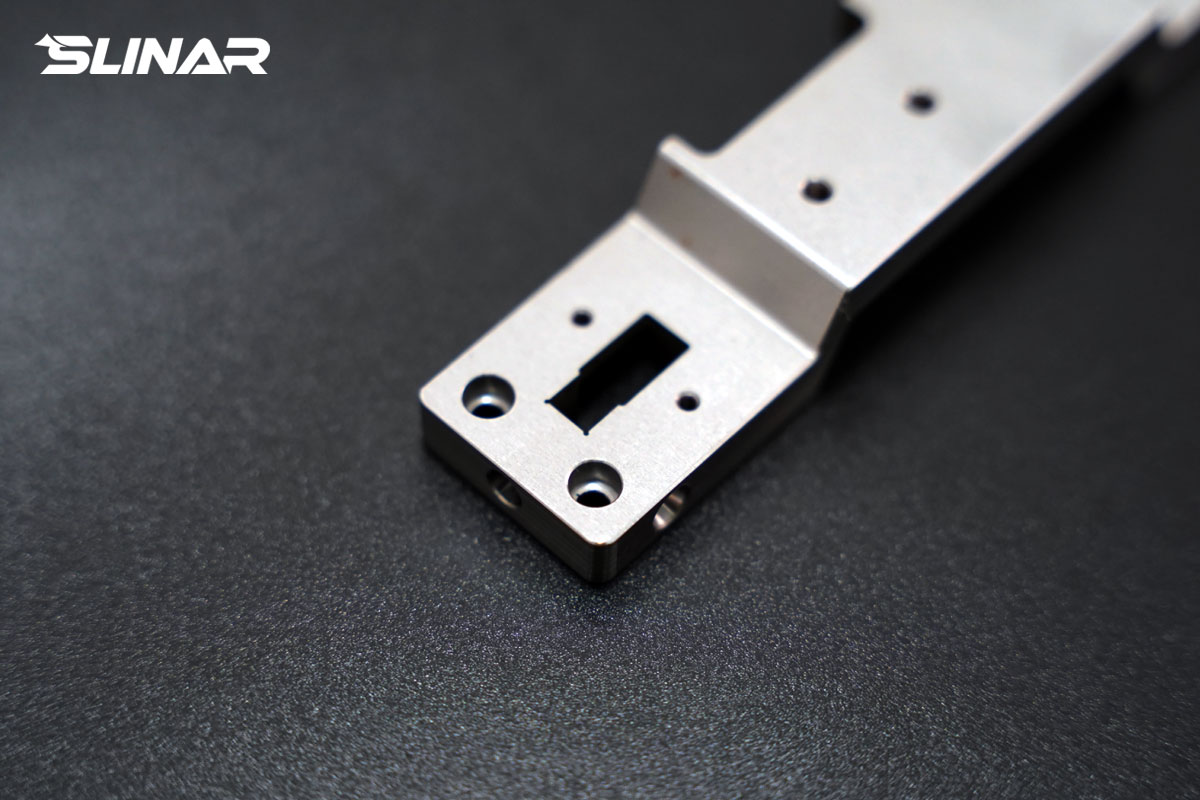
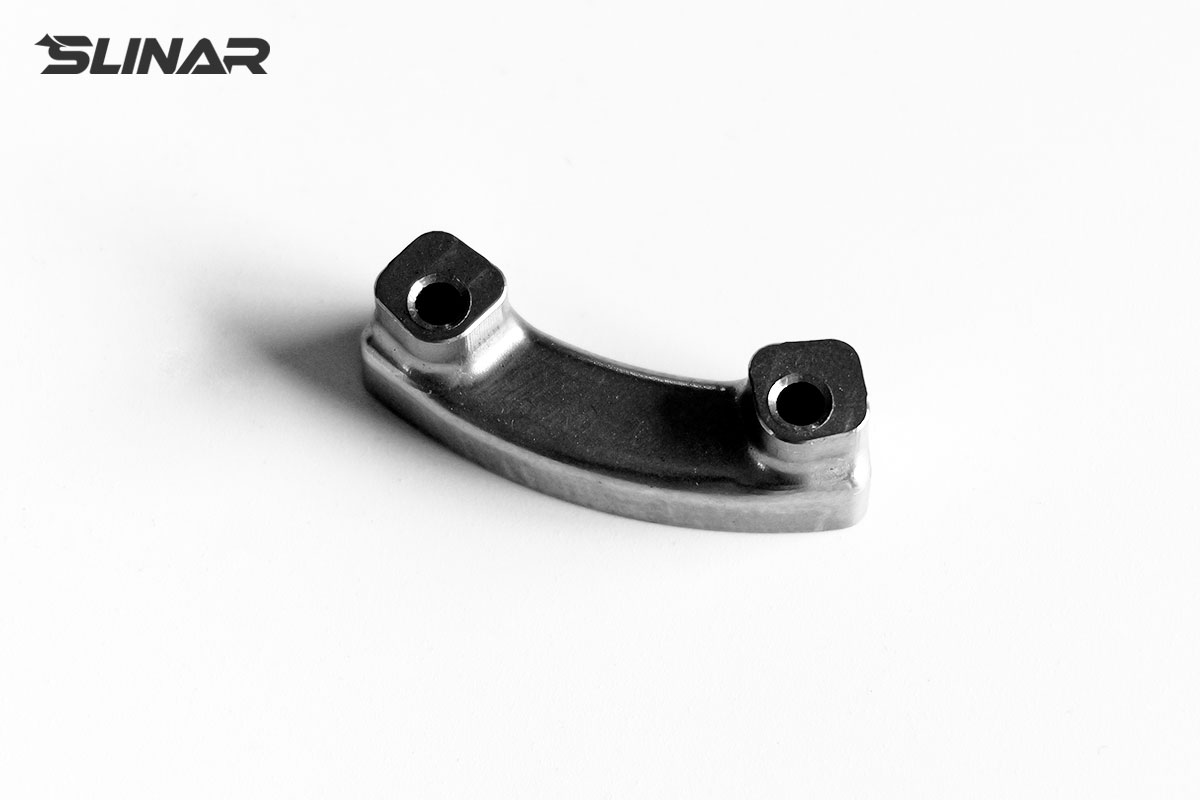
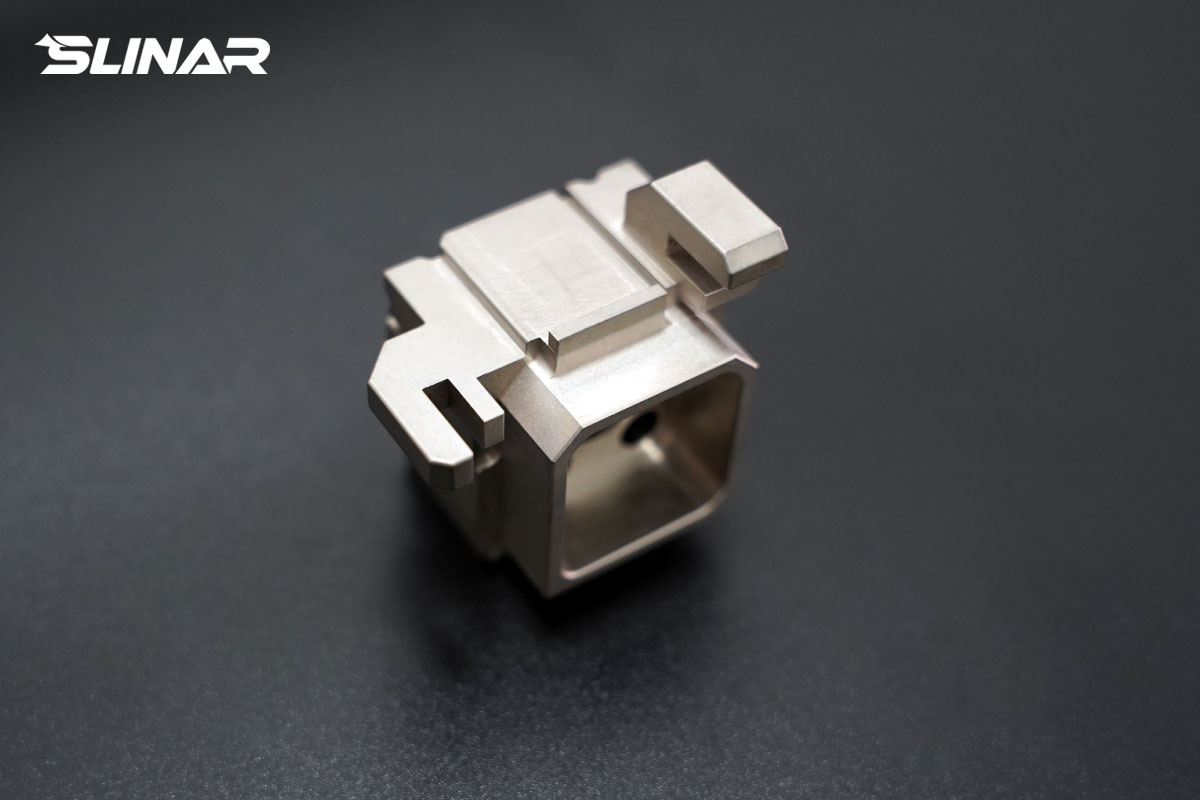
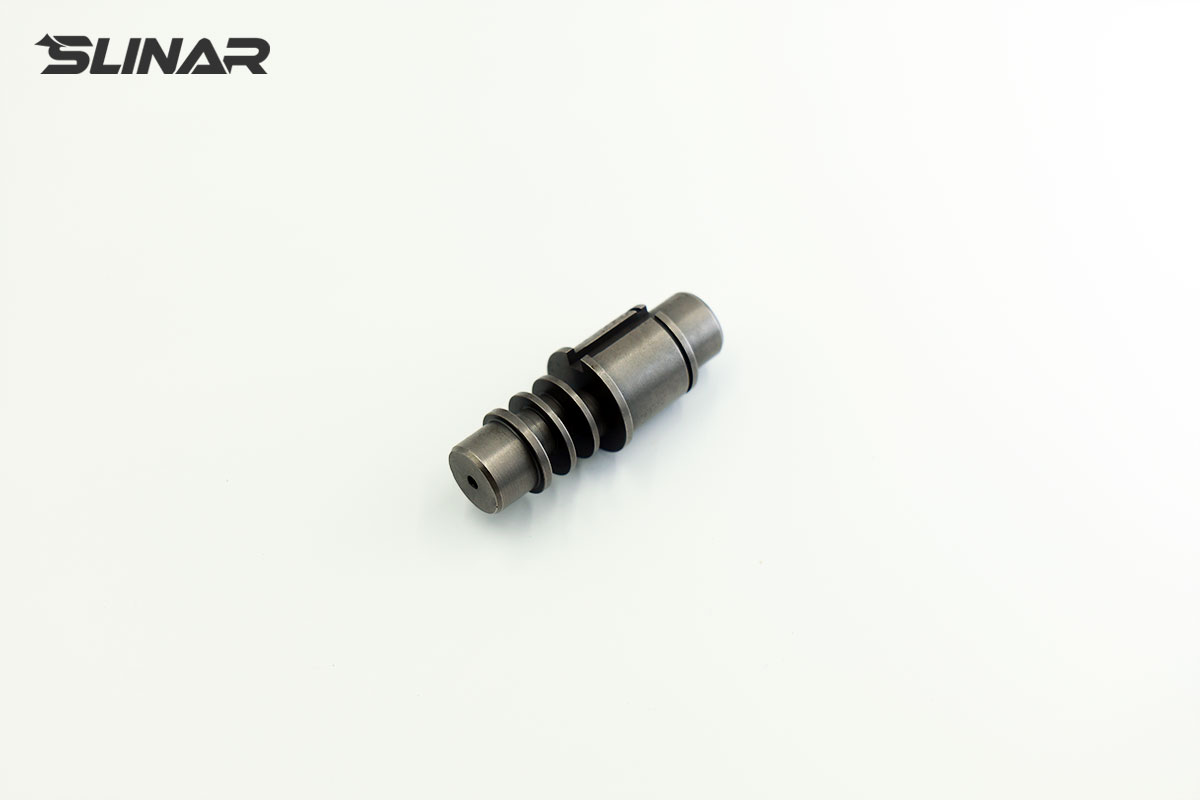
High strength and toughness, fatigue resistant. Alloy steels contain other alloying elements in addition to carbon, resulting in improved hardness, toughness, fatigue and wear resistance.

Order CNC Alloy steel parts

Description

Applications

CNC machining produces parts with excellent mechanical properties, accuracy and repeatability from metal and plastic. 3-axis & 5-axis CNC milling available.

Strengths

Excellent mechanical properties,High accuracy & repeatabillity

Weaknesses

Greater geometry restrictions than 3D printing

Characteristics

Price
Mill Lead Time

As fast as 7 days

Alloys

4140, 4130, A514, 4340

Carbon Steel Types

1018 Low Carbon, 1045 Carbon, Galvanized Low-Carbon

Finishing Options

Black Oxide, ENP, Electropolishing, Media Blasting, Nickel Plating, Powder Coating, Tumble Polishing, Zinc Plating, Vibratory Tumbling


Available material grades

Alloy steel FAQs

  • What is alloy steel and how is it different from carbon steel?

    Alloy steel is steel with deliberate additions of elements like chromium, molybdenum, nickel, or vanadium to improve strength, toughness, hardenability, or wear resistance. Carbon steel relies mainly on carbon content for its properties. The practical difference for a buyer is that alloy steel lets you achieve higher strength and better performance after heat treatment, while carbon steel is cheaper and generally easier to machine. If your part needs to survive high stress, fatigue, or impact, alloy steel is usually the starting point.
  • Which alloy steel grades do you machine most often?

    4140 is the most common. It offers a good balance of strength, toughness, and machinability, and is often supplied pre-hardened so you can skip post-machining heat treatment. 4340 is used when maximum strength and toughness are required, such as landing gear or heavy-duty shafts. 8620 is a case-hardening grade for gears and camshafts. 4130 appears frequently in aerospace and motorsport because it welds well and has good strength-to-weight. 42CrMo4 and 16MnCr5 are common European equivalents.
  • How hard is alloy steel to machine compared to carbon steel?

    Noticeably harder, especially as hardness increases. 4140 at around 180 HB machines roughly 10 to 15 percent slower than free-machining carbon steel. Pre-hardened 4140 at 300 HB or above can take twice as long. 4340 is tougher still. The practical consequence is higher cycle time and faster tool wear, which shows up in the part price. We adjust tooling and cutting parameters to keep this manageable, but alloy steel parts will always cost more to machine than equivalent carbon steel parts.
  • What hardness can you machine?

    We routinely machine pre-hardened alloy steel up to around 35 HRC without difficulty. Between 35 and 45 HRC, machining is possible but slower, with more frequent tool changes and tighter process control. Above 45 HRC, conventional machining becomes inefficient and grinding or EDM is usually the better route. If your design specifies a final hardness above 45 HRC, the standard approach is to machine in the annealed or pre-hardened condition and heat treat afterward.
  • What tolerances can you hold on alloy steel?

    Standard milling and turning hold ±0.02 to ±0.05mm. Precision work holds ±0.01mm on critical features. Grinding reaches ±0.002mm where needed. The limiting factor is usually heat treatment, not machining. Quenching and tempering can move dimensions, so if your part requires both tight tolerances and post-machining heat treatment, we plan machining allowances and may leave critical surfaces for grinding after treatment.
  • Can you machine alloy steel parts and then heat treat them?

    Yes, this is a common workflow. We machine in the annealed or pre-hardened condition, then send parts for quenching and tempering, case hardening, or nitriding. The important detail is that heat treatment causes distortion, so critical dimensions need either a machining allowance or a post-treatment grinding operation. We will flag this during quoting if your drawing calls for both tight tolerances and heat treatment.
  • What finishes are typically specified on alloy steel parts?

    Black oxide for mild corrosion protection and a dark appearance. Electroless nickel for uniform hardness and corrosion resistance. Hard chrome for wear surfaces like shafts and hydraulic rods. Zinc plating for basic protection in less demanding environments. Powder coating for durable decorative protection. In many cases the heat treatment itself is the functional "finish," and the surface coating is secondary.
  • What is the maximum part size you can machine in alloy steel?

    Milling up to 650 × 550 × 450mm. Turning up to 600mm diameter and 1,500mm length. Larger parts can be coordinated through partner facilities, but alloy steel at large sizes brings thermal expansion and handling considerations that affect both tolerance and cost.
  • What are the typical applications for machined alloy steel parts?

    Gears, shafts, axles, and hydraulic components in 4140. Landing gear parts, crankshafts, and high-stress fasteners in 4340. Case-hardened gears and camshafts in 8620. Aerospace structural parts and motorsport components in 4130. Heavy equipment, oil and gas tooling, and industrial machinery parts across the family.
  • What documentation comes with alloy steel parts?

    Material test reports with heat lot traceability. Dimensional inspection reports. Certificates of conformance. Heat treatment certificates where thermal processing is specified. For aerospace and defense work, AS9102 First Article Inspection and full traceability documentation are available.
Get parts quickly with our processing
Complete CNC machining of parts within 1 week.
Get Free Quote
SLINAR CNC machining service
Ready to scale production?

Upload your CAD for a free quote. No minimum order.

Get Free Quote
Trustpilot