



CNC Machining with Care. No MOQ. From prototype to mass production. Free DFM & 24h quotes. Get a Quote
Select a language
Name
Description
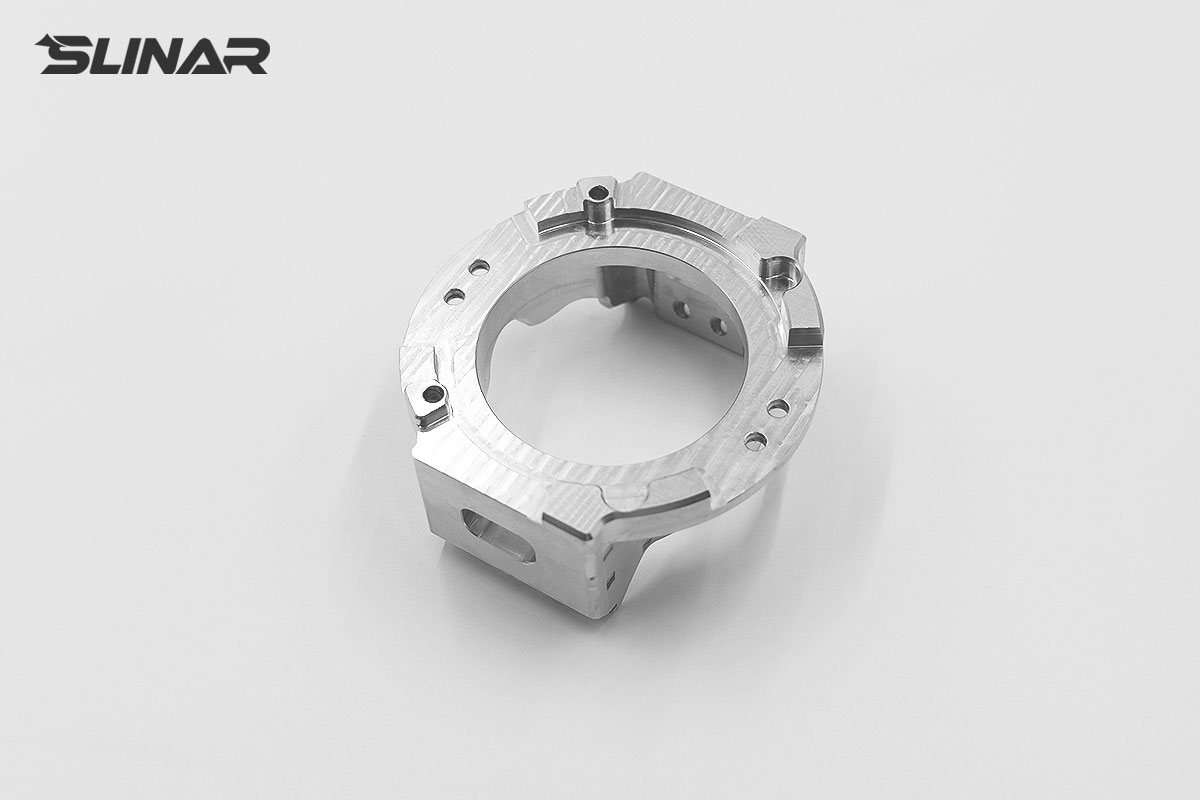
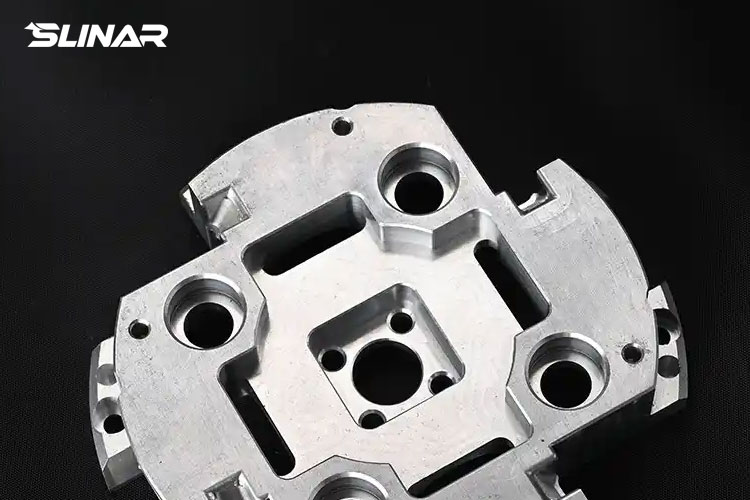
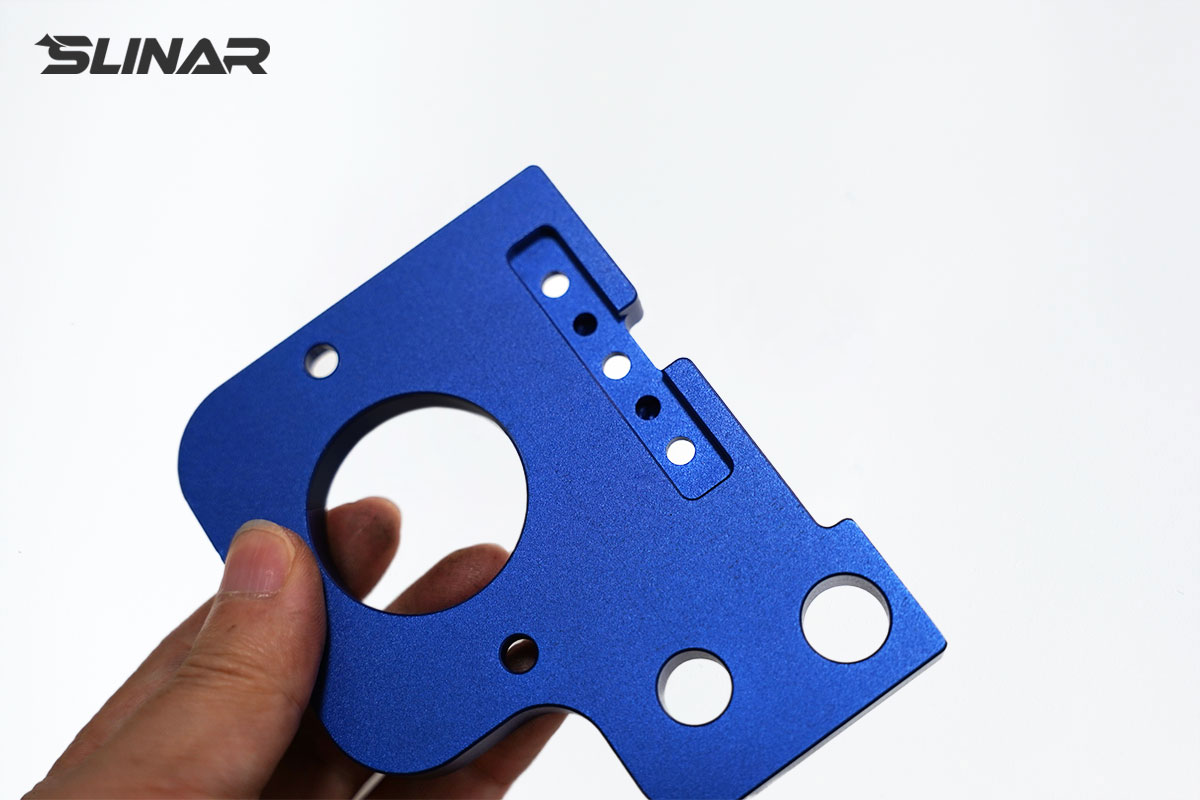
CNC machining Aluminum parts
Aluminum
Price
High machinability and ductility, good strength-to-weight ratio.
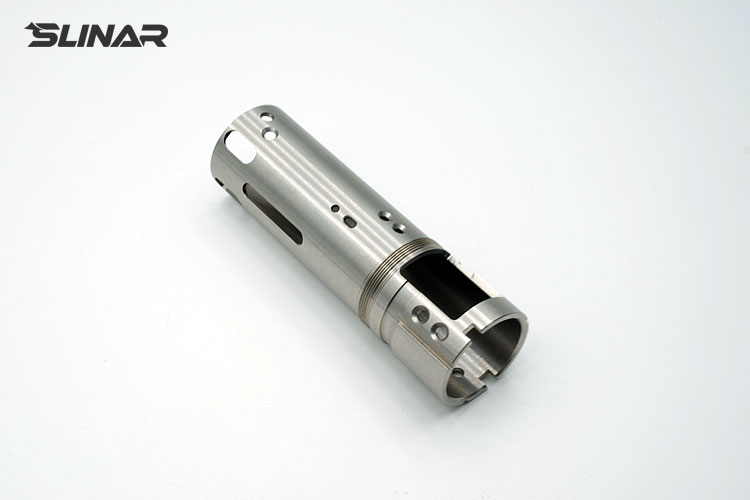
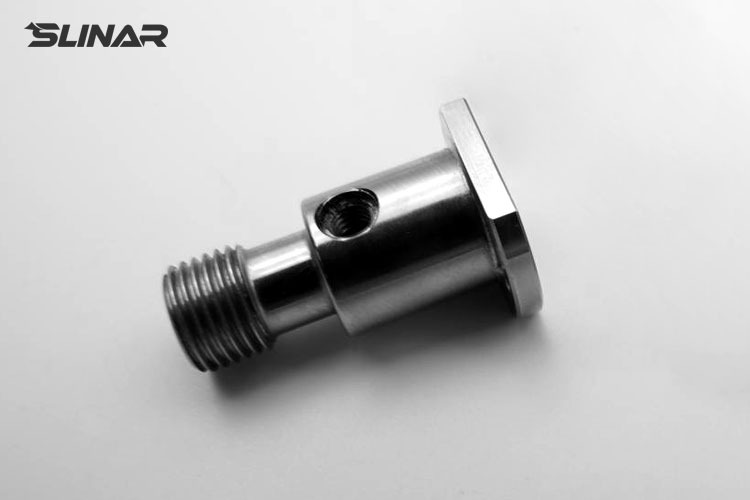
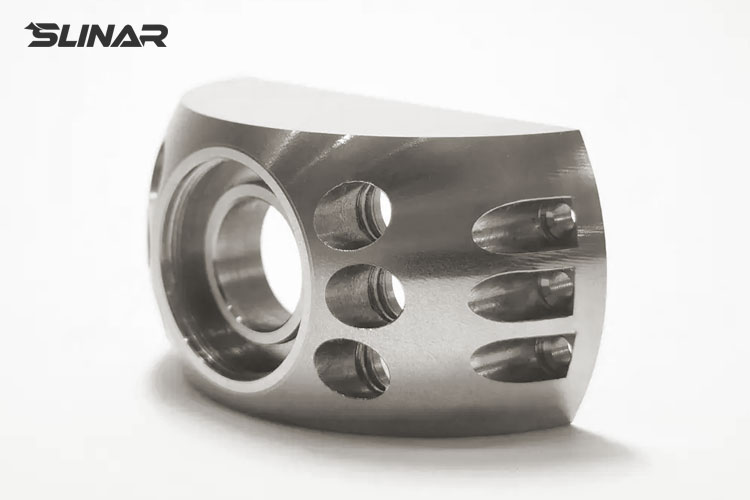
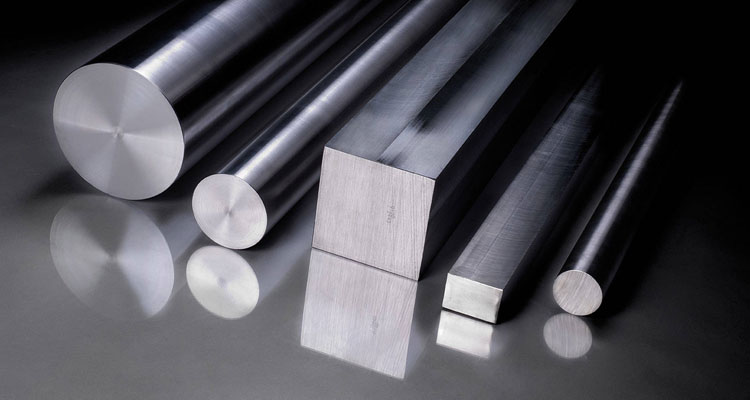
CNC machining Stainless steel parts
Stainless steel
Price
High tensile strength, corrosion and temperature resistant.
CNC machining Alloy steel parts
Alloy steel
Price
High strength and toughness, fatigue resistant.
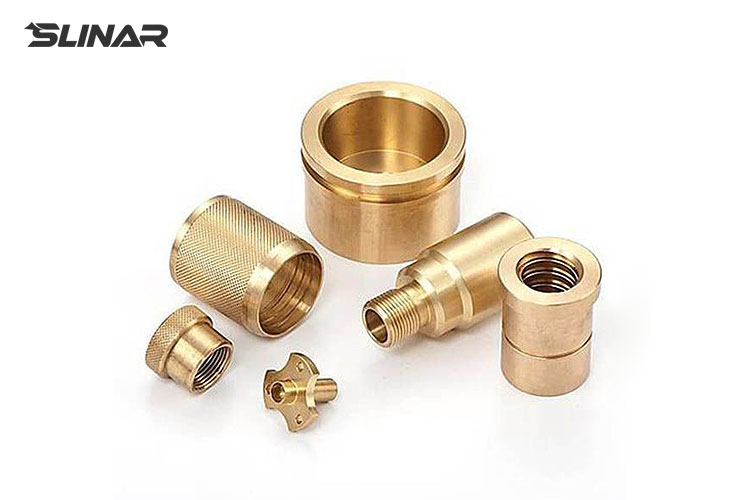
CNC machining Brass parts
Brass
Price
Low friction, excellent electrical conductivity, golden appearance.
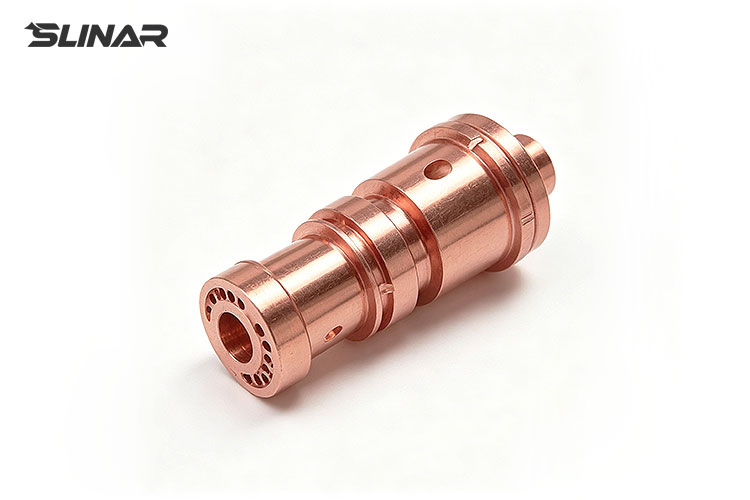
CNC machining Copper parts
Copper
Price
Excellent thermal and electrical conductivity.
CNC machining Inconel parts
Inconel
Price
High-strength and corrosion-resistant nickel alloy.
CNC machining Invar parts
Invar
Price
Nickel alloy with a very low coefficient of thermal expansion.
CNC machining Mild steel parts
Mild steel
Price
High machinability and weldability, high stiffness.
CNC machining Tool steel parts
Tool steel
Price
High hardness and stiffness, abrasion resistant.
CNC machining Titanium parts
Titanium
Price
Excellent strength to weight ratio, used in aerospace, automotive and medical industries.
Metal CNC services

Metal CNC services

Slinar offers advanced CNC metal cutting services with consistent quality and fast turnaround. We maintain reliable production capacity and competitive pricing, handling everything from low-volume orders to complex machining projects. With Slinar, you can produce intricate prototypes and small-batch runs across a broad range of metals with multiple surface finish options. Partner with us to access our comprehensive metal machining supply chain.
Metal Machining Services

Metal Machining Services

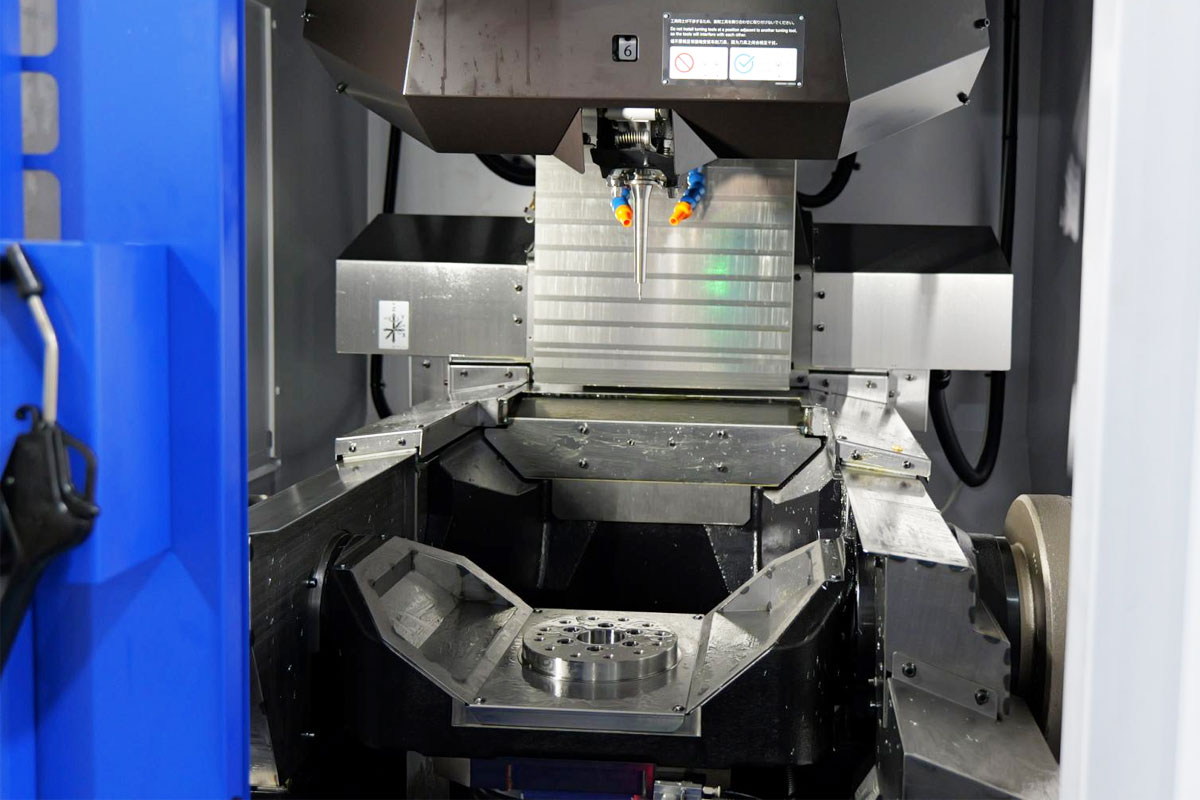
CNC metal machining is the process of removing material from raw metal stock to produce precision components. Guided by CAD-designed 3D models, CNC (Computer Numerical Control) machines deliver exceptional accuracy for virtually any geometric shape. At Slinar, our manufacturing network operates 3-axis and 5-axis CNC equipment to machine parts that clear our online DFM (Design for Manufacturing) review. Our advanced metal machining centers handle complex features with tight tolerances and superior repeatability.
Metal Milling Services

Metal Milling Services

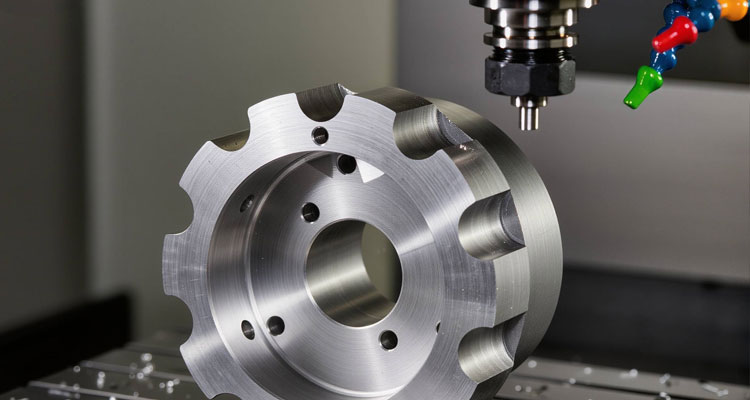
CNC metal milling uses high-speed rotating cutting tools to remove material from solid blocks or sheets. Tools can be interchanged based on material thickness and design complexity, while the rotating work table enables multi-angle access to the workpiece. For complex parts machined from a single metal block, CNC milling offers the most effective fabrication solution. At Slinar, our milling capabilities deliver precision, efficiency, and consistency across every project.
CNC Metal Fabrication Services

CNC Metal Fabrication Services

CNC metal fabrication is a subtractive machining process — much like carving a surfboard from a single block of wood, but with computer-controlled precision. Starting from solid metal stock, cutting tools systematically remove material until the final part shape emerges. This approach is ideal for components requiring seamless construction and structural integrity, as machining from one piece eliminates weld seams and assembly weak points. Slinar's multi-axis CNC equipment brings even the most complex single-block designs to life with accuracy and speed.

Why Choose US

Slinar is an ISO 9001:2015 and AS9100-certified manufacturer based in Shenzhen, China, with over 12 years of experience in high-precision CNC machining.


Learn more

FAQs

  • What is Metal CNC Machining and What Materials Does It Cover?

    Metal CNC machining is a computer-controlled subtractive manufacturing process that uses rotating cutting tools, turning operations, or electrical discharge to remove material from metal workpieces, producing precision components from a wide range of metallic materials. It covers all common engineering metals: aluminum, steel, stainless steel, titanium, brass, copper, bronze, magnesium, tungsten, Inconel, and other specialty alloys. The process includes CNC milling (creating flat surfaces, slots, pockets, and complex 3D contours), CNC turning (producing cylindrical parts like shafts and bushings), drilling, boring, grinding, and EDM. Metal CNC machining is specified when components require high strength, durability, temperature resistance, or specific mechanical properties that plastics and composites cannot provide.
  • What Metals Are Most Commonly Machined and Why?

    Aluminum is the most commonly machined metal due to its excellent machinability (70-90% rating), light weight, good corrosion resistance, and cost-effectiveness. 6061-T6 is the most versatile grade for general engineering. Steel follows closely—carbon steels like 1018 and 12L14 are highly machinable and cost-effective, while alloy steels like 4140 and 4340 provide high strength for demanding applications. Stainless steel is specified for corrosion-resistant applications; 303 offers the best machinability (78%), 304 is the most versatile, and 316 provides maximum corrosion resistance for marine and chemical environments. Titanium is machined for its exceptional strength-to-weight ratio and biocompatibility but requires specialized tooling. Brass (C36000) is the benchmark material with 100% machinability, ideal for fittings, valves, and electrical components. Inconel is machined for high-temperature and corrosion-resistant applications but is among the most difficult materials to machine. Copper is specified for thermal and electrical conductivity. The choice depends on the application: weight, strength, corrosion resistance, thermal or electrical properties, and cost.
  • What Tolerances Can Metal CNC Machining Achieve?

    Different metals and processes achieve different tolerance capabilities. Standard CNC milling and turning typically hold ±0.02mm to ±0.05mm. Precision work holds ±0.01mm on most metals with proper machine control and tooling. High-precision work reaches ±0.005mm on request for critical features. Grinding operations achieve ±0.002mm on hardened steel and other metals. Aluminum and brass are easiest to hold tight tolerances on due to their excellent machinability and dimensional stability. Stainless steel and titanium hold tight tolerances but require more rigid setups and careful thermal management. Inconel and tungsten are most challenging—tolerances are typically held to ±0.02-0.05mm standard, with tighter tolerances requiring specialized approaches. Concentricity within 0.01mm TIR is standard for turned parts. Roundness within 0.005mm is achievable. Surface finishes range from Ra 1.6-3.2μm as-machined to Ra 0.2-0.8μm ground, with Ra 0.4μm achievable on precision-turned or polished surfaces.
  • How Does Metal Choice Affect Machinability and Cost?

    Metal selection directly impacts machining cost through material price, cutting speed, tool wear, and cycle time. Aluminum machines fastest—high cutting speeds (300-800 m/min), long tool life, and short cycle times. It is the most cost-effective metal for most applications. Brass with 100% machinability machines at high speeds with excellent surface finish and minimal tool wear, making it highly cost-effective for complex parts. Carbon steel (1018, 12L14) machines well at moderate speeds; 12L14 is free-cutting and ideal for high-volume screw machine parts. Stainless steel requires slower speeds (40-60 m/min for 304, 60-80 m/min for 303) and more frequent tool changes—cost is higher than aluminum or carbon steel. Titanium requires very low surface speeds (30-60 m/min), specialized tooling, and high-pressure coolant—material cost is 5-10 times that of aluminum, and cycle times are significantly longer. Inconel is the most expensive to machine—slow speeds (20-40 m/min), extreme tool wear, and long cycle times make it suitable only for applications where its high-temperature and corrosion resistance justify the cost.
  • What Surface Finishes Are Available for Metal CNC Parts?

    Metal parts accept a wide range of surface finishes to enhance corrosion resistance, wear protection, aesthetics, and electrical properties. As-machined provides a functional surface with visible tool marks, typically Ra 1.6-3.2μm. Anodizing for aluminum includes clear, black, hard (Type III), and color options—hard anodizing provides wear resistance for moving contact surfaces. Plating options include zinc for basic steel corrosion protection, electroless nickel for uniform hardness and corrosion resistance, hard chrome for wear-resistant shafts and bearing surfaces, and tin, silver, or gold for electrical conductivity and solderability. Passivation for stainless steel and titanium removes free iron and restores corrosion resistance. Electropolishing for stainless steel and copper removes surface material for improved finish and corrosion resistance. Powder coating provides a durable polymer finish in any RAL color with excellent corrosion protection for exterior applications. Mechanical finishes include grinding for precision bearing surfaces (Ra 0.2-0.8μm), polishing for high-gloss decorative or functional surfaces, bead blasting for uniform matte texture, and brushing for directional grain patterns. Heat treatment is often applied before or after machining—annealing for stress relief, quench and temper for increased hardness, case hardening for hardened surface with tough core, and nitriding for surface hardening with minimal distortion.
  • What Are the Most Challenging Metals to Machine and Why?

    Inconel is the most difficult metal to machine due to extreme work hardening (surface hardness increases up to 50% during cutting), high cutting forces (3-4 times higher than steel), low thermal conductivity concentrating heat at the cutting edge, high chemical reactivity causing built-up edge, and abrasive nature from carbide precipitates. It requires low surface speeds (20-40 m/min), heavy radial engagement, high-pressure coolant (70 bar), and advanced toolpath strategies. Titanium is similarly challenging with low thermal conductivity (1/7 that of stainless steel), high chemical reactivity, low modulus of elasticity (half that of steel) causing deflection, and work hardening. It requires micro-grain carbide with AlTiN coatings, high-pressure coolant with through-tool delivery, and dynamic milling toolpaths. Tungsten is extremely hard, dense, and abrasive—it requires carbide or diamond tooling, negative rake angles, low speeds, and rigid setups. Stainless steel is moderately challenging due to work hardening and gummy chip formation—it requires sharp tooling, consistent cutting action, and appropriate coolants. Pure copper is soft and gummy, causing built-up edge and poor chip formation—it requires sharp polished tooling and high-pressure coolant. In all cases, the principle is "cut, don't rub"—light cuts and rubbing generate heat and work hardening.
  • What Equipment Is Used for Metal CNC Machining?

    Metal CNC machining uses a range of equipment configured for specific operations and materials. CNC milling centers handle parts up to 2,000mm x 800mm x 600mm with 3, 4, and 5-axis configurations. 3-axis milling is most common and cost-effective for parts with flat faces and simple pockets. 4-axis adds a rotary axis for cylindrical features and angled surfaces. 5-axis enables complex freeform surfaces, deep cavities, and multi-face features in a single setup—essential for aerospace structural components, impellers, and medical implants. CNC turning centers with live tooling handle diameters up to 600mm and lengths to 1,500mm—live tooling enables milling of cross-holes, flats, and slots in the same setup. Swiss-type turning handles diameters up to 32mm for long, slender parts with high length-to-diameter ratios. EDM equipment (wire and sinker) machines hardened materials and internal features that conventional cutting cannot access. Grinding equipment (surface and cylindrical) achieves precision finishes and tight tolerances on hardened parts. Spindle speeds on milling centers range from 10,000 to 24,000 RPM. High-pressure coolant systems (up to 70 bar) with through-tool delivery are essential for difficult-to-machine materials like Inconel and titanium.
  • What Industries Rely on Metal CNC Machining?

    Metal CNC machining serves as the backbone of precision manufacturing across multiple industries. The aerospace industry requires aluminum and titanium structural components, Inconel high-temperature parts, stainless steel and titanium fittings, and engine components with full traceability and AS9100D certification. The automotive industry needs engine, transmission, and suspension components, lightweight aluminum and magnesium parts, high-strength steel and titanium components, and electric vehicle battery housings with IATF 16949 compliance. The medical industry uses titanium, stainless steel, and brass implants, surgical instrument components, diagnostic equipment housings, and orthopedic trial components with ISO 13485 compliance. The electronics industry needs aluminum and copper heat sinks, brass and copper electrical connectors, metal housings and enclosures, and beryllium copper contacts. The industrial equipment sector requires steel and stainless steel pump parts, bronze bearings and bushings, metal gears and drive components, and fixture plates and machine parts. The oil and gas industry uses Inconel and stainless steel valve bodies, wellhead components, and downhole tool components. The defense industry requires high-strength metal components with ITAR compliance.
  • How Do I Select the Right Metal for My CNC Machining Project?

    Select based on your application requirements. For general structural applications where weight is not critical and cost is important, carbon steel (1018, 1045) or aluminum (6061-T6) are the most cost-effective choices. For lightweight structural applications with good corrosion resistance, aluminum (6061-T6 or 7075-T6) is preferred. For high-strength, high-stress applications requiring wear resistance, alloy steel (4130, 4140, 4340) or tool steel (A2, D2) should be considered. For corrosion-resistant applications in medical, food, or marine environments, stainless steel (303 for machinability, 304 for versatility, 316 for maximum corrosion resistance) is appropriate. For maximum strength-to-weight ratio with biocompatibility (aerospace and medical implants), titanium (Grade 5) is the choice. For high-temperature (up to 980°C) and corrosion-resistant applications where other materials fail, Inconel (718, 625) is specified despite its cost and machining difficulty. For applications requiring thermal or electrical conductivity, copper (C11000 for conductivity, C10100 for maximum purity) is used. For high-density applications such as radiation shielding and counterweights, tungsten heavy metal alloys (90-97% W) are preferred. For wear resistance in bearings and bushings, bronze (C93200 for bearings, C95400 for high-strength applications) is selected. For maximum weight reduction with good machinability, magnesium (AZ31B) is used but requires careful safety handling.
  • What Quality Documentation Is Provided with Metal CNC Parts?

    All metal CNC parts are supplied with comprehensive quality documentation to ensure traceability and compliance. Standard documentation includes material test reports (MTRs) certifying chemical composition and mechanical properties to applicable ASTM, AMS, or EN standards with full heat lot traceability. Dimensional inspection reports include CMM verification of all critical dimensions with deviation analysis. Certificates of conformance confirm that parts meet all specified requirements. For aerospace work, AS9102-compliant First Article Inspection (FAI) reports are provided with ballooned drawings and detailed measurement data. For automotive work, PPAP (Production Part Approval Process) documentation is provided including process flow diagrams, control plans, and capability studies (Cpk). Additional documentation such as mechanical test results, surface roughness measurements, and non-destructive test reports can be provided upon request. All documentation is provided in English with digital delivery.
Ready to scale production?

Upload your CAD for a free quote. No minimum order.

Get Free Quote
Trustpilot