



CNC Milling
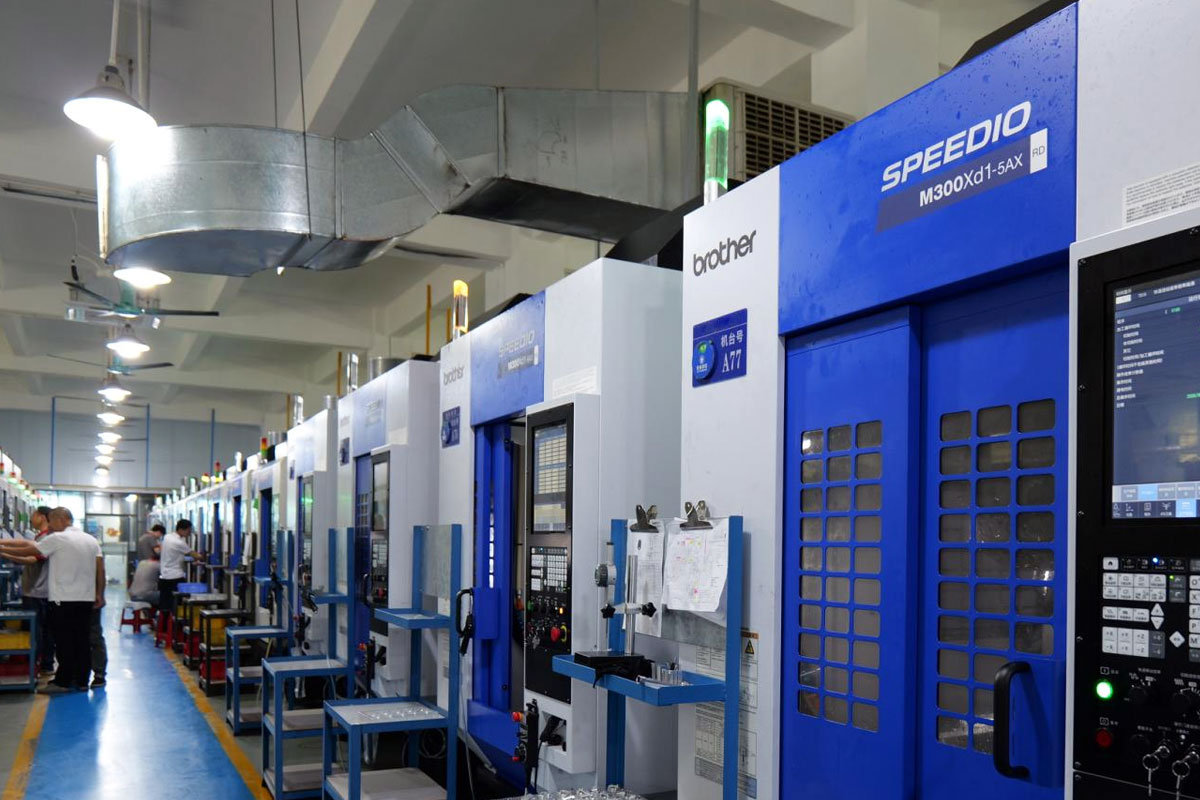
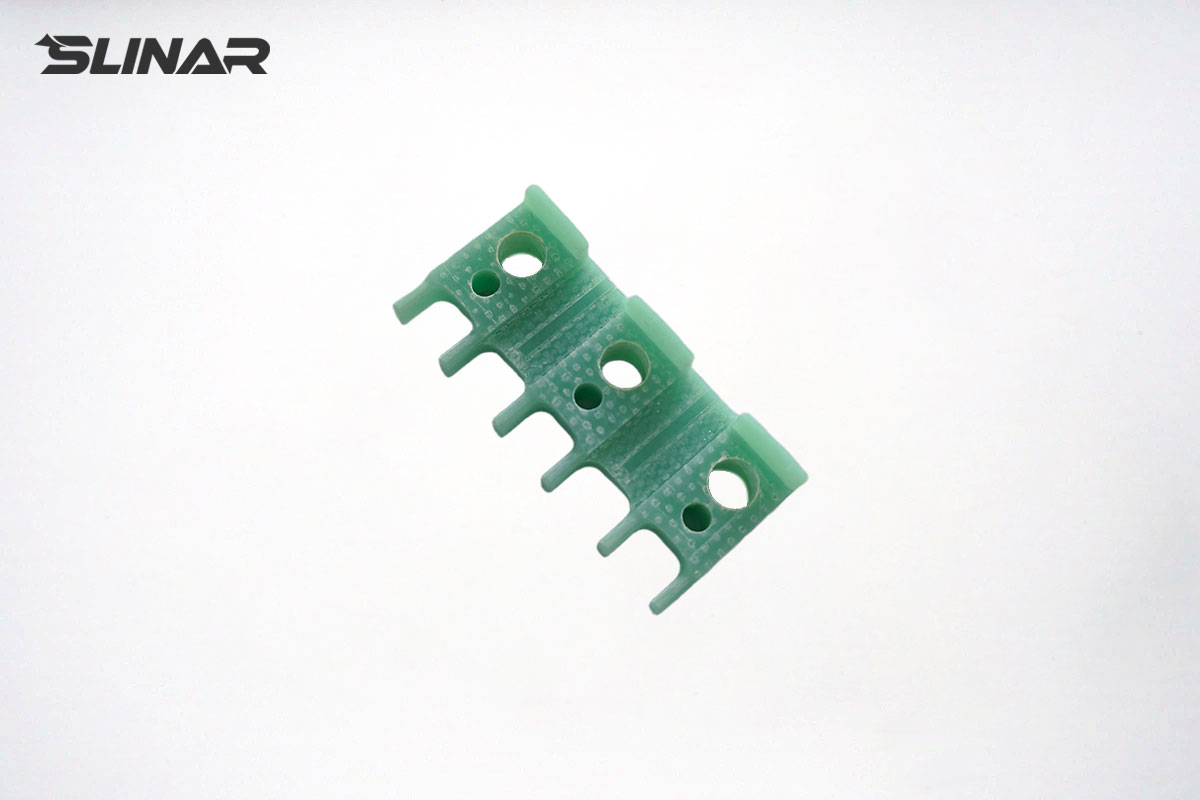
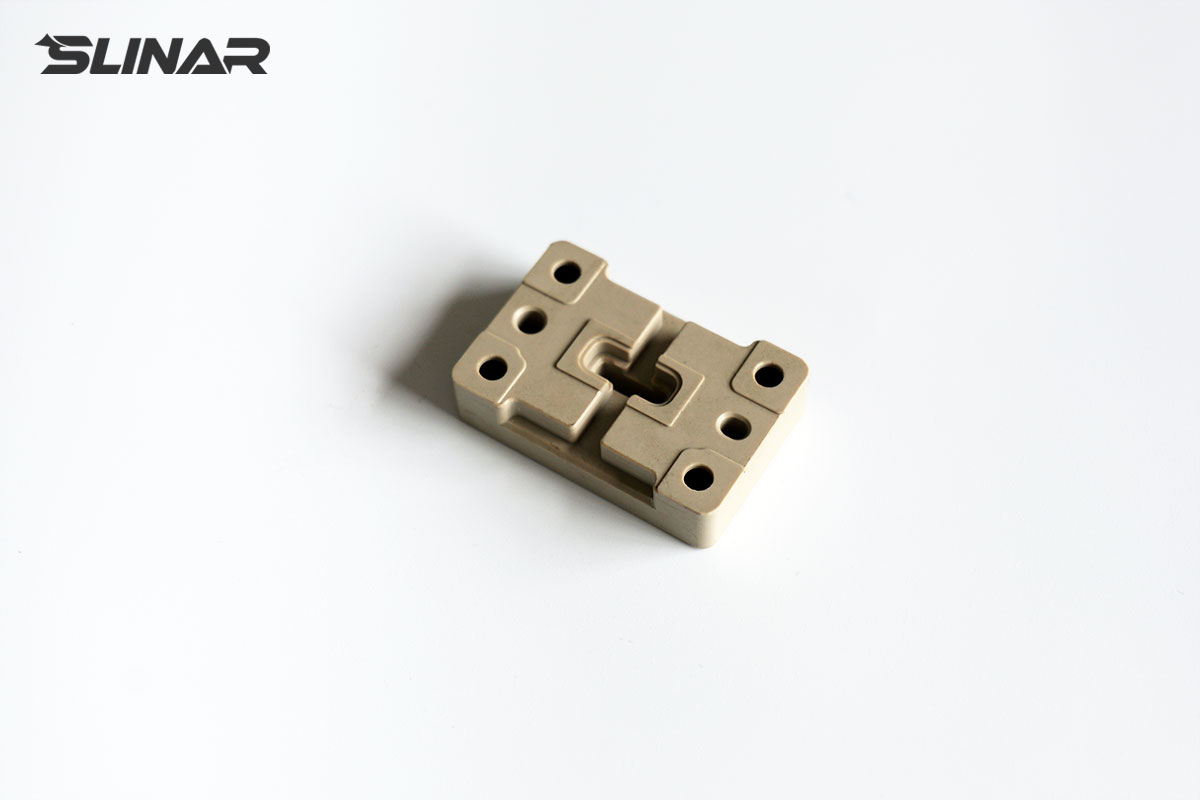
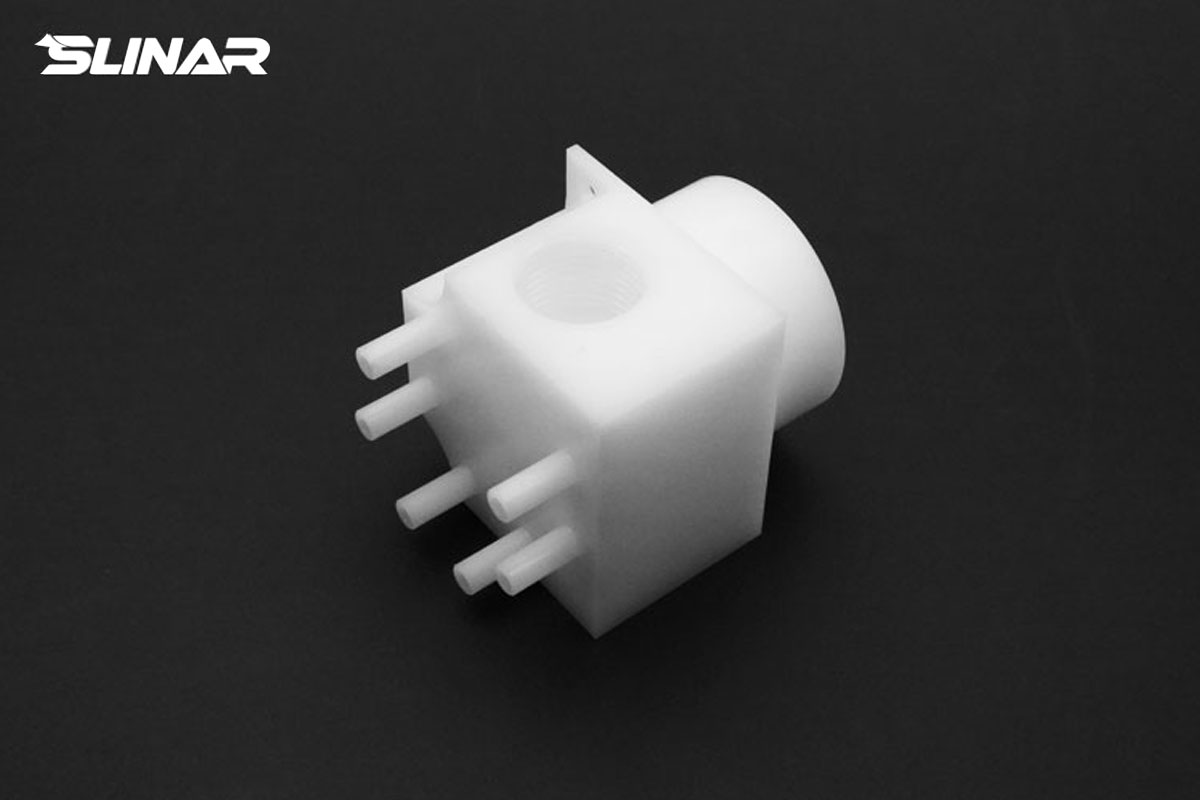
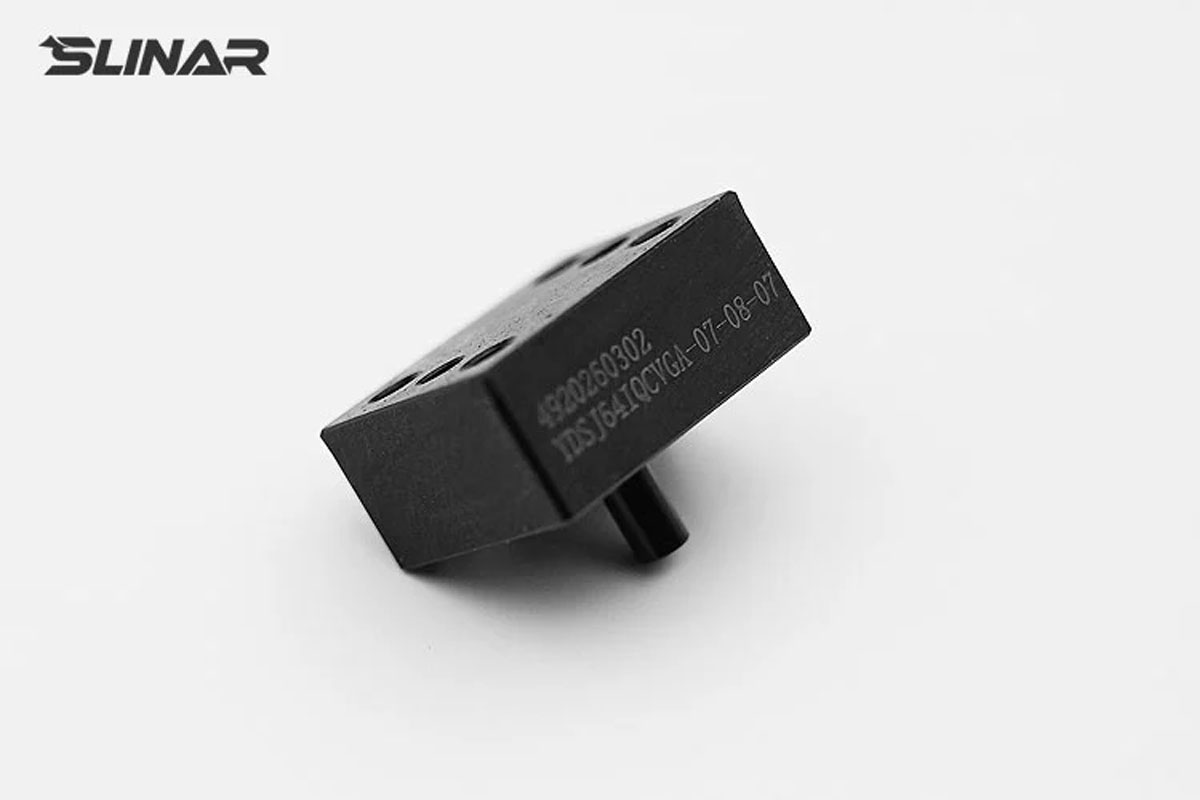
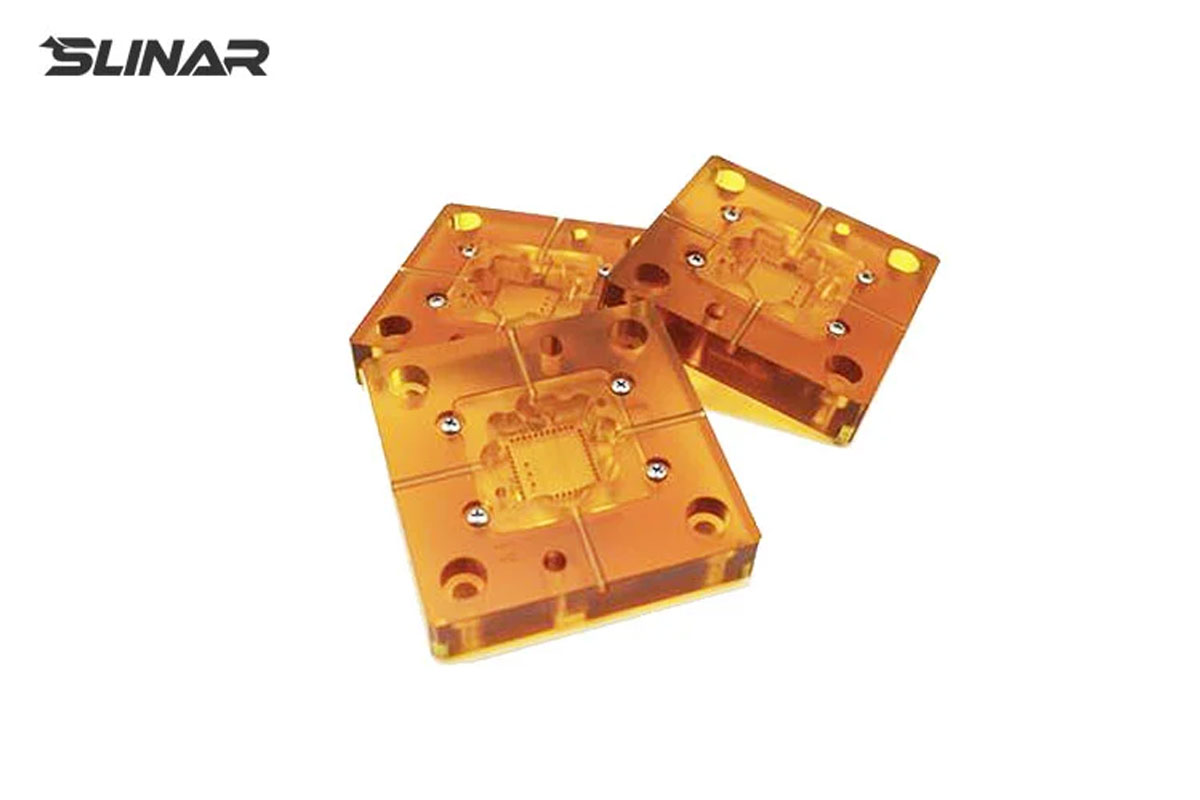
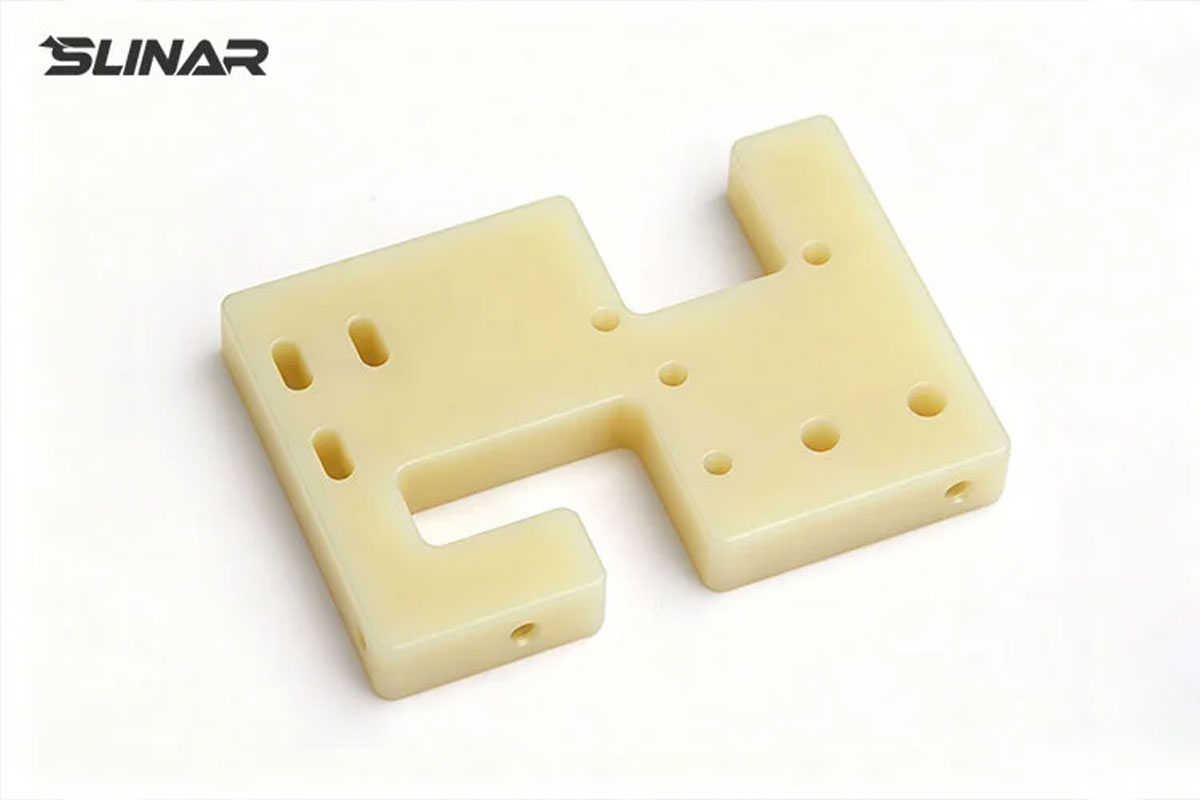
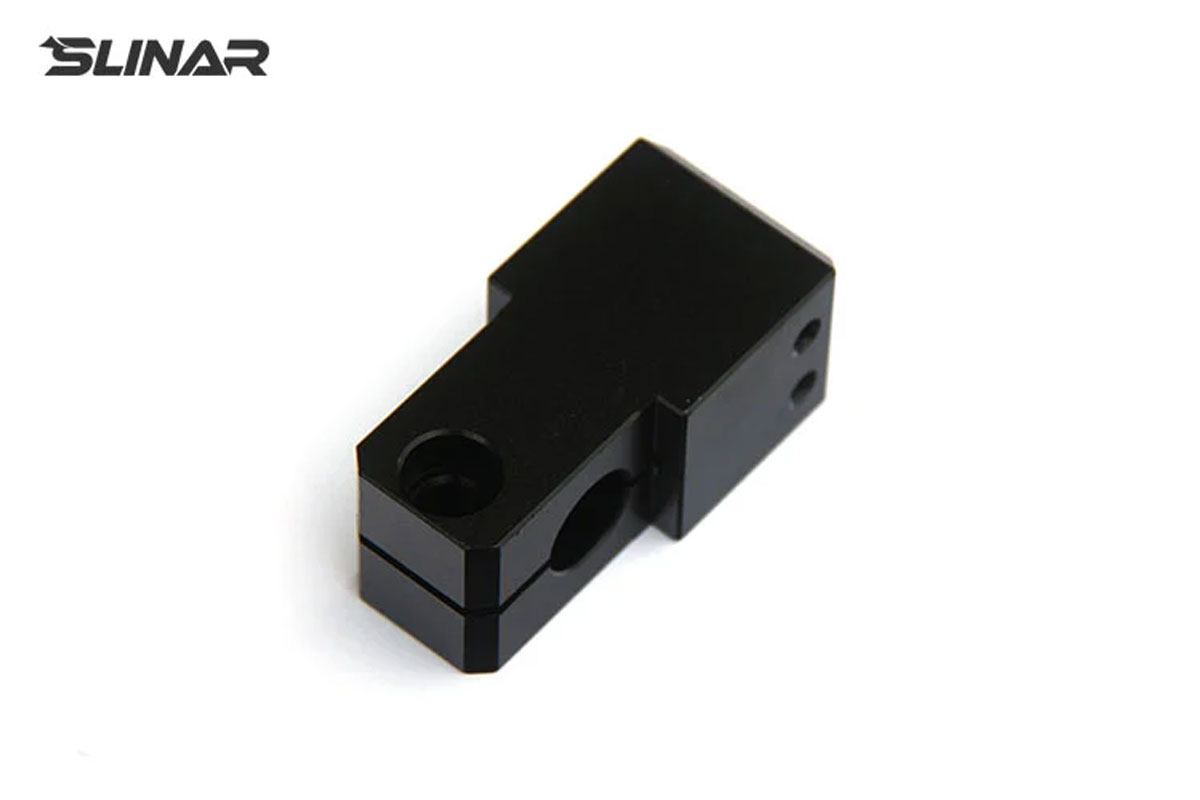
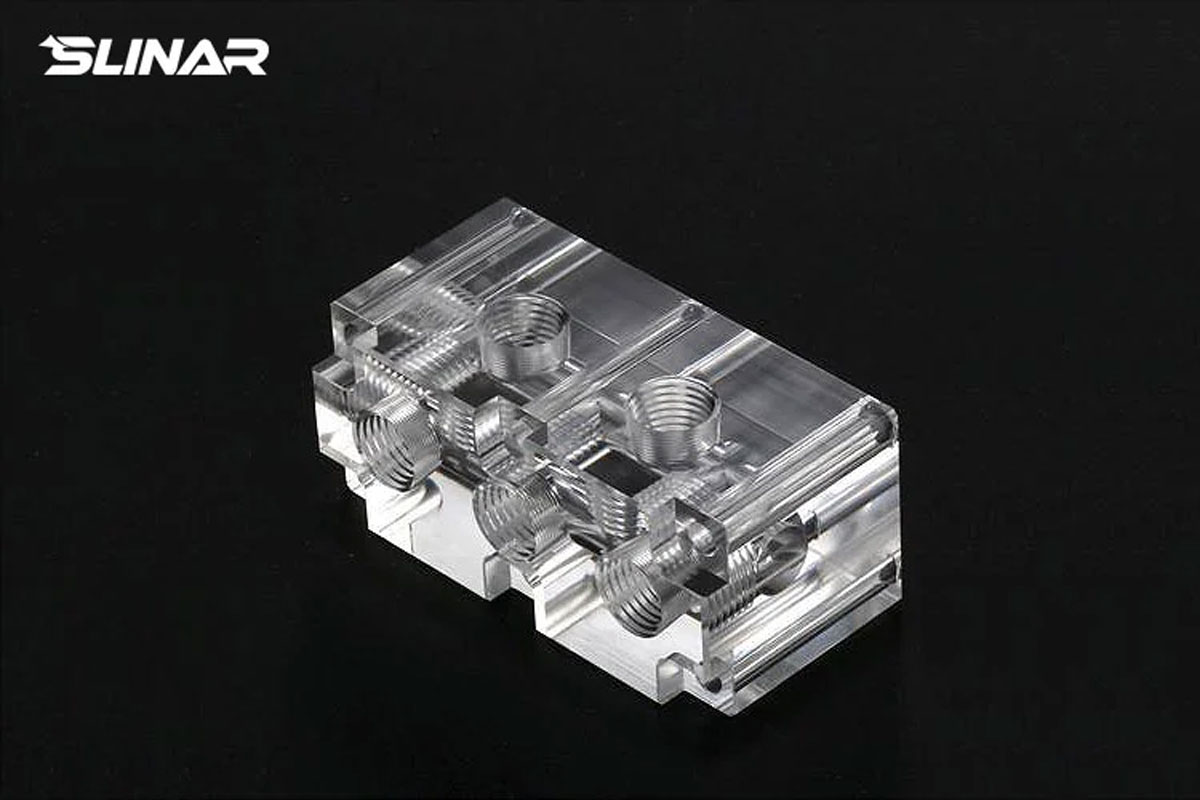
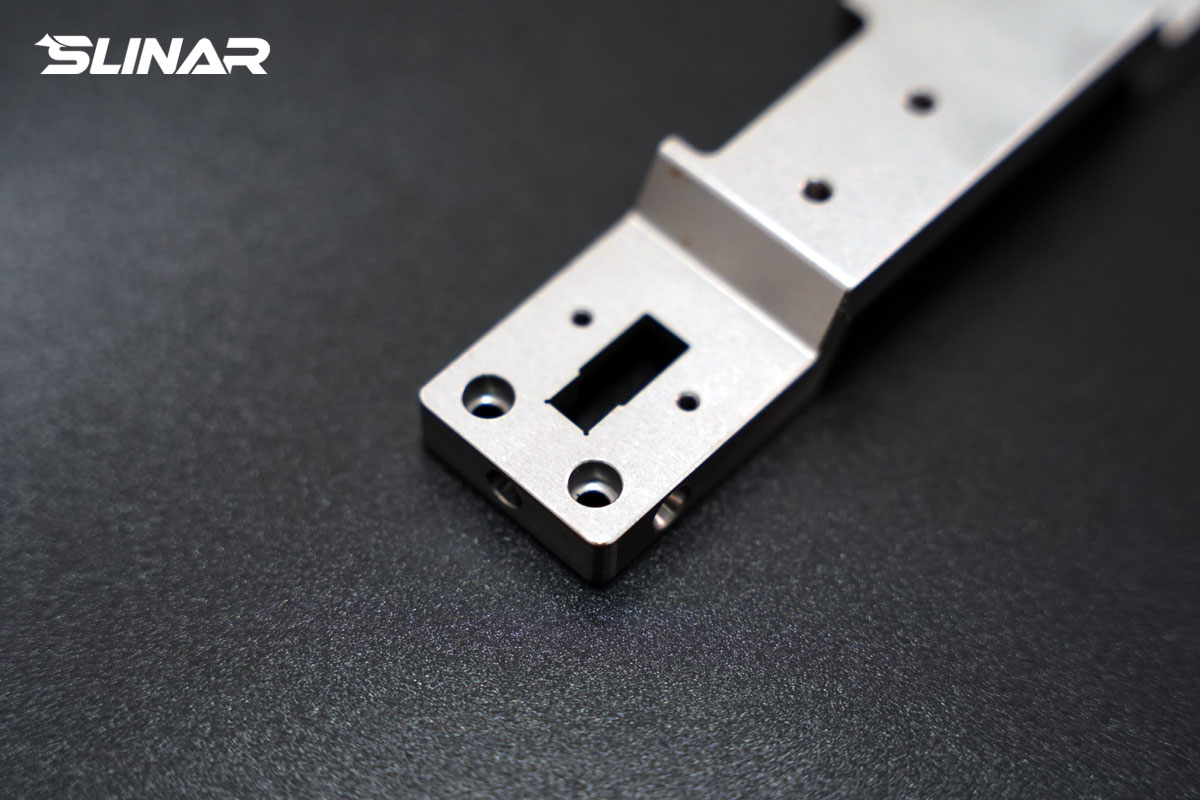
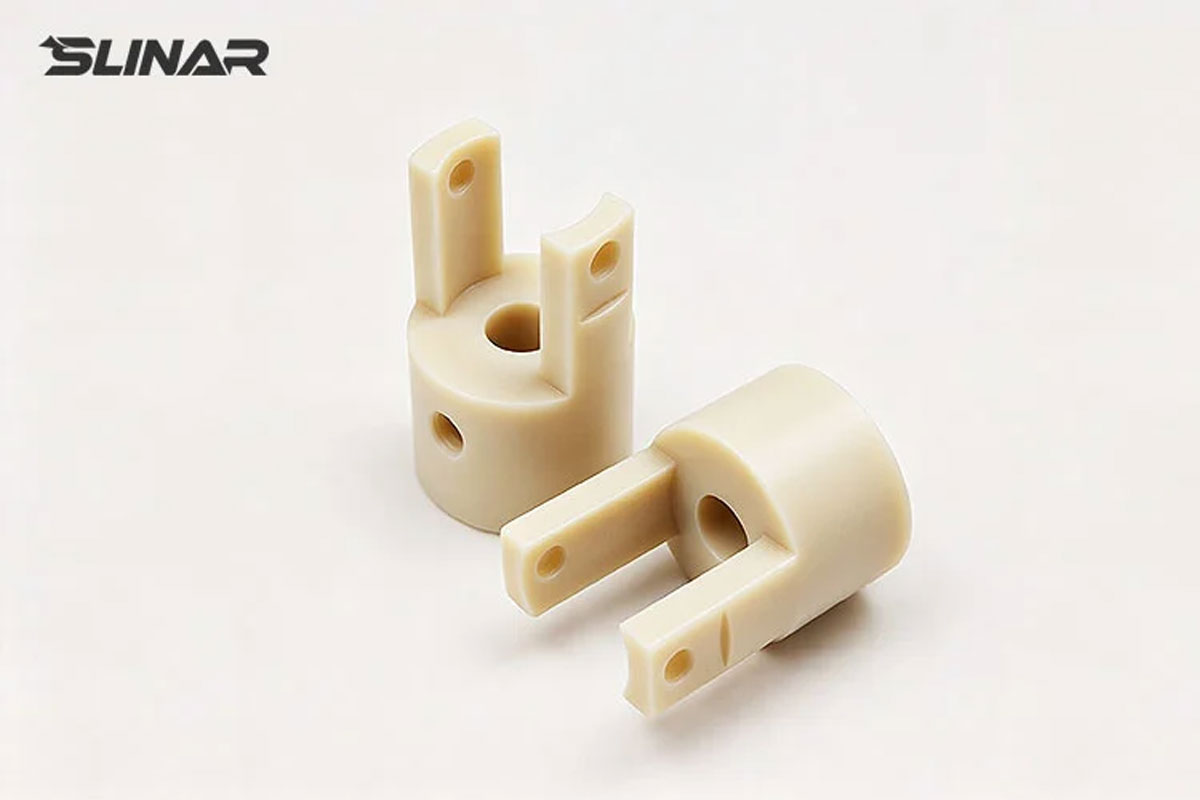
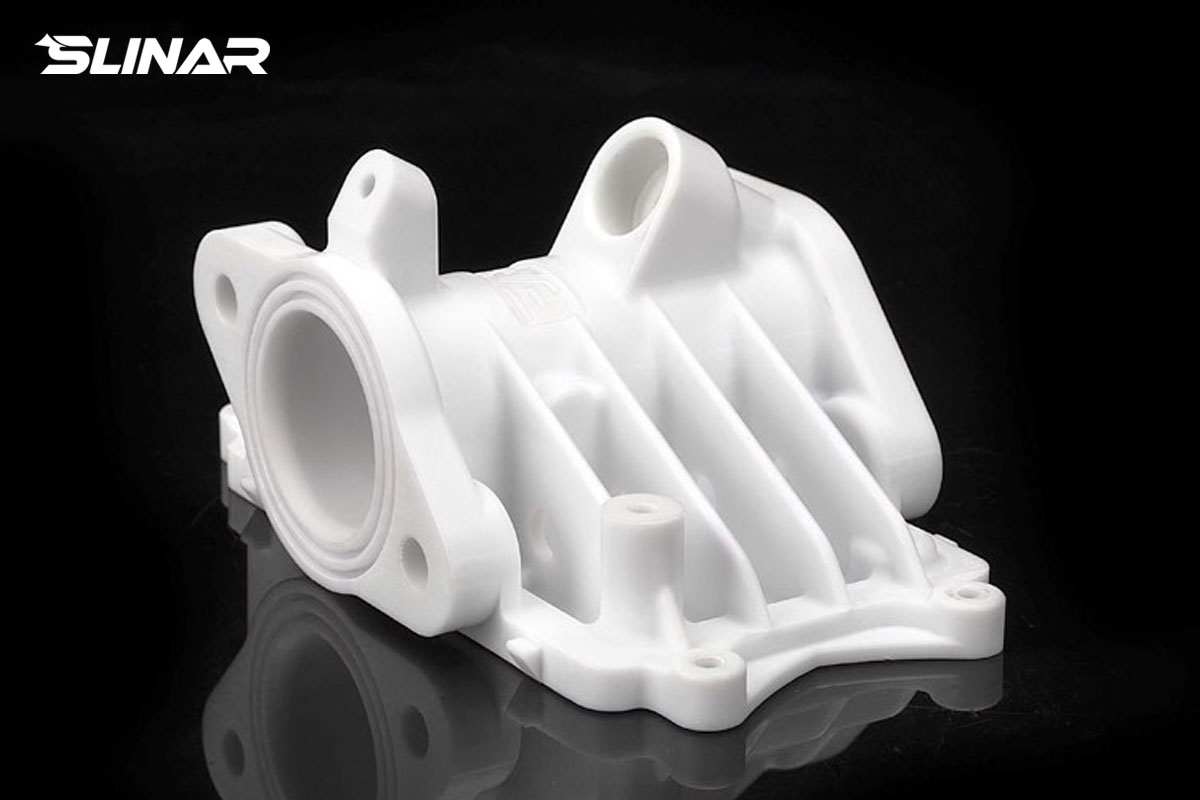
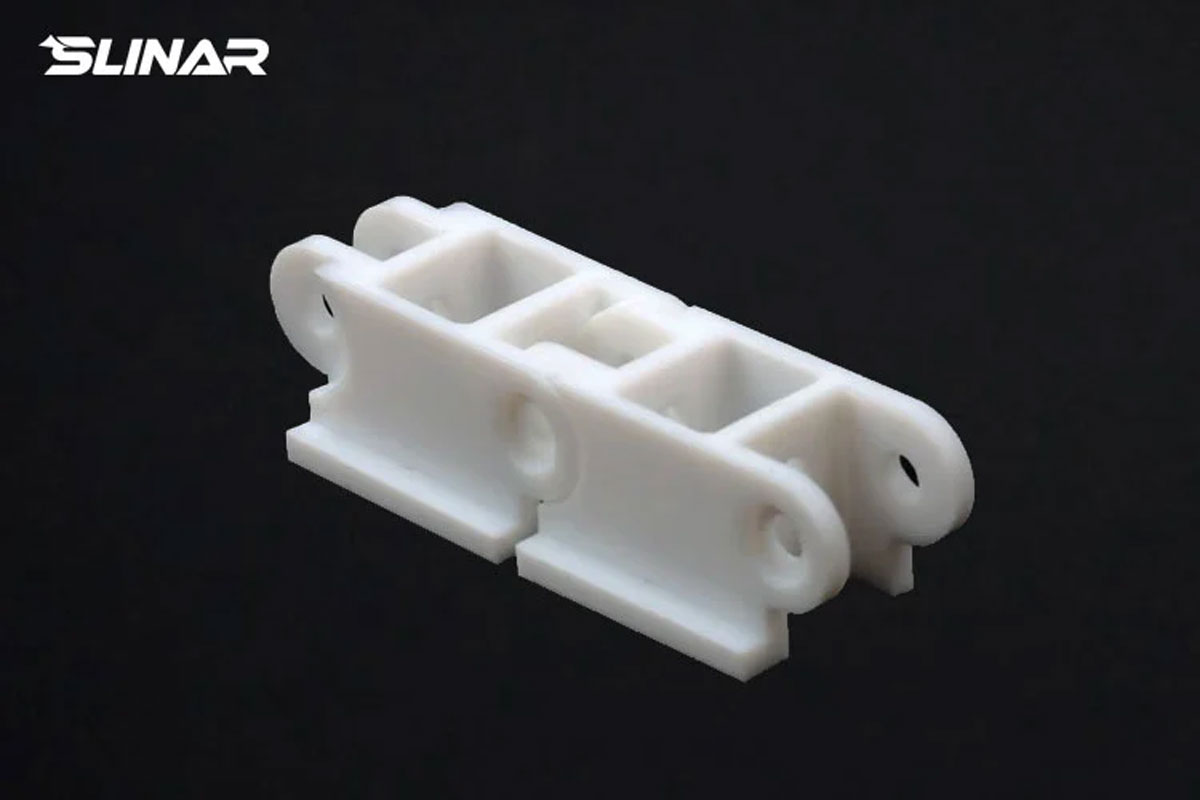
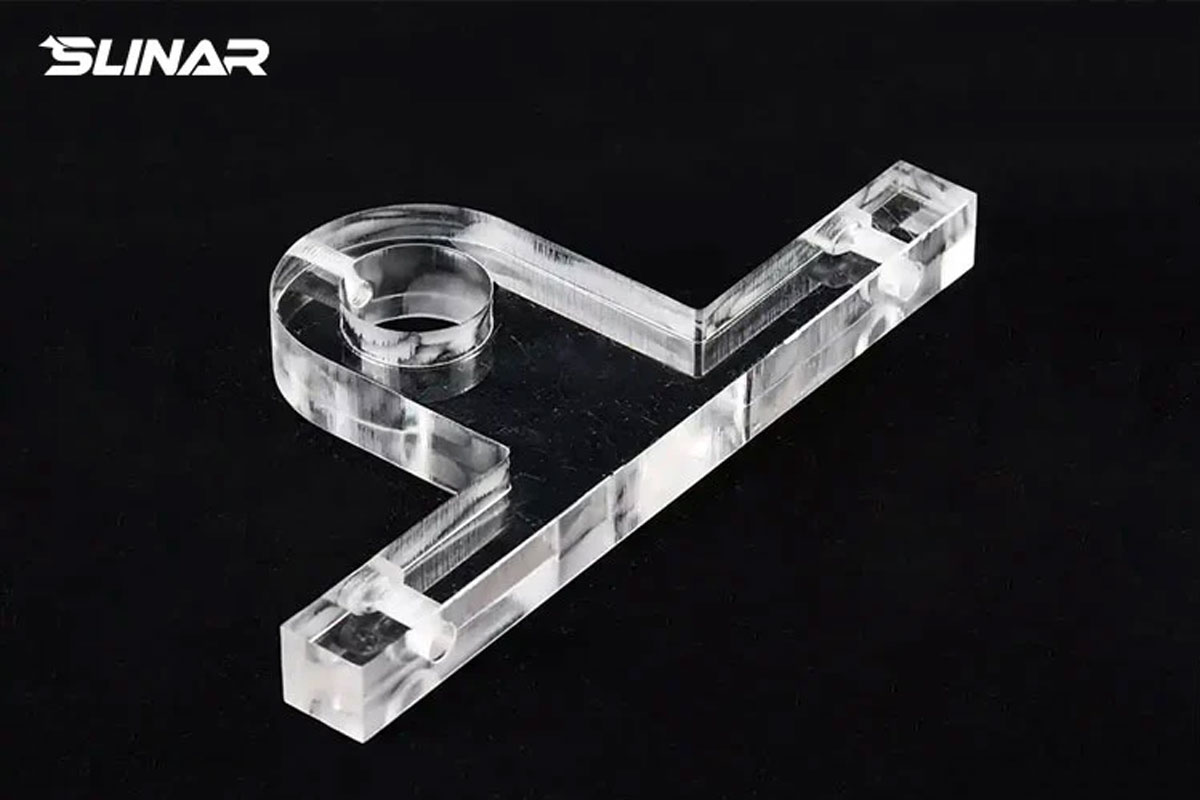
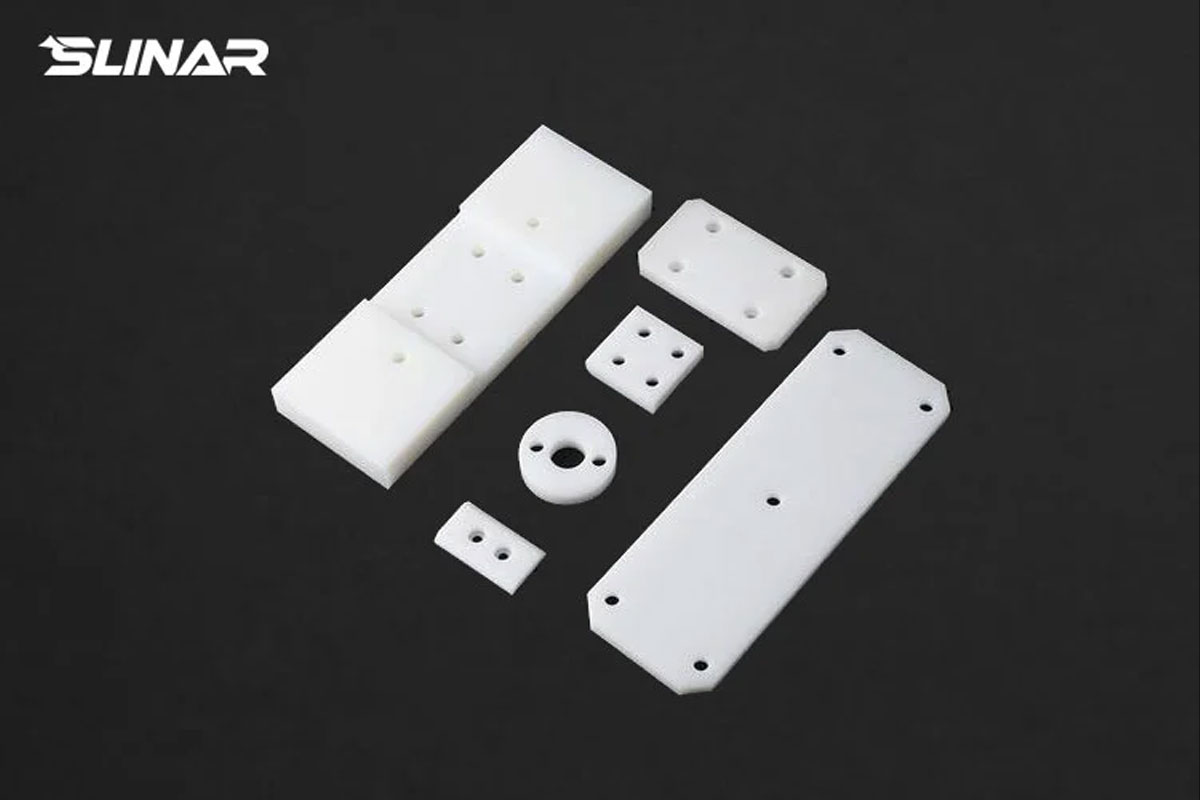
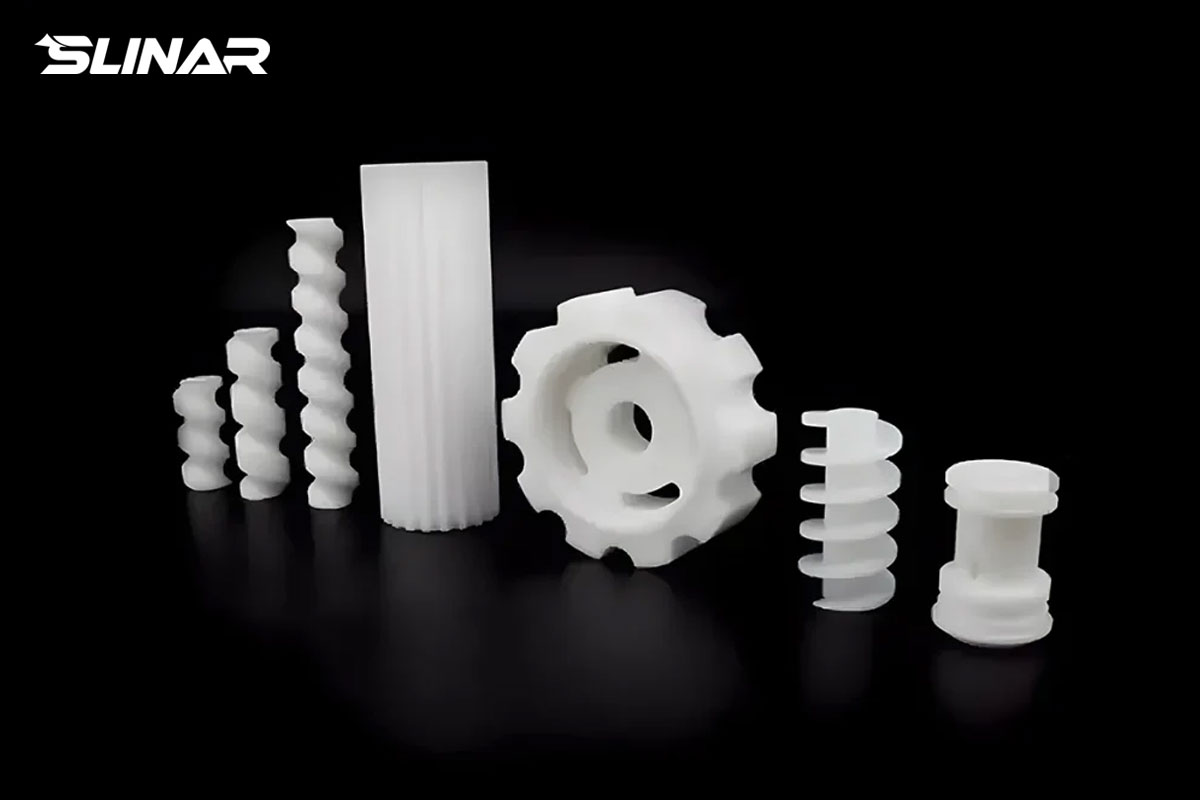
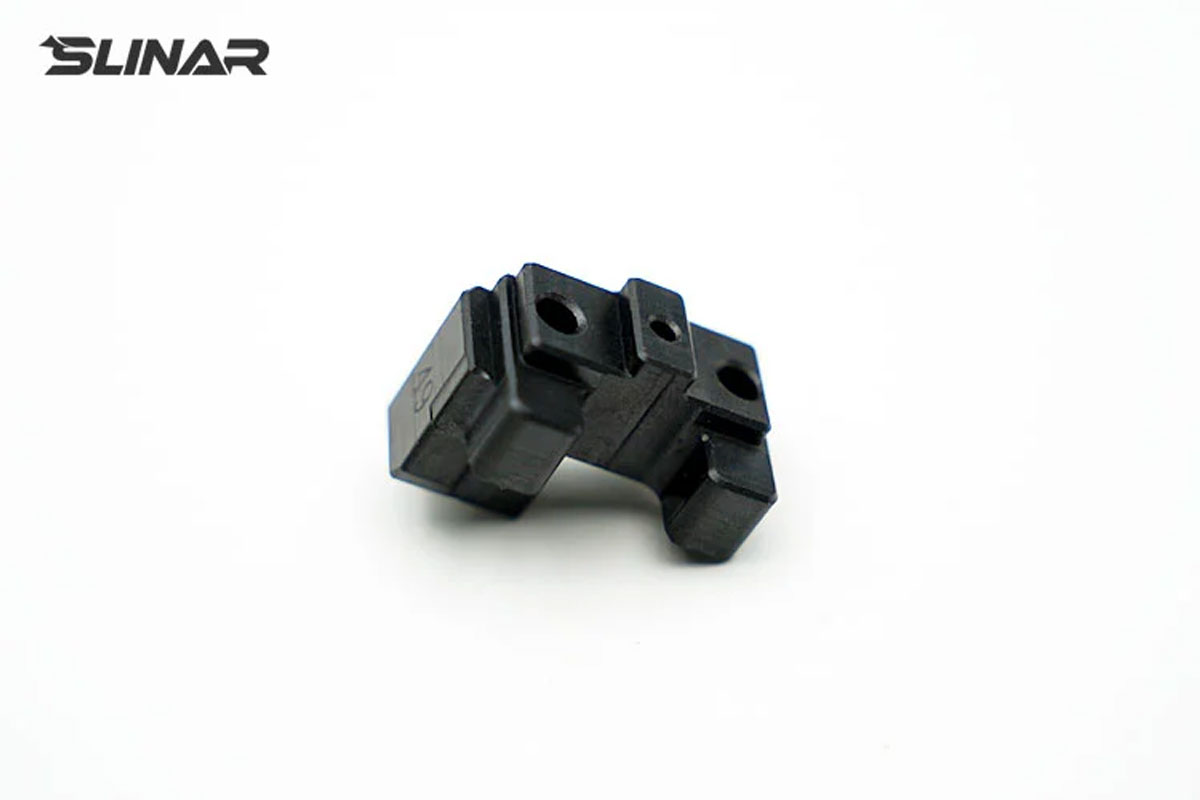
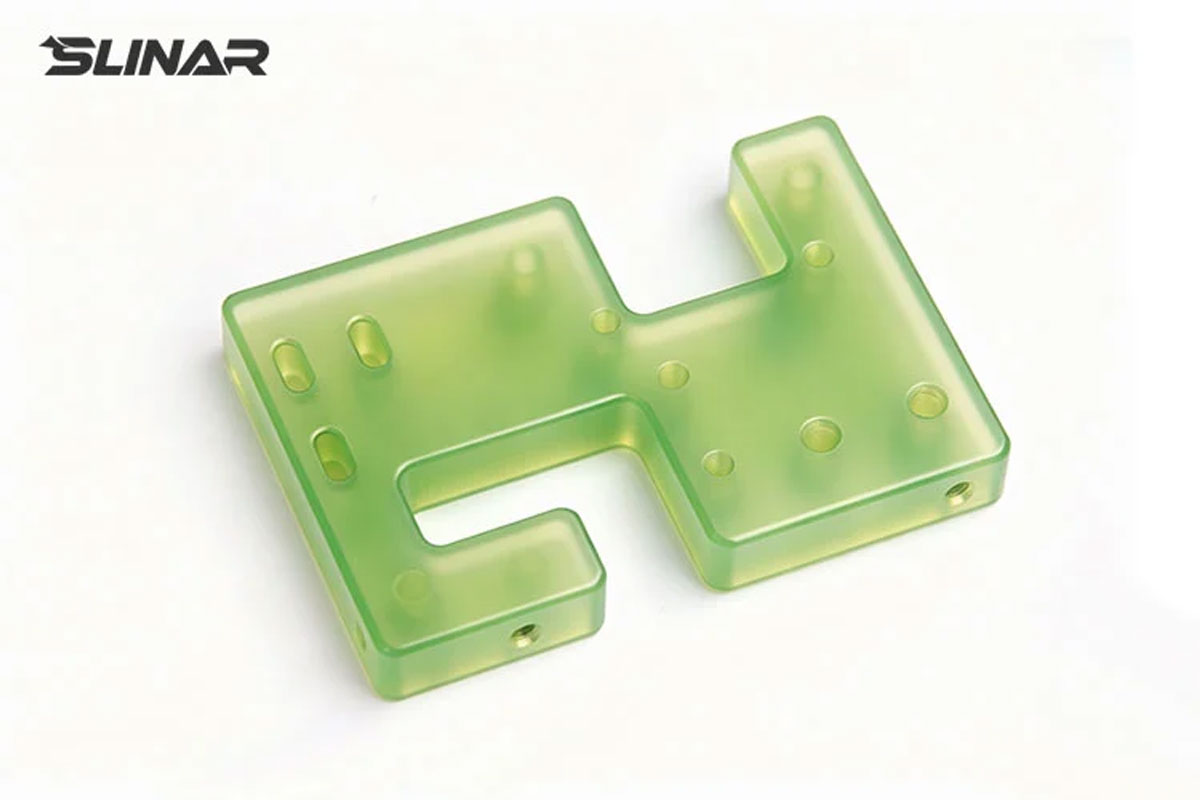
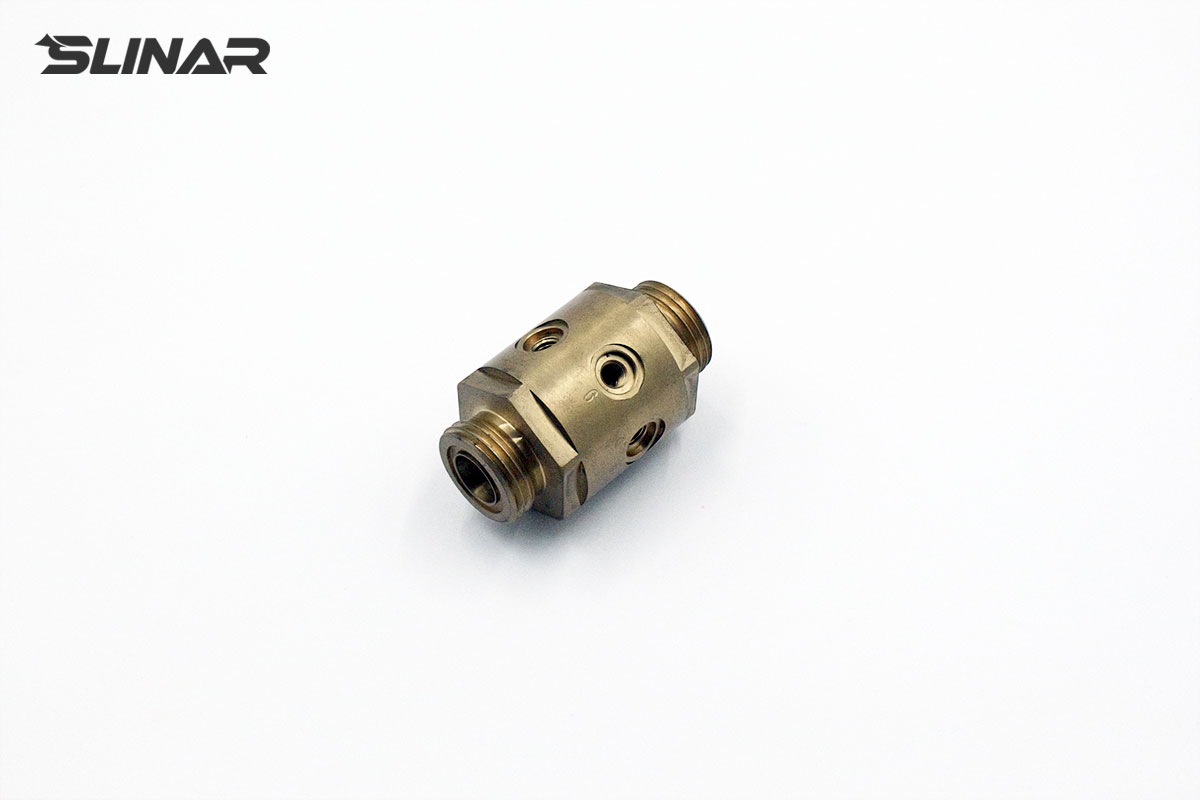
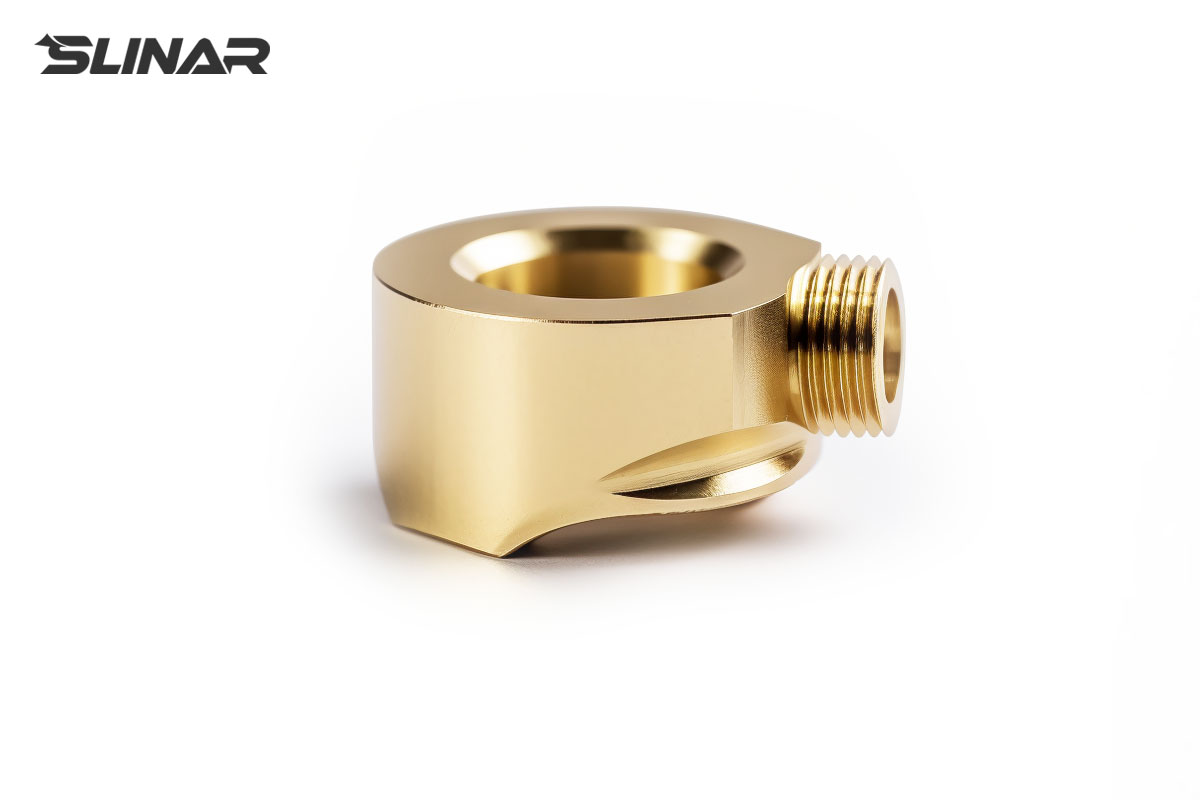
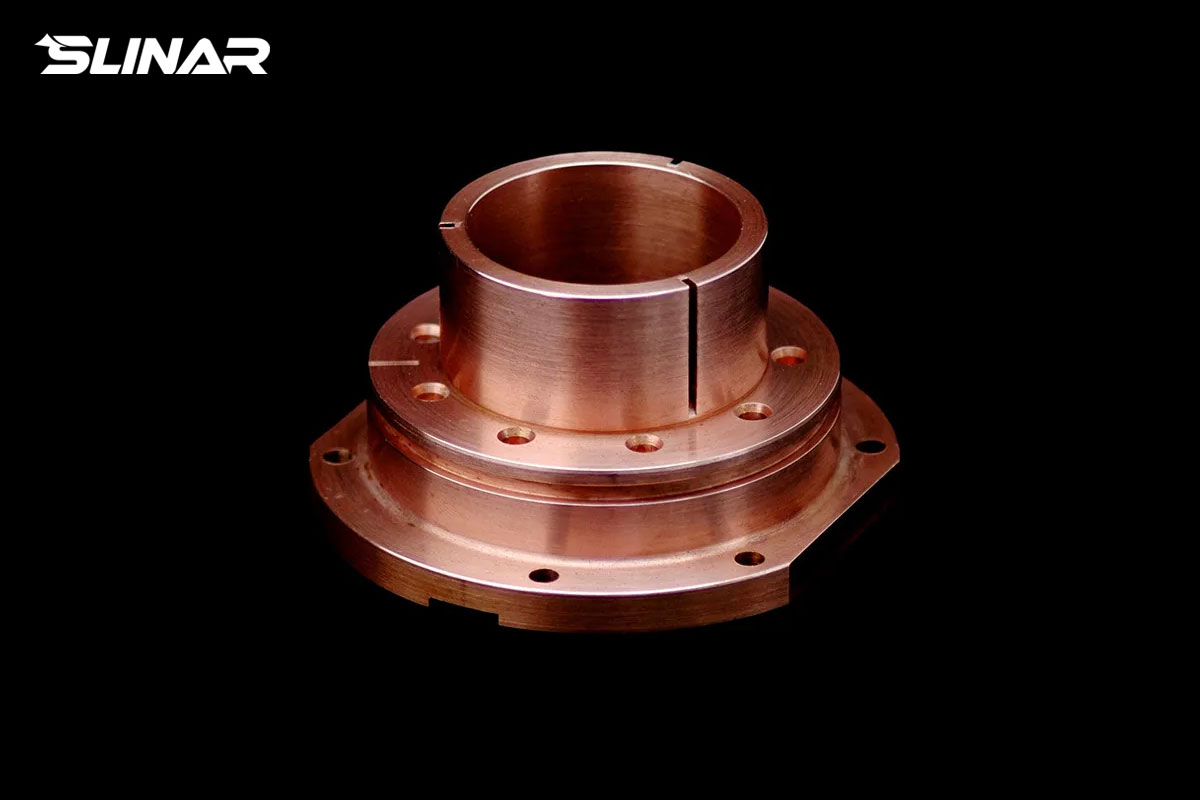
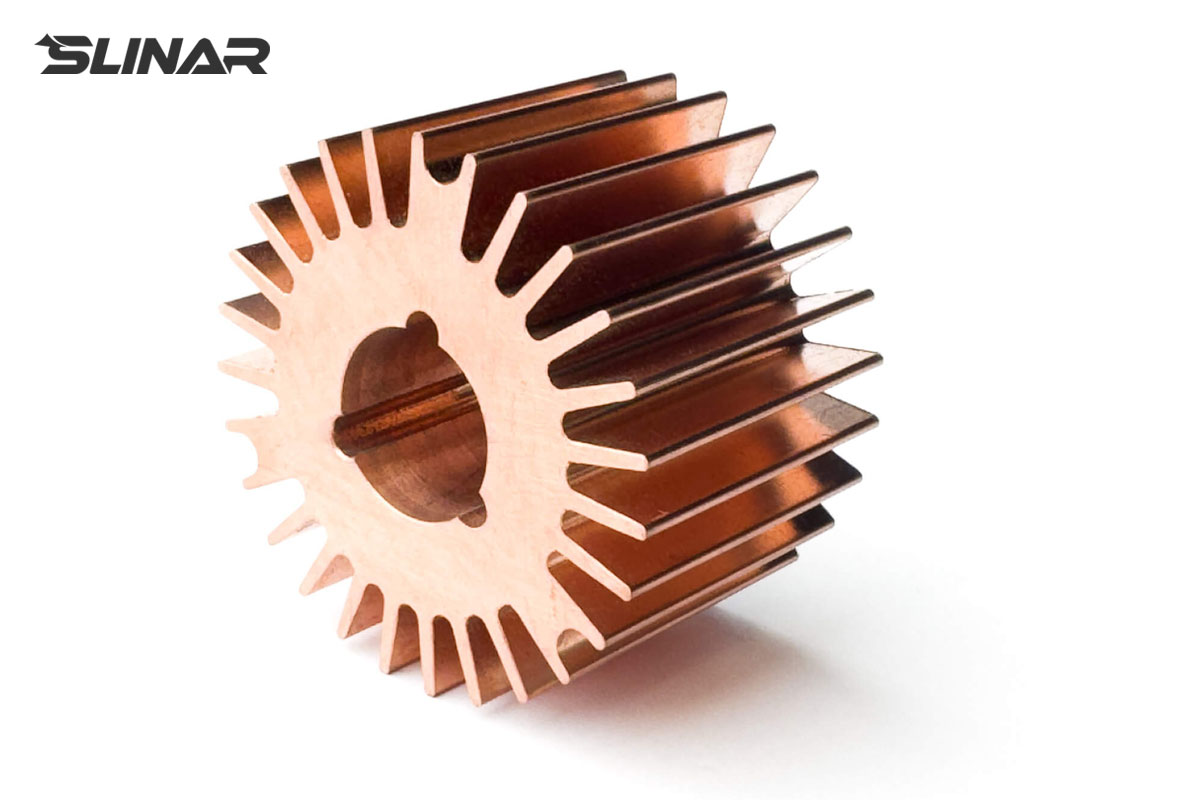
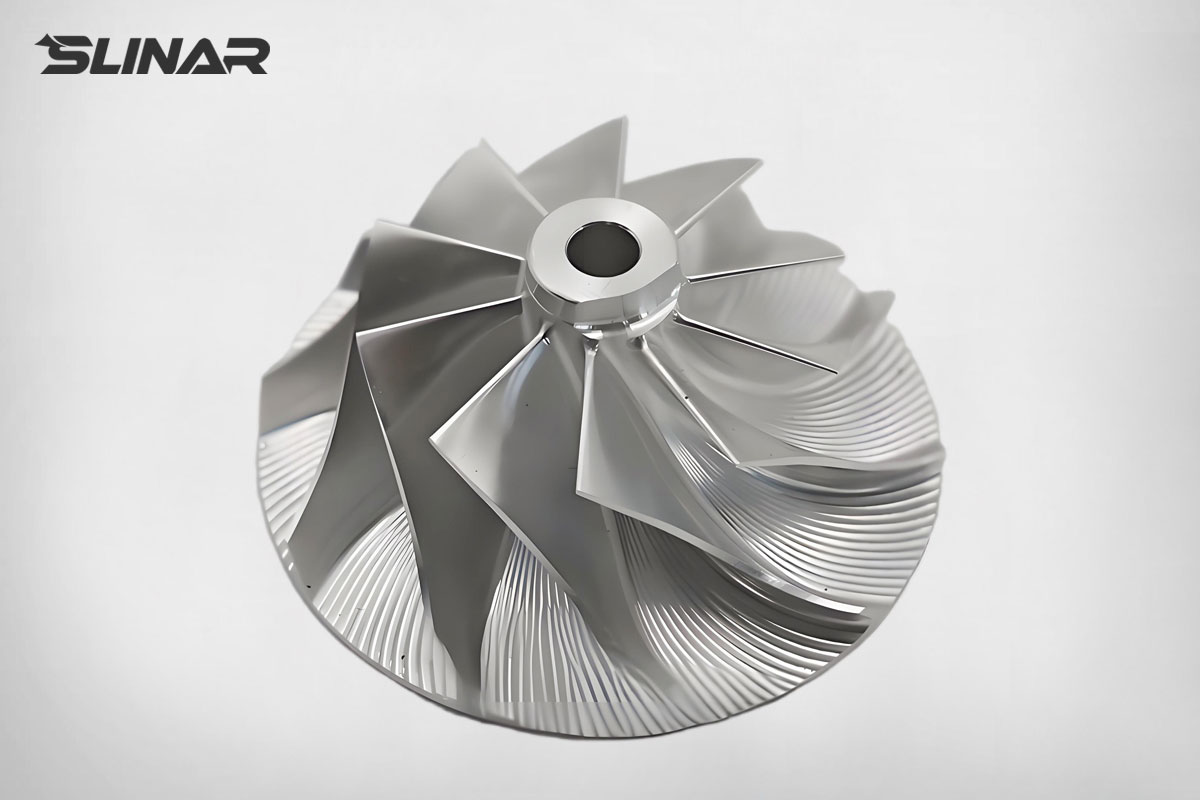
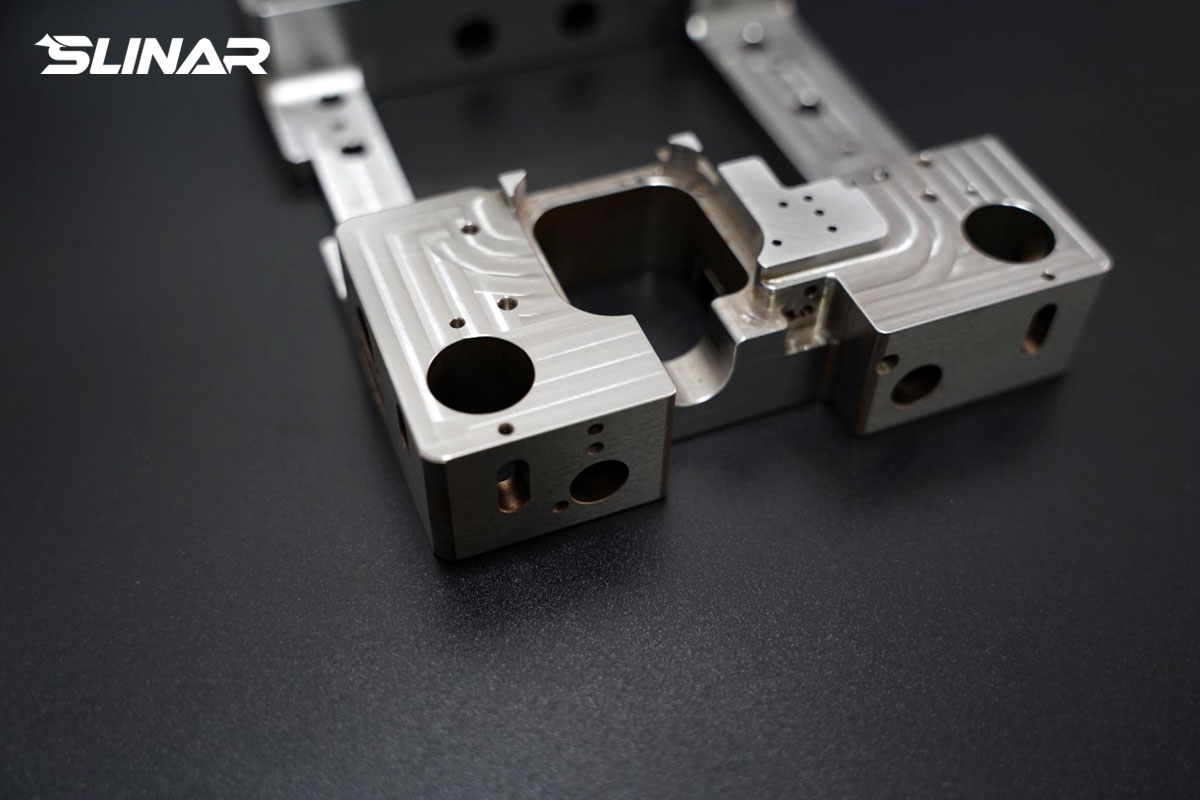
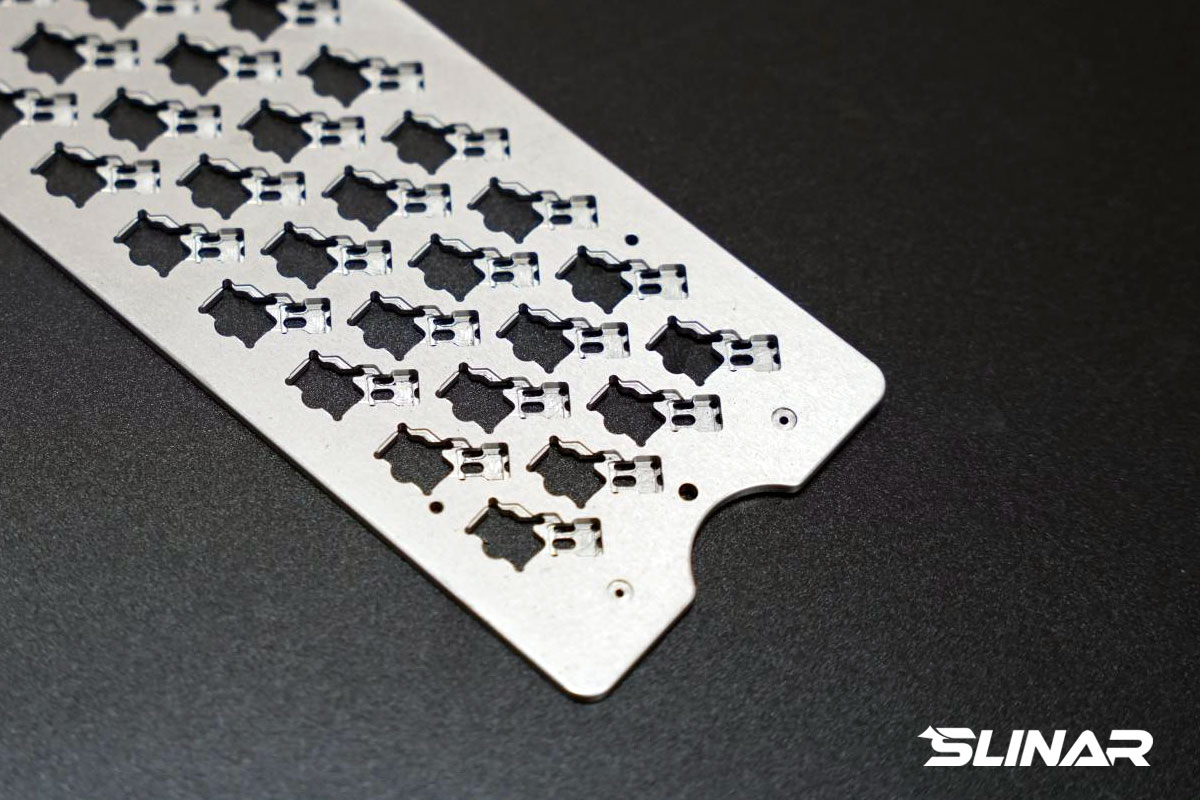
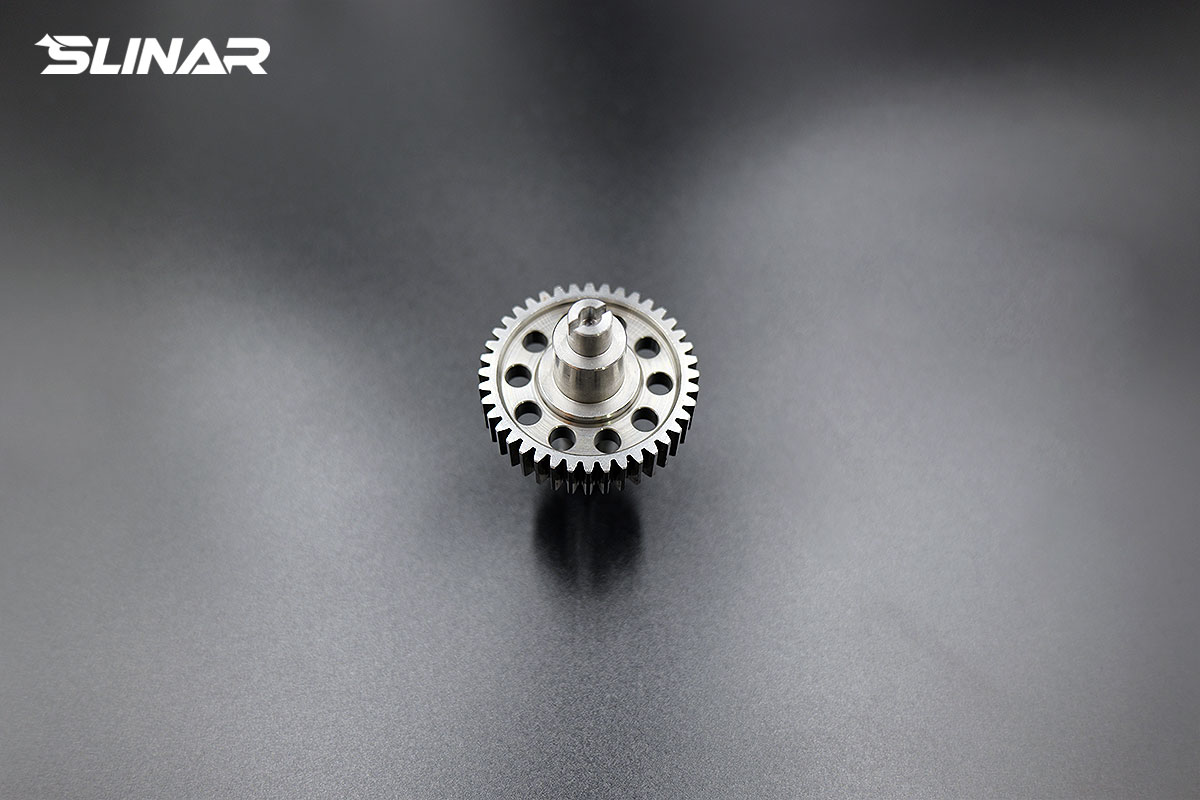
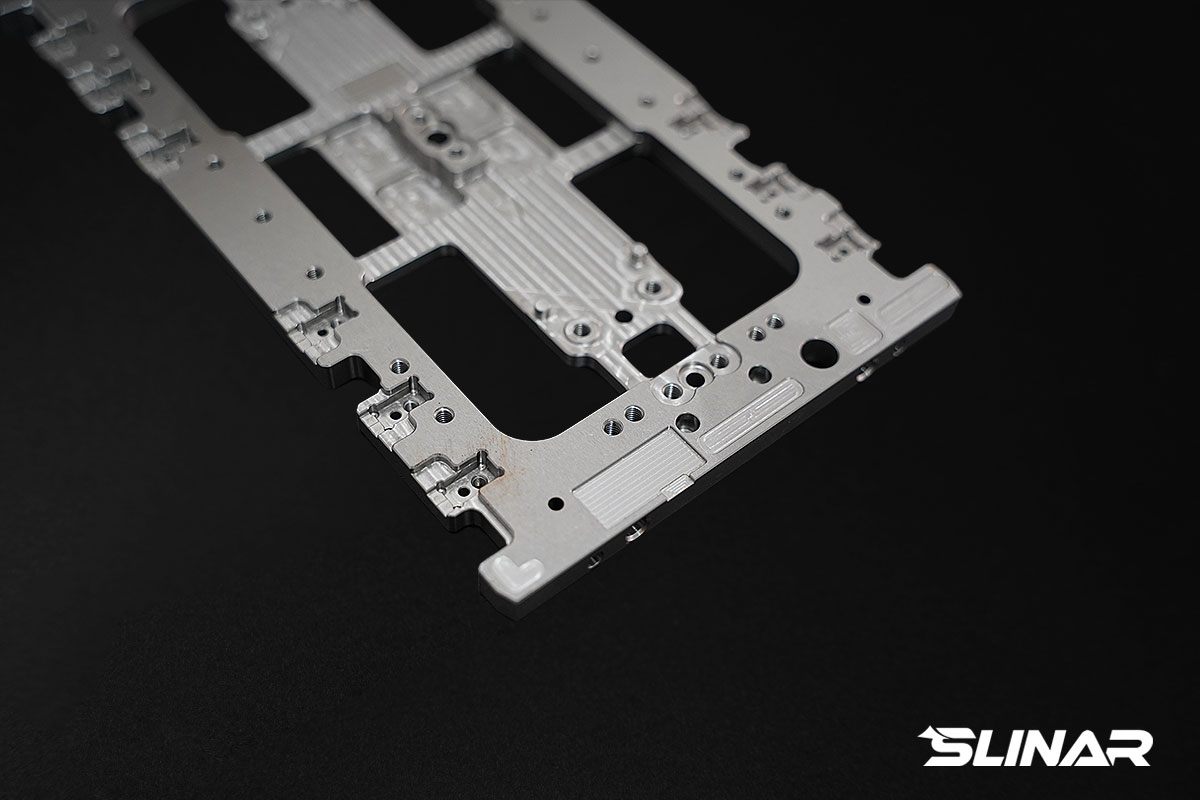
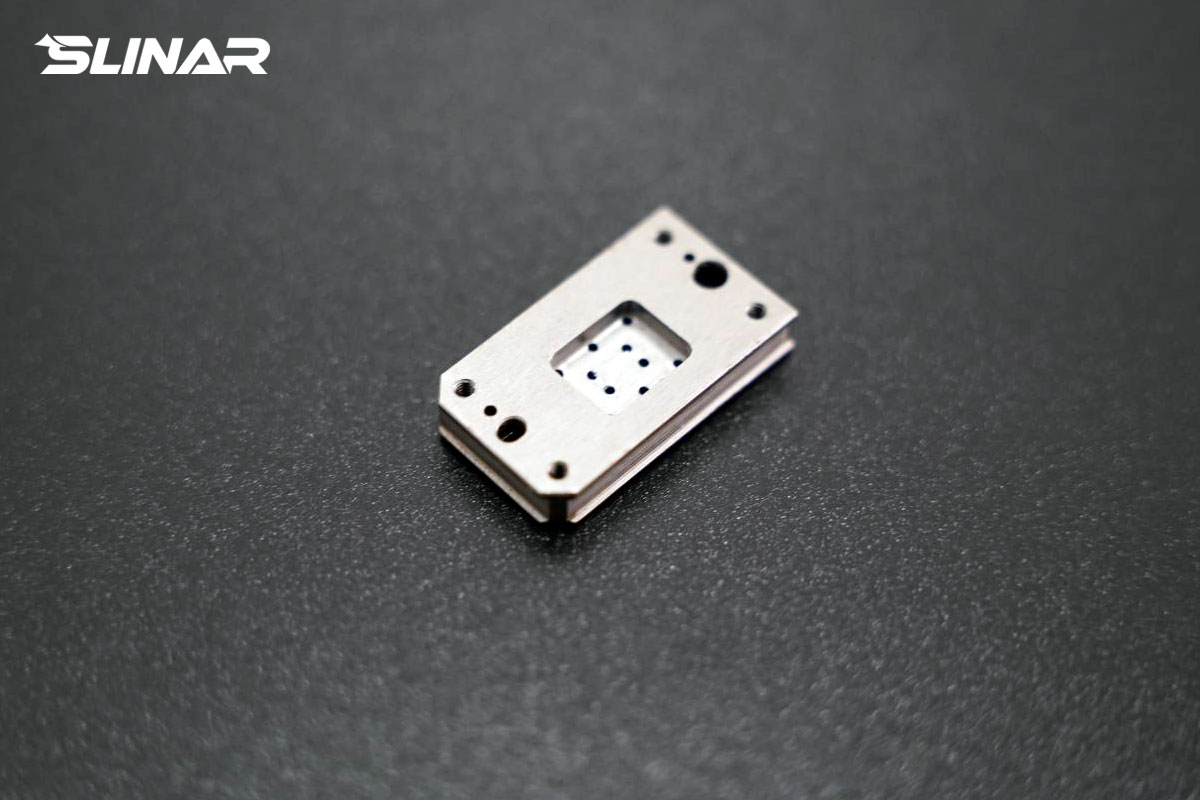
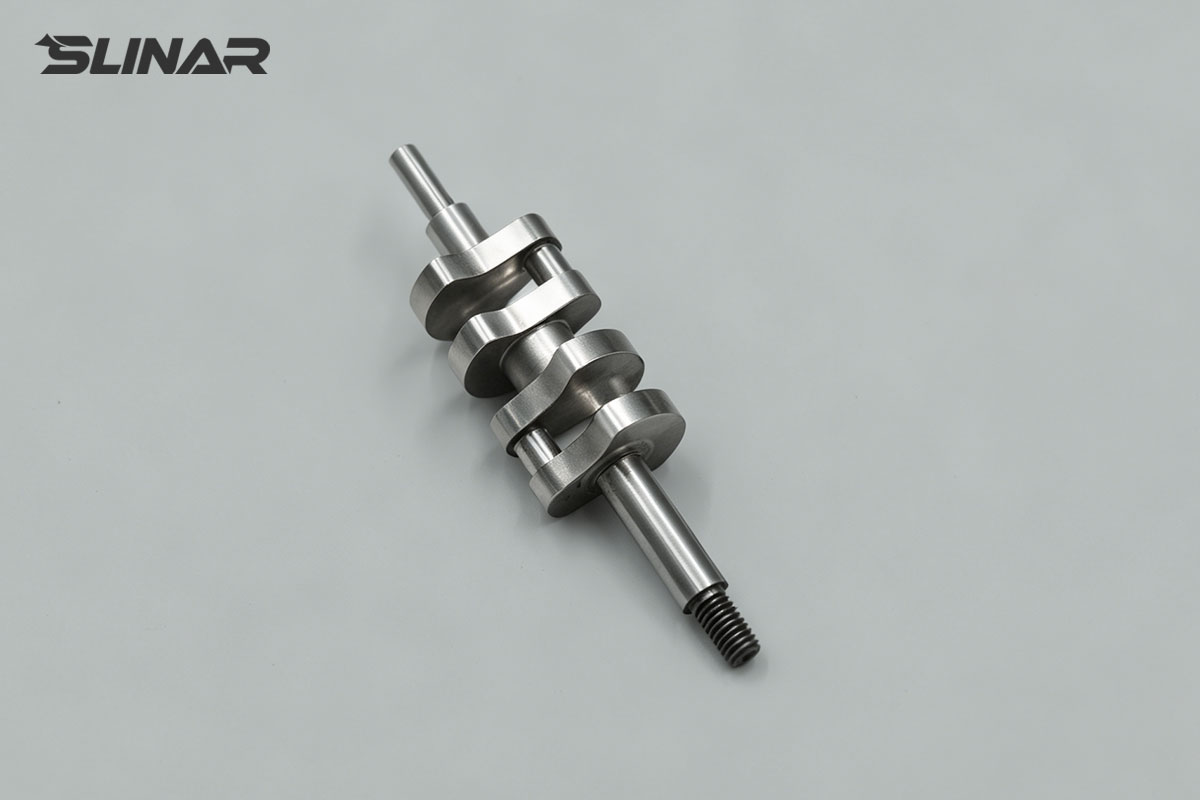
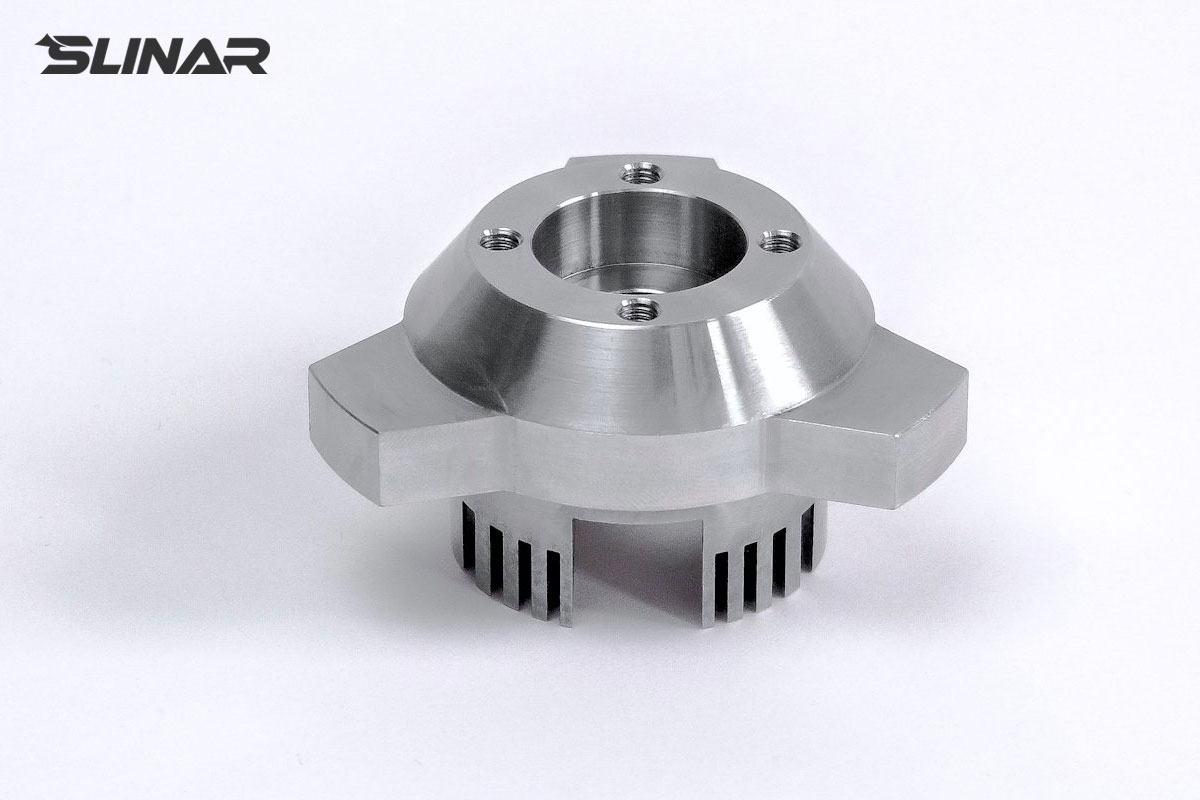
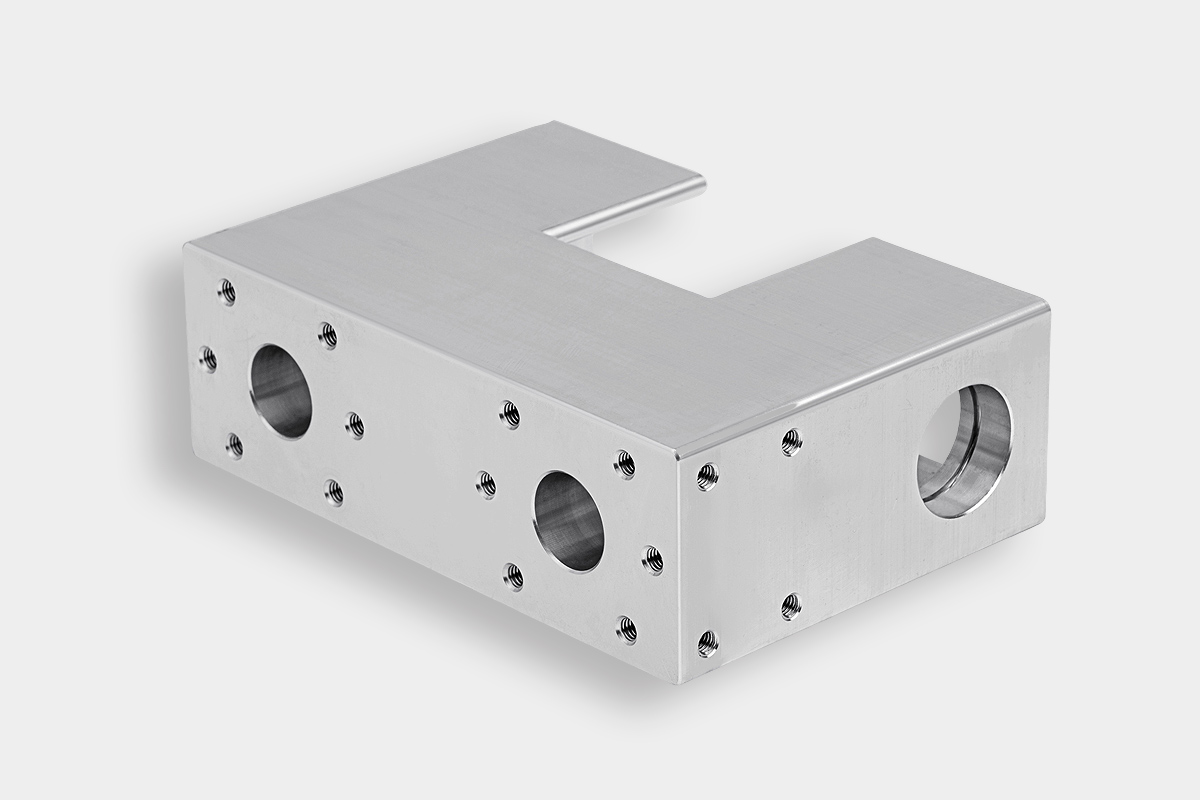
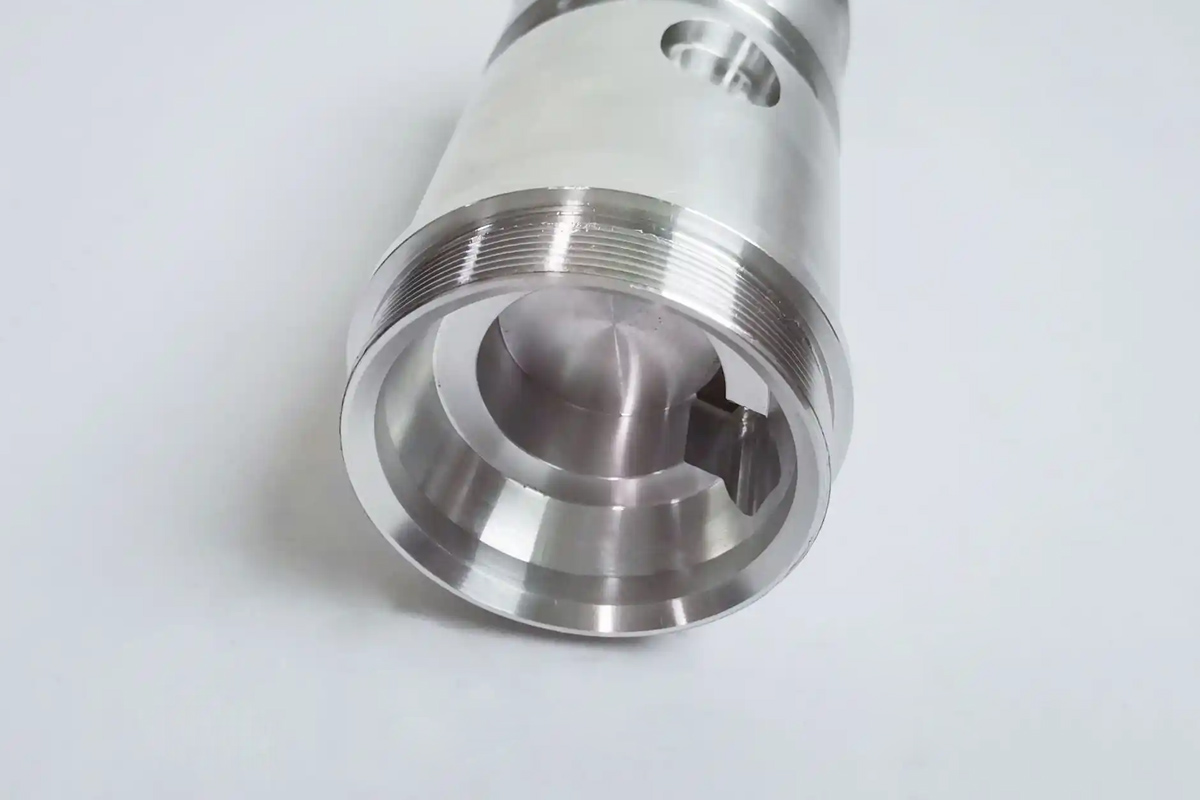
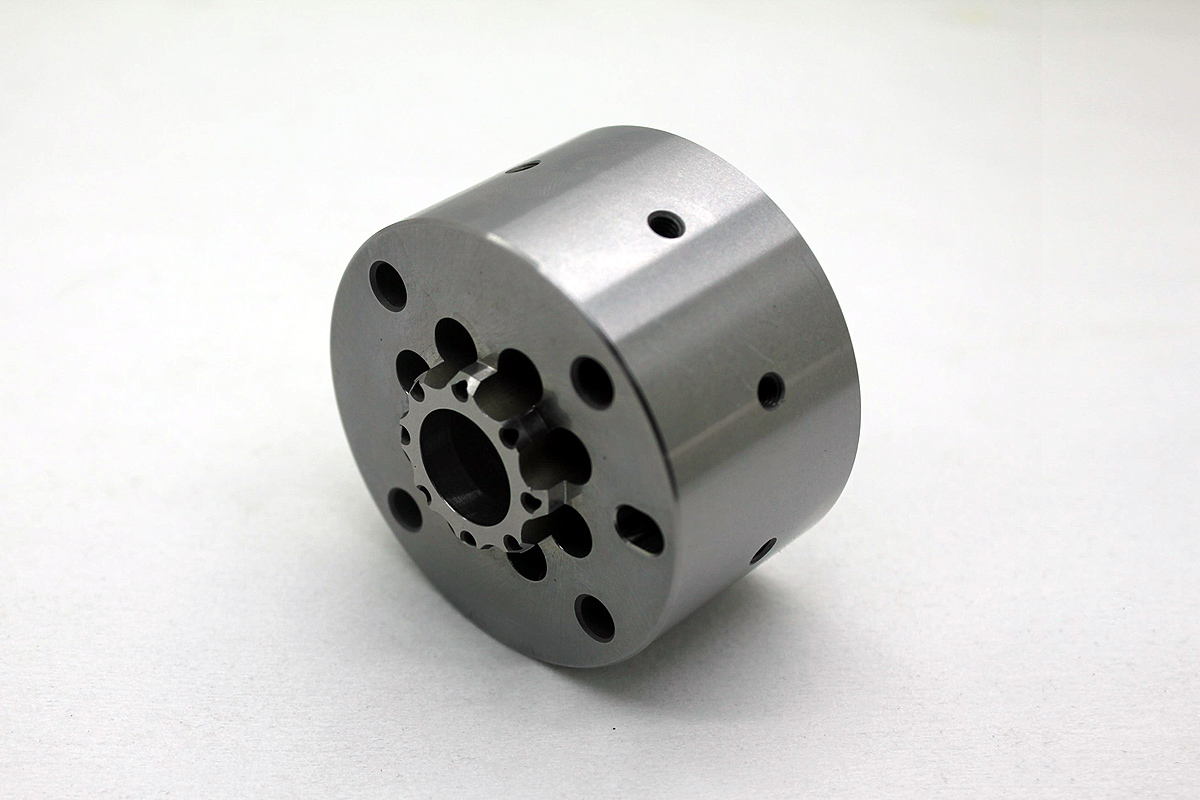
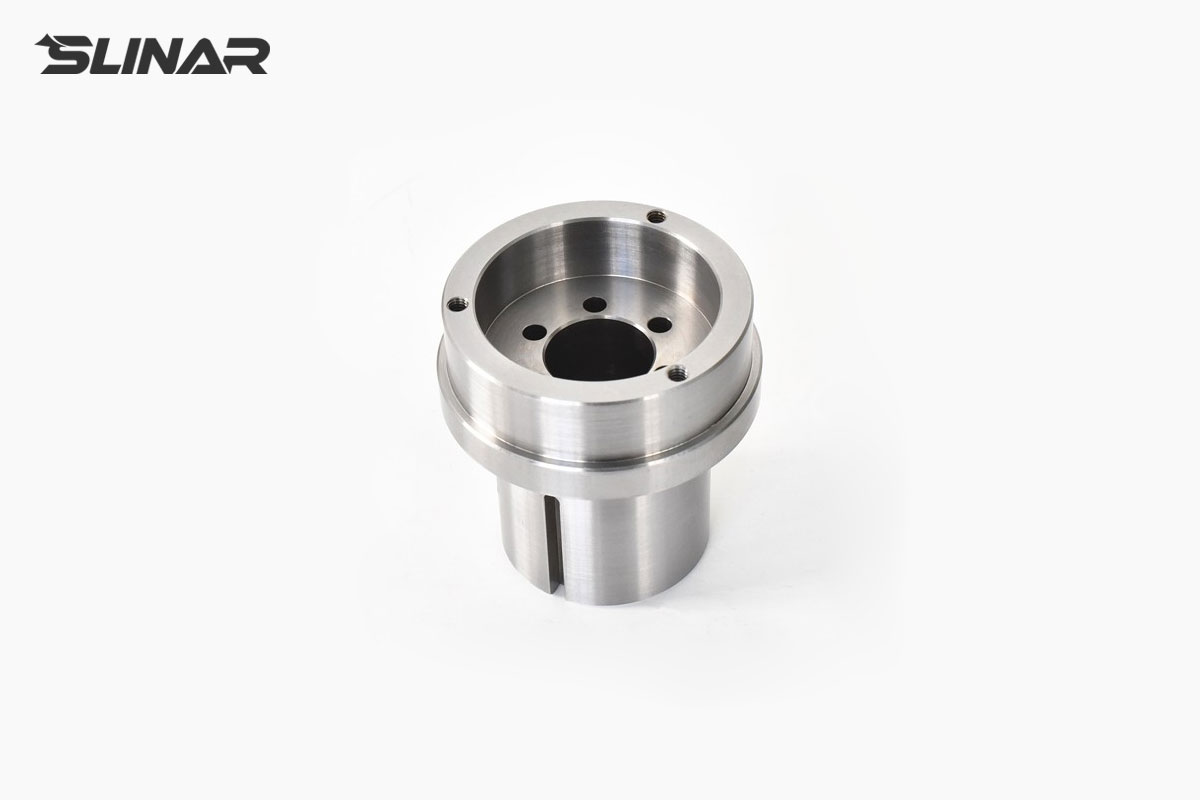
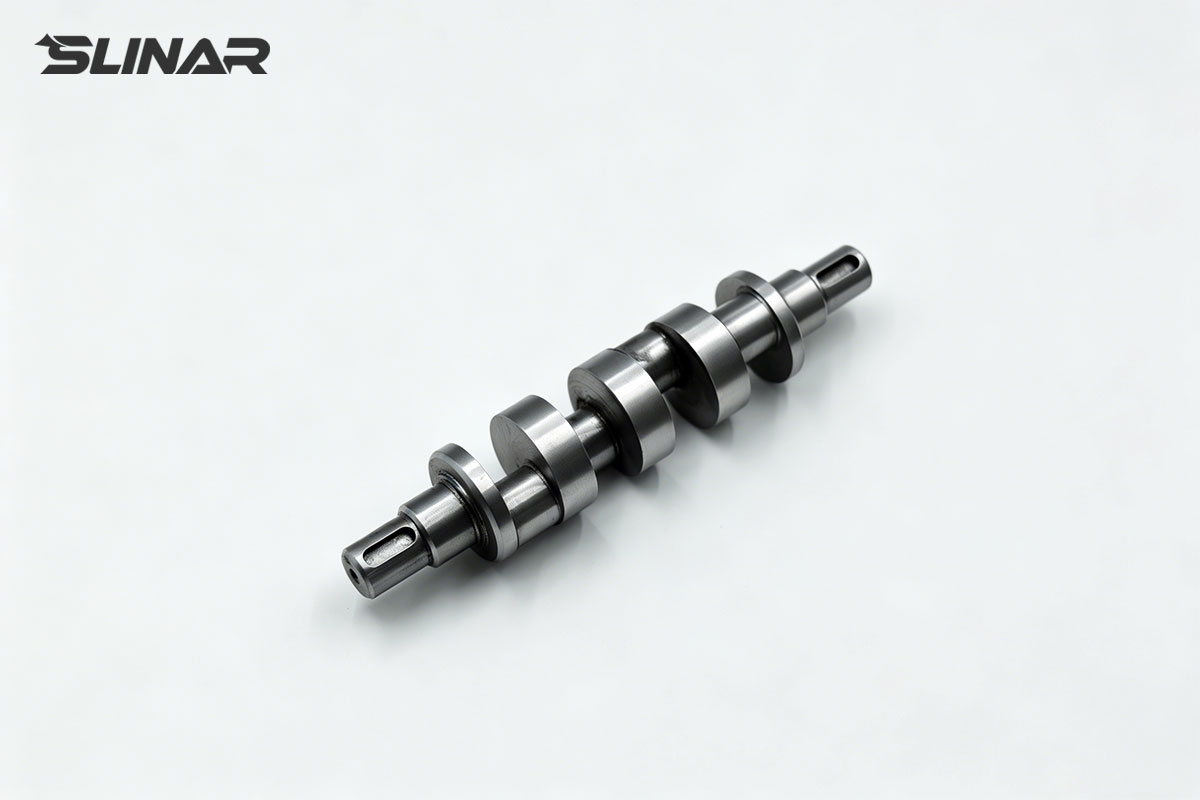
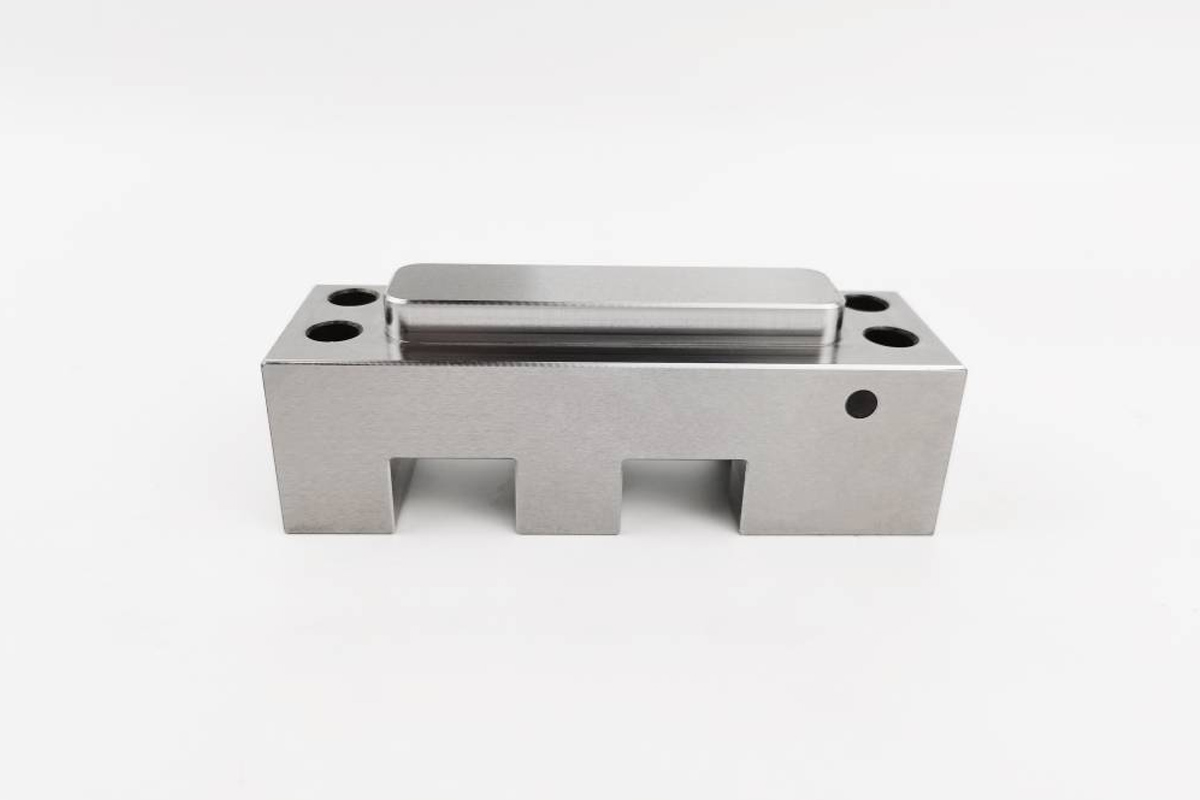
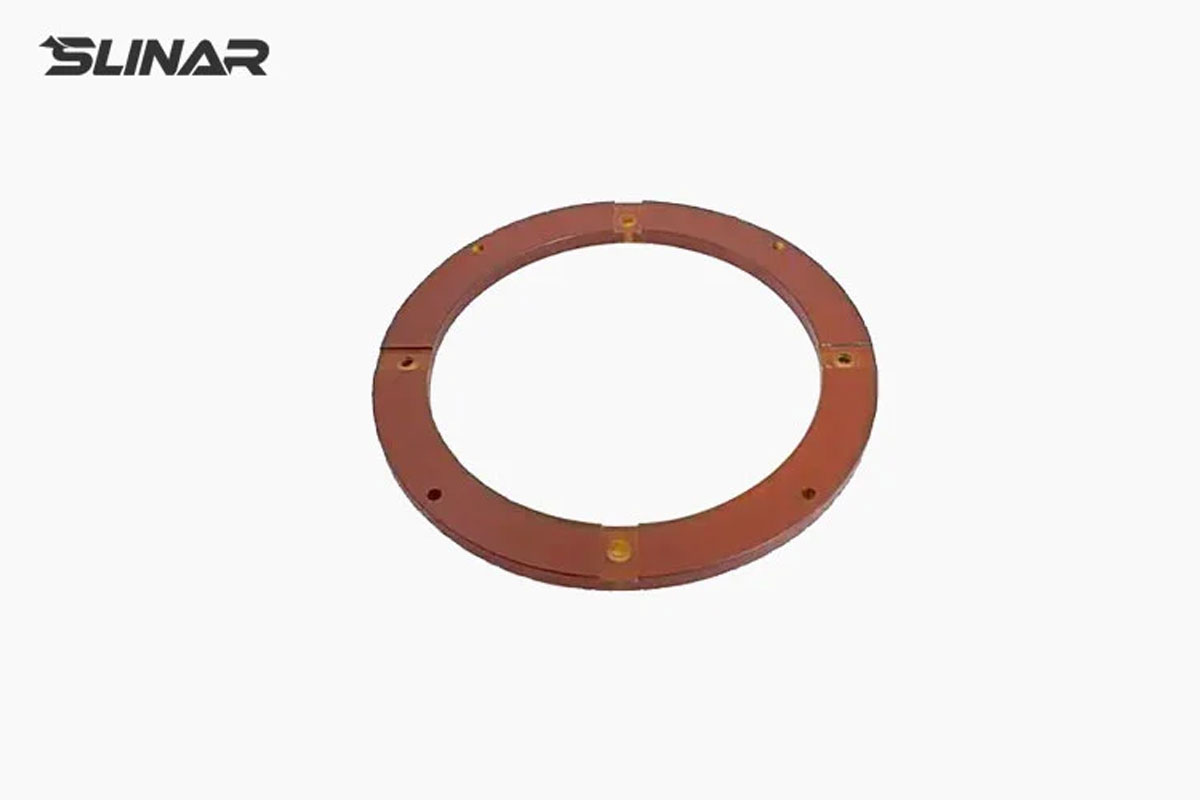
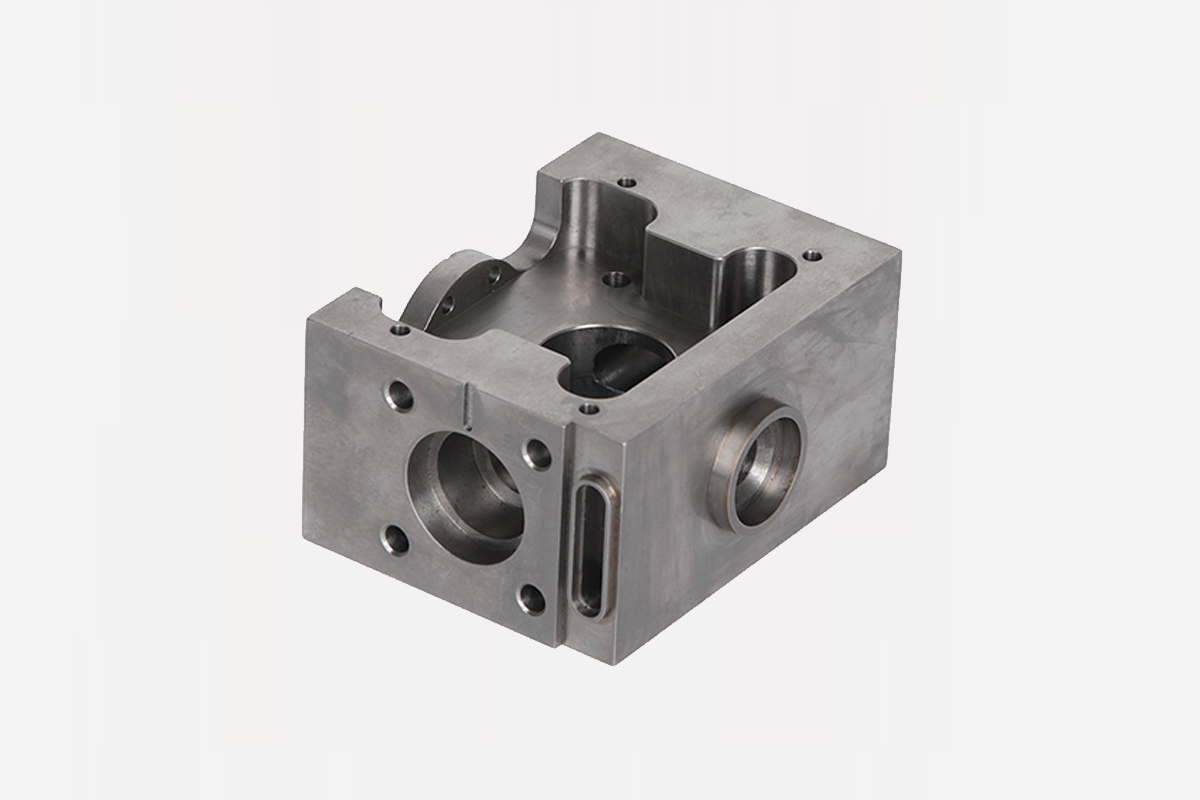
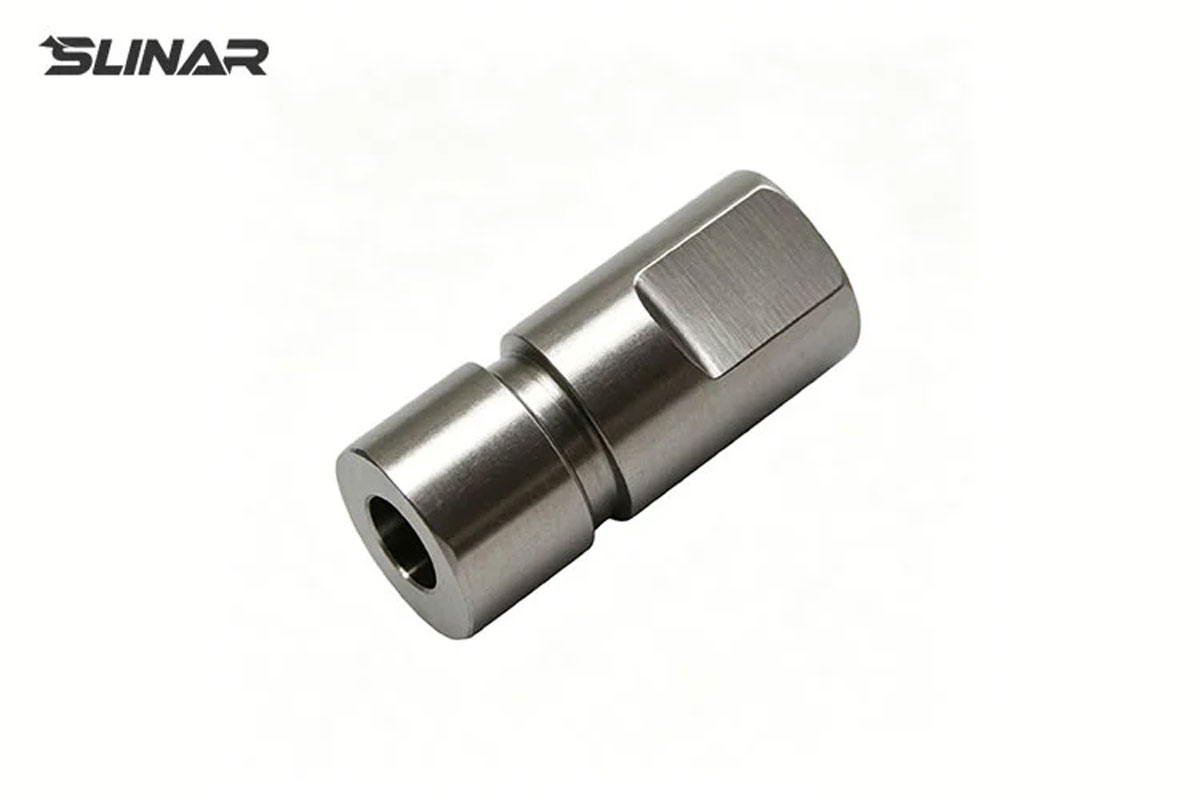
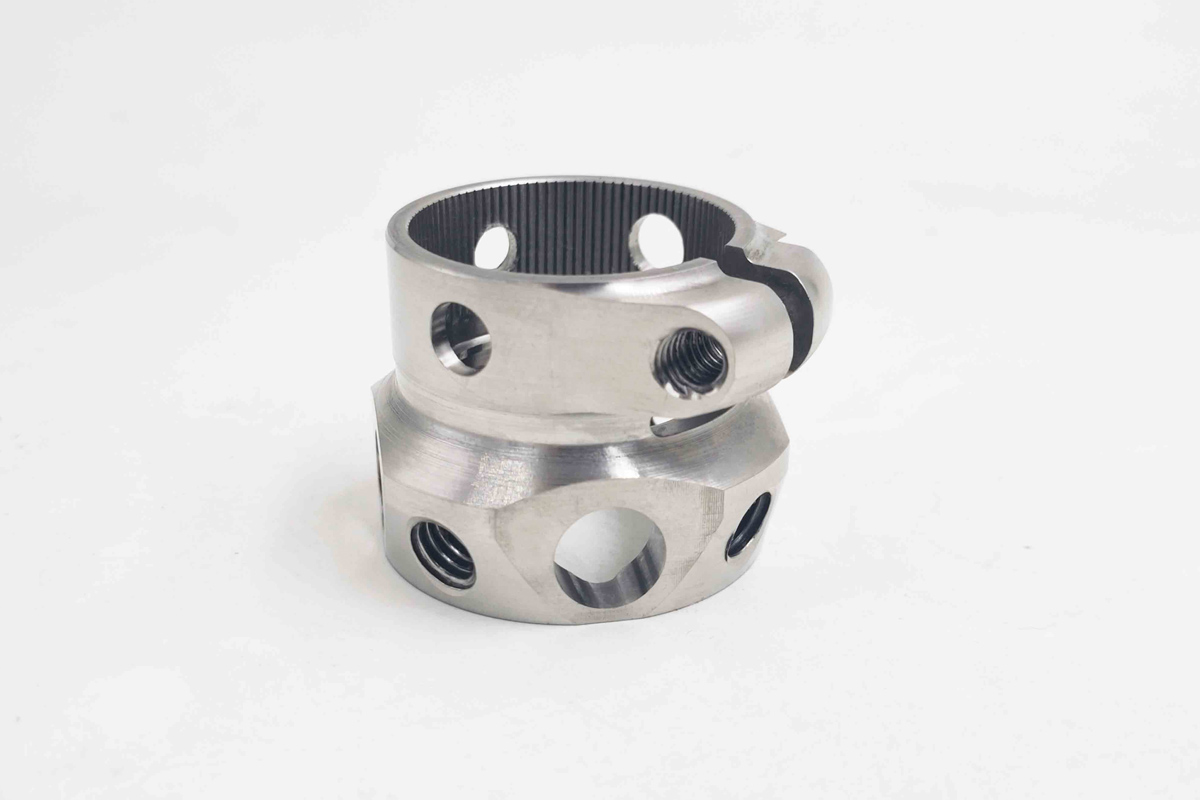
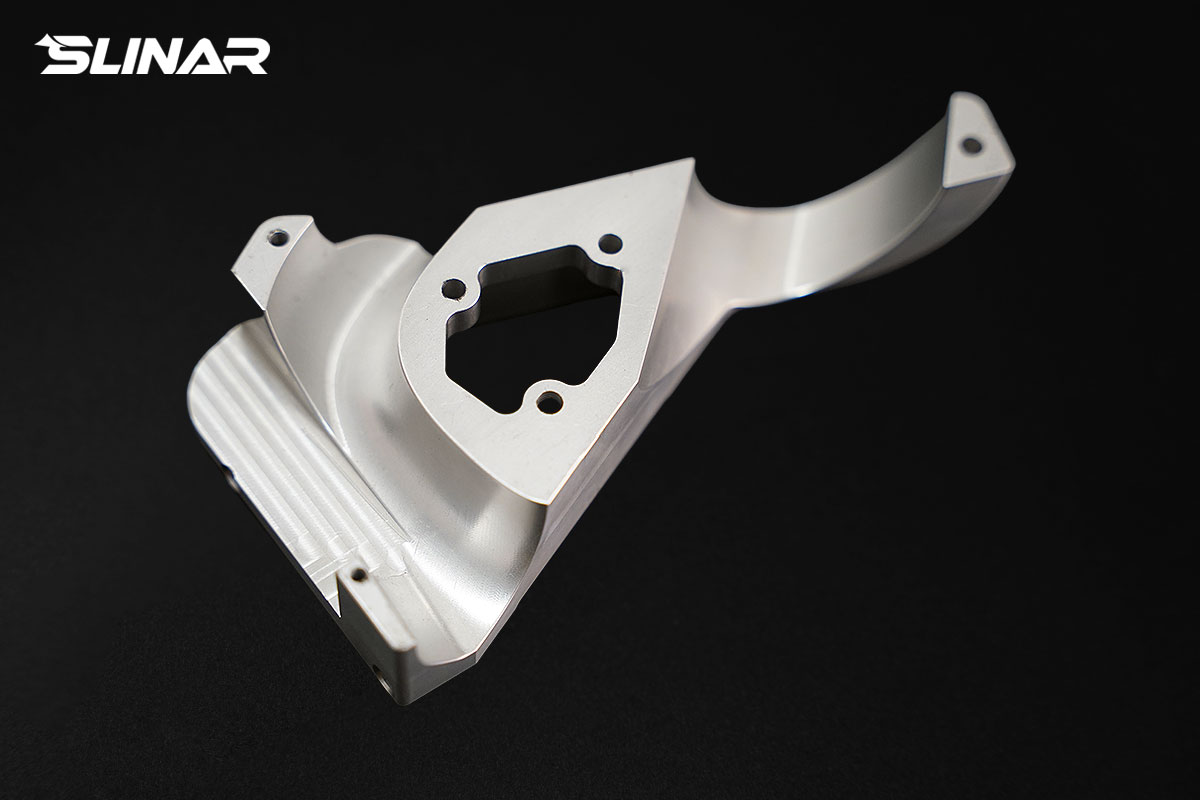
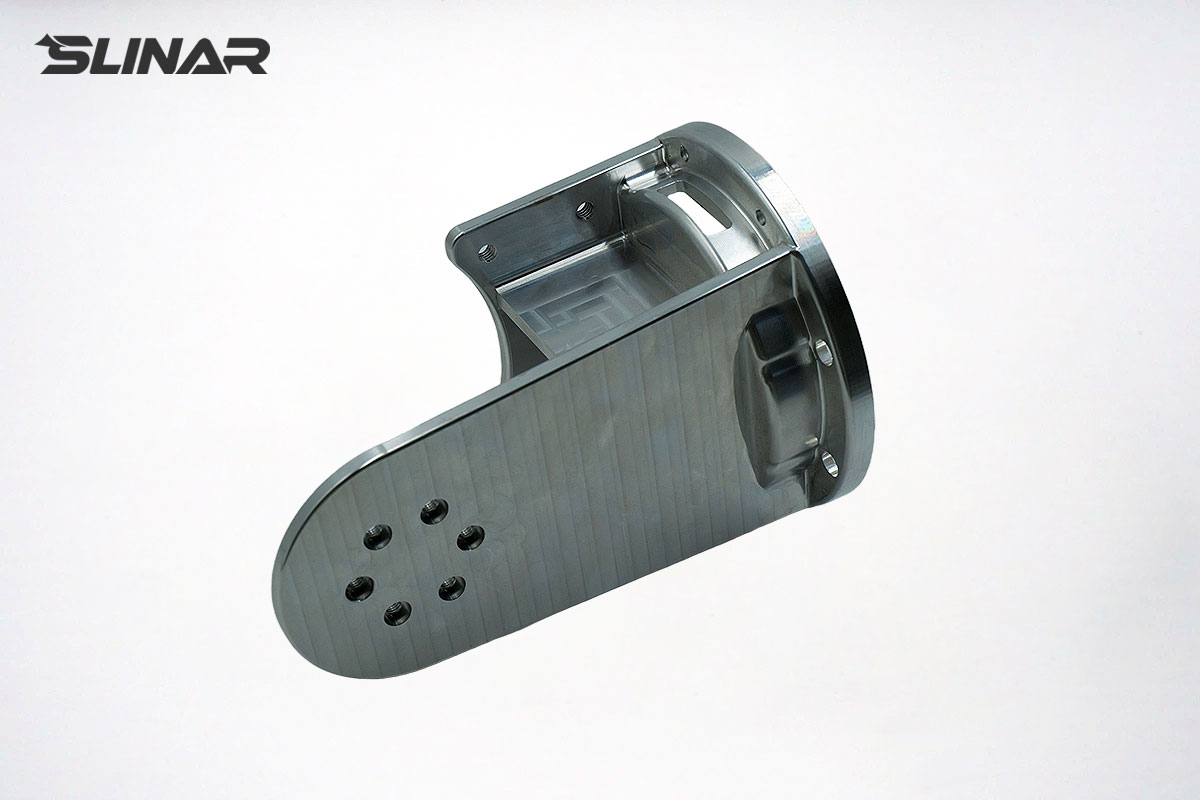
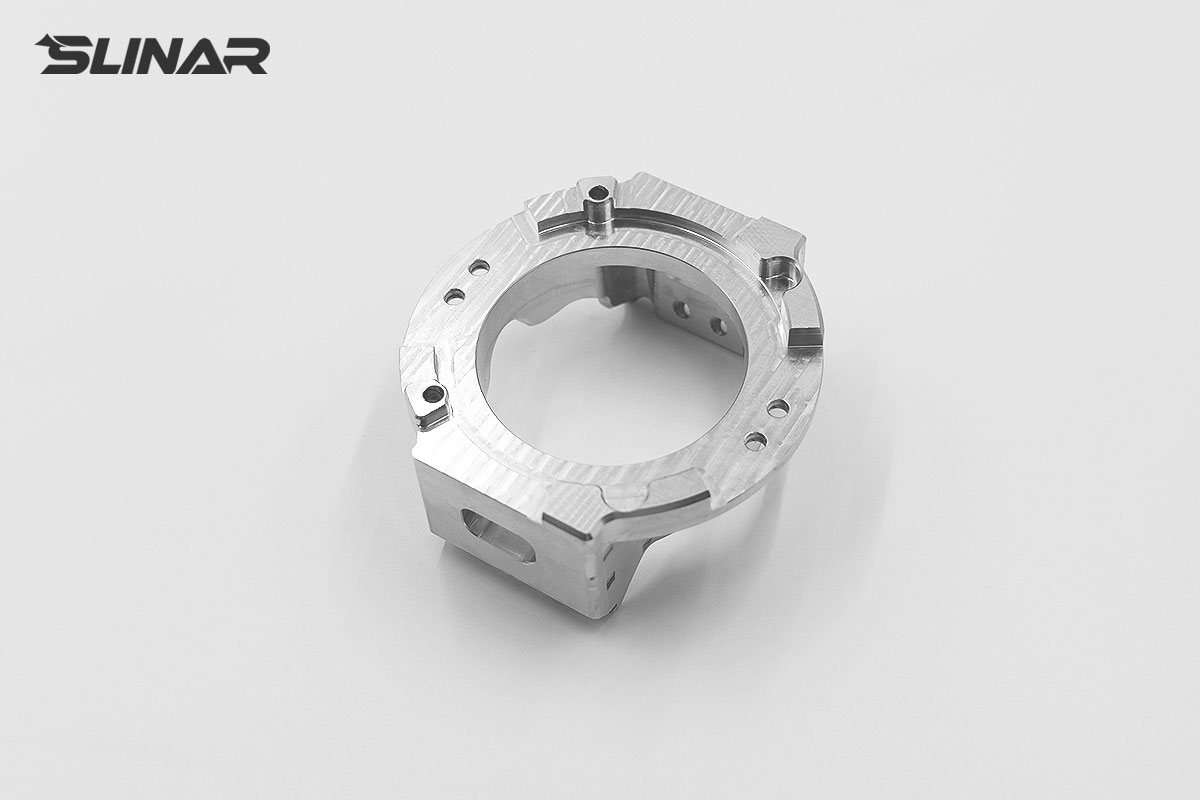
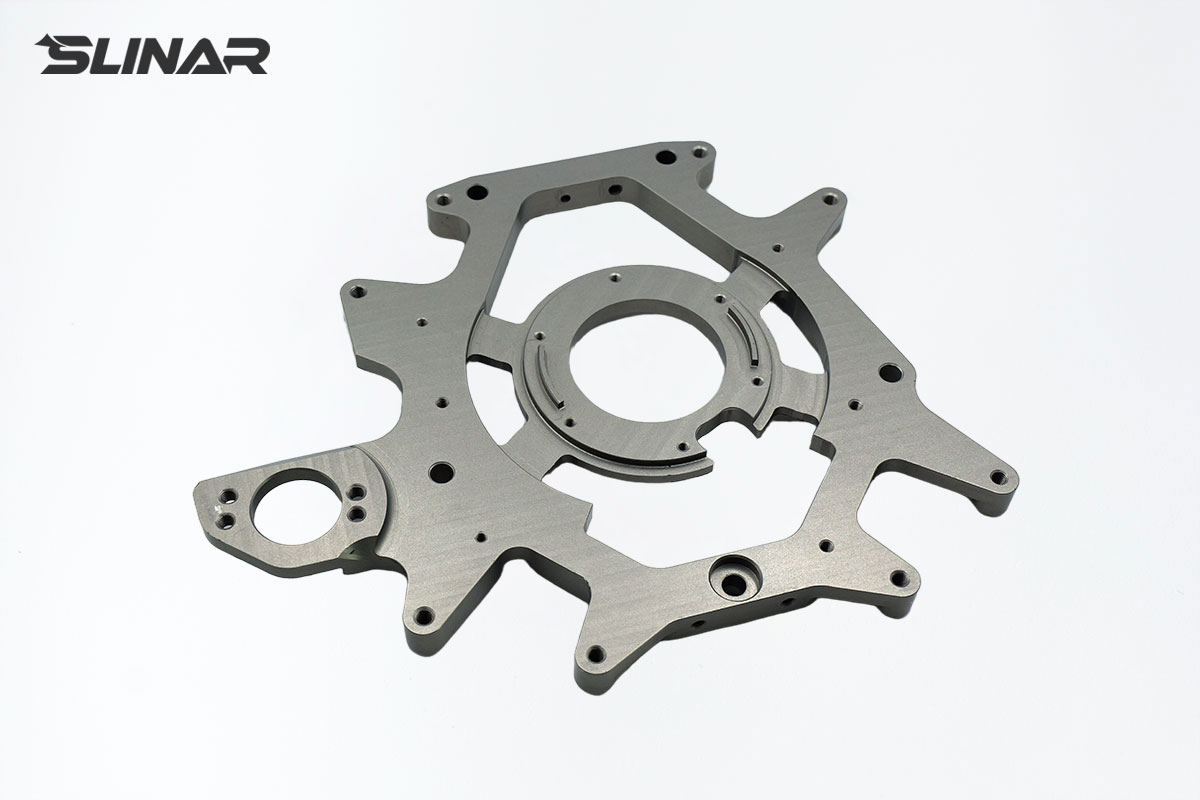
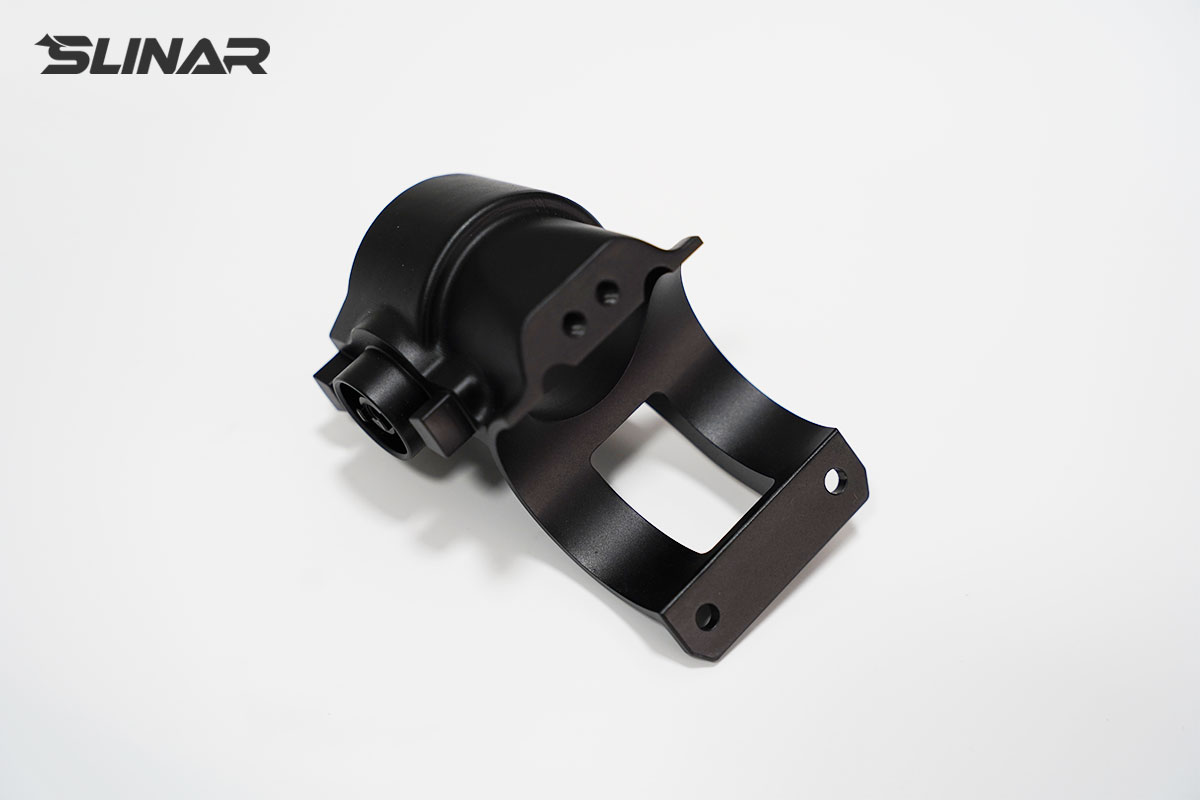
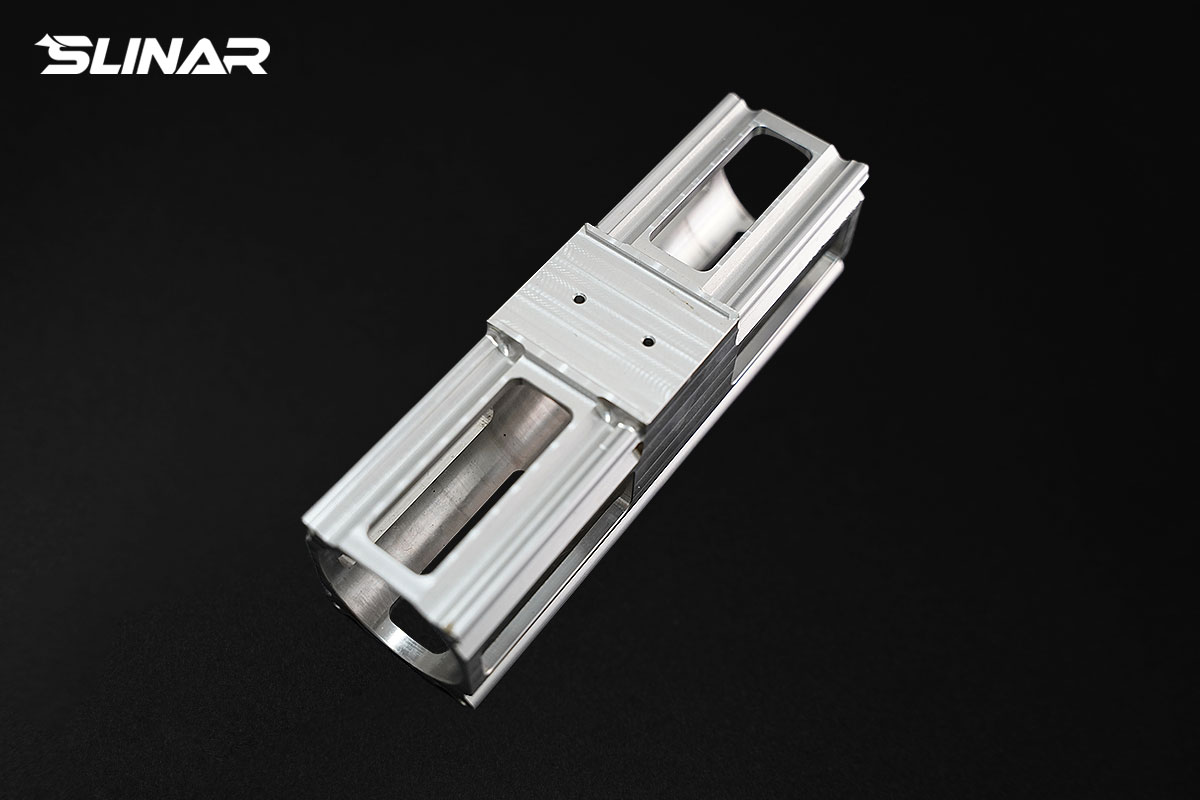
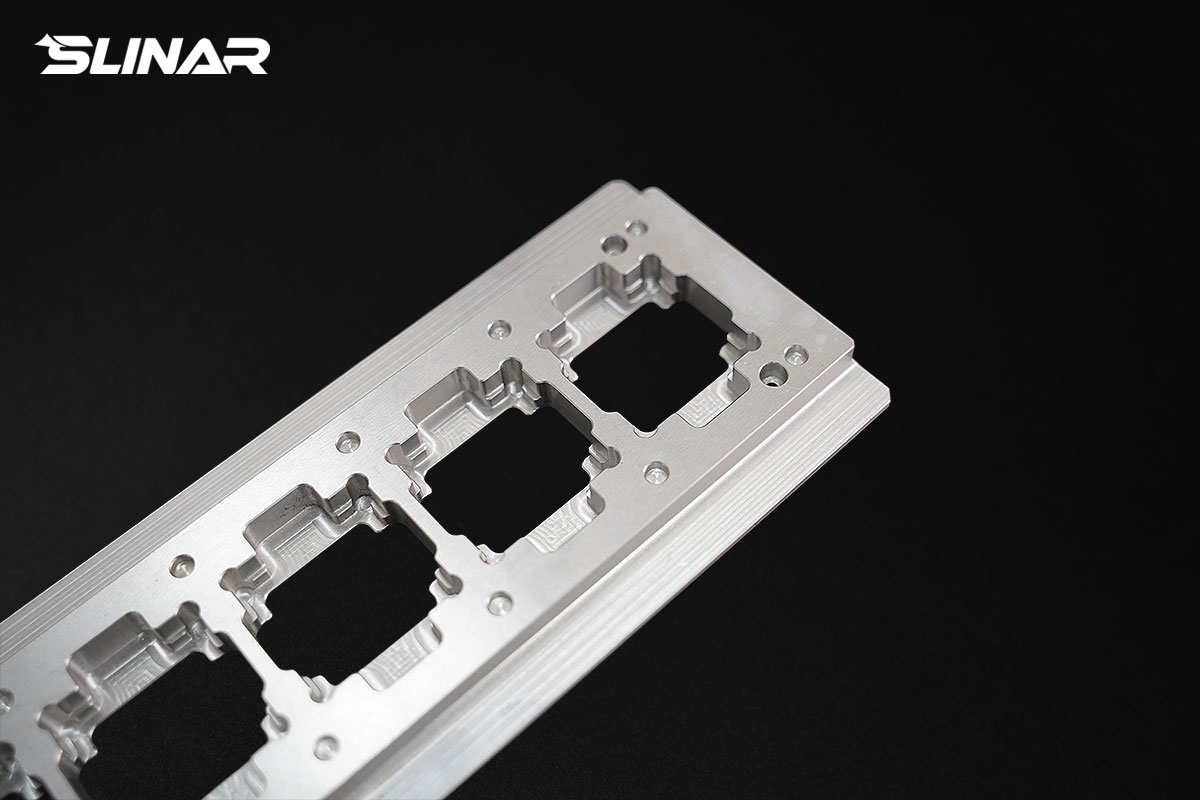
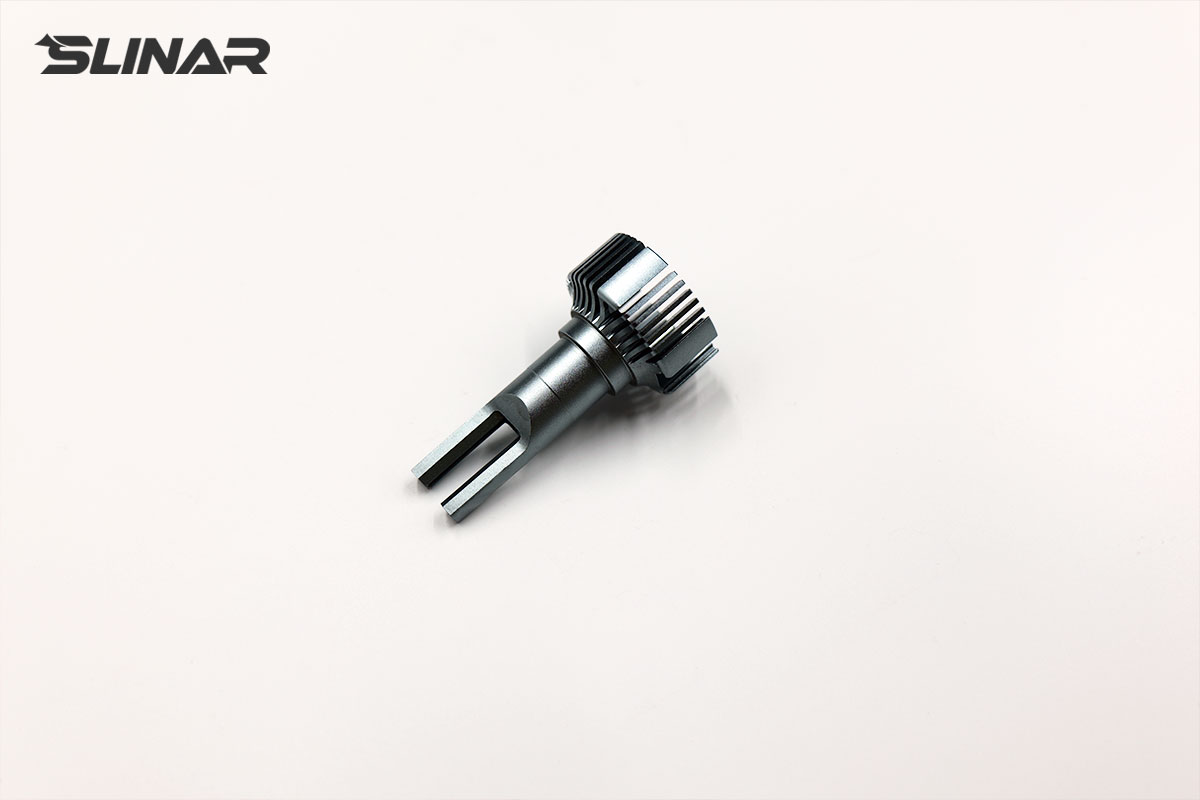
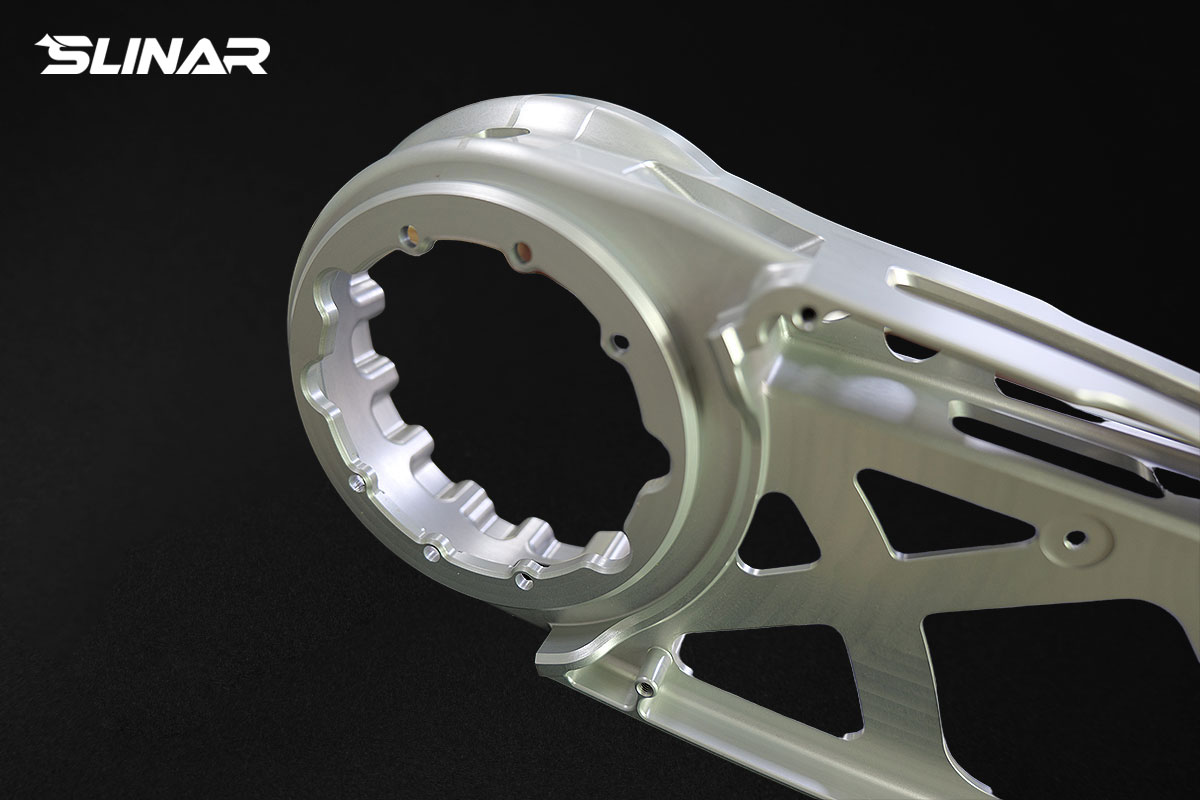
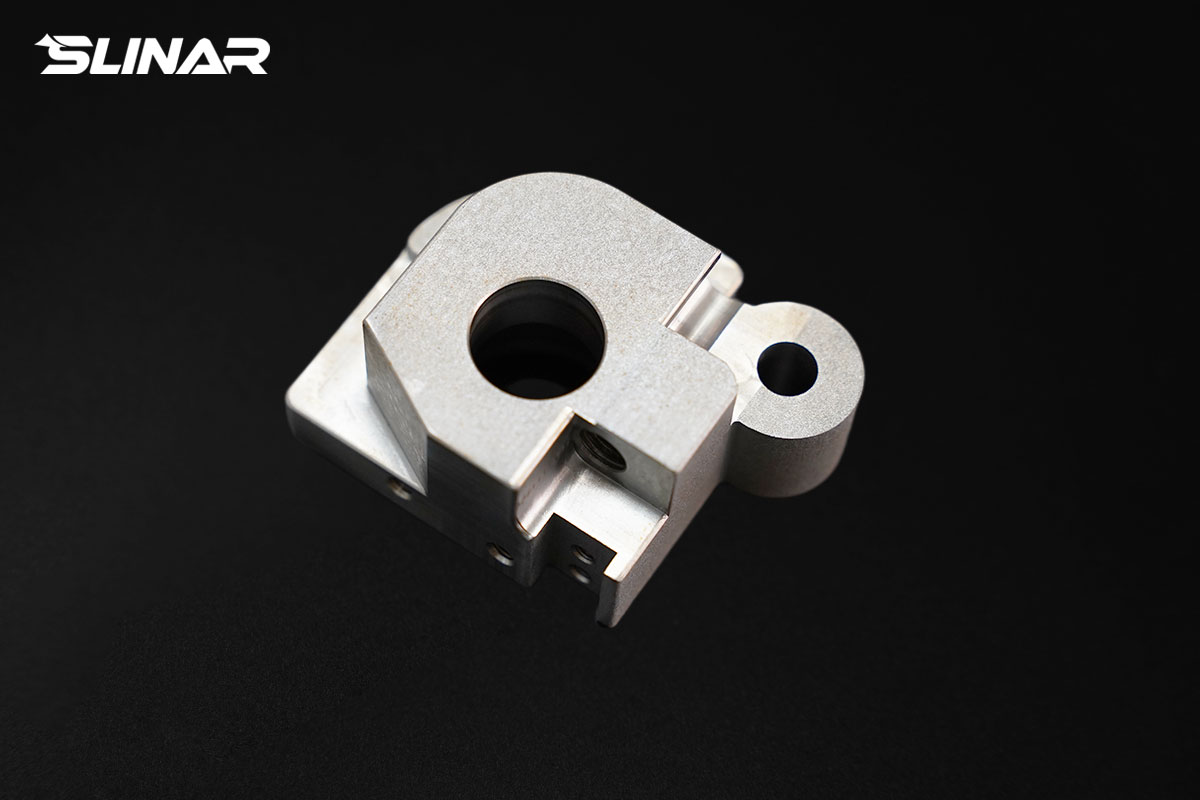
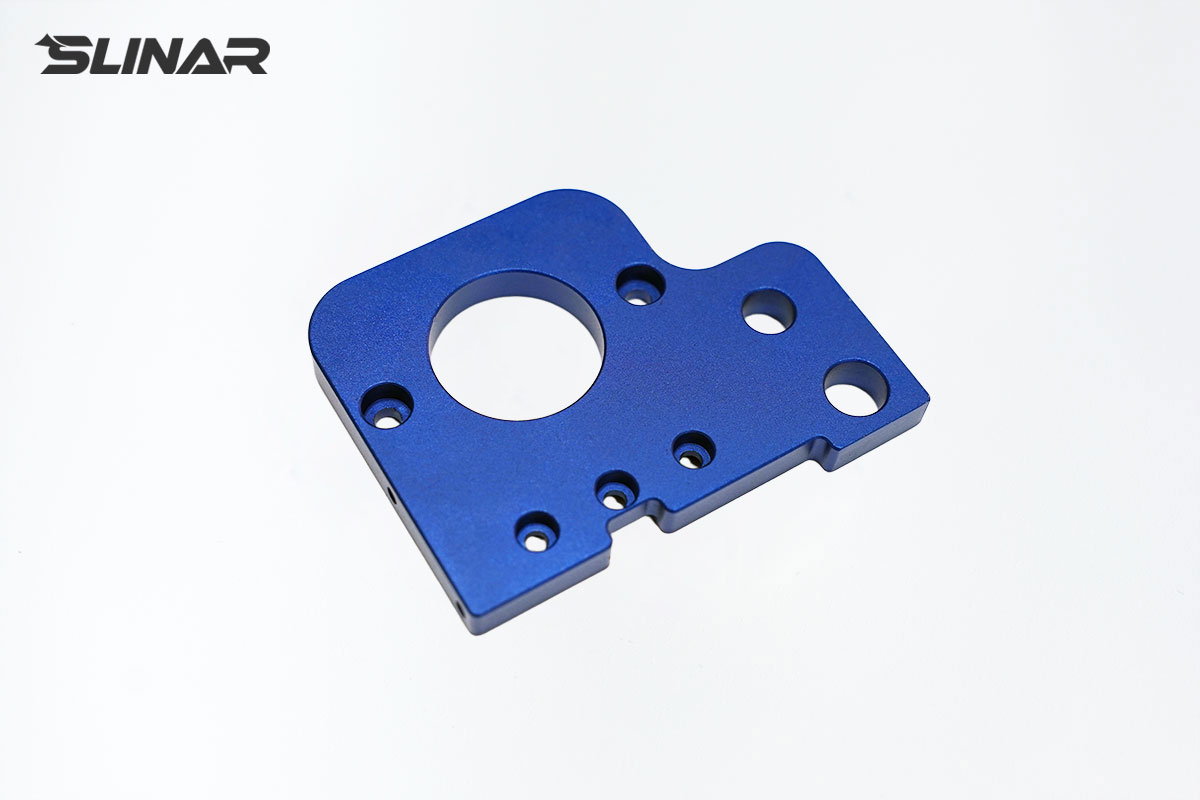
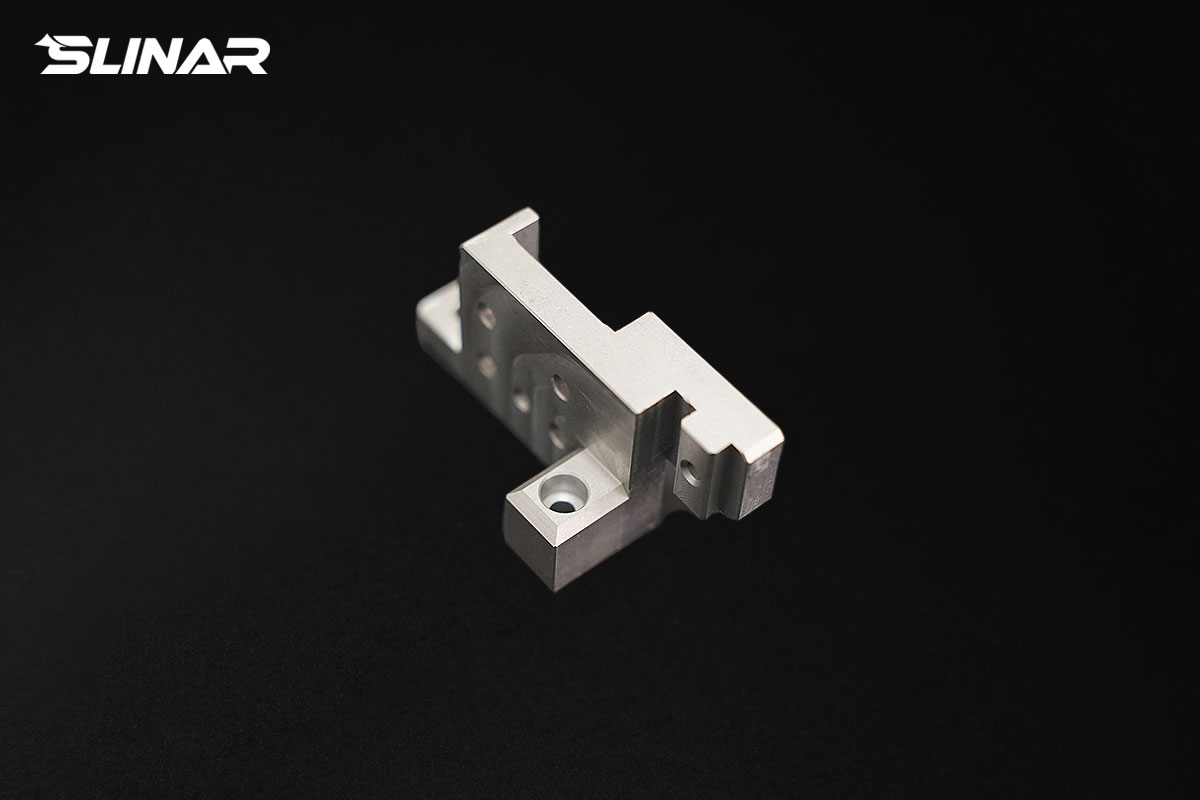
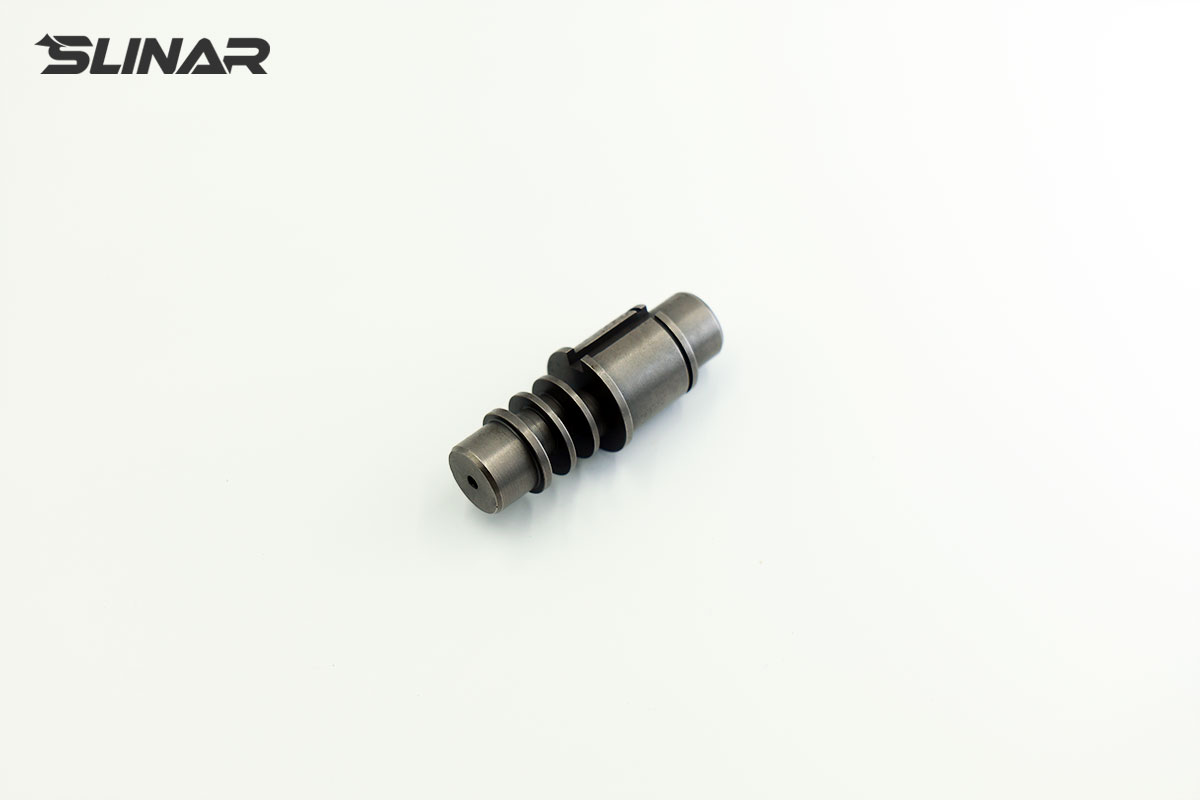
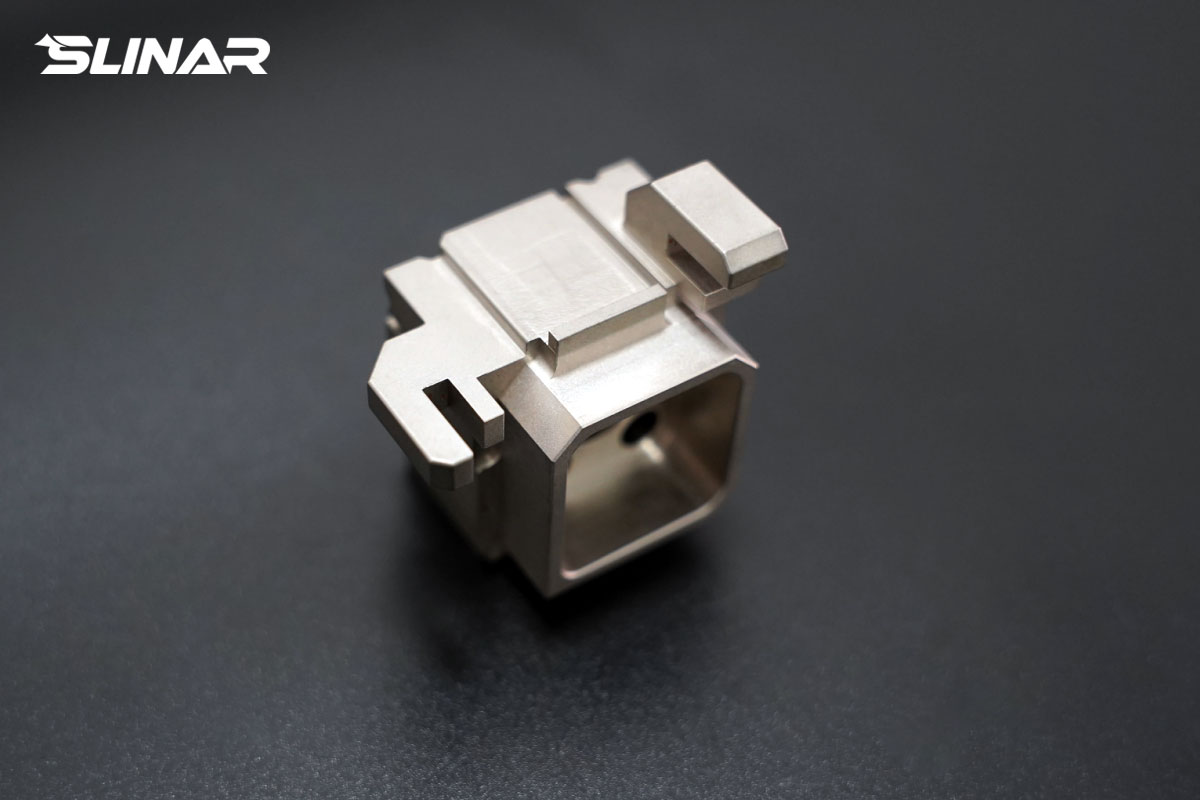
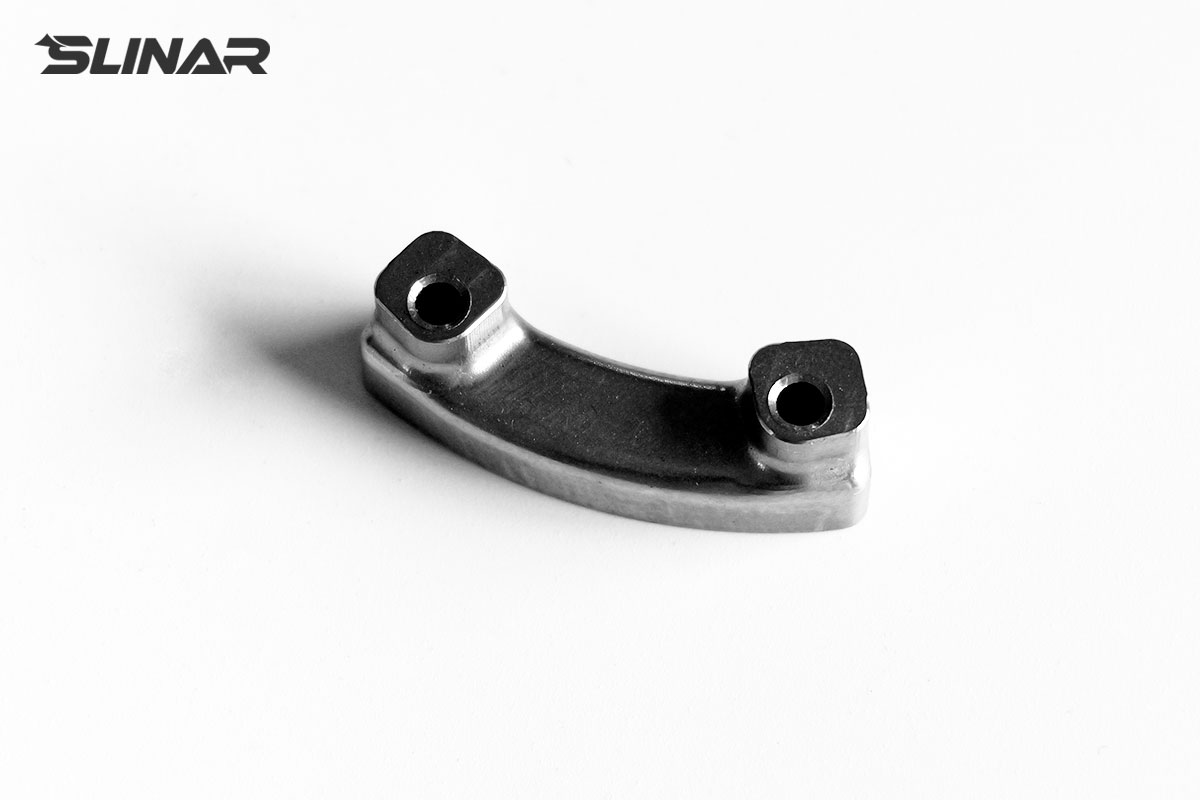
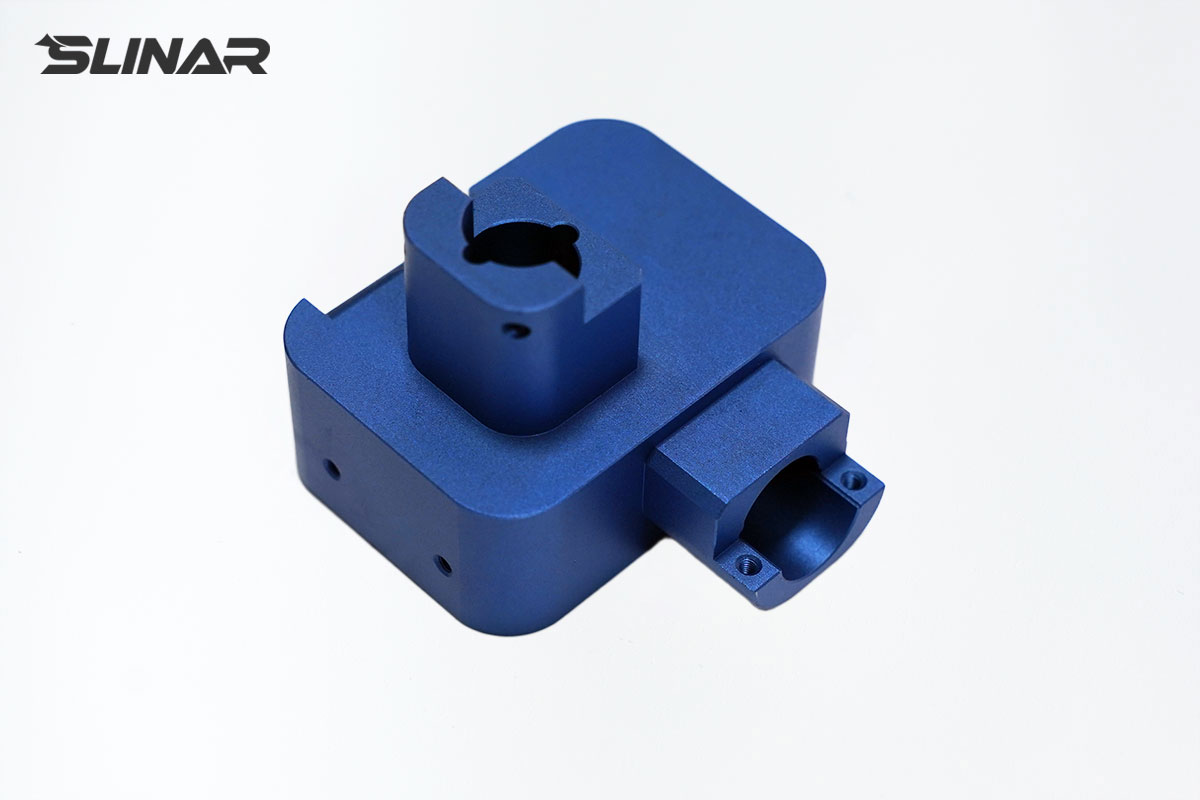
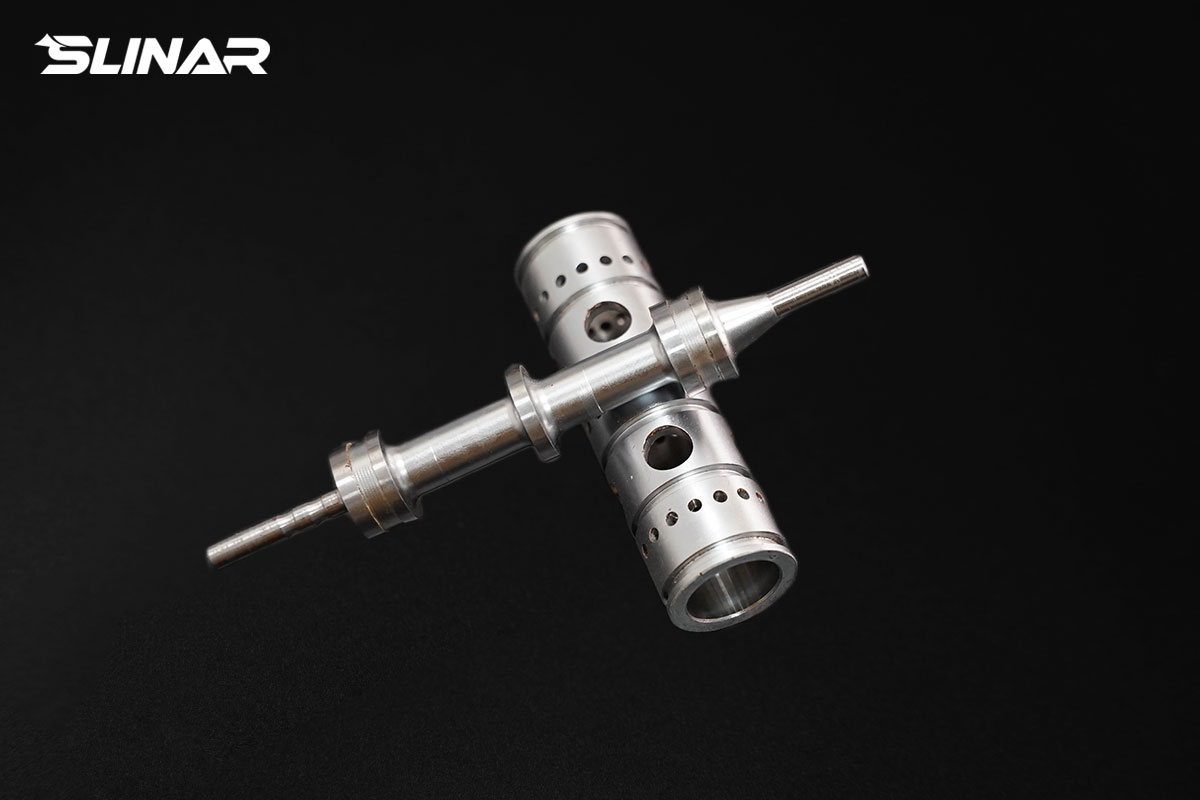
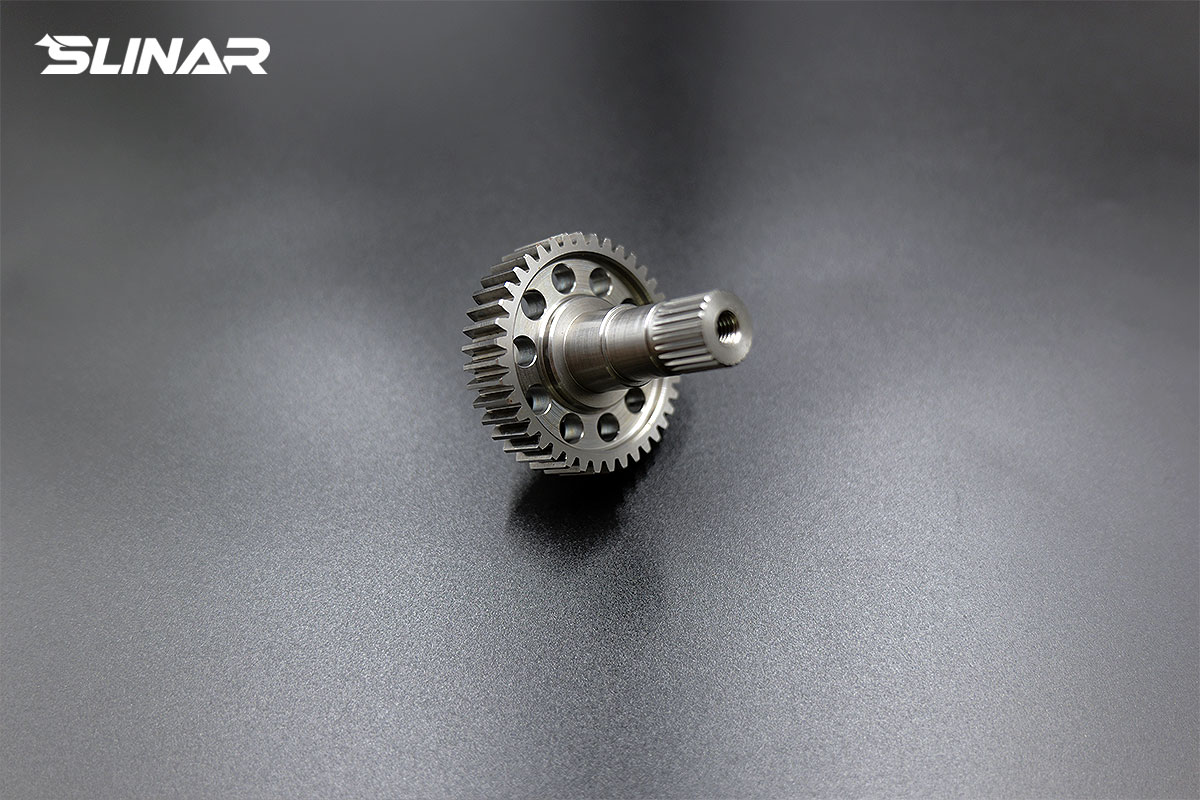
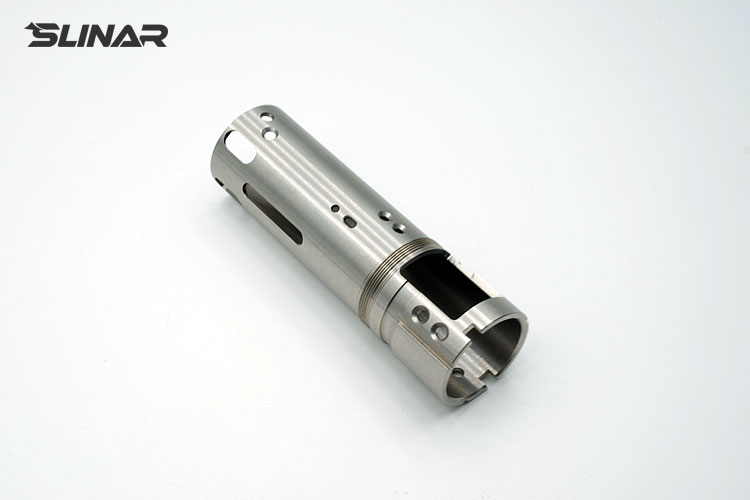
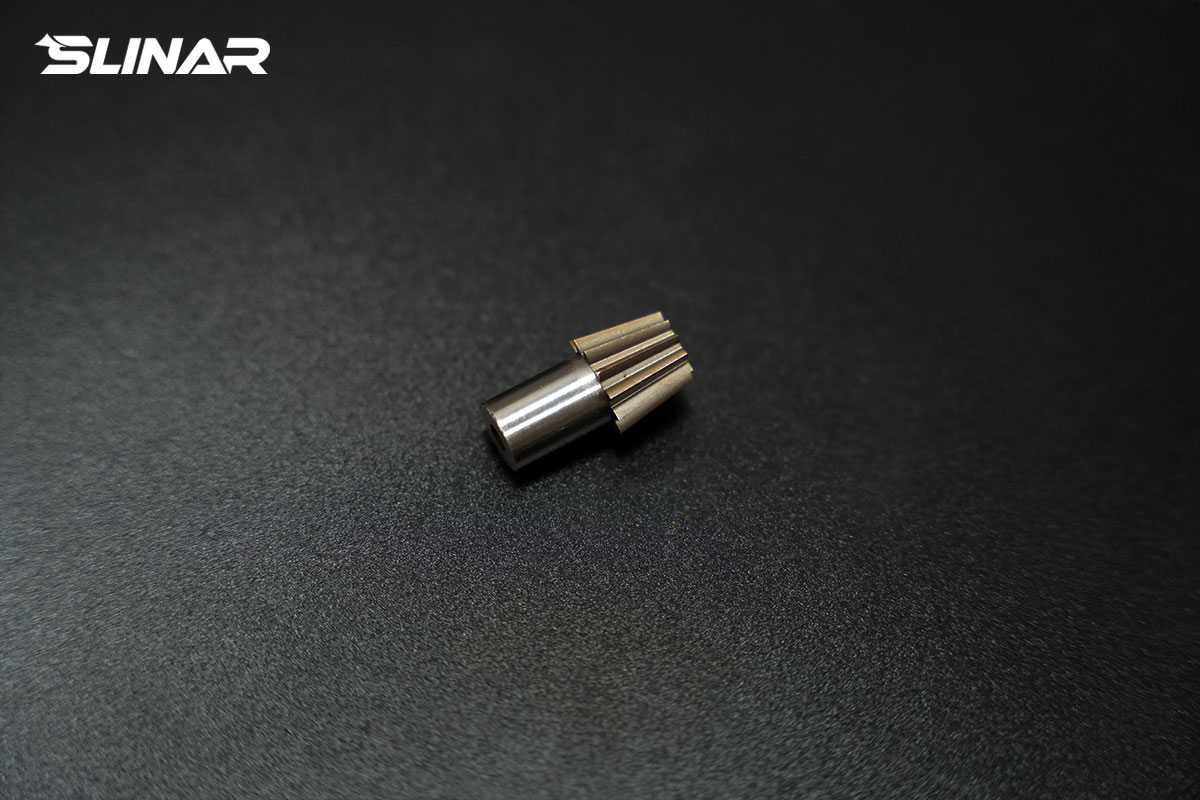
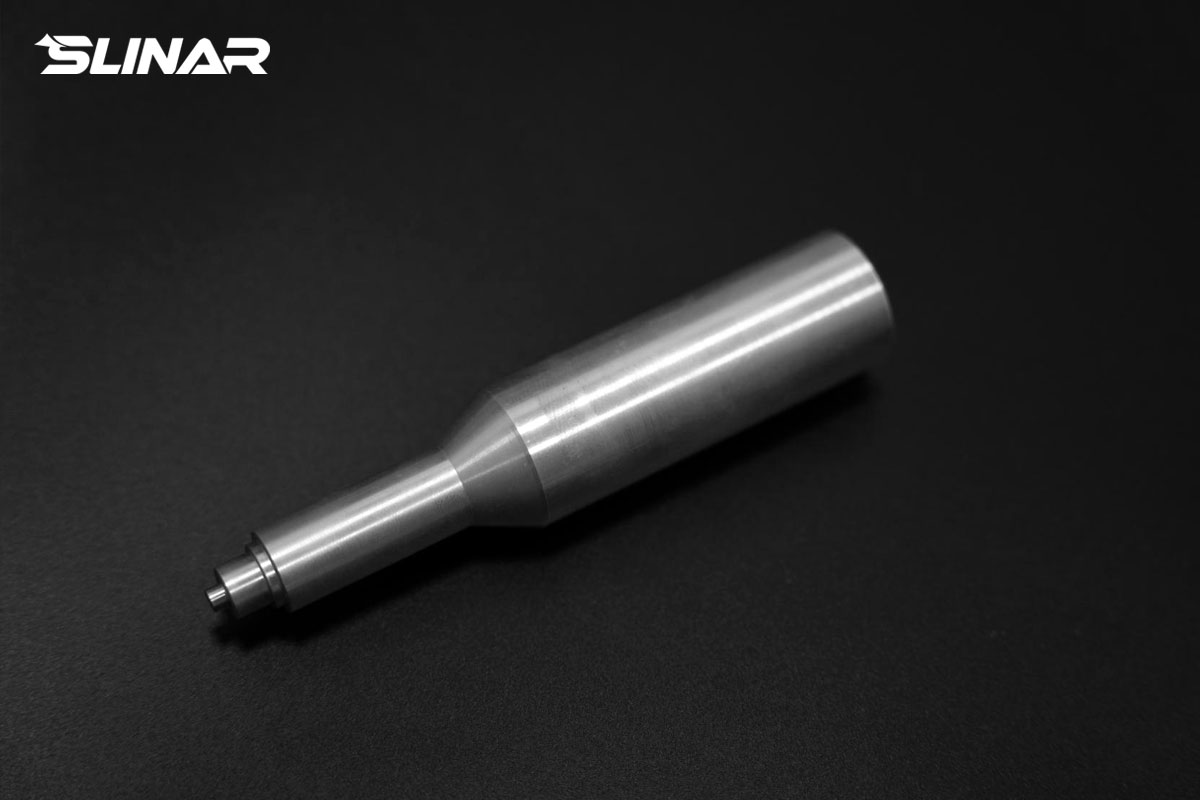
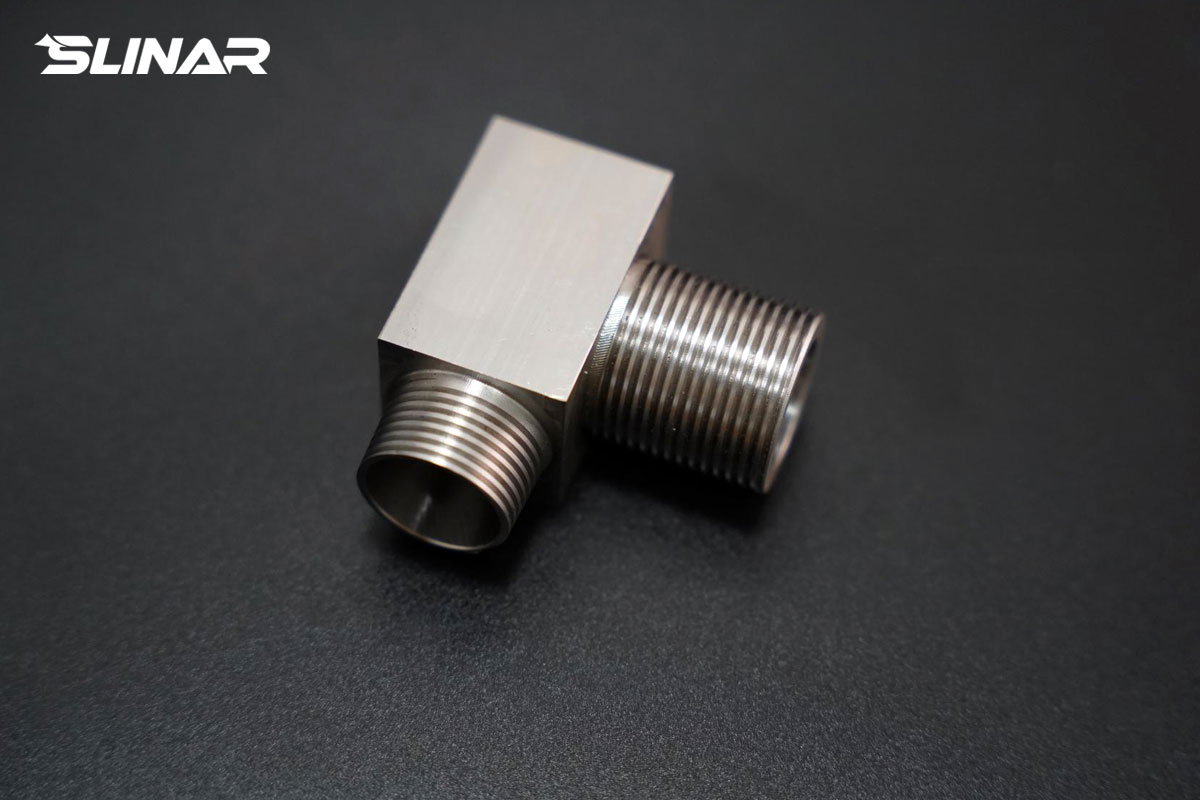
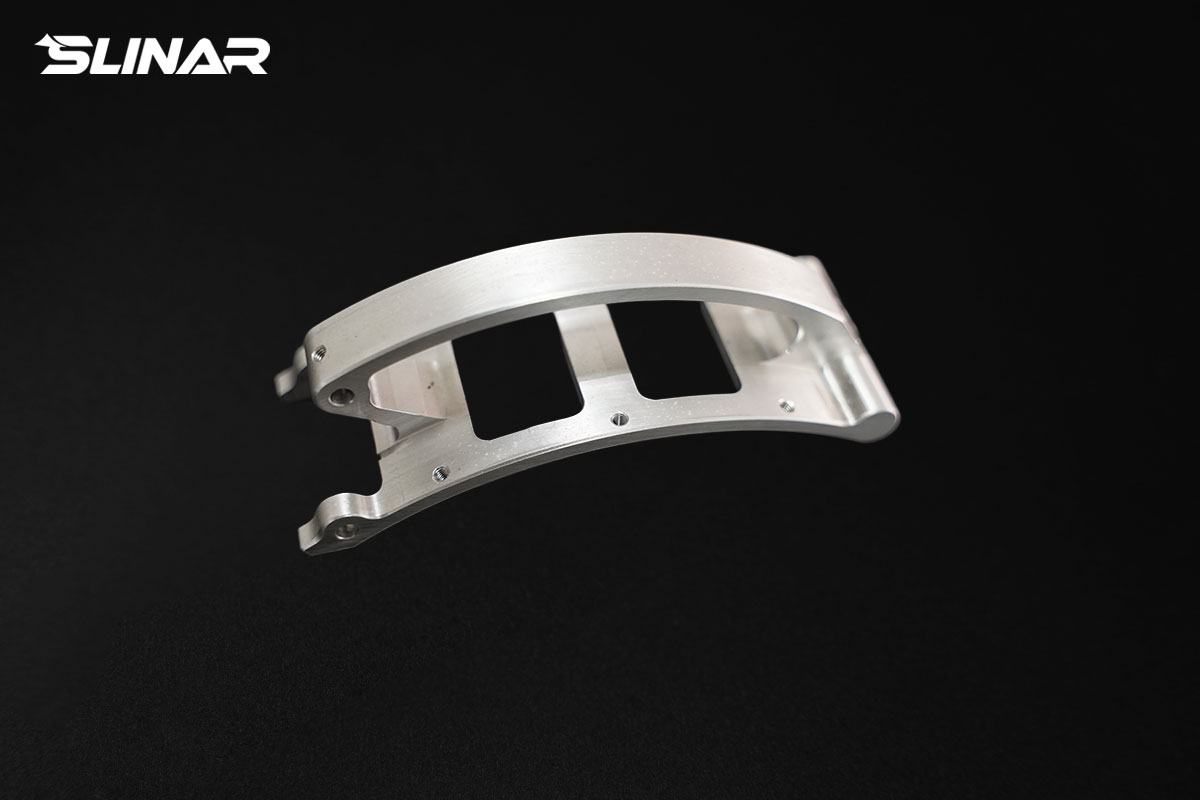
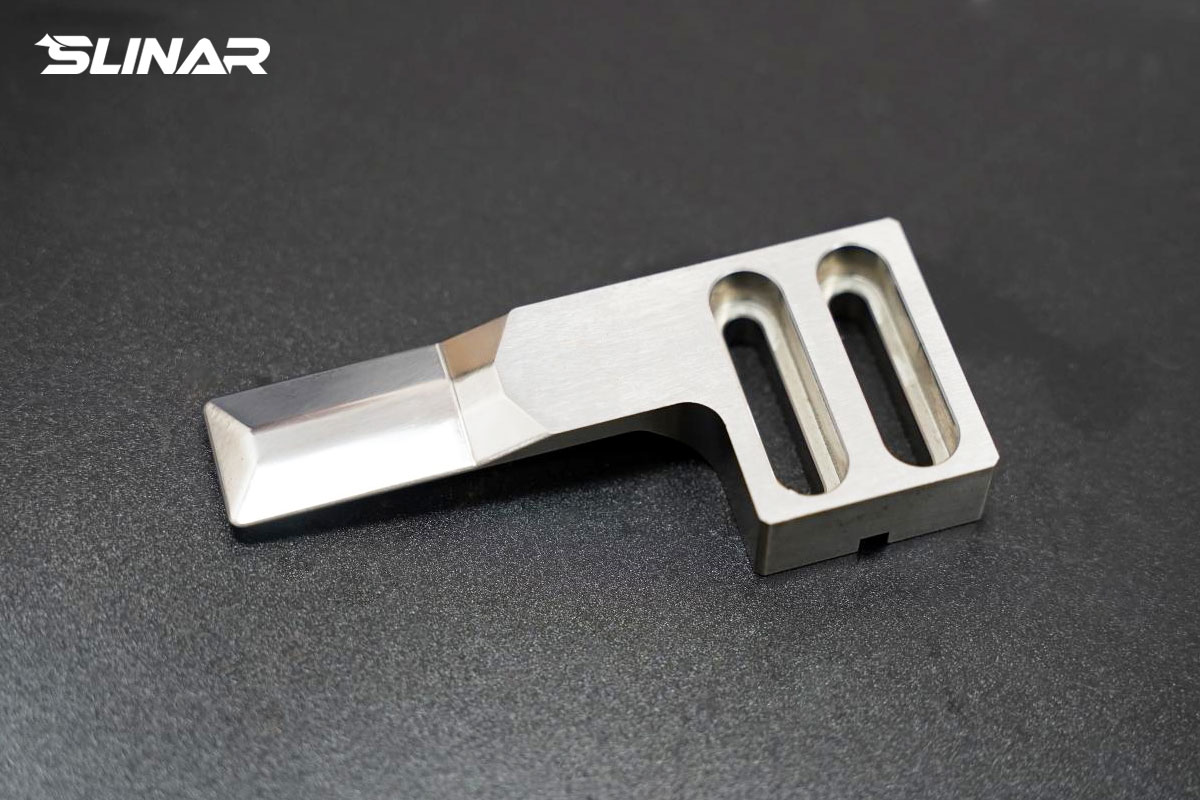
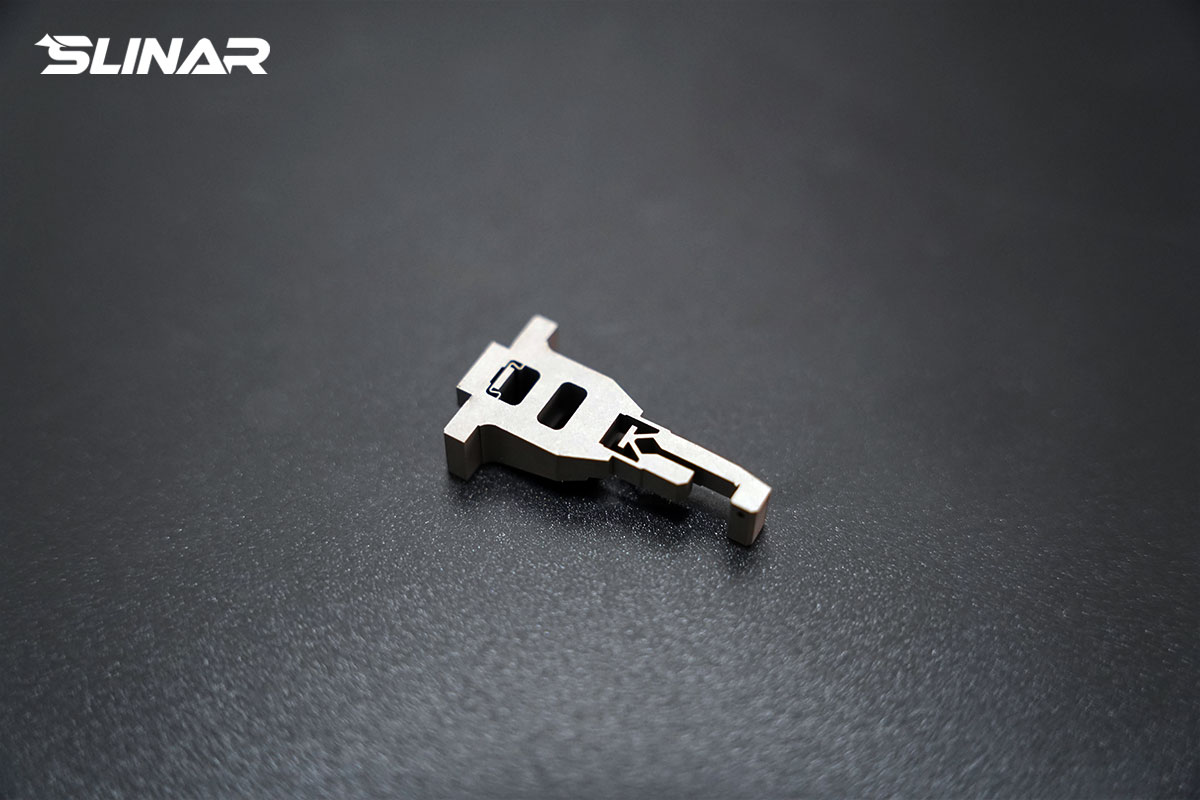
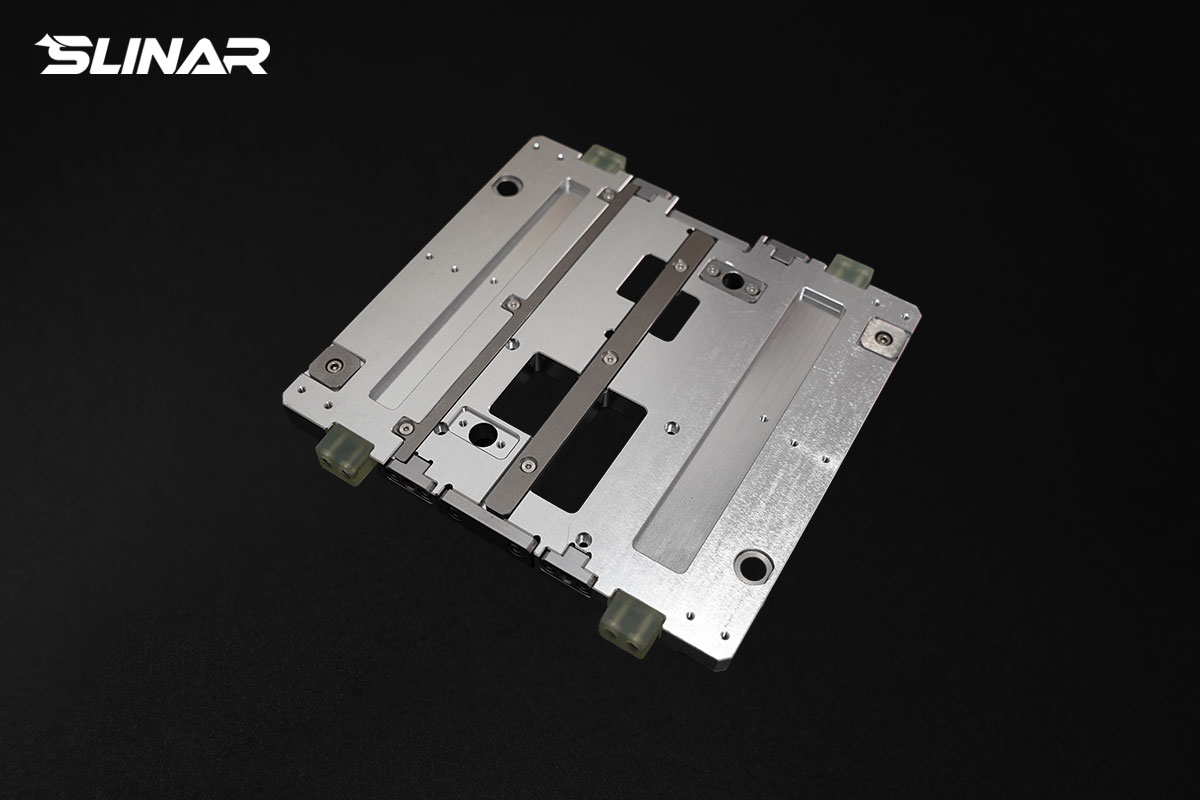
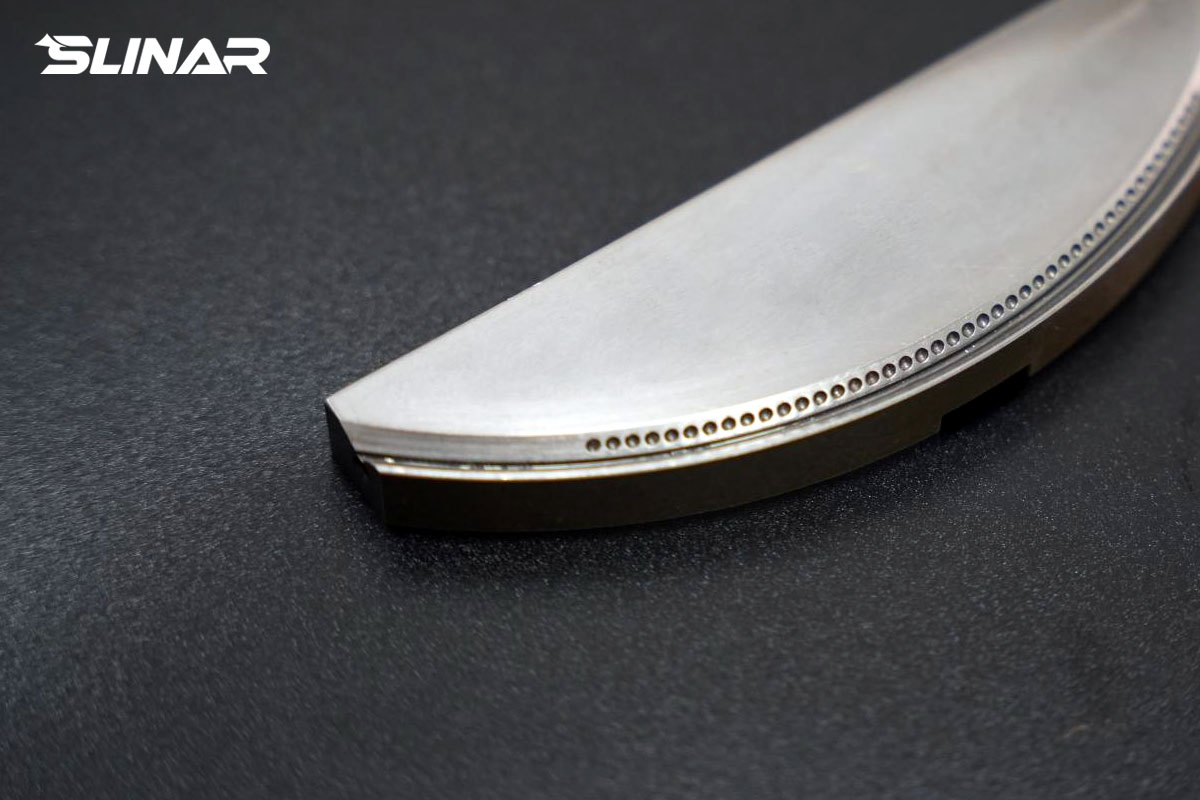
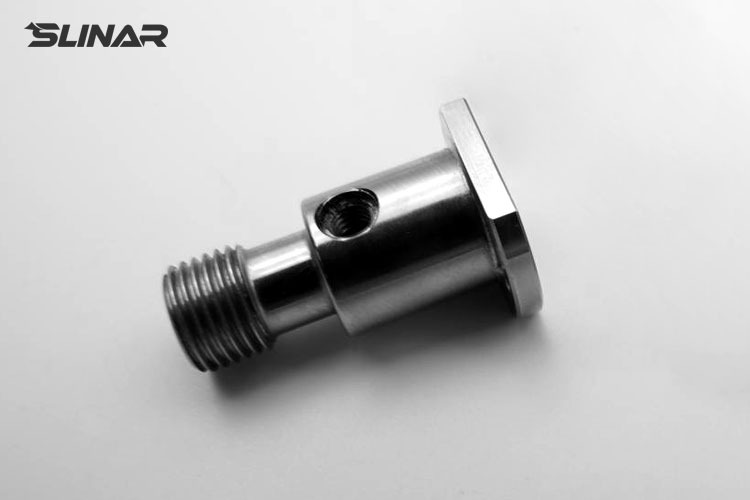
CNC milling is a subtractive manufacturing process that uses rotating multi-point cutting tools to remove material from a stationary workpiece. The cutting tool moves along linear and rotary axes according to programmed toolpaths, producing flat surfaces, slots, pockets, threads, and complex 3D contours. The process is defined by the number of axes available: 3-axis moves in X, Y, and Z; 4-axis adds rotation around one axis; 5-axis adds two rotary axes for machining complex geometry from any angle. CNC milling works with metals including aluminum, steel, titanium, brass, and copper, as well as engineering plastics. Tolerances range from standard ±0.05mm to precision ±0.01mm and high-precision ±0.005mm on request. Applications span aerospace structural components, automotive engine parts, medical device housings, electronics enclosures, and industrial equipment. Surface finishes include as-machined, anodizing, plating, powder coating, and mechanical finishes such as brushing and bead blasting. Quality inspection includes CMM verification, dimensional reporting, and material certification.