



CNC Machining with Care. From 1 pc to Mass Production. Free DFM Analysis. Get a Quote
Select a language

CNC Plastic

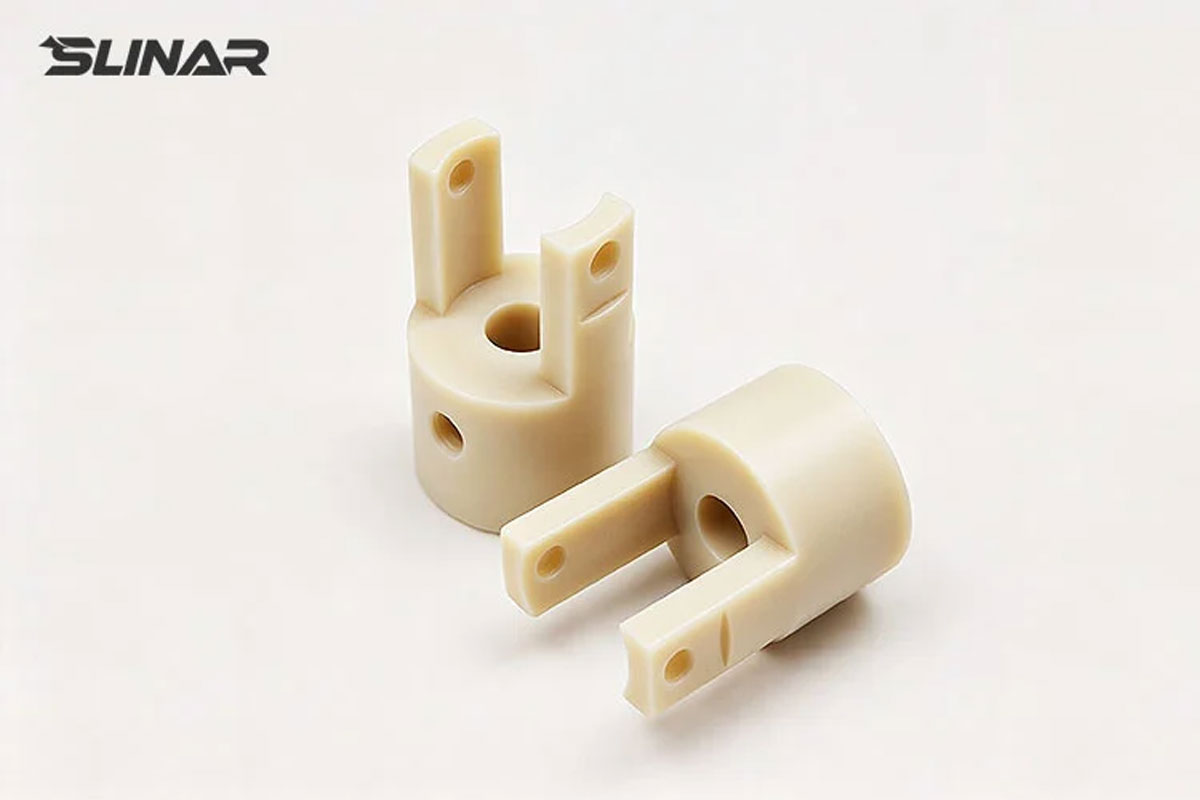
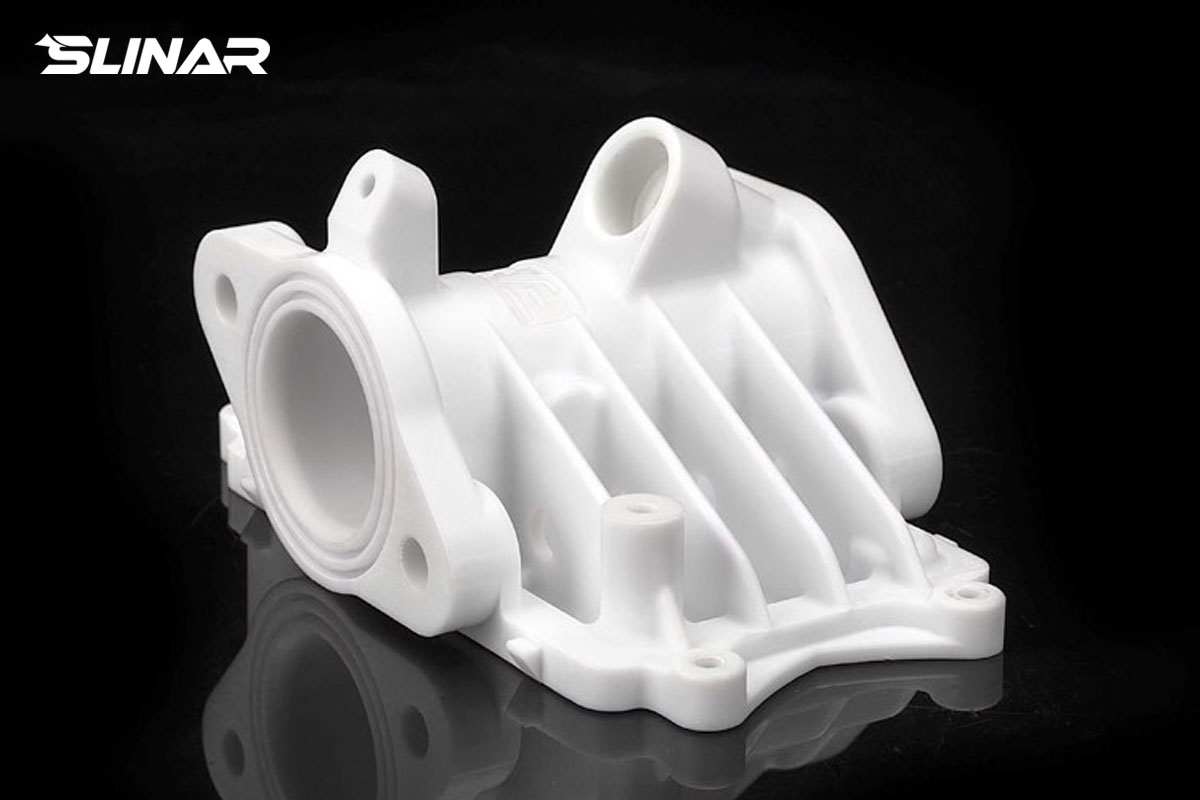
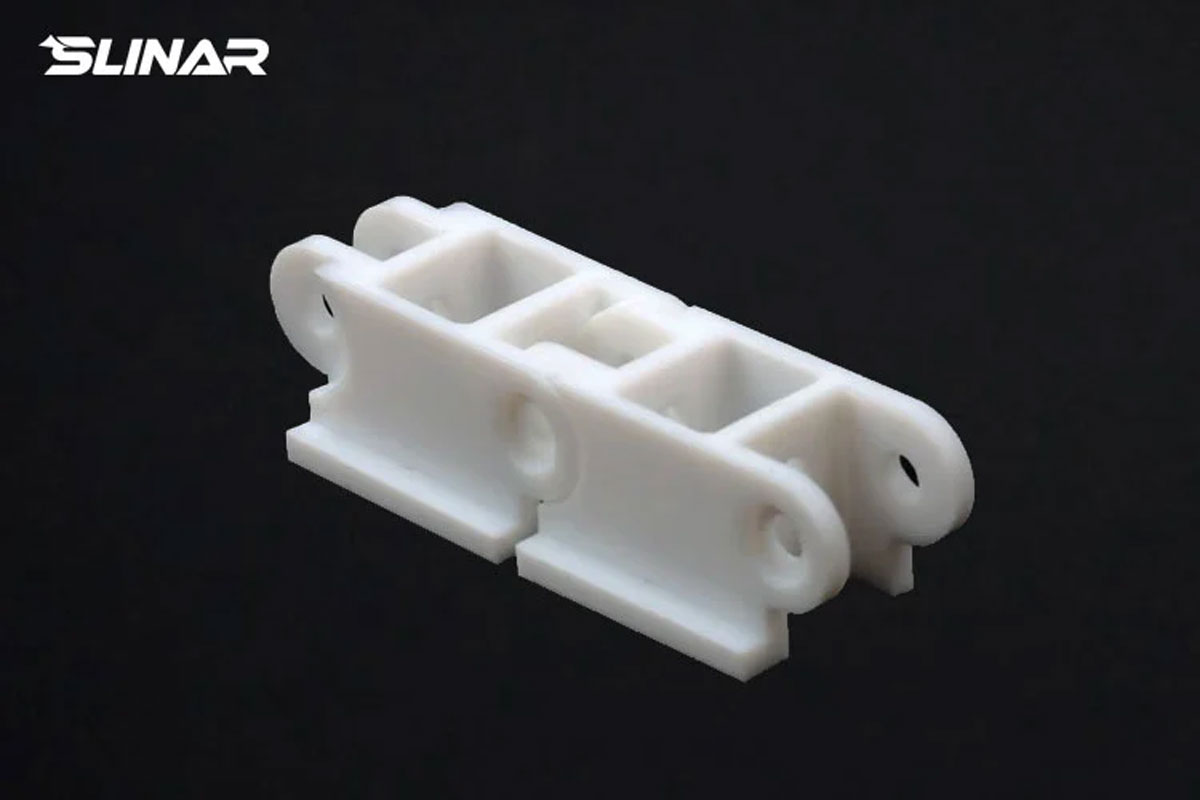
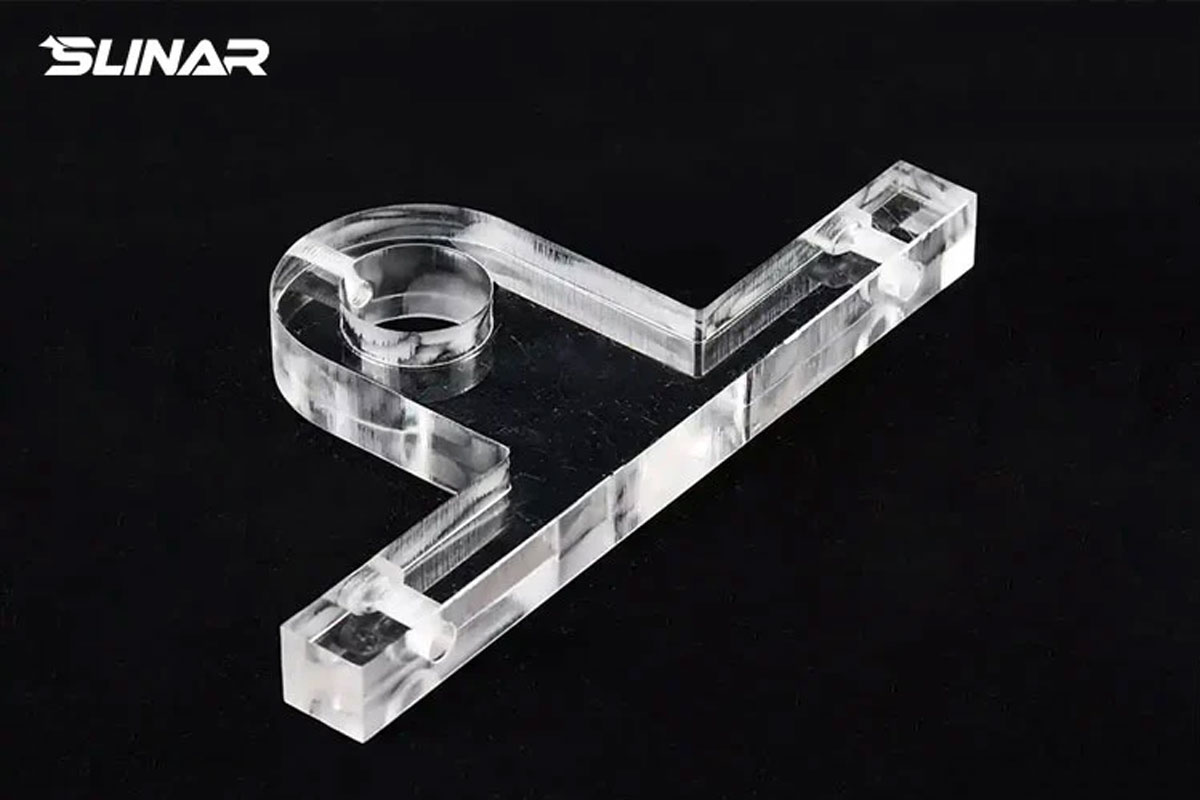
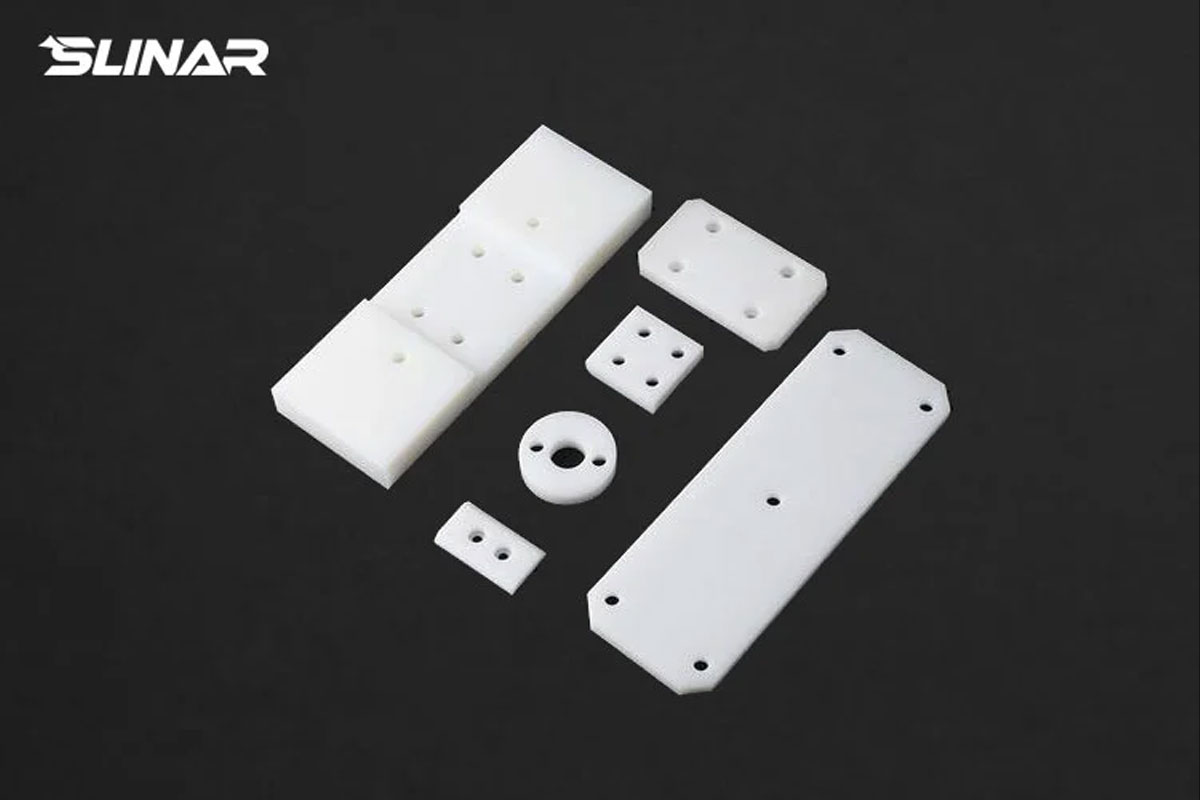
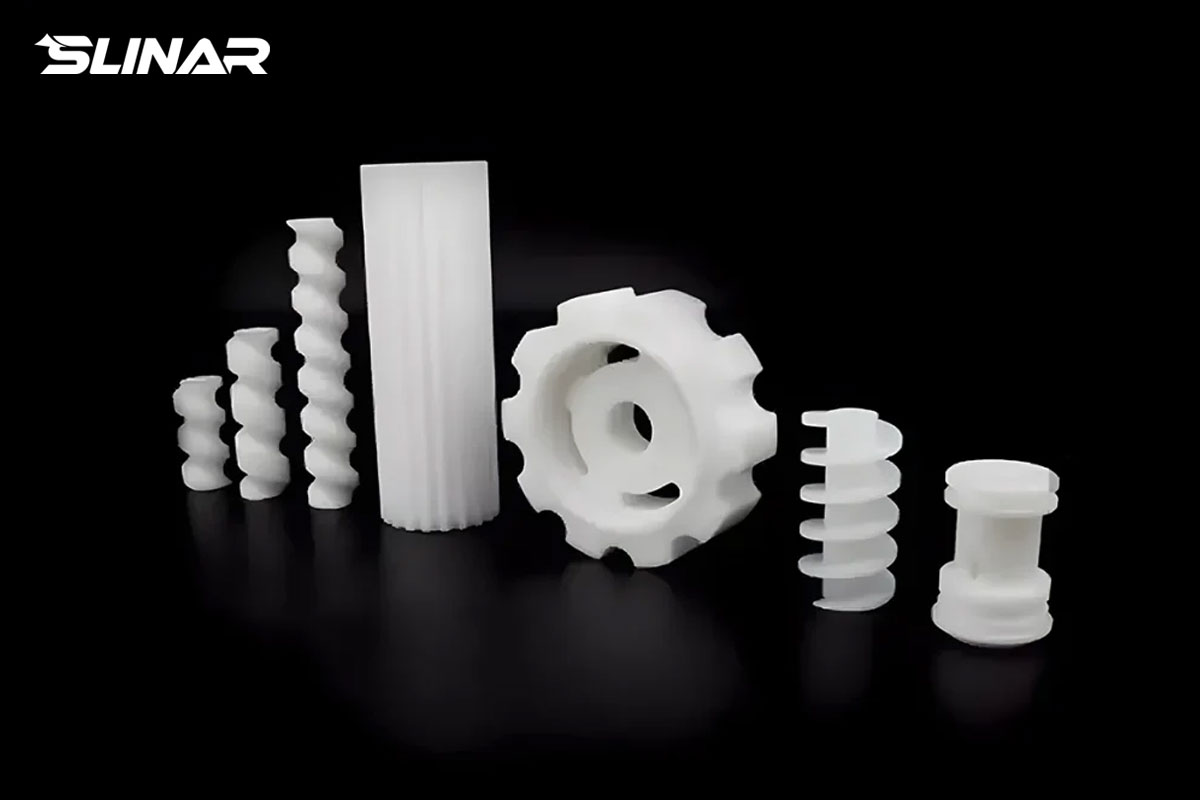
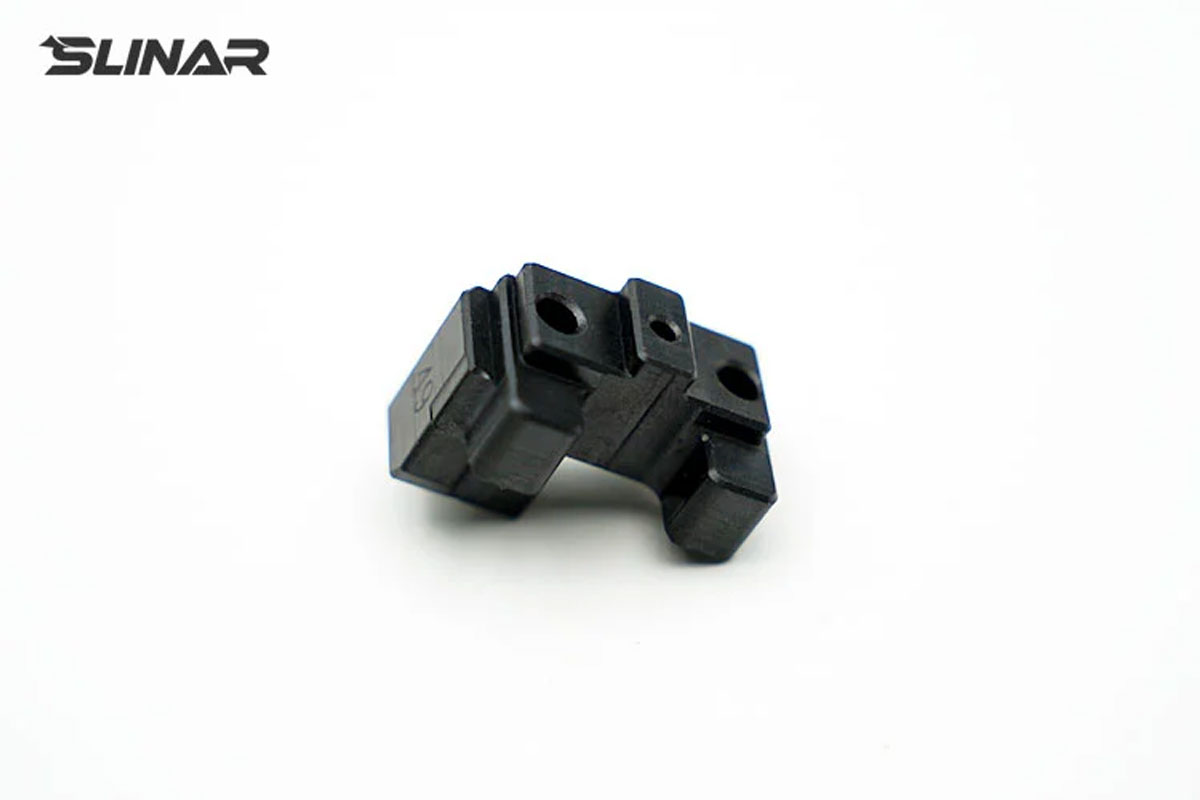
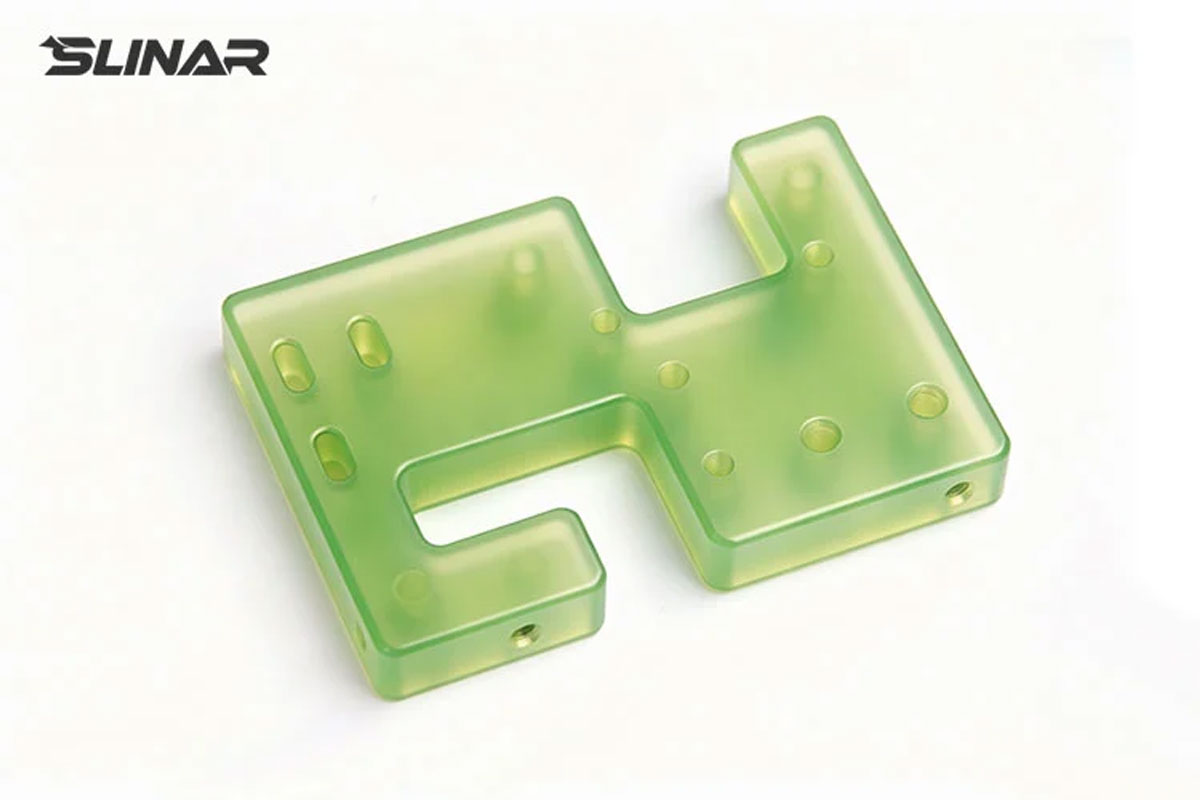
CNC plastic machining is the precision processing of engineering thermoplastics using computer-controlled cutting tools. Unlike metals, plastics require specialized machining strategies—sharp tooling, positive rake angles, efficient chip evacuation, and temperature control to prevent melting or smearing. Engineering plastics offer distinct advantages: light weight, corrosion resistance, electrical insulation, self-lubrication, and design flexibility.

Commonly machined plastics include PEEK (high-temperature, medical-grade), Acrylic (transparent, optical clarity), Nylon (wear-resistant, impact-resistant), Delrin (acetal, low-friction, dimensionally stable), PTFE (Teflon, non-stick, chemical-resistant), and ABS (impact-resistant, general-purpose). Each material has unique machining characteristics. Tolerances are held to ±0.02-0.05mm for standard work, with precision work at ±0.01mm. Applications span medical devices, electronics, semiconductor equipment, food processing, automotive, and consumer products.
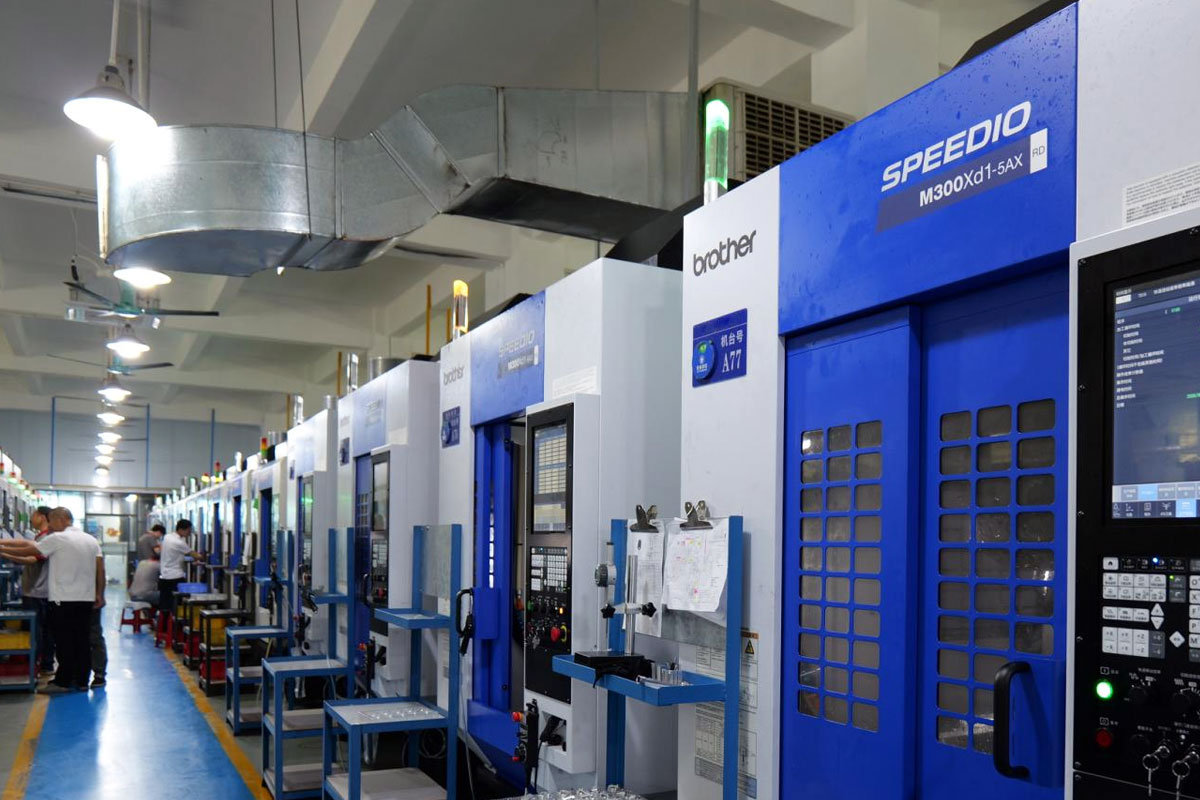
Our CNC Machining Services

From prototype to production — reliable quality, on-time delivery

We provide precision CNC machining services for a wide range of materials including aluminum, steel, stainless steel, copper, brass, titanium, PEEK, PTFE, acetal, nylon, and other engineering plastics. Our manufacturing capabilities cover 3-axis, 4-axis, and 5-axis CNC milling, as well as CNC turning, suitable for both prototype development and high-volume production runs.

With ISO 9001:2015 certification and a commitment to quality, we serve customers across aerospace, automotive, medical, electronics, industrial equipment, and consumer goods industries. Our in-house capabilities include surface finishing, anodizing, powder coating, heat treatment, and inspection with CMM and optical measurement equipment.

We offer competitive pricing, flexible lead times, and full material traceability. From simple brackets to complex precision components, we deliver parts that meet your specifications with reliable quality and on-time delivery.

Materials

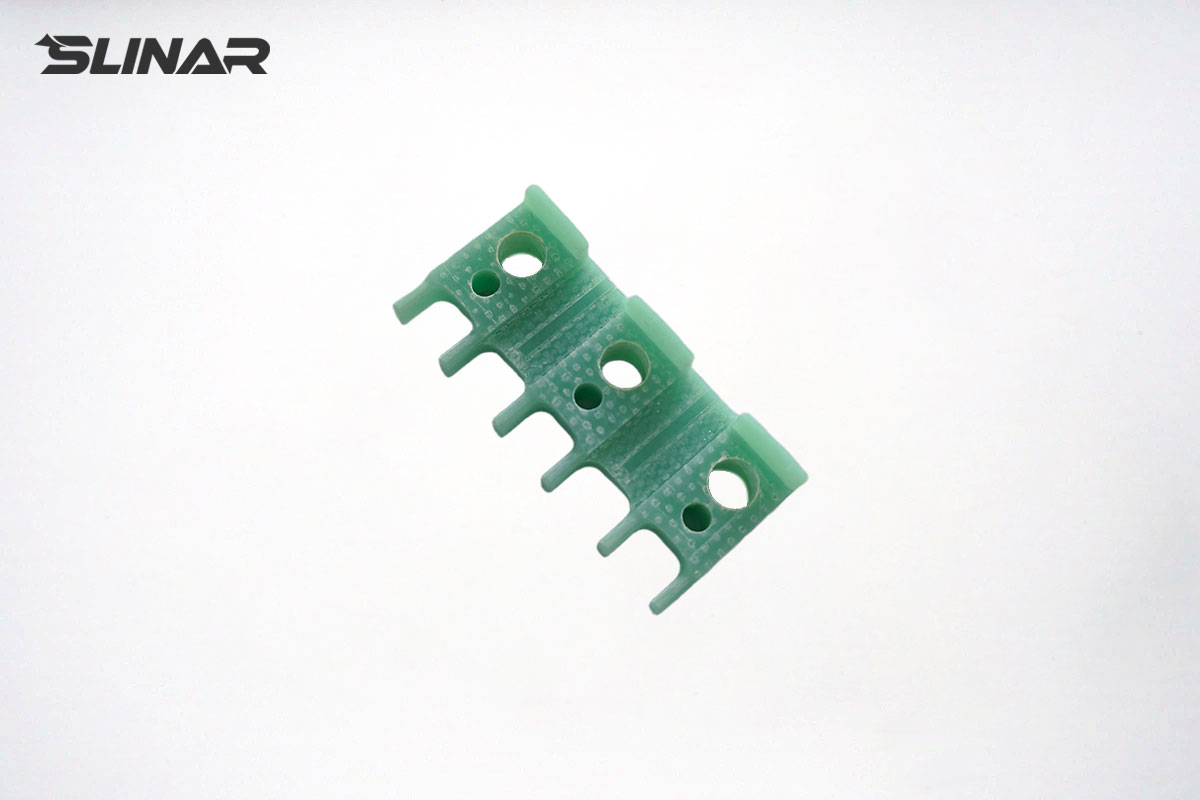
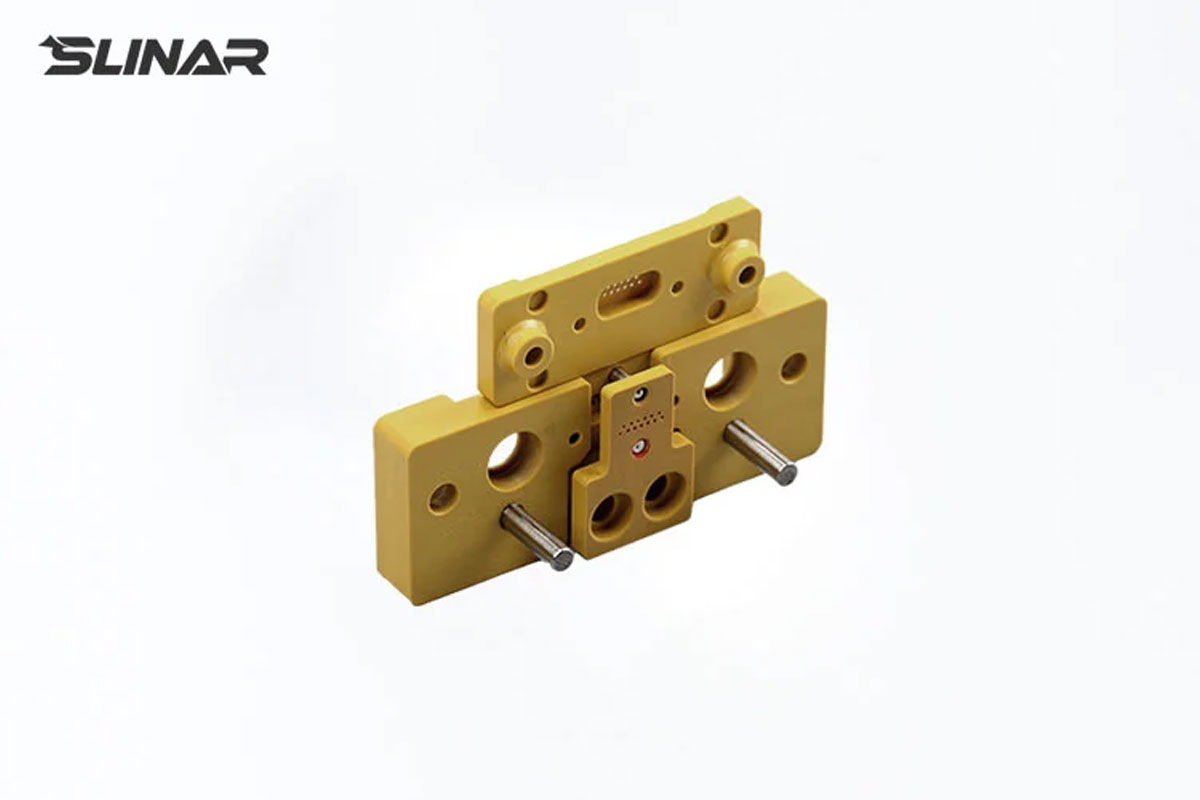
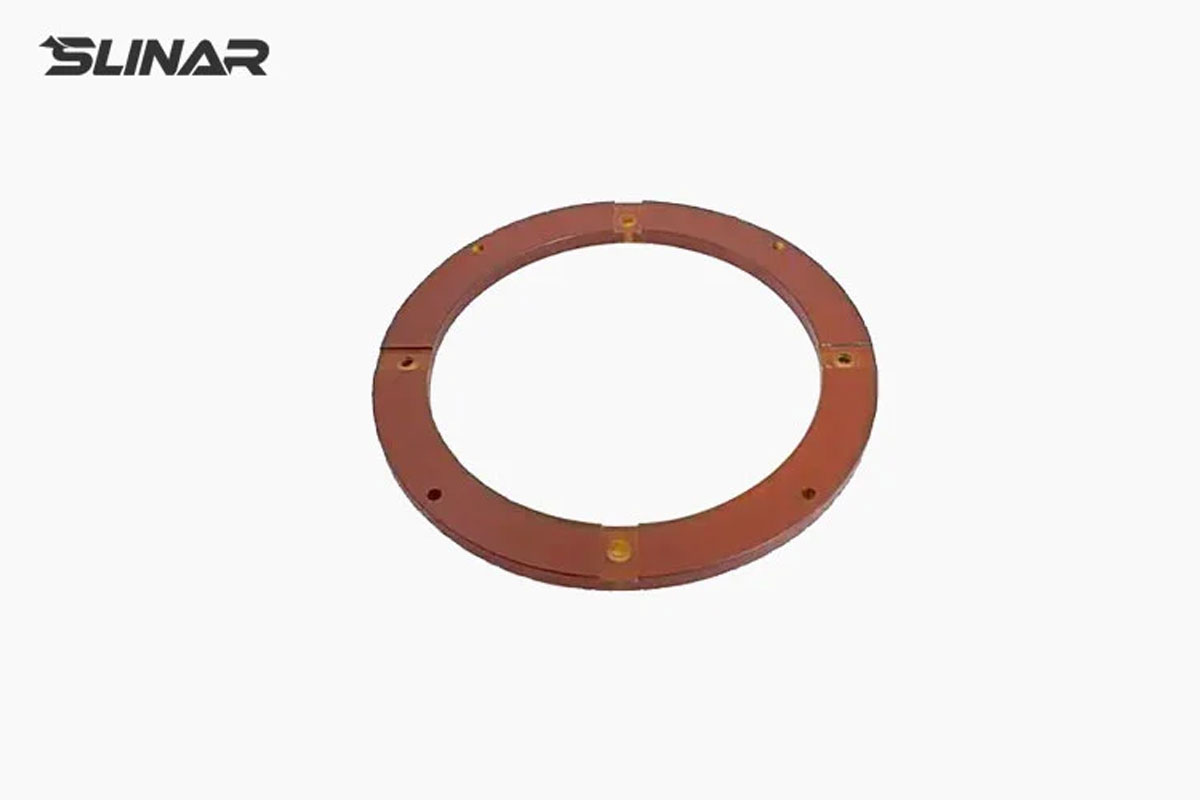
FR4

SLINAR - CNC FR4

FR4

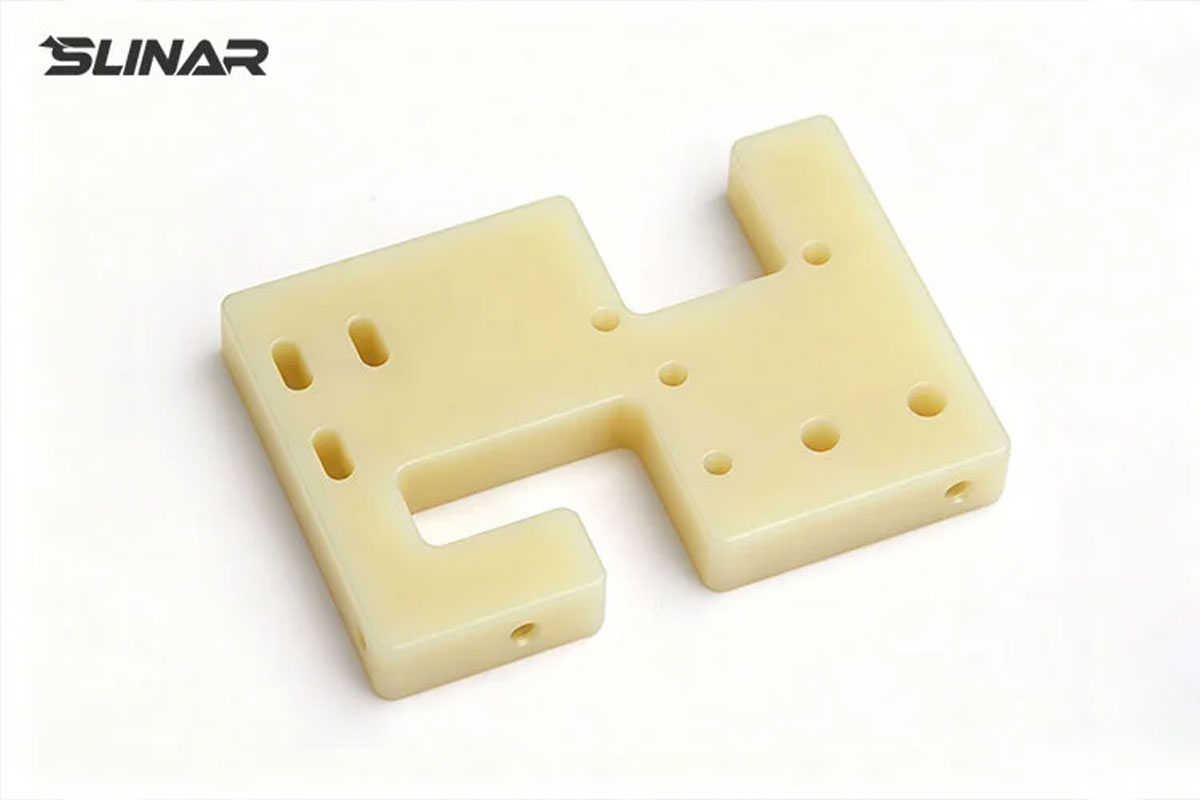
FR4 is a class of glass fiber epoxy laminate that is flame retardant.

Understand FR4

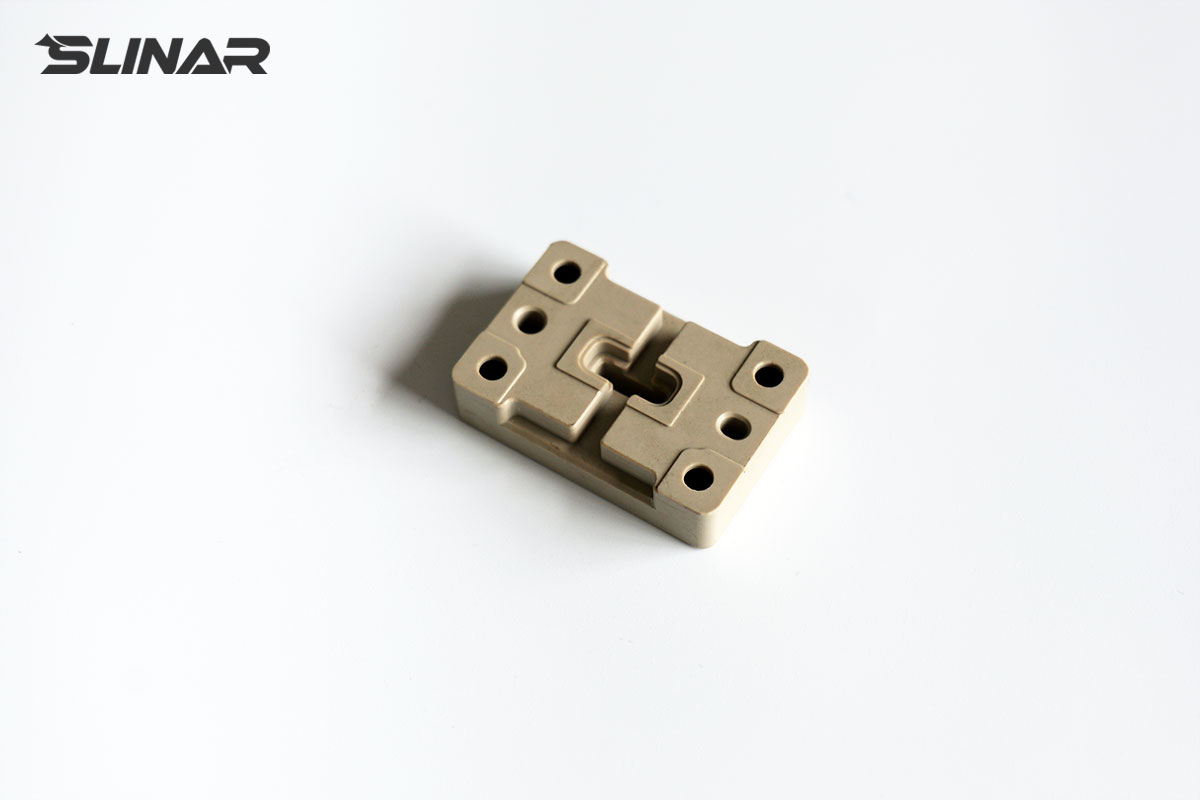
PEEK

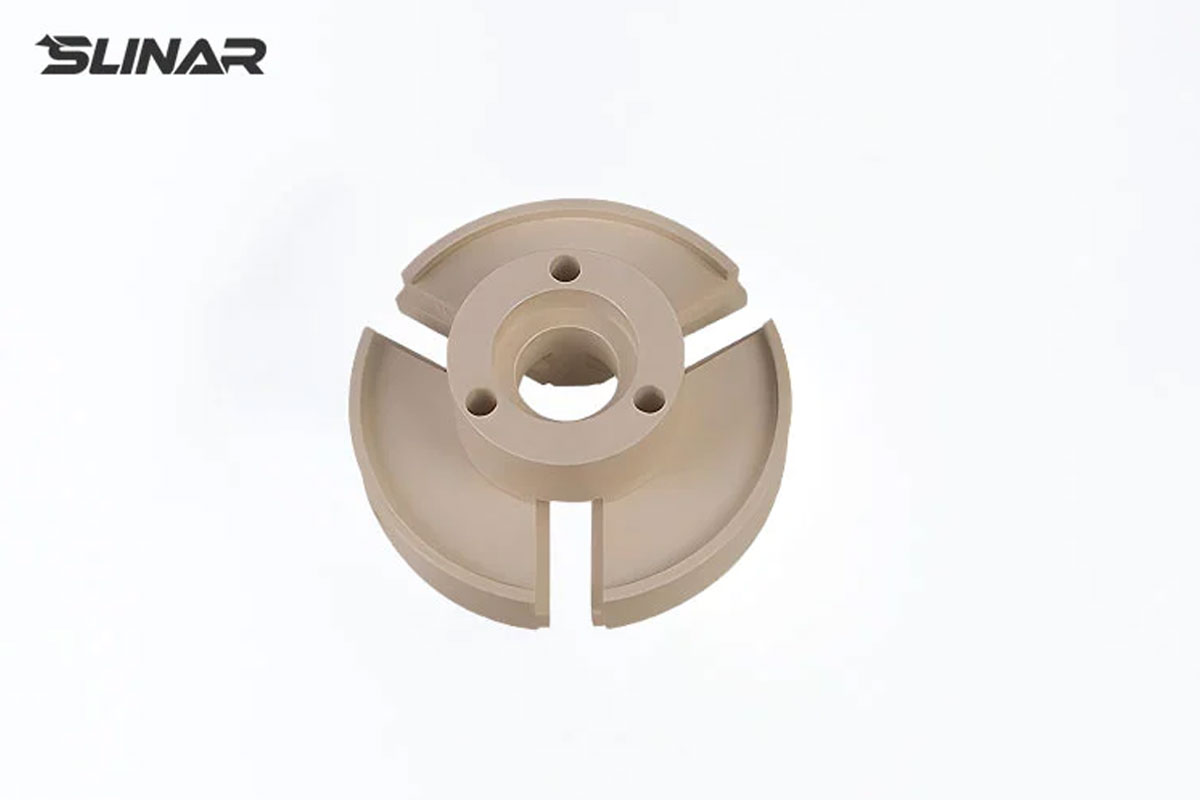
SLINAR - CNC PEEK

PEEK

PEEK (CNC) is an engineering thermoplastic with excellent mechanical and thermal properties. Can be used to replace metal parts. Biocompatible.

Understand PEEK

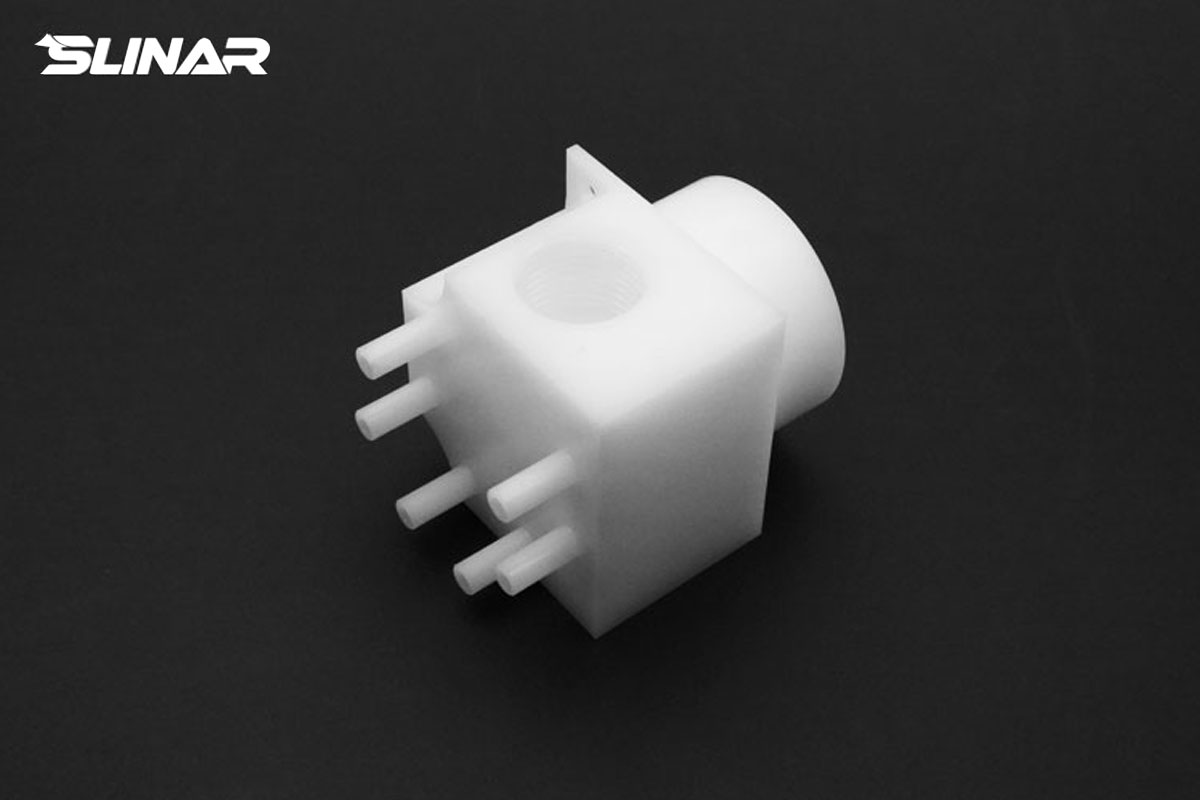
PTFE(Teflon)

SLINAR - CNC PTFE

PTFE

Teflon (CNC) - PTFE - has excellent thermal and chemical resistance and outstanding frictional and electrical properties.

Understand PTFE(Teflon)

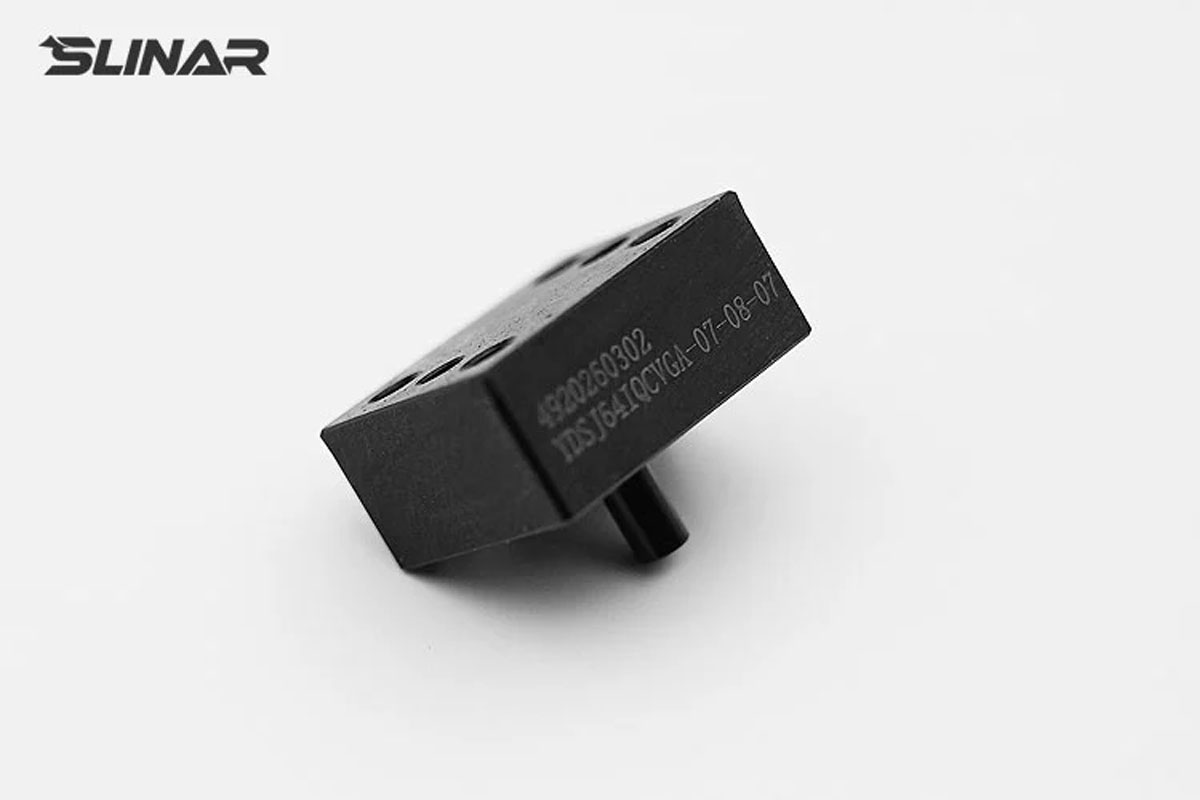
POM-C

SLINAR - CNC Acetal Copolymer (POM-C)

Acetal Copolymer (POM-C)

Acetal (POM-C) is the easiest to machine engineering plastic. Ideal for parts with high stiffness, low friction and very low water absorption.

Understand POM-C

Ultem 1000 (PEI)

SLINAR - CNC PEI Ultem 1000

PEI Ultem 1000

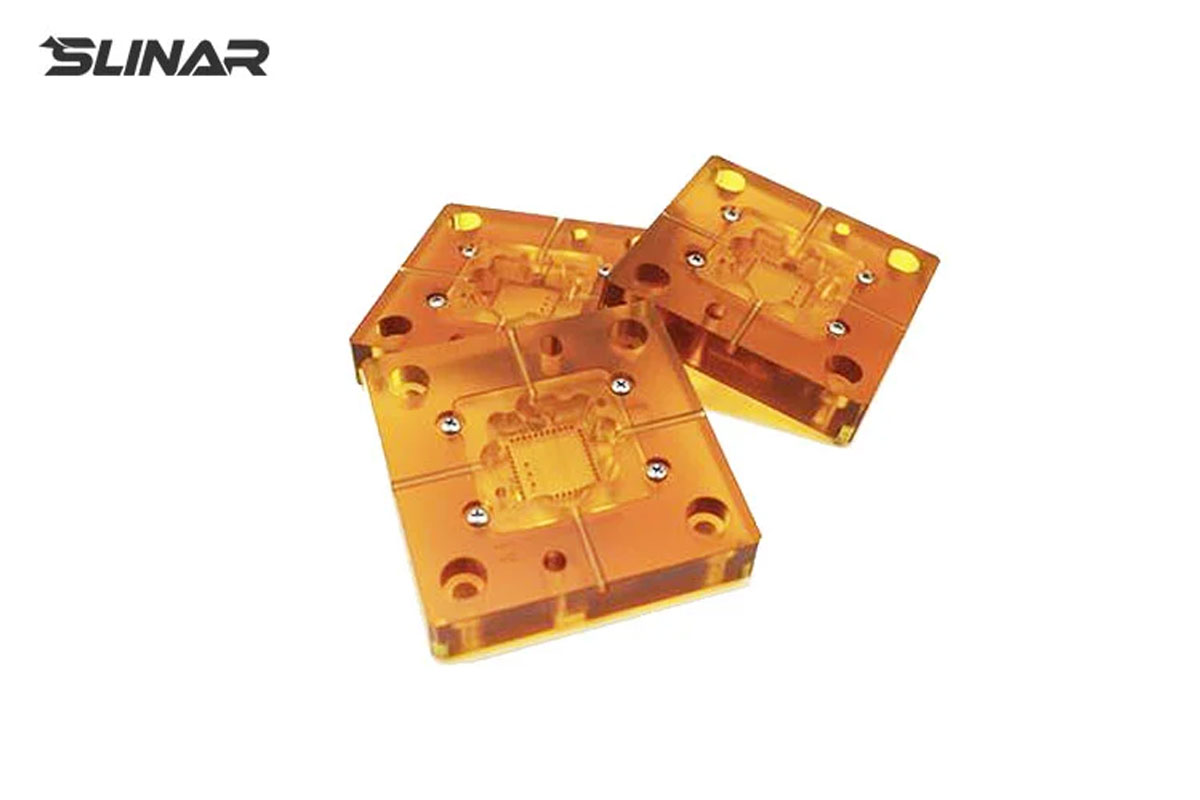
High performance engineering thermoplastic polymer, with excellent durability, strength, stiffness and heat resistance (UL94-V0).

Understand Ultem 1000 (PEI)

ABS

SLINAR - CNC ABS

ABS

ABS (CNC) has good mechanical properties and excellent impact resistance. It is commonly used to prototype parts prior to injection-molding.

Understand ABS

PET

SLINAR - CNC PET

PET

PET is a tough plastic that offers excellent wear resistance and mechanical strength.

Understand PET

Igus iglidur

SLINAR - CNC iglidur

iglidur

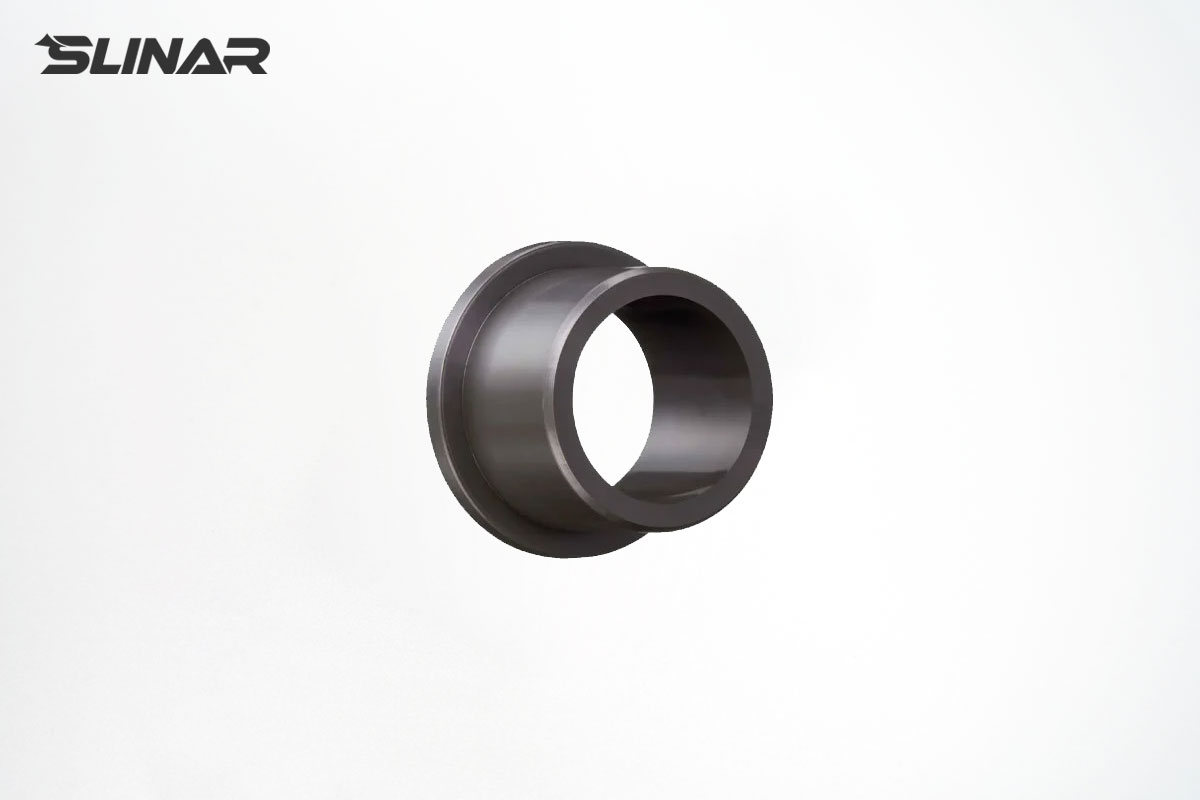
Mainly used in areas where high-performance engineering plastics are required

Understand Igus iglidur

PAI

SLINAR - CNC PAI

PAI

It possesses excellent heat resistance and high strength, and is commonly used in electronic and semiconductor structural components.

Understand PAI

PPS

SLINAR - CNC PPS

PPS

PPS has an opaque, off-white finish when machined. It has a smooth, matte appearance post machining and can be machined to a variety of surface roughnesses.

Understand PPS

Polysulfone (PSU)

SLINAR - CNC PSU

PSU

PSU CNC Machining Applications & PartsPolysulfone offers high thermal stability, transparency, and outstanding hydrolytic resistance, making it a superior choice for medical, food, and aerospace applications requiring repeated steam sterilization.Typical Parts We Machine from PSU: Medical Devices: Surgical Instrument Trays, Filter Housings, Fluid Handling Parts Food Service & Processing: Steamable Equipment Parts, Coffee Makers, Filter Blocks High-Temperature Electrical: Multipin Co

Understand Polysulfone (PSU)

PMMA (Acrylic)

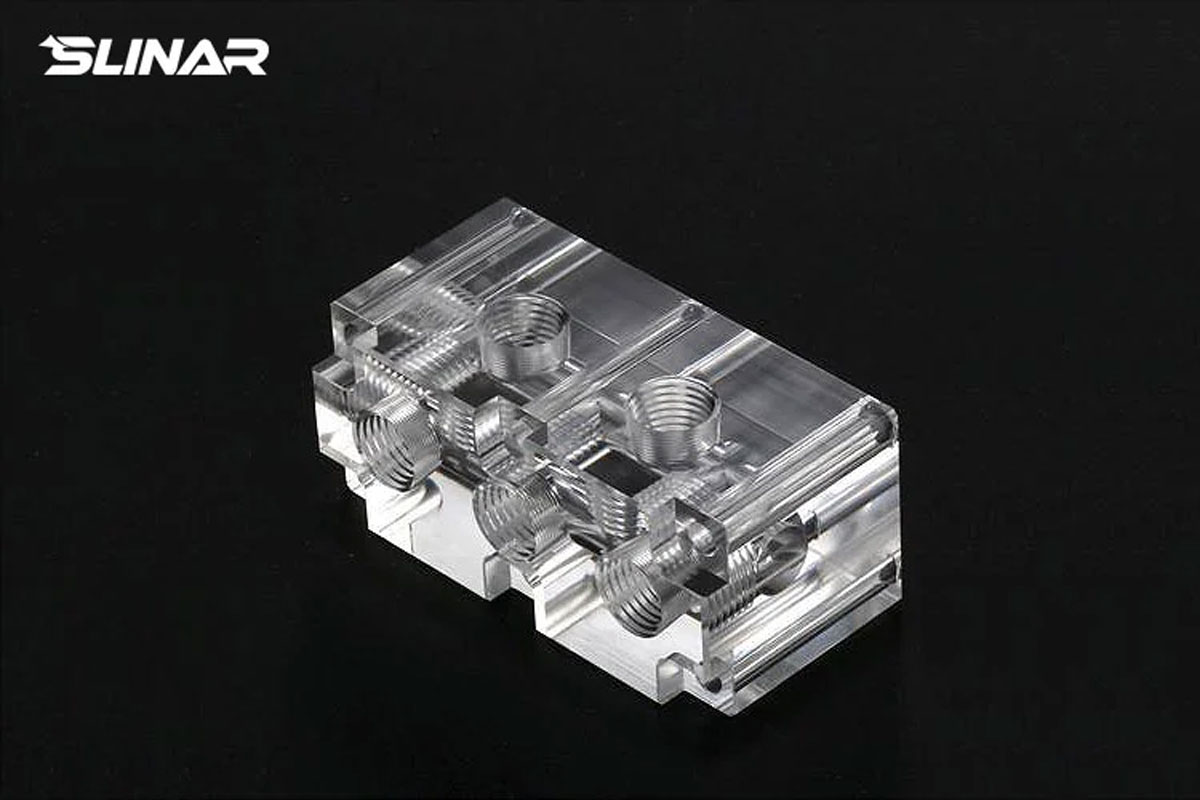
SLINAR - CNC PMMA (Acrylic)

PMMA (Acrylic)

PMMA is a translucent rigid plastic, often used as a substitute for glass and when high transparency is needed, a high polishing process can be done to achieve this.

Understand PMMA (Acrylic)

PVC

SLINAR - CNC PVC

PVC

PVC is the third most used plastic with all-around good mechanical properties, excellent chemical and weather resistance and good toughness.

Understand PVC

Nylon 6

SLINAR - CNC Nylon 6

Nylon 6

Nylon 6 (CNC) - PA 6 - has excellent mechanical properties, with high toughness and hardness. Susceptible to moisture absorption.

Understand Nylon 6

Polypropylene (PP)

SLINAR - CNC PP

PP

Polyproplene has similar properties to polyethylene but is harder and more heat resistant.

Understand Polypropylene (PP)

Polycarbonate (PC)

SLINAR - CNC PC

PC

Polycarbonate (CNC) has excellent impact strength and good temperature resistance. Suitable for outdoor applications. Can be colored or semi-transparent.

Understand Polycarbonate (PC)

HDPE

SLINAR - CNC HDPE

HDPE

HDPE (CNC) is a lightweight and strong thermoplastic, suitable for outdoor applciations. Commonly used for prototypes before Injection Molding.

Understand HDPE

UHMW-PE

SLINAR - CNC UHMW-PE

UHMW-PE

High density polyethylene is very tough due to its long chain structure and has the highest impact strength of any thermoplastic.

Understand UHMW-PE

PPSU

SLINAR - CNC PPSU | UL94 V-0

PPSU | UL94 V-0

PPSU offers hydrolytic stability, toughness and superior impact strength over a wide temperature range.

Understand PPSU

Polyurethane (PU)

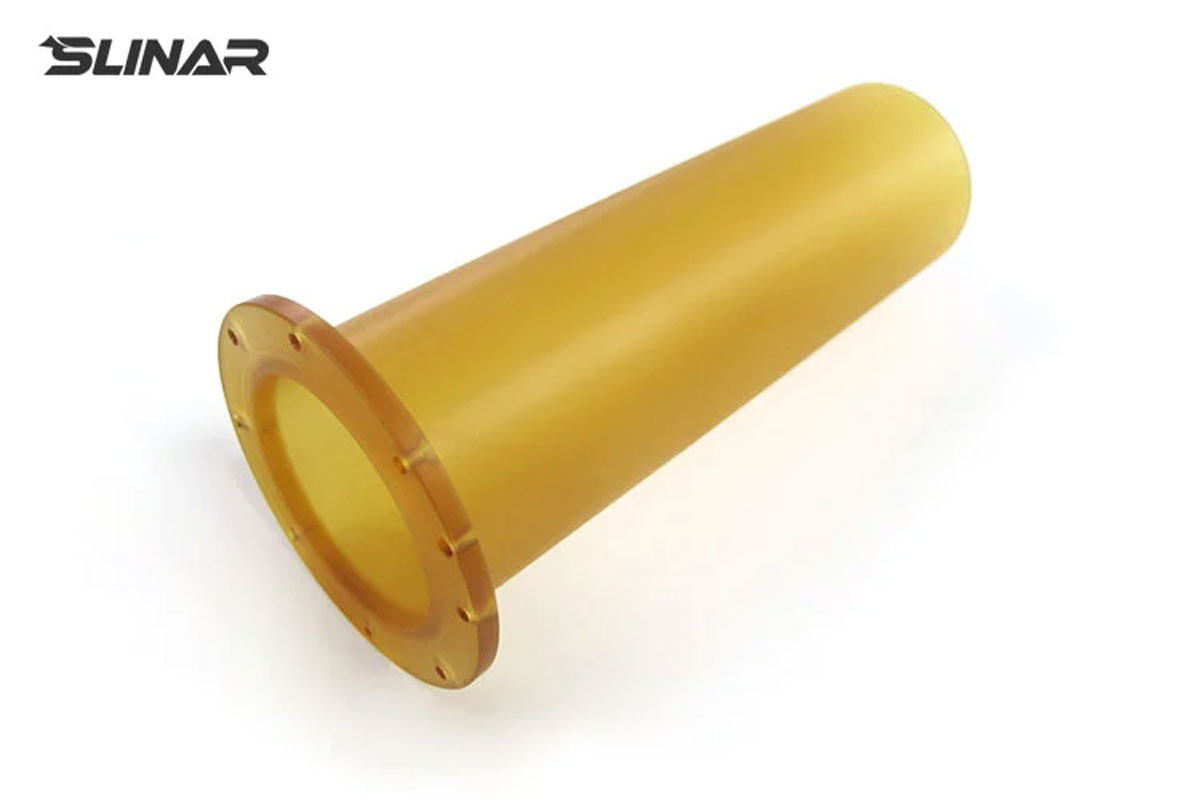
SLINAR - CNC PU

PU

It has excellent wear resistance, high tensile strength, tear resistance and load bearing capacity, and has good biocompatibility.

Understand Polyurethane (PU)

Polyimide (PI)

SLINAR - CNC PI

PI

Thermal decomposition temperature is as high as 600℃, making it one of the most thermal stability varieties among polymers.

Understand Polyimide (PI)
Applications

Medical Devices

  • Surgical instrument handles (PEEK, Delrin)

  • Device housings and enclosures

  • Fluid handling connectors (PTFE, Nylon)

  • Test fixture components

  • Sterilizable instrument parts

Electronics & Semiconductor

  • Electrical connector housings

  • Insulating components (Delrin, Nylon)

  • Semiconductor handling parts (PEEK)

  • Test sockets and probe holders

  • Precision spacers and standoffs

Industrial Equipment

  • Bearing cages and bushings (Delrin, Nylon)

  • Gear components (Nylon, Delrin)

  • Conveyor guides and wear strips

  • Pump components (PTFE, Nylon)

  • Seals and gaskets (PTFE)

Food Processing

  • Conveyor components (Nylon, Delrin)

  • Food-grade fittings (PTFE, Nylon)

  • FDA-compliant parts

  • Cutting board and prep surfaces

Consumer Products

  • Display components (Acrylic, Polycarbonate)

  • Appliance housings and parts

  • Sporting equipment components

Capabilities
We machine all common engineering plastics: PEEK, Acrylic, Nylon, Delrin, PTFE, ABS, Polycarbonate, and Ultem. Our CNC milling and turning centers are configured for plastic machining with sharp carbide or diamond tooling, positive rake angles, and high-pressure air or mist coolant for chip evacuation and heat management. We maintain controlled environments for moisture-sensitive materials. Tolerances held to ±0.02-0.05mm standard, ±0.01mm precision. ISO 9001:2015 certified.
Finishes

As-Machined

  • Standard finish for most plastic parts

  • Tool marks visible, functional surface

  • Ra 1.6 – 3.2μm typical

Polishing

  • Flame polishing for Acrylic

  • Mechanical polishing for transparent parts

  • Ra 0.4μm achievable

Bead Blasting

  • Uniform matte texture

  • Removes tool marks

  • Common for Nylon and Delrin parts

Tumbling

  • Edge deburring

  • Surface smoothing on large quantities

Annealing

  • Stress relief for dimensional stability

  • Critical for close-tolerance parts

  • Reduces warping and distortion

Technical Specs
PlasticMachinabilityKey PropertiesCommon Uses
PEEKFairHigh temp 260°C, biocompatible, chemical resistantMedical, aerospace, semiconductor
AcrylicGoodTransparent, optical clarity, UV resistantDisplays, signs, lenses, light guides
NylonGoodWear-resistant, impact-resistant, self-lubricatingGears, bushings, wear parts, conveyor
DelrinExcellentLow friction, dimensionally stable, strongGears, bearings, bushings, precision parts
PTFEFairNon-stick, chemical-resistant, low frictionSeals, gaskets, bearings, electrical insulation
ABSExcellentImpact-resistant, good finish, low costEnclosures, housings, consumer products
PolycarbonateGoodImpact-resistant, transparent, heat-resistantMachine guards, housings, electrical parts
UltemFairHigh temp 170°C, flame retardant, strongAerospace, medical, electrical components
ParameterCapability
Max Part Size (Milling)2,000mm x 800mm x 600mm
Max Part Size (Turning)600mm diameter x 1,500mm length
Standard Tolerance±0.02 – 0.05mm
Precision Tolerance±0.01mm
Surface Finish (As-Machined)Ra 1.6 – 3.2μm
Surface Finish (Precision)Ra 0.8μm
FAQs
  • What plastics can be CNC machined?

    PEEK, Acrylic, Nylon, Delrin, PTFE, ABS, Polycarbonate, Ultem, and many other engineering thermoplastics. The right material depends on your application requirements—temperature, chemical resistance, wear, or optical clarity.
  • How does machining plastic differ from machining metal?

    Plastics require sharp tooling, positive rake angles, and efficient chip evacuation to prevent melting or smearing. Heat management is critical—plastics have poor thermal conductivity and can melt from cutting friction. Lower cutting speeds with high feed rates are often used.
  • What is the most machinable plastic?

    Delrin (acetal) is considered the most machinable engineering plastic. It machines like brass with excellent dimensional stability. ABS is also highly machinable for general-purpose parts.
  • Can you achieve tight tolerances in plastic?

    Yes, but plastic's thermal expansion and moisture absorption must be considered. Precision work holds ±0.01mm. Stress-relief annealing may be required for close-tolerance parts.
  • What industries use CNC plastic machining?

    Medical devices, electronics and semiconductor, industrial equipment, food processing, consumer products, and automotive. Plastic parts are used where light weight, corrosion resistance, or electrical insulation is required.
  • How do I choose the right plastic for my part?

    Consider the operating environment: temperature, chemical exposure, wear, load, and whether transparency or biocompatibility is required. Review the material properties table above and discuss with our engineering team for specific recommendations.
SLINAR CNC machining service
Ready to scale production?

Upload your CAD for a free quote. No minimum order.

Get Free Quote
Trustpilot