



CNC Machining with Care. From 1 pc to Mass Production. Free DFM Analysis. Get a Quote
Select a language
loading
CNC machining materials

Tool steel CNC Machining

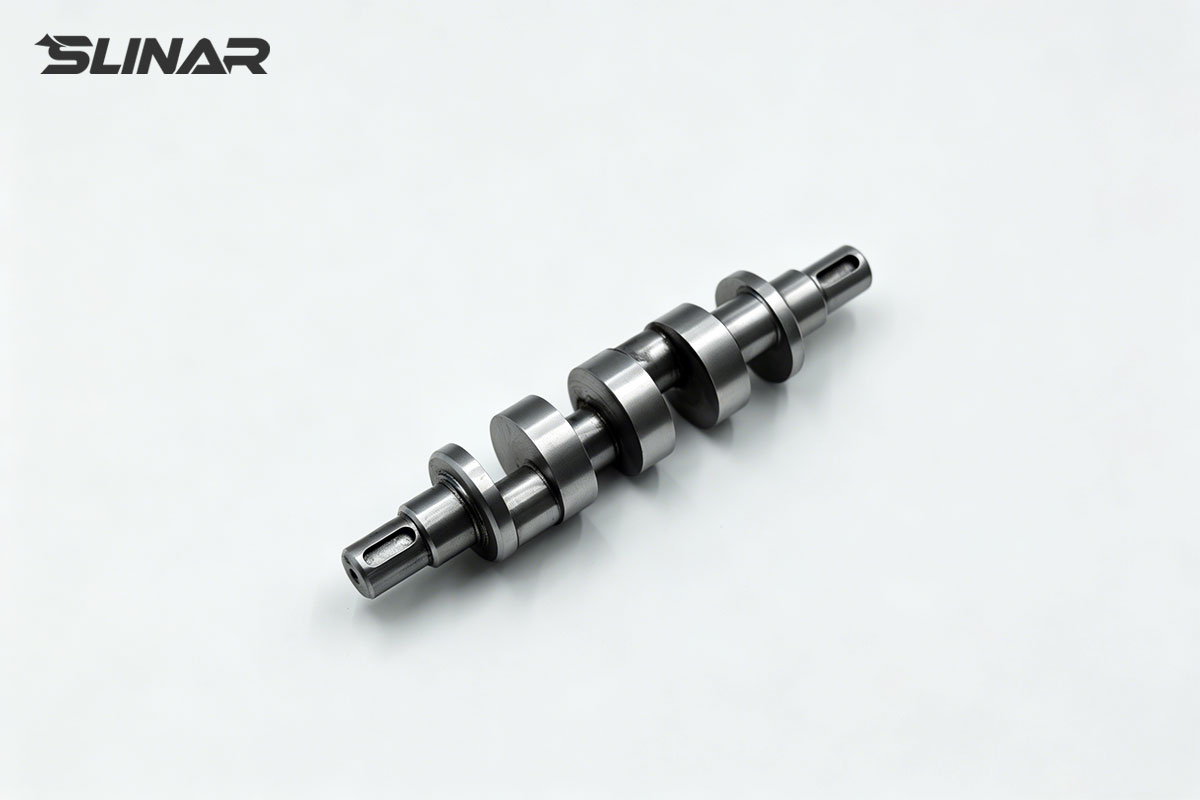
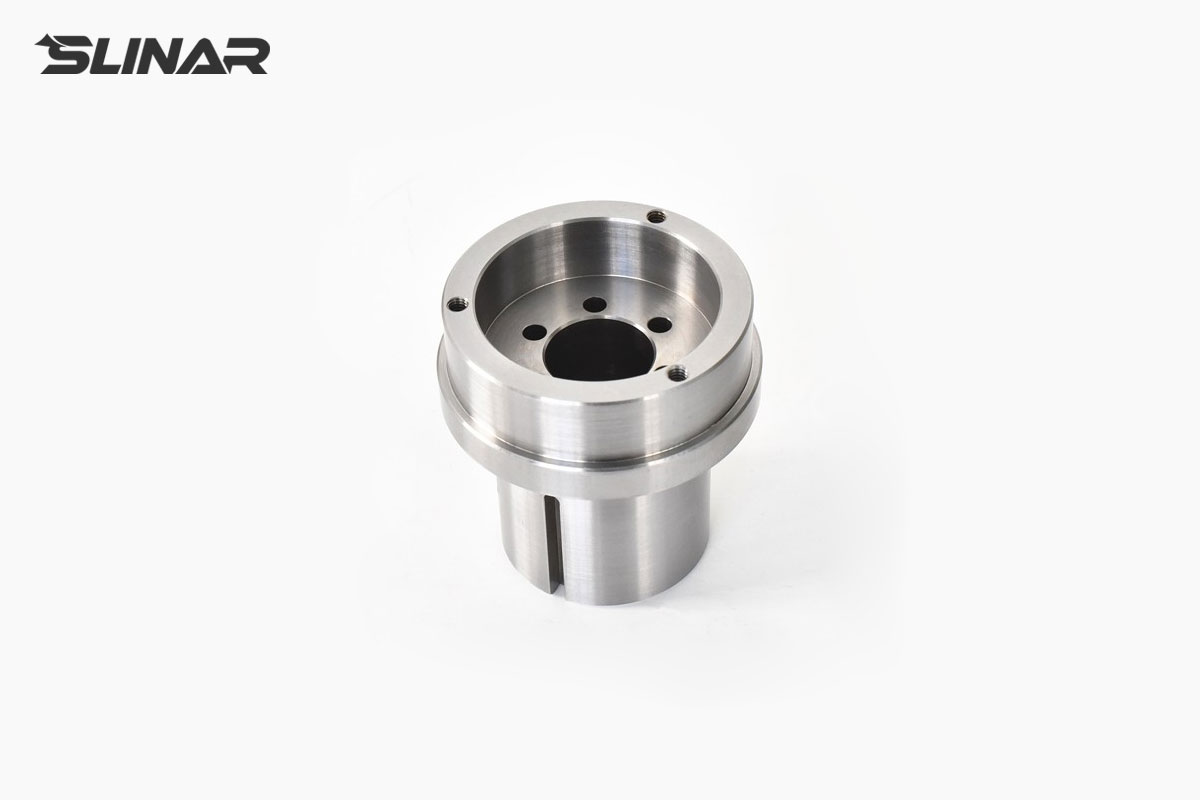
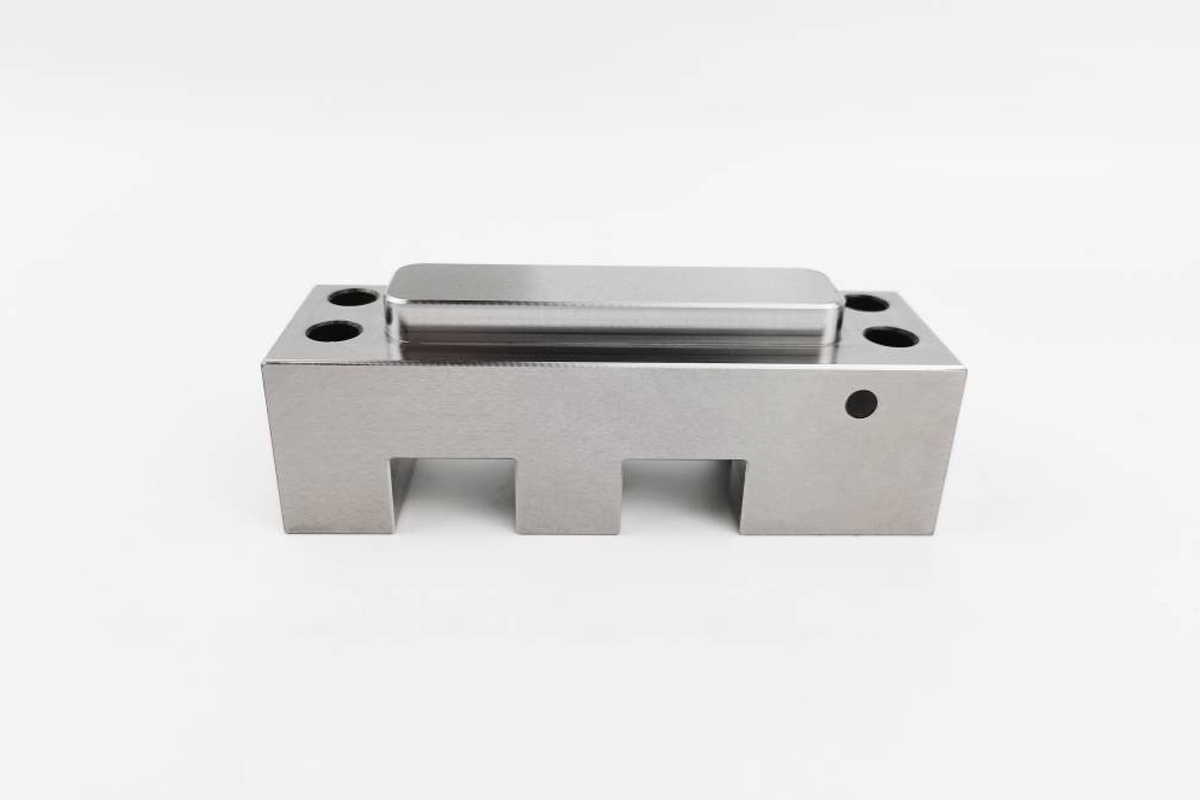
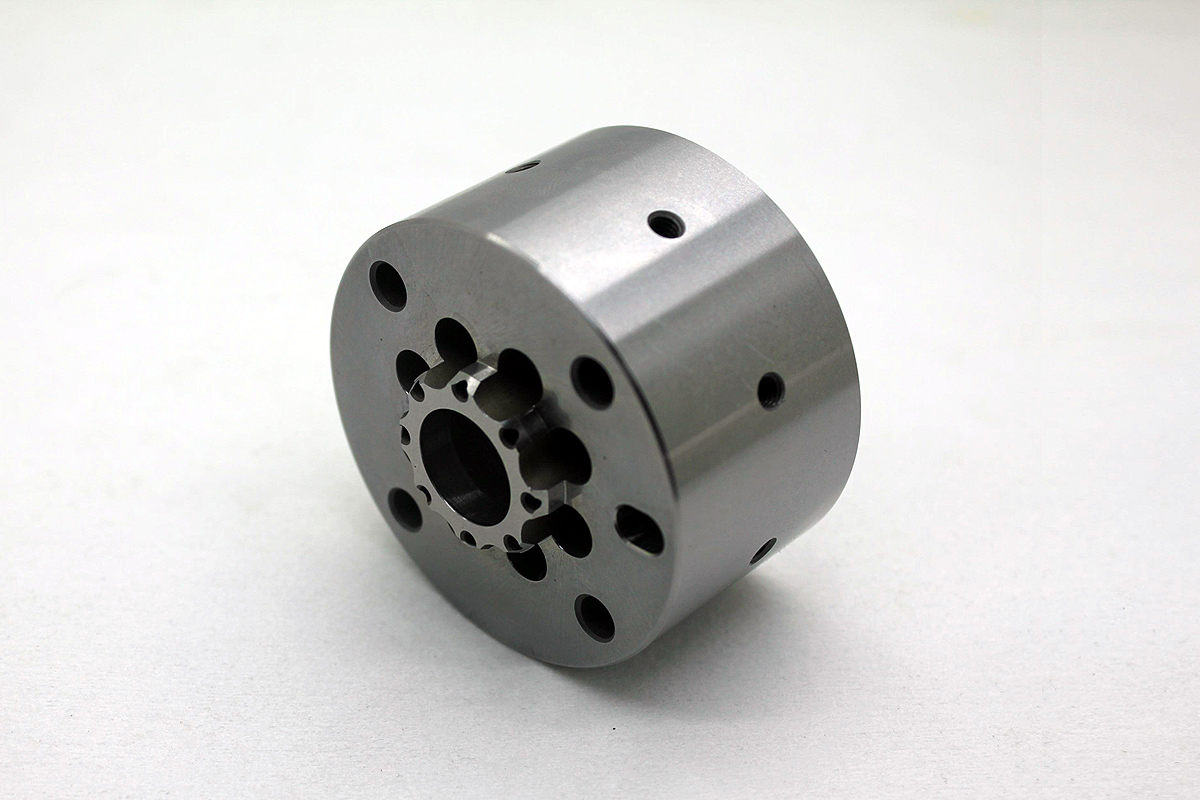
High hardness and stiffness, abrasion resistant. Tool steels are metal alloys with exceptionally high hardness, stiffness and abrasion resistance. Suitable for manufacturing industrial tools.

Order CNC Tool steel parts

Description

Applications

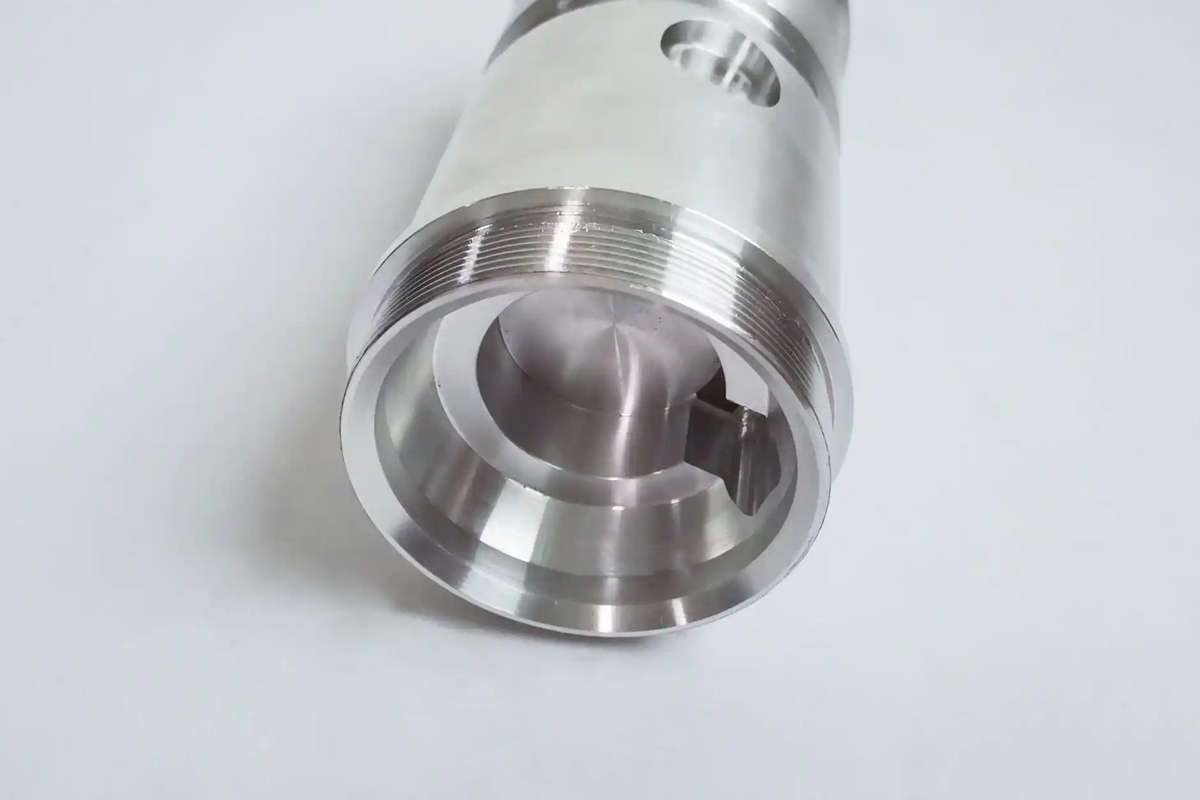
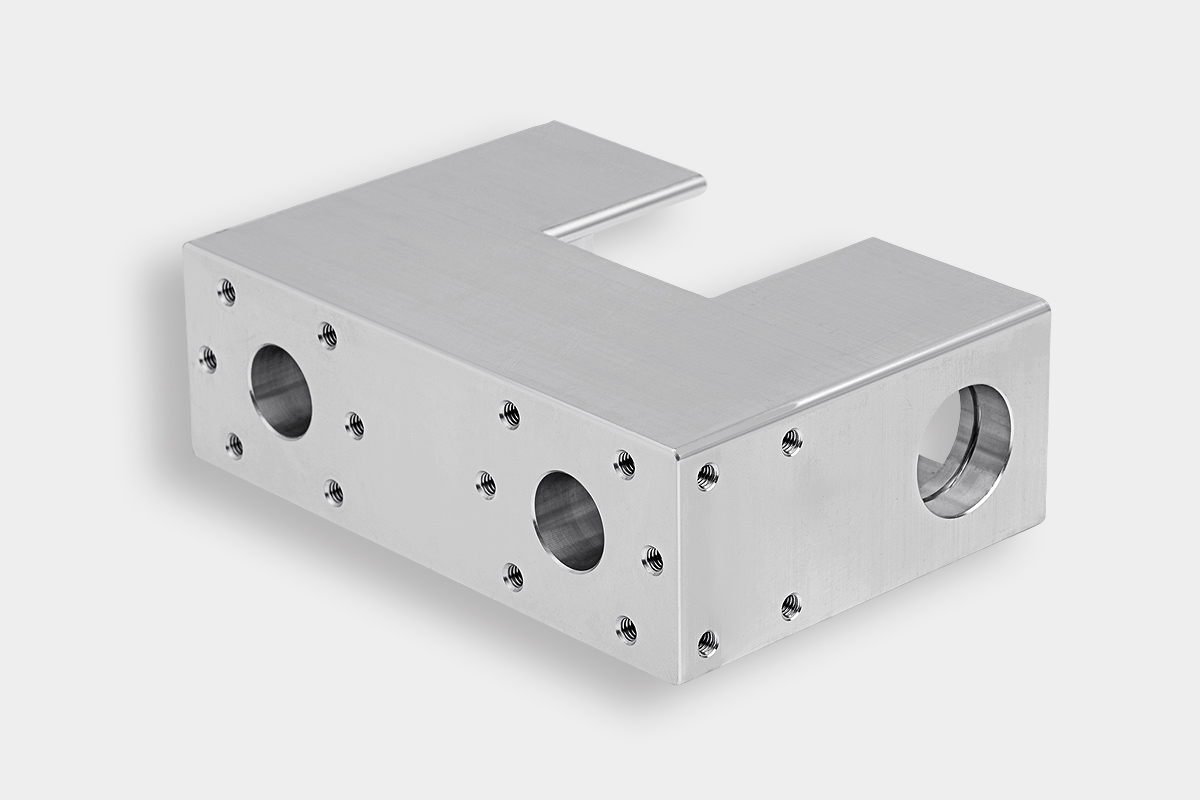
CNC machining produces parts with excellent mechanical properties, accuracy and repeatability from metal and plastic. 3-axis & 5-axis CNC milling available.

Strengths

Excellent mechanical properties,High accuracy & repeatabillity

Weaknesses

Greater geometry restrictions than 3D printing

Characteristics

Price
Mill Lead Time

As fast as 7 days

Finishing Options

Media Blasting, Vibratory Tumbling, Black Oxide, Powdercoating

Available material grades

Tool steel FAQs

  • What is tool steel and what makes it different from other steels?

    Tool steel is a family of high-carbon and high-alloy steels designed for hardness, wear resistance, and the ability to hold a sharp edge or a precise shape under load. What separates it from mild or alloy steel is the carbon content, typically 0.5% to 1.5%, combined with alloying elements like chromium, vanadium, molybdenum, or tungsten. This composition allows tool steel to be hardened to 55–65 HRC, which is far beyond what structural steels can reach. The trade-off is machinability: tool steel is significantly harder to cut, and most machining is done in the annealed state before hardening.
  • Which tool steel grades do you machine most often?

    A2 is the most common air-hardening grade. It offers a good balance of toughness and wear resistance, hardens safely with minimal distortion, and is widely used for punches, dies, and forming tools. D2 is a high-carbon, high-chromium grade with excellent wear resistance, used for long-run stamping dies and cutting tools. O1 is an oil-hardening grade that is easier to machine and harden, common for short-run tooling, gauges, and jigs. S7 is a shock-resisting grade used for chisels, punches, and impact tools. M2 is a high-speed steel used for drills, end mills, and cutting tools that see elevated temperatures.
  • How machinable is tool steel compared to mild steel?

    Substantially less machinable. Annealed A2 machines at roughly 40–45% of the rate of 1018 mild steel. D2 is harder still, around 30–35%, because of its high chromium content and carbide-forming tendency. O1 machines better than A2, at roughly 50–55%, because its lower alloy content makes it softer in the annealed state. In practical terms, a tool steel part will take two to three times longer to machine than the same part in mild steel, and tool wear will be noticeably higher. This is the main reason tool steel parts cost more.
  • What condition do you machine tool steel in?

    Almost always in the annealed or soft-annealed condition. Tool steel in its hardened state, above 50 HRC, is not practical to machine with conventional cutting tools; grinding or EDM is the appropriate process at that hardness. The standard workflow is to machine the part in the annealed state, leaving grinding allowance on critical surfaces, then harden and temper, then finish by grinding or EDM. If your drawing specifies a final hardness, we plan the machining sequence around the heat treatment rather than trying to machine the hardened part.
  • What tolerances can you hold on tool steel parts?

    In the annealed state, standard machining holds ±0.02 to ±0.05mm, and precision work holds ±0.01mm on critical features. After hardening, however, the part will move. Distortion during quenching is unavoidable, though A2 distorts less than O1 or W1. Critical dimensions should therefore be left with grinding allowance and finished after heat treatment. If your part requires both tight tolerances and full hardness, the realistic tolerance is whatever grinding can hold after treatment, typically ±0.005mm to ±0.01mm on critical surfaces.
  • What are the common heat treatment options for tool steel?

    A2 is air-hardened, which means it can be hardened with relatively low distortion and is a good choice for complex shapes. D2 is also air-hardened, but its high chromium content makes it less tough and more prone to cracking during treatment than A2. O1 is oil-hardened, which gives a faster quench and higher hardness but more distortion. S7 is air- or oil-hardened and is chosen for its shock resistance rather than maximum hardness. M2 is hardened at high temperature and tempered for hot hardness. We provide heat treatment certificates and can coordinate treatment through qualified suppliers.
  • What surface finishes are available for tool steel parts?

    Tool steel is often left as-machined or ground, since the surface is usually functional rather than decorative. Grinding produces Ra 0.2 to 0.8μm and is the standard finish for working surfaces. Polishing is used for mold cavities and optical tooling. Coatings such as PVD, TiN, or DLC are common on cutting tools and forming dies to extend life. Black oxide provides mild corrosion protection. Because tool steel is usually specified for wear resistance rather than appearance, the finish specification is typically driven by function, not cosmetics.
  • What are the typical applications for machined tool steel parts?

    A2 is used for punches, dies, forming tools, and shear blades. D2 is used for long-run stamping dies, slitters, and wear parts where abrasive wear is the limiting factor. O1 is used for short-run tooling, gauges, jigs, and fixtures. S7 is used for chisels, impact punches, and shock-loaded tools. M2 is used for drills, end mills, taps, and other cutting tools. In most cases, the tool steel part is itself a tool used to make other parts, which is why its hardness and wear resistance matter more than its own machinability.
  • What is the maximum part size you can machine in tool steel?

    Milling up to 650 × 550 × 450mm. Turning up to 600mm diameter and 1,500mm length. Tool steel at the upper end of this range is usually die or mold components, where the size reflects the part being produced rather than the tool steel's own requirements. Large tool steel sections bring additional considerations around heat treatment distortion and handling, so we review these during quoting.
  • What documentation comes with tool steel parts?

    Material test reports with chemical composition and hardness in the as-supplied condition. Dimensional inspection reports. Certificates of conformance. Heat treatment certificates showing the hardening and tempering process and the achieved hardness. For tooling that will be used in production, we can provide hardness verification readings on the finished part. If a coating is applied, the coating certificate is included.
Get parts quickly with our processing
Complete CNC machining of parts within 1 week.
Get Free Quote
SLINAR CNC machining service
Ready to scale production?

Upload your CAD for a free quote. No minimum order.

Get Free Quote
Trustpilot