CNC Machining with Care. No MOQ. From prototype to mass production. Free DFM & 24h quotes. Get a Quote
Select a language
Rapid Prototyping with 3D Printing
Industrial 3D Printing for Prototyping & End-Use Parts

Industrial 3D Printing for Prototyping & End-Use Parts

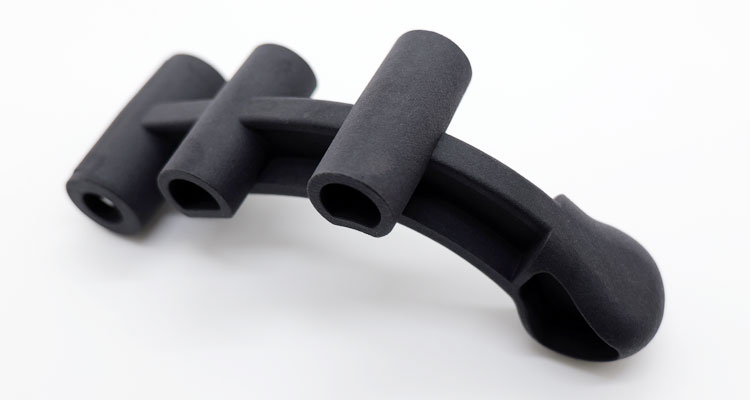
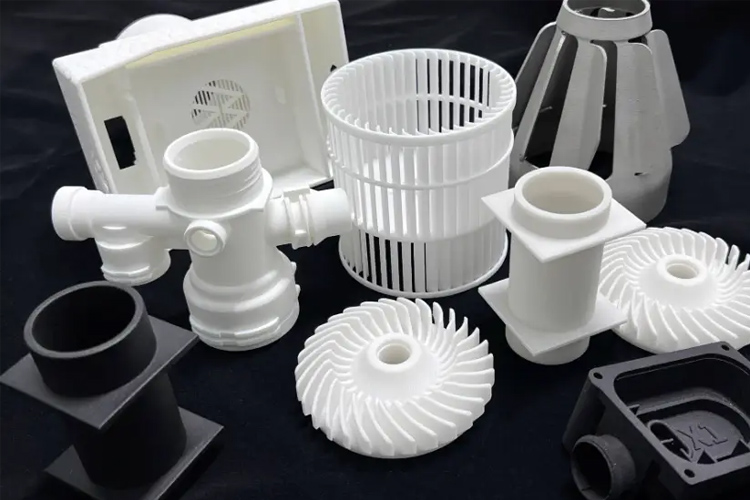
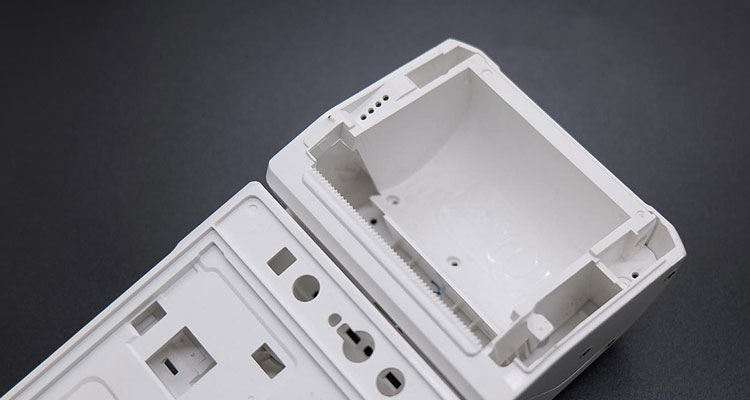
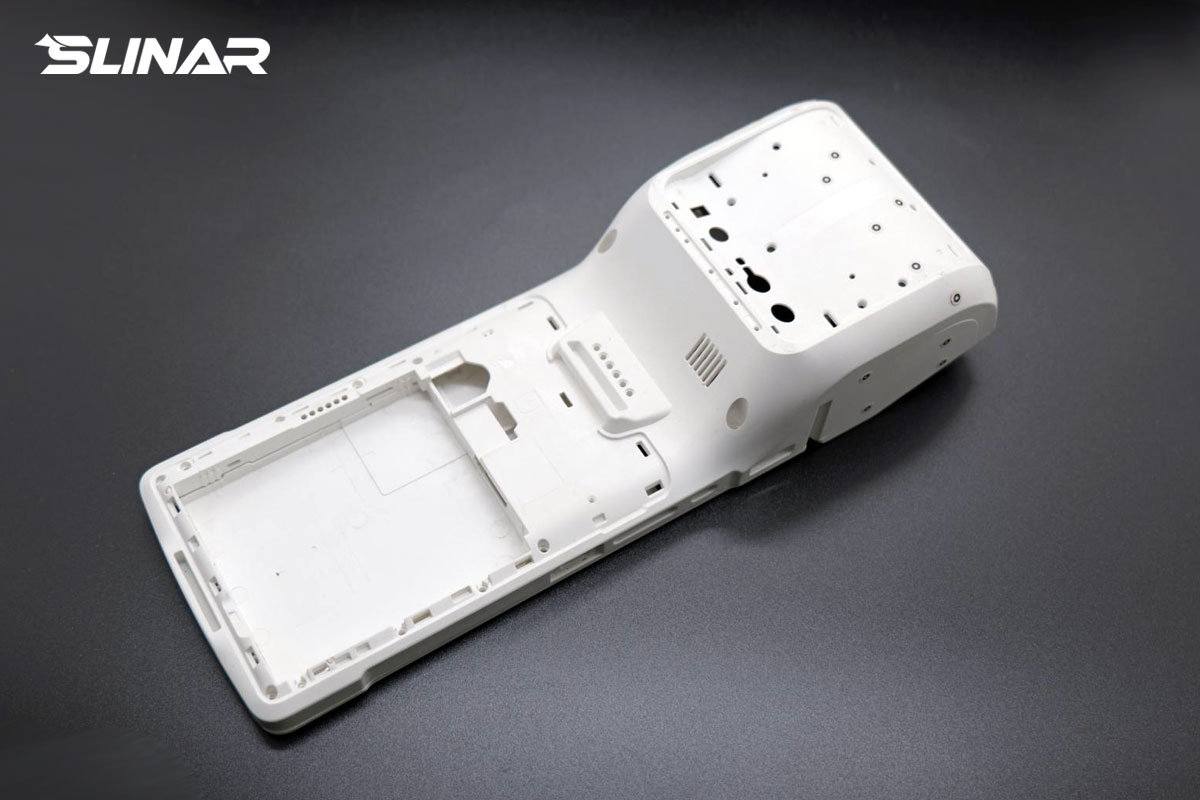
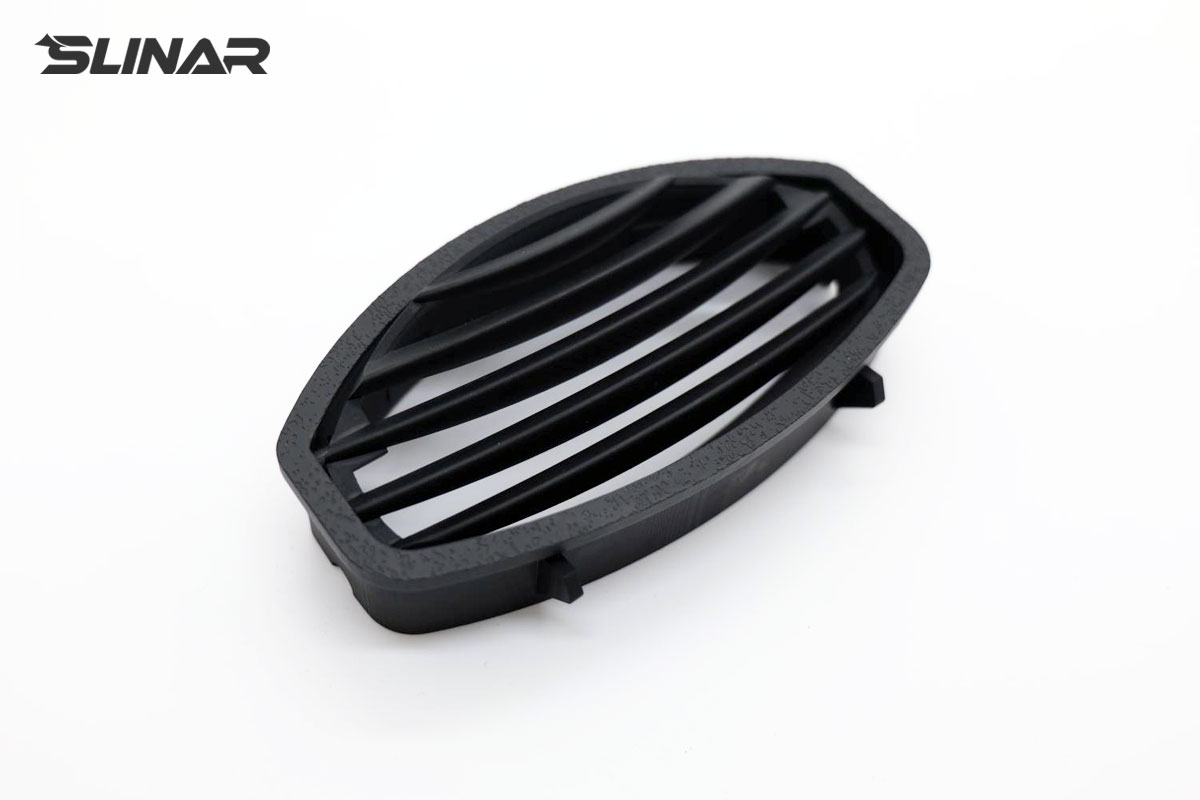
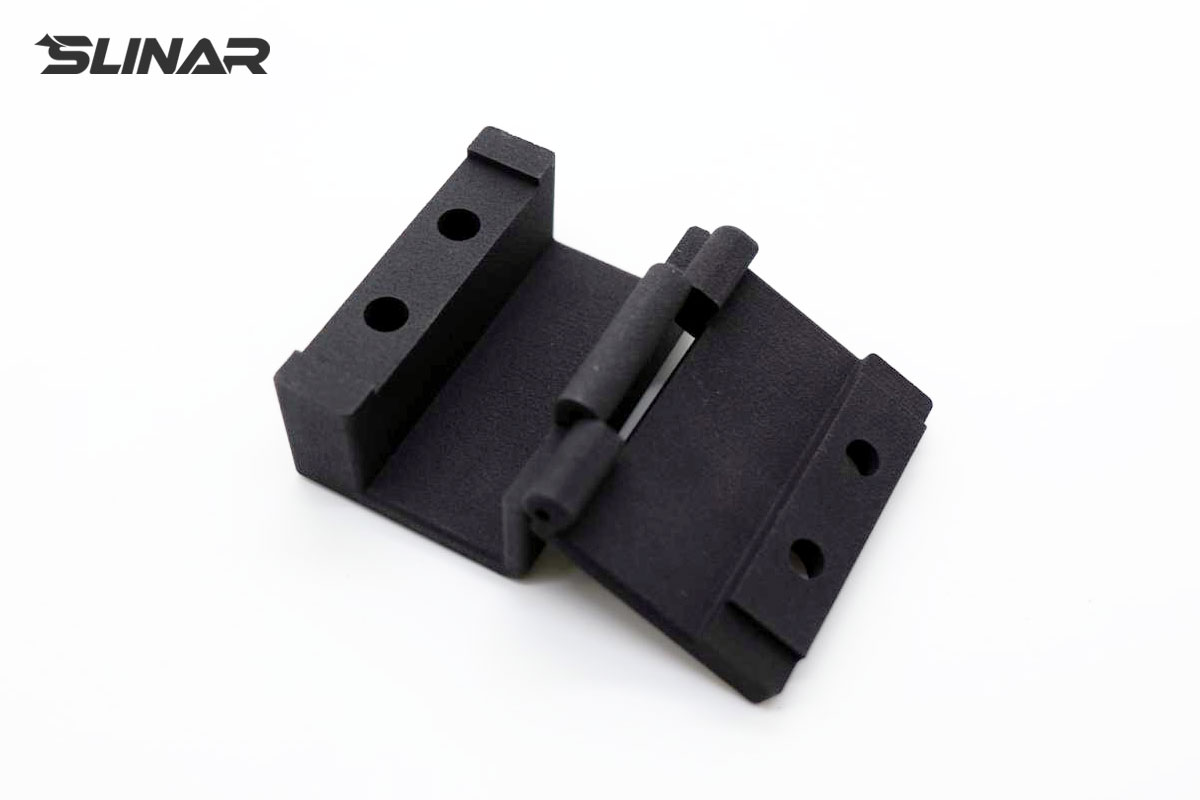
Our 3D printing workshop is equipped with FDM, SLS, and MJF systems, enabling us to produce high-precision parts for a wide range of applications. From concept models to fully functional components, we combine advanced additive manufacturing with strict quality control and cost-efficient production to support your supply chain needs.

Custom 3D Printing Services – Rapid Prototyping to End-Use Production

Custom 3D Printing Services – Rapid Prototyping to End-Use Production

Slinar provides comprehensive additive manufacturing solutions for custom 3D-printed parts. Whether you need single-piece prototypes for rapid product development or durable end-use components for full-scale production, our 3D printing services help you procure parts efficiently without compromising quality.

We offer a broad selection of manufacturing polymers, including PLA, PETG, ABS, and nylon, with our material partners continuously introducing newer, high-performance plastics. For metal 3D printing, please contact your account manager or request a consultation through our offerings page.

Industrial 3D printing services for production & tooling

Industrial 3D printing services for production & tooling

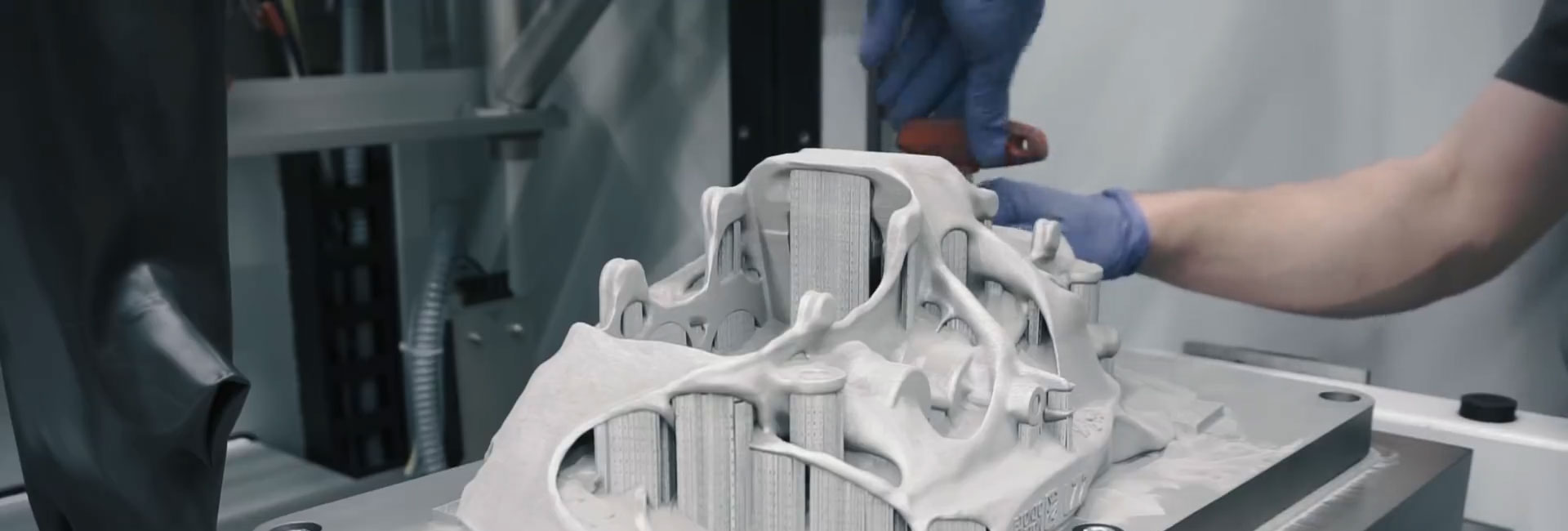
Industrial 3D printing technology has matured from a prototyping tool into a full-scale production solution. With advanced platforms like industrial FDM, SLA, SLS, and MJF, manufacturers can now produce larger batch quantities and work with a wider range of high-performance materials beyond standard polymers.

These capabilities open new possibilities for production tooling. For example, 3D-printed molds offer a cost-efficient alternative to conventional tooling for injection molding, significantly lowering the barrier for mass-producing plastic parts. Sectors such as automotive, medical devices, electronics, and toy manufacturing are leveraging industrial 3D printing as a complementary – or primary – manufacturing method alongside CNC machining and injection molding, especially for complex, low-volume, or customized components.


3D Printing Applications: Prototypes to End-Use Parts

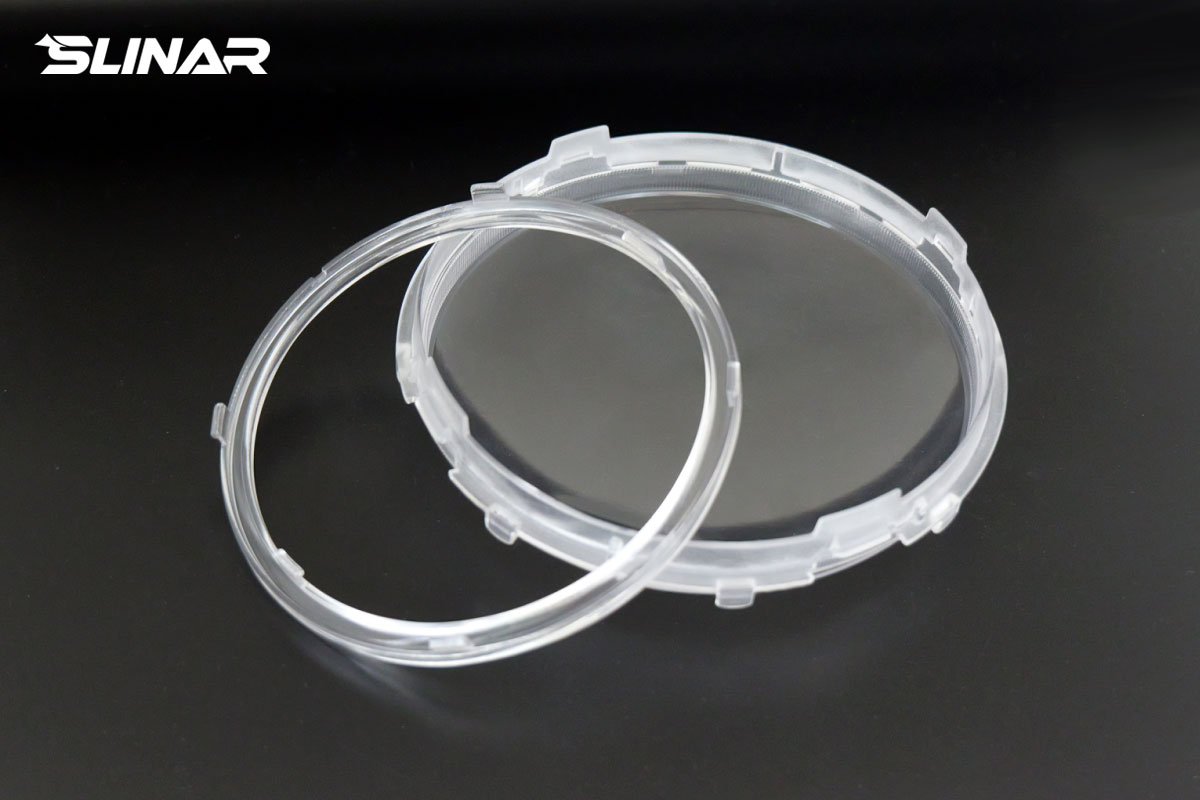
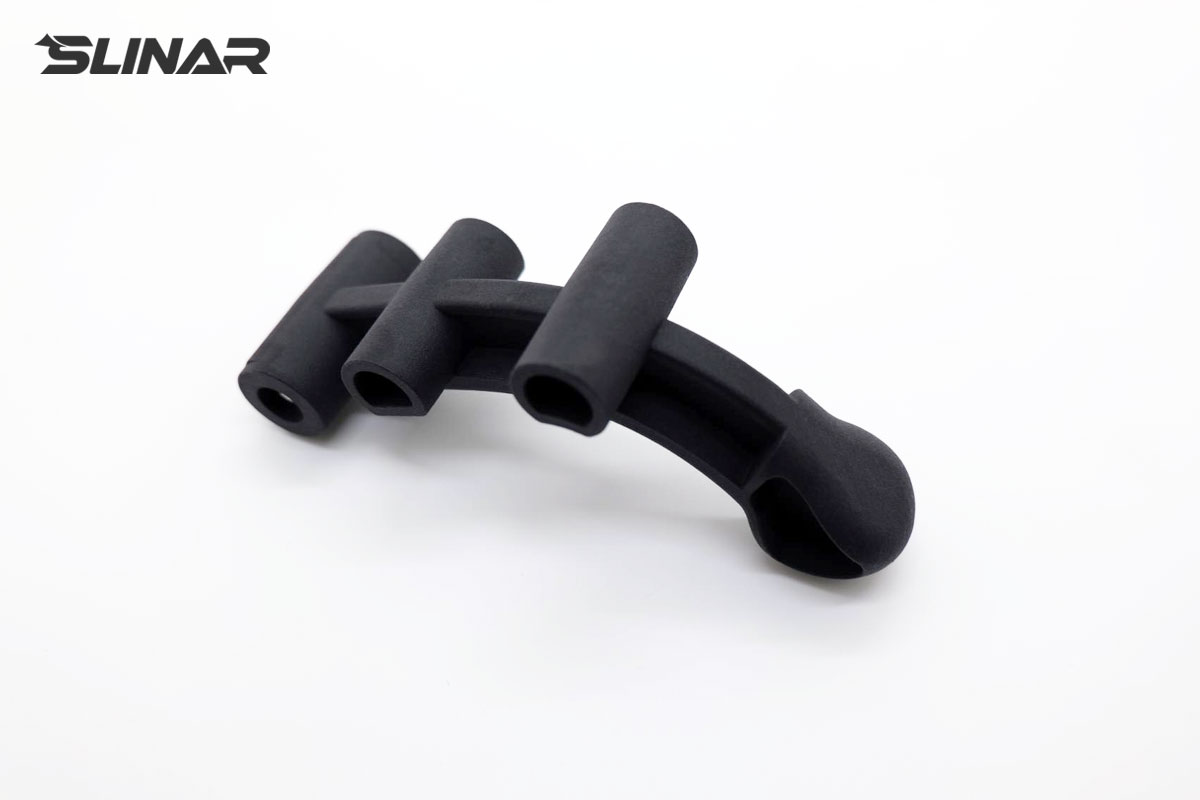
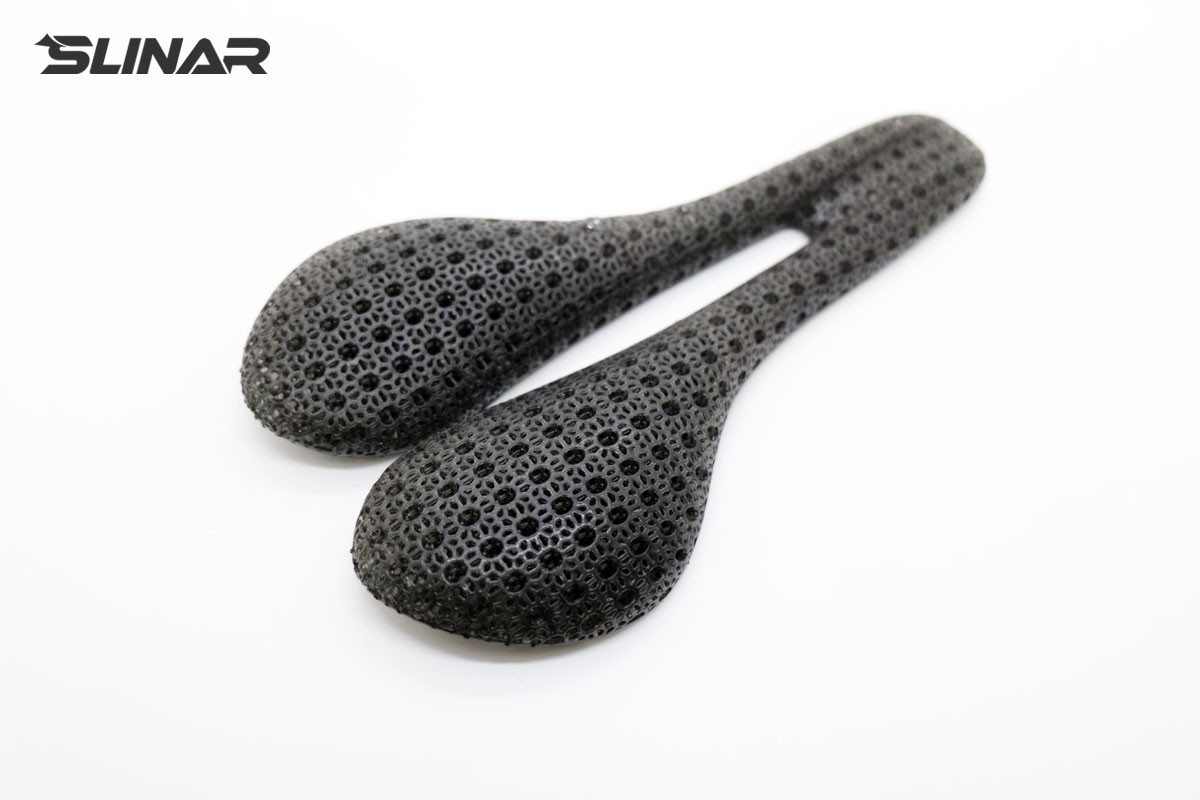
Discover how our SLA, SLS, and Metal 3D printing technologies are applied across industries. These case studies include detailed prototypes, functional testing models, and final production parts that solve complex design challenges.

Available materials for 3D printing

We can generate instant 3D printing quotes for 25+ plastics. For metal 3D-printed parts, you can request a quote from our company, Slinar.

3D printing materials Plastic

3D printing materials Plastic

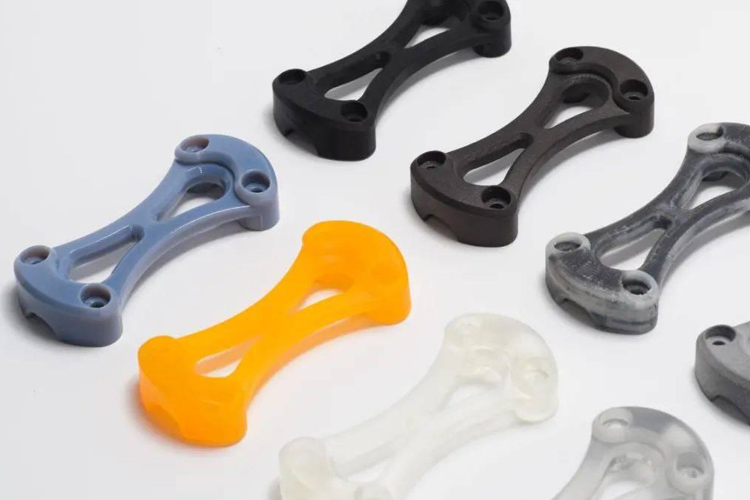
We can generate instant 3D printing quotes for 25+ plastics.

PLA,ABS,PETG,PP,Nylon,PC,TPV,PVA

3D printing materials Metal

3D printing materials Metal

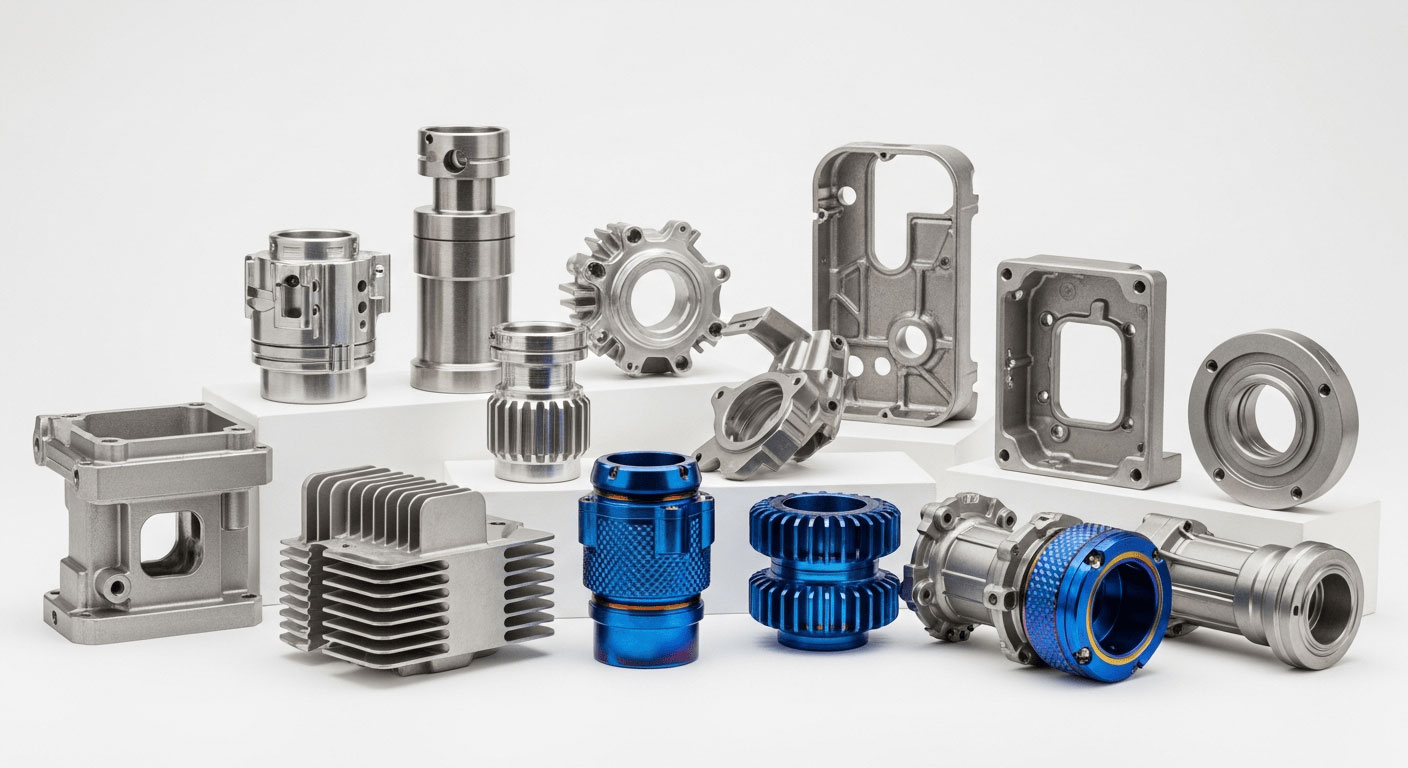
There are more than 15 metal materials to choose from.

Stainless steel: 316L, 304
Aluminum: AlSi10Mg、AlSi7Mg、AlSi9Cu3
Ti alloy: Ti、Ti6A14V(TC4)、Ti6A17Nb
Nickel alloy: Inconel 625、Inconel 718、Inconel 939
Cylindrical alloy: Co 212、Co 452、Co 502、CoCr28Mo6

Digital Additive Manufacturing (AM) Center

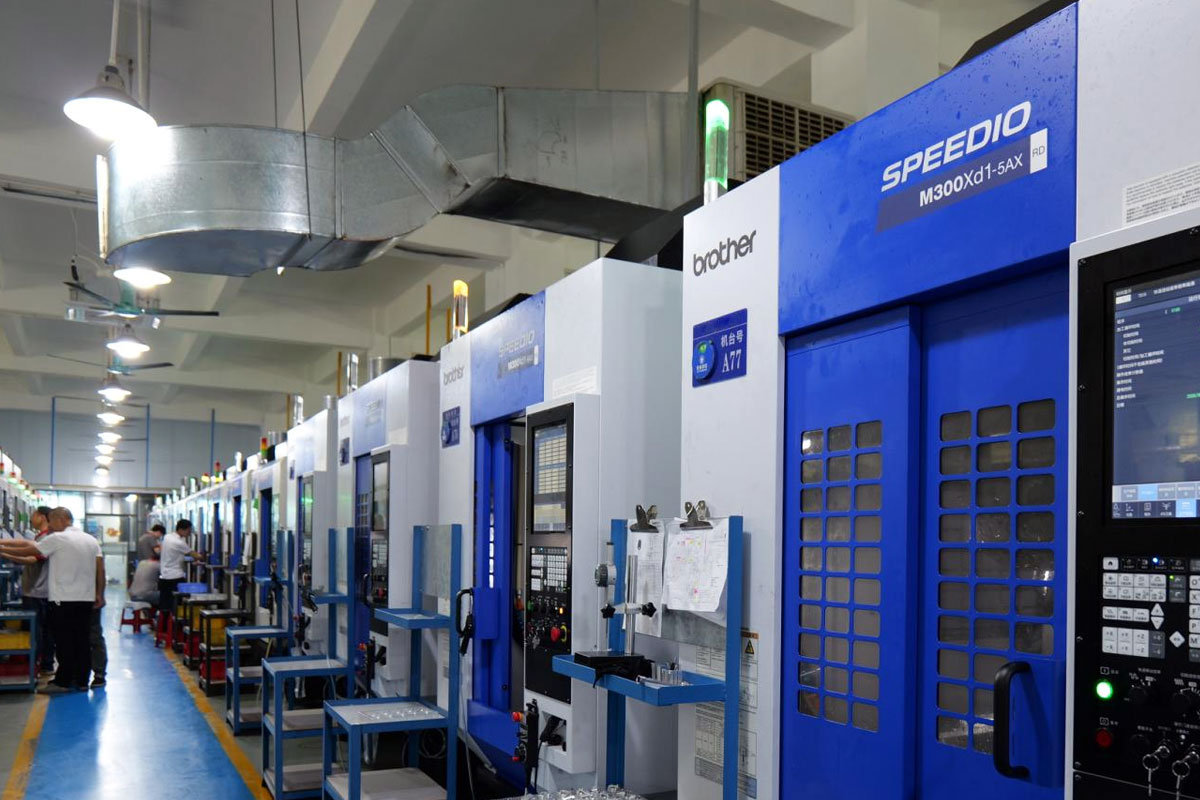
Our air-conditioned and material-controlled AM center operates a fleet of industrial-grade 3D printers, transforming CAD data into functional parts within hours, not days. We support the entire product lifecycle from concept validation to end-use production.

Why Choose US

Slinar is an ISO 9001:2015 and AS9100-certified manufacturer based in Shenzhen, China, with over 12 years of experience in high-precision CNC machining.

Learn more

FAQs about 3D printing service

  • How do I design parts for 3D printing?

    For tips on designing for production, take a look at our key design considerations for 3D printing. Designing models for 3D printing is generally done with CAD software such as Solidworks and Fusion 360, or 3D modeling software such as Blender, Maya or 3Ds max.
  • How much does your 3D printing service cost?

    The cost of your 3D printed parts depends on factors such as part volume, part complexity, choice of material, which 3D printing technology is used, and if any post processing is required. For more details on these cost factors, see our article on the cost of 3D printing. To check the cost of your 3D printed part, simply upload a CAD (.STL) file and select your material and 3D printing technology to receive a quote within seconds.
  • How can I reduce the cost of my 3D prints?

    In order to reduce the cost of your 3D prints you need to understand the impact certain factors have on cost. The main cost influencing factors are the material type, individual part volume, printing technology and post-processing requirements.

    Once these have been decided, an easy way to further cut costs is to reduce the amount of material used. This can be done by decreasing the size of your model, hollowing it out, and eliminating the need for support structures.
  • How do you guarantee the quality of my prints?

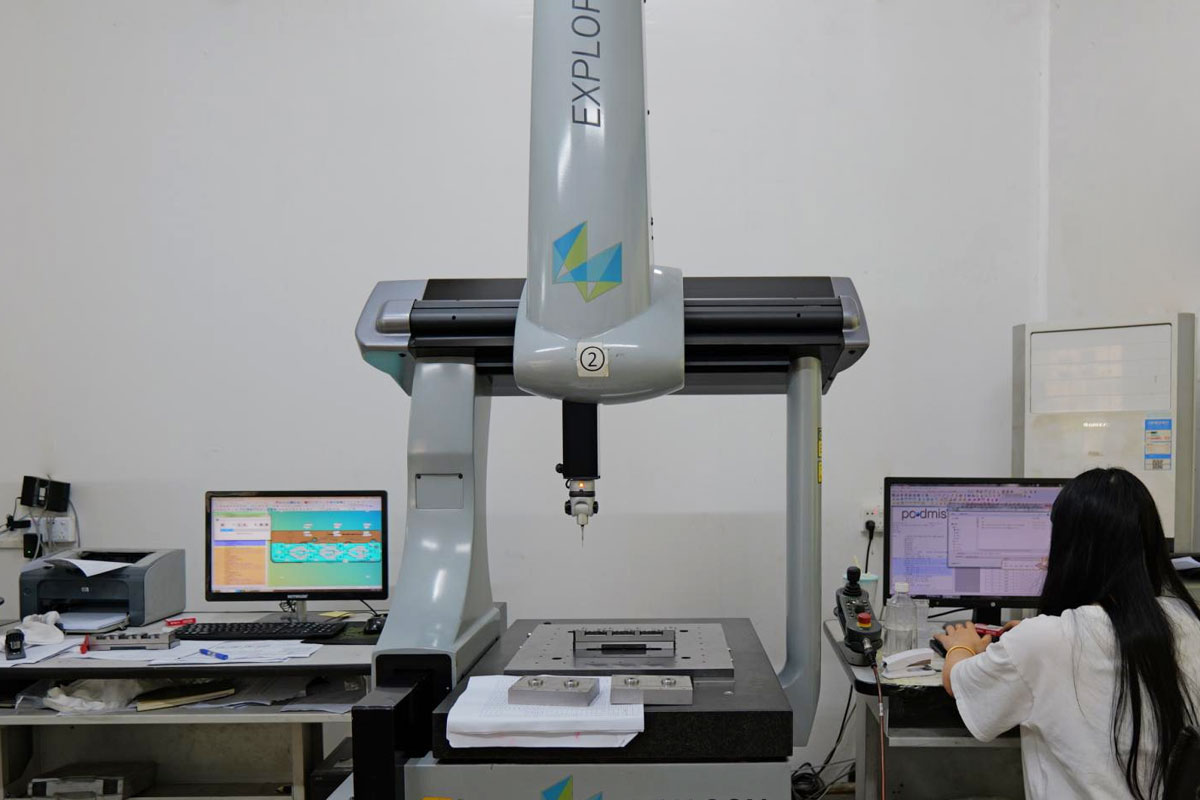
    Your parts are made by experienced 3D printing shops within our network. All facilities are regularly audited to ensure they consistently meet The Protolabs Network Standard. We include a standardized inspection report with every order and offer a First Article Inspection service on orders of 100+ units.

    We have partners in our network with the following certifications, available on request: ISO9001, ISO13485 and AS9100.
  • How do I select the right 3D printing process for my prints?

    You can select the right 3D printing process by examining which materials suit your need and what your use case is.

    By material: if you already know which material you would like to use, selecting a 3D printing process is relatively easy, as many materials are technology specific.

    By use case: once you know whether you need a functional or visual part, choosing a process is easy.
Ready to scale production?

Upload your CAD for a free quote. No minimum order.

Get Free Quote
Trustpilot