



CNC Machining with Care. From 1 pc to Mass Production. Free DFM Analysis. Get a Quote
Select a language
loading
CNC machining materials

Aluminum CNC Machining

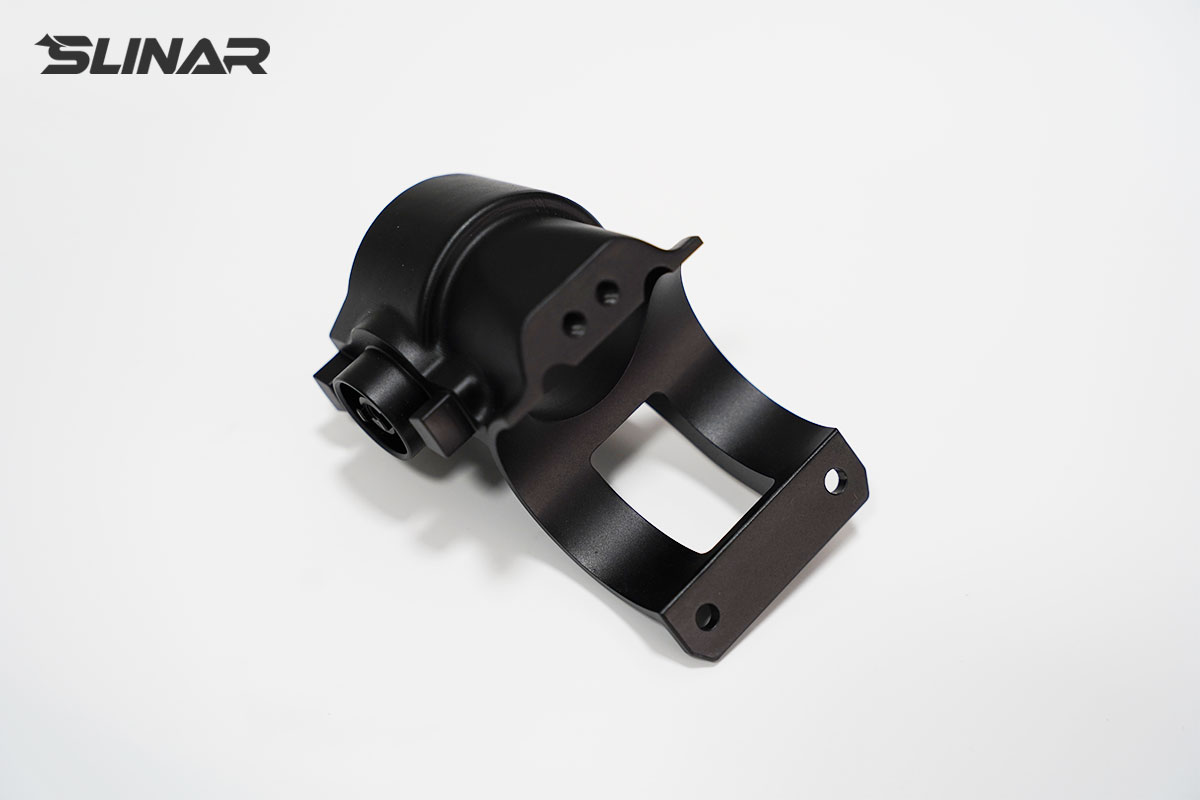
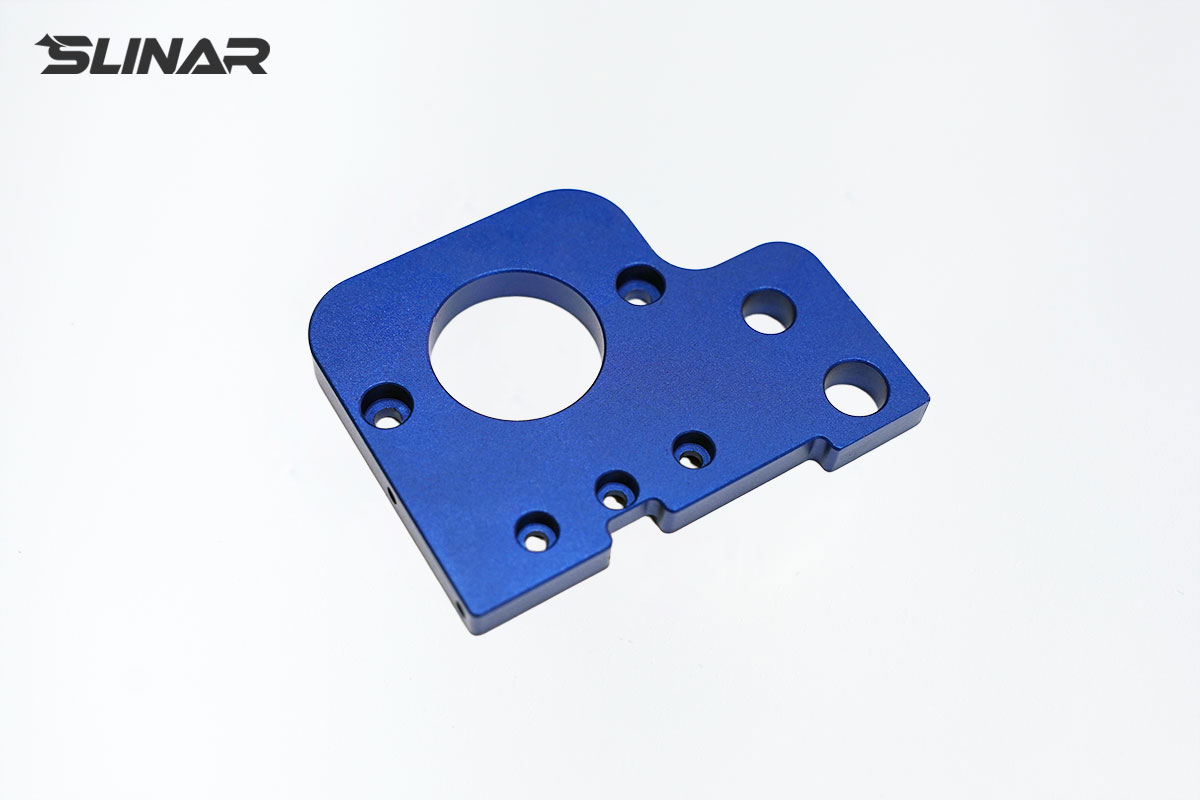
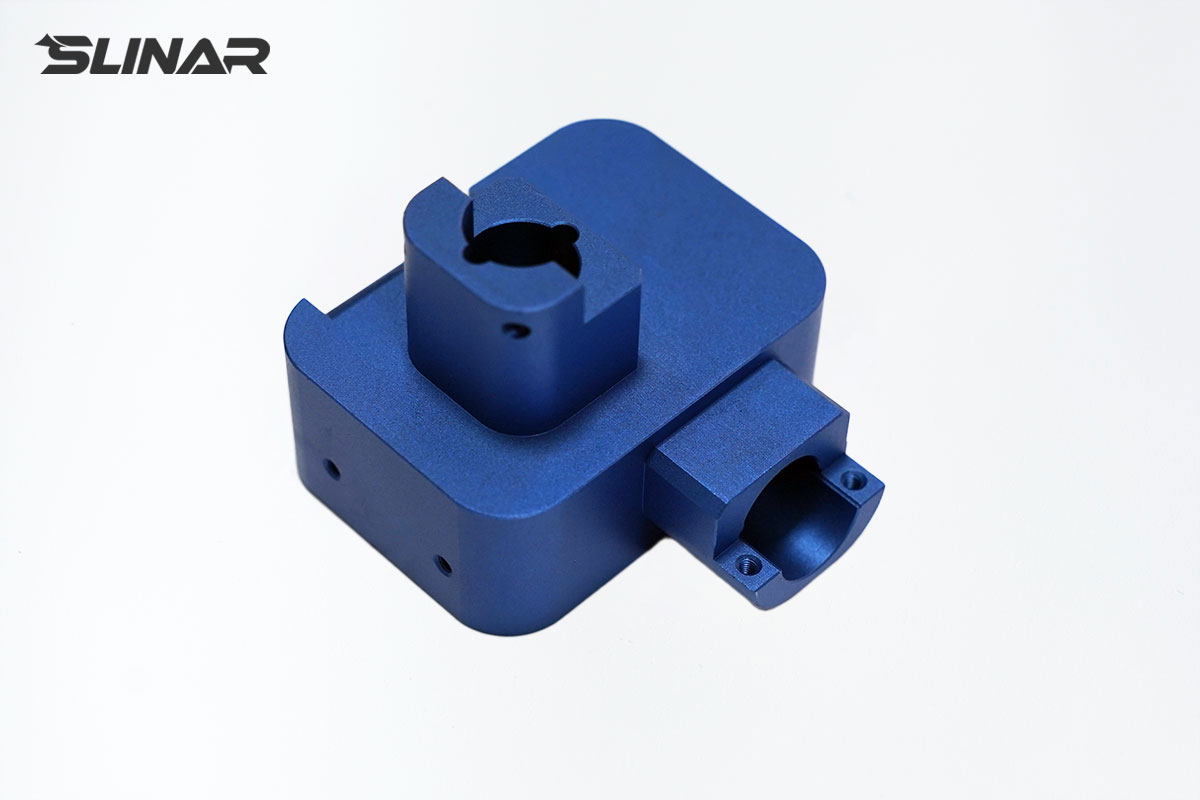
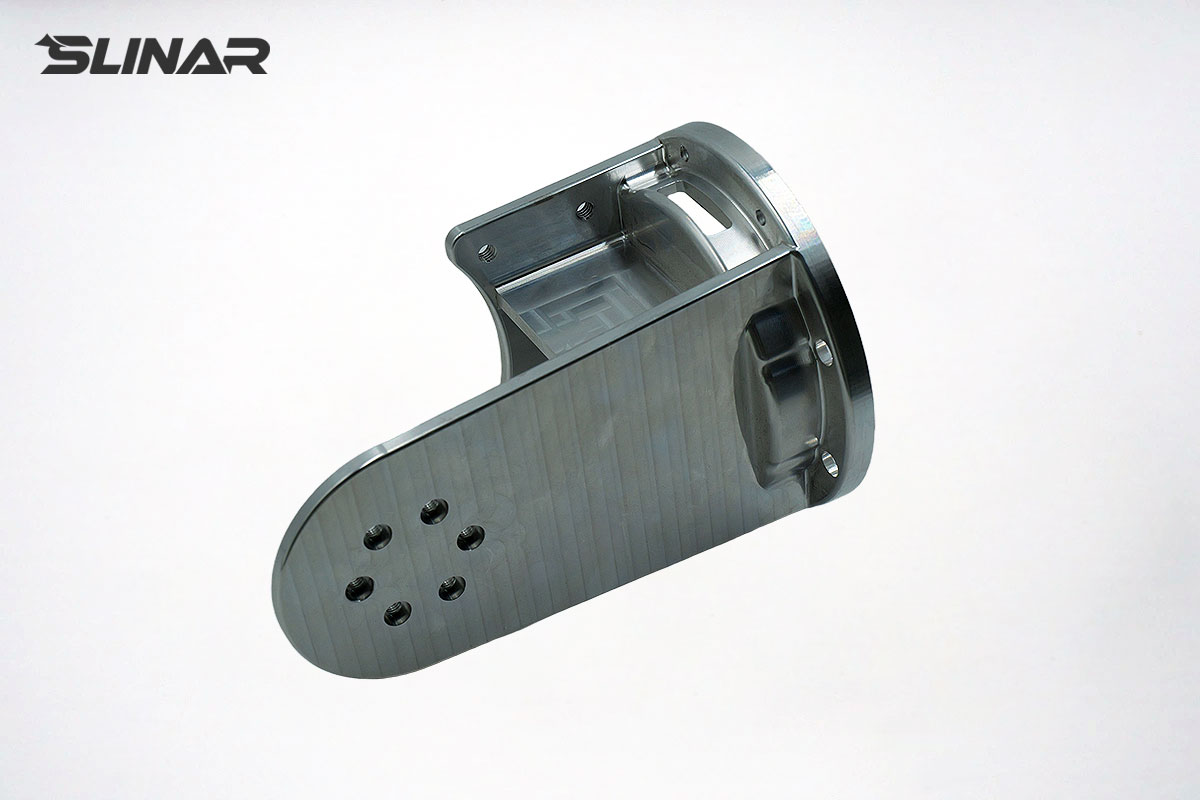
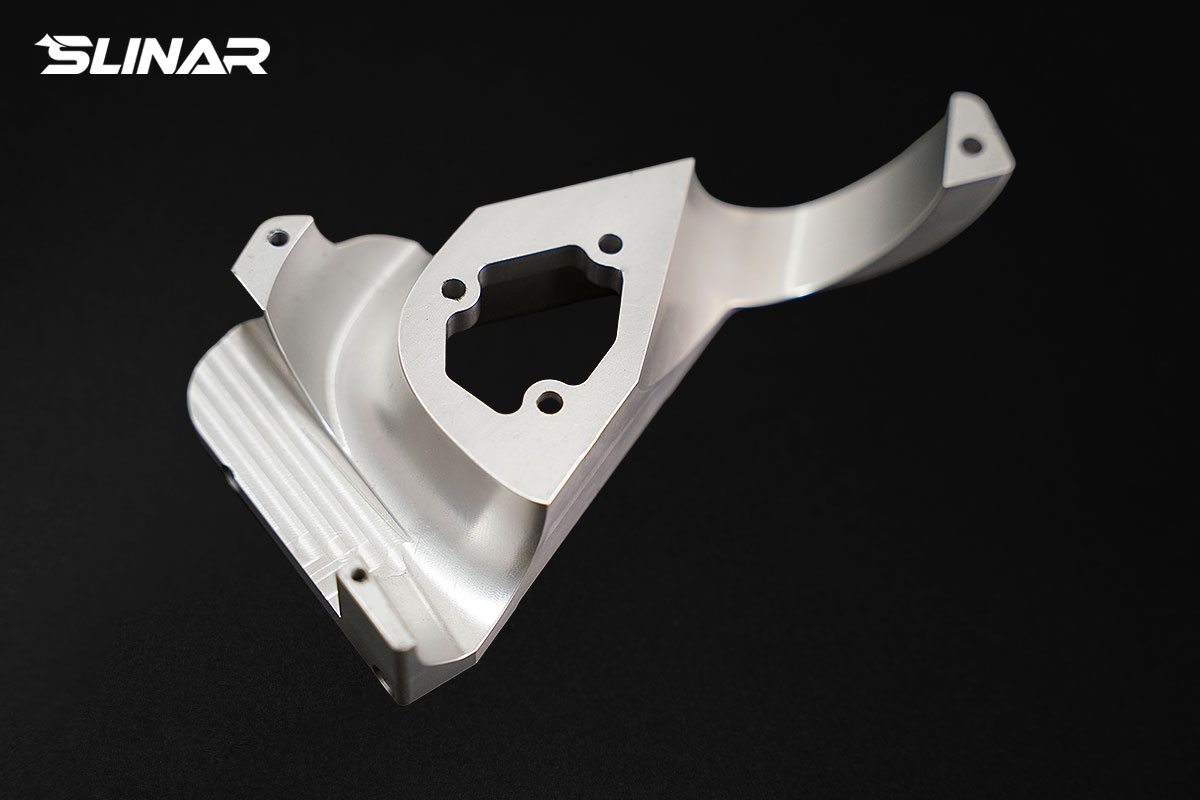
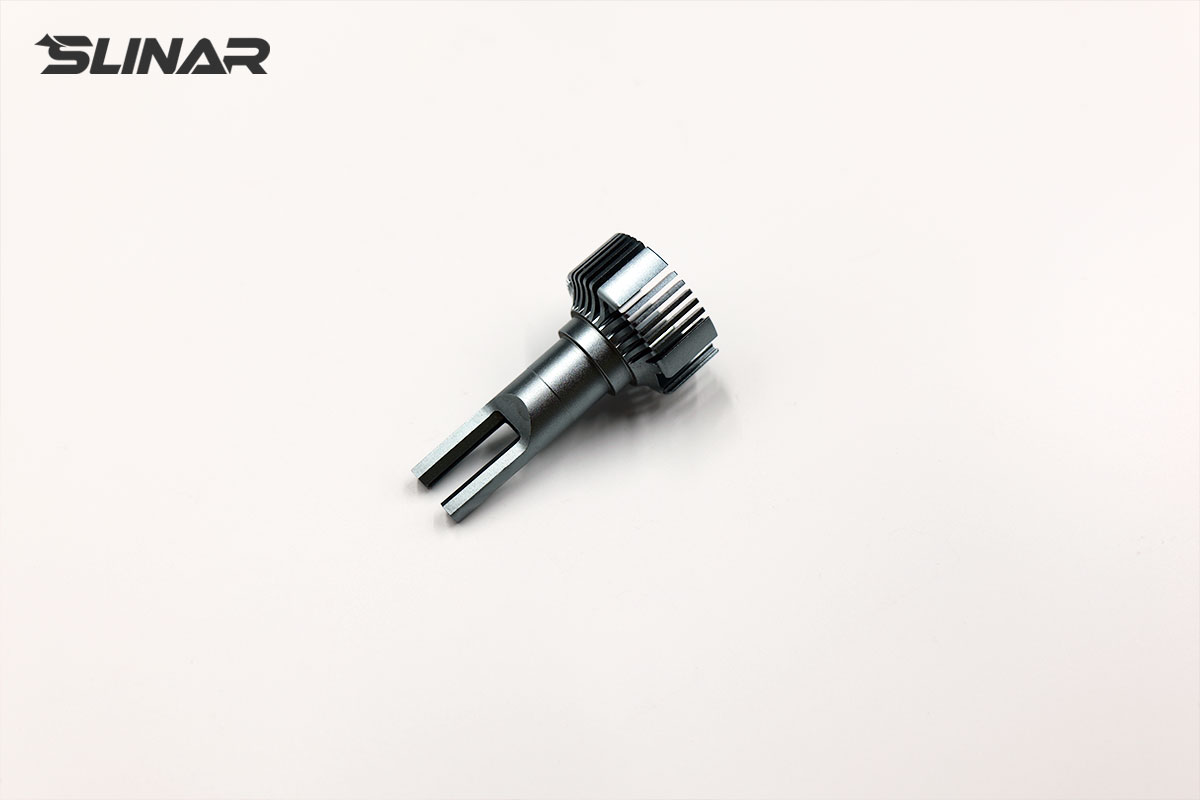
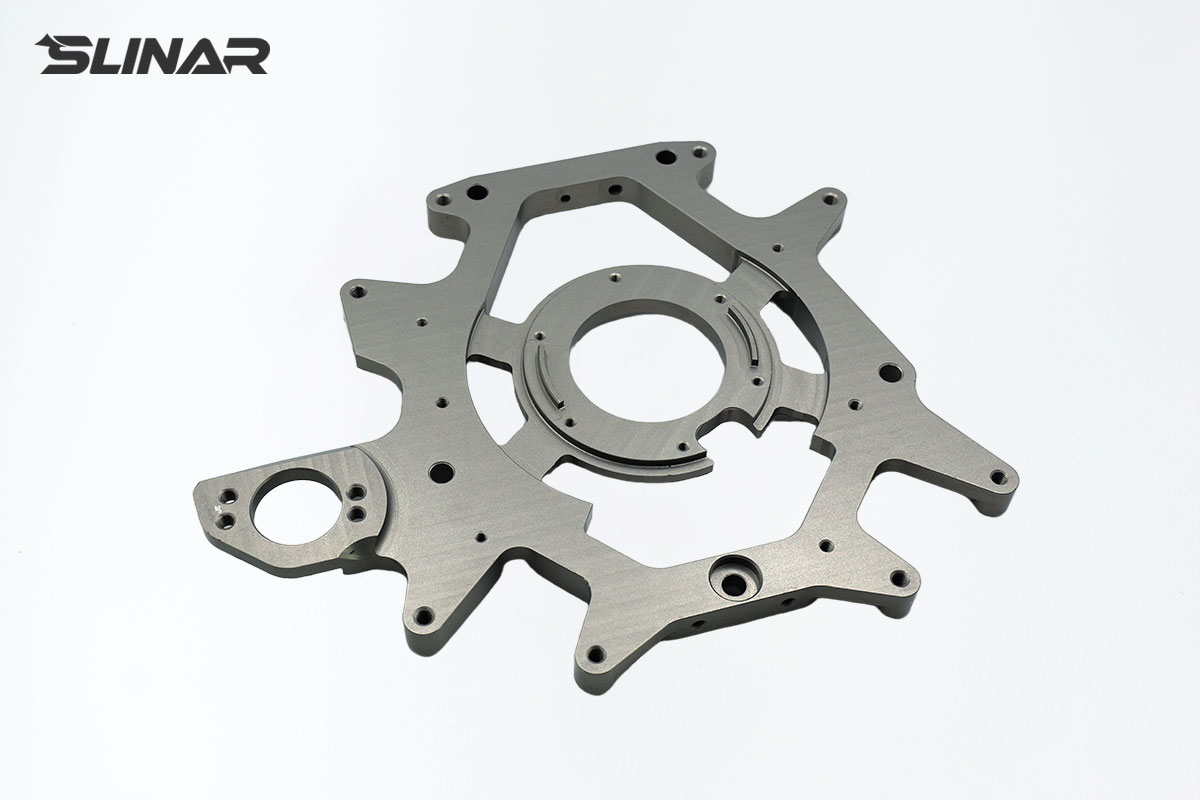
High machinability and ductility, good strength-to-weight ratio. Aluminum alloys have good strength-to-weight ratio, high thermal and electrical conductivity, low density and natural corrosion resistance. Can be anodized.
Order CNC Aluminum parts

Description

Applications

CNC machining produces parts with excellent mechanical properties, accuracy and repeatability from metal and plastic. 3-axis & 5-axis CNC milling available.

Strengths

Excellent mechanical properties,High accuracy & repeatabillity

Weaknesses

Greater geometry restrictions than 3D printing

Characteristics

Price
Mill Lead Time

As fast as 3 days

Alloys

6061-T6, 7075-T6, 7050, 2024, 5052, 6063, MIC6

Finishing Options

Alodine, Anodizing Types II, III, III + PTFE, ENP, Media Blasting, Nickel Plating, Powder Coating, Tumble Polishing.

Available material grades

CNC machined aluminum

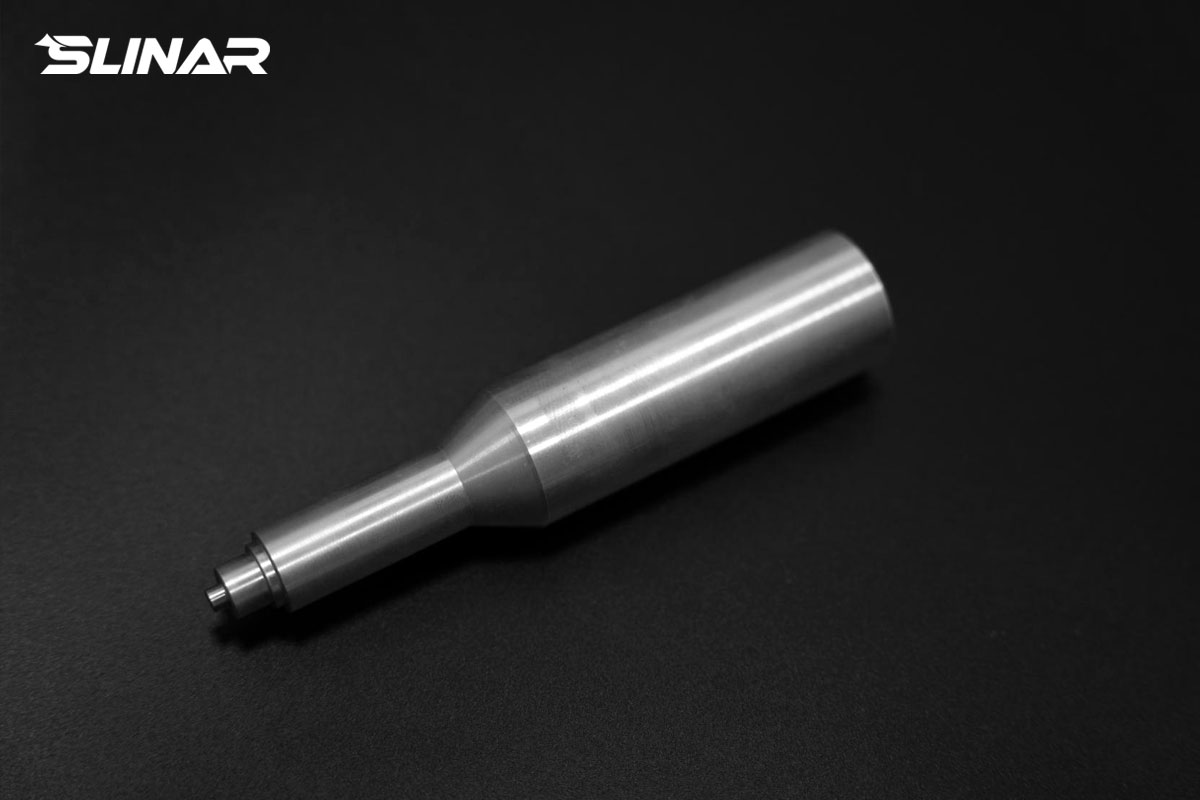
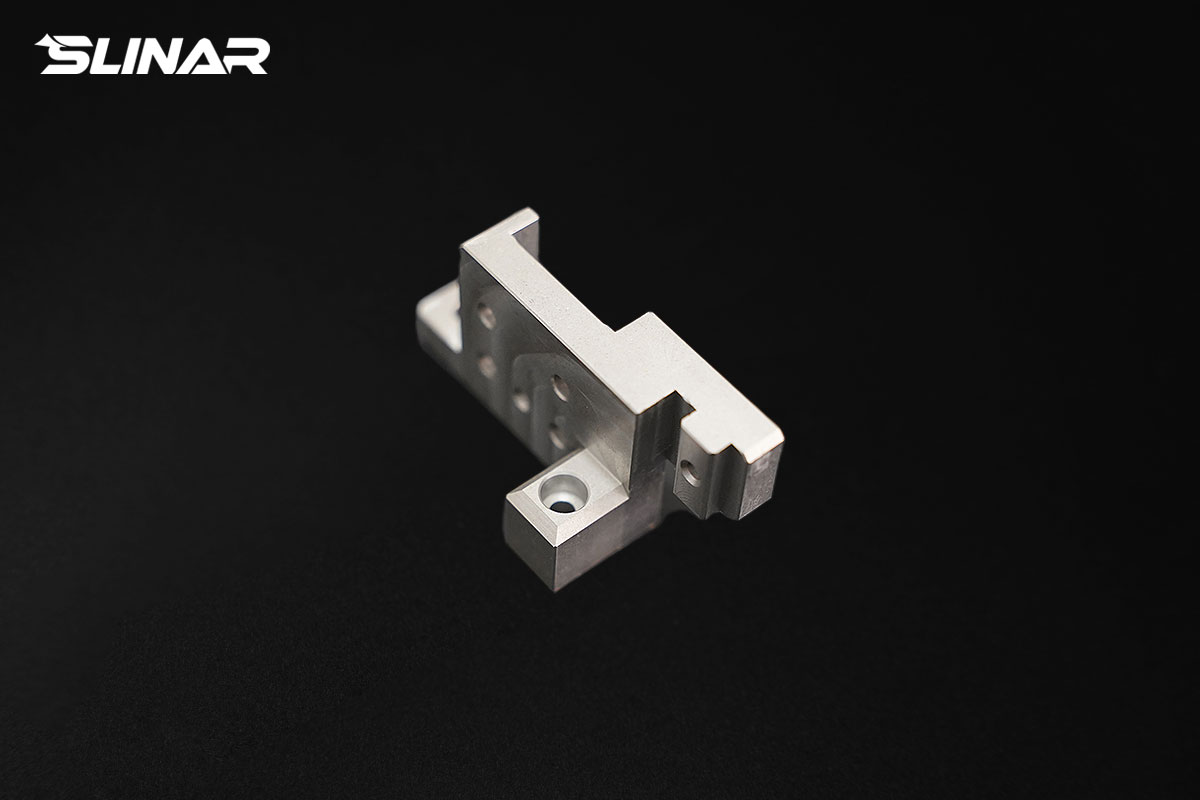
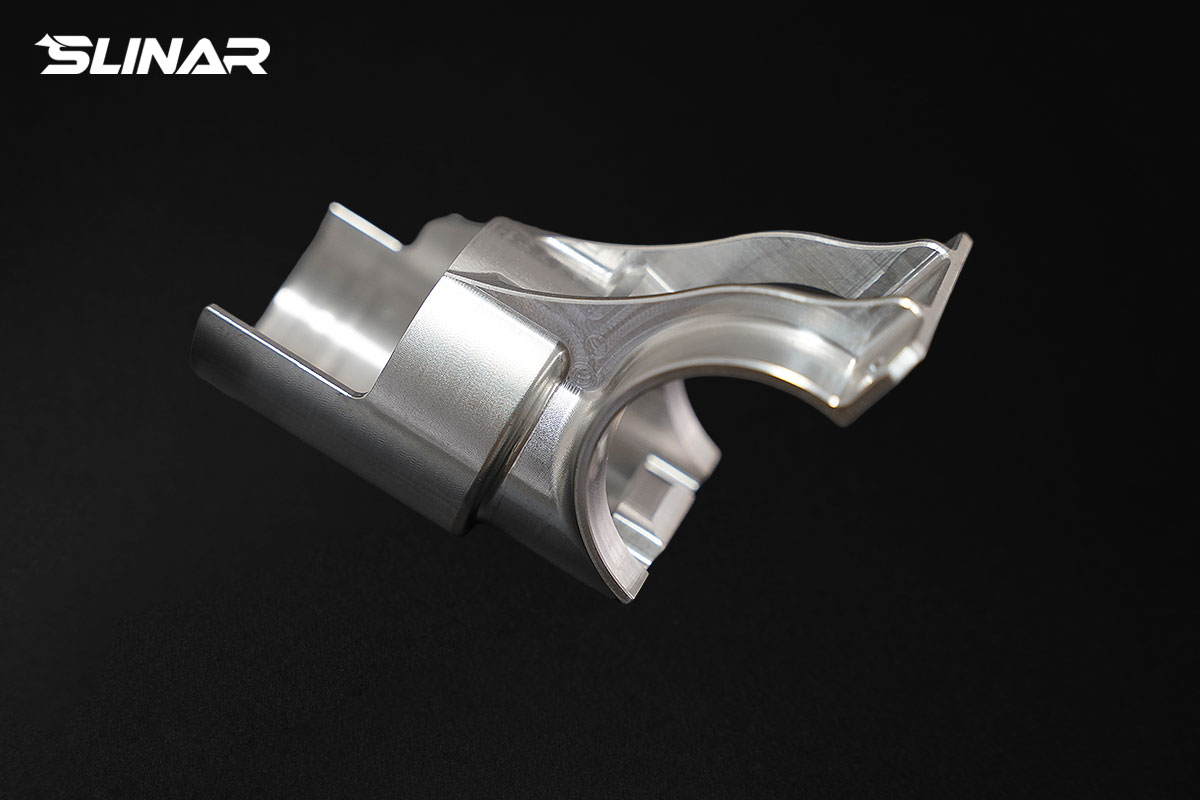
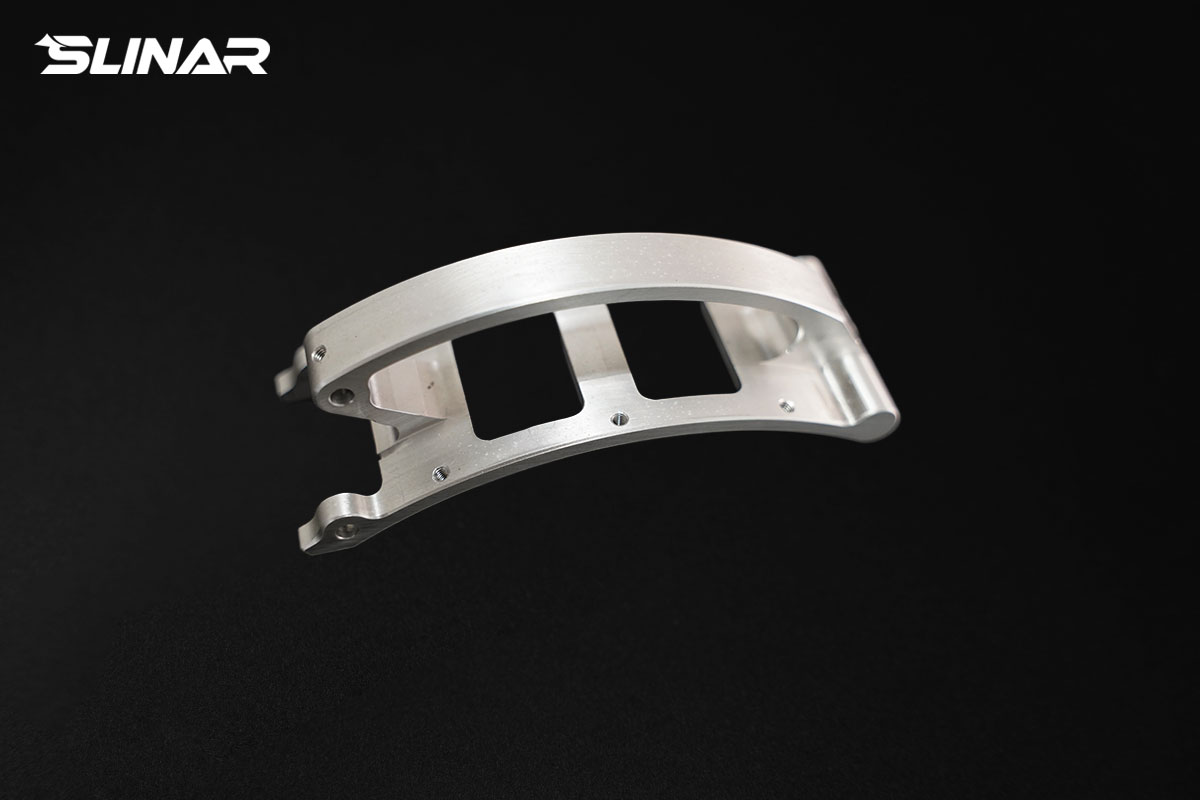
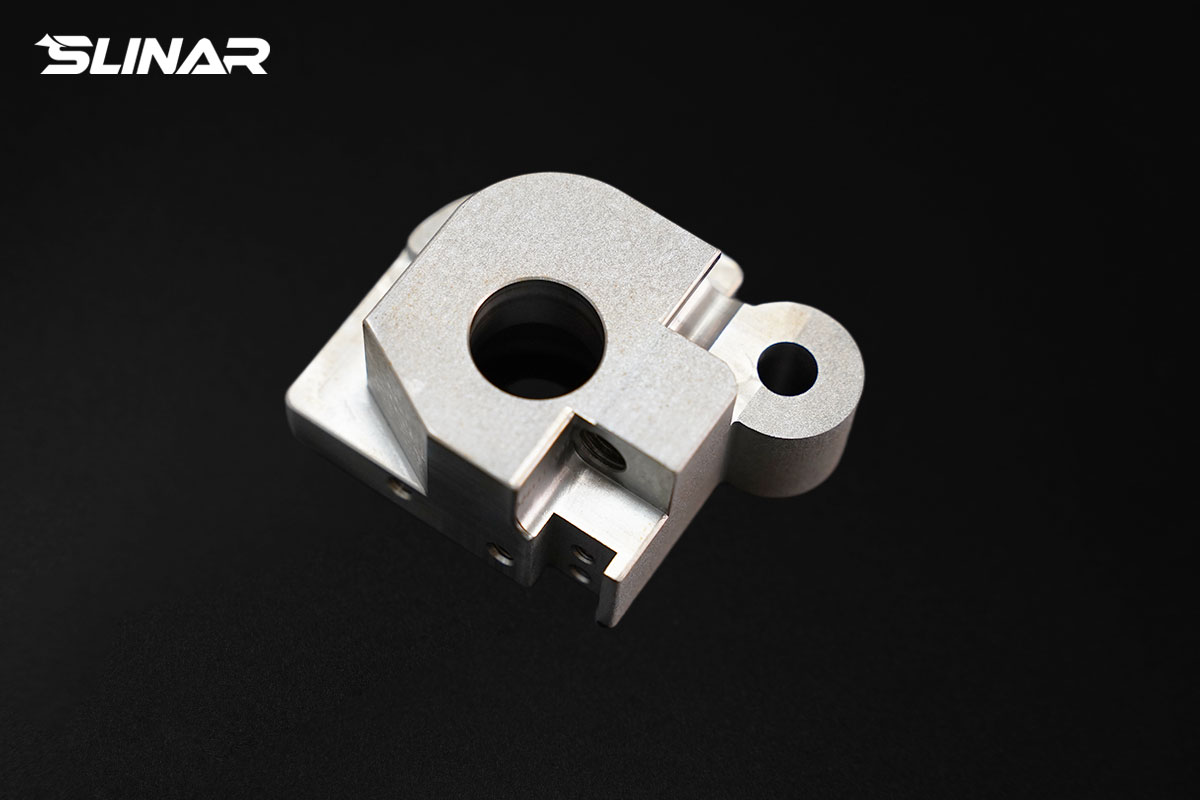
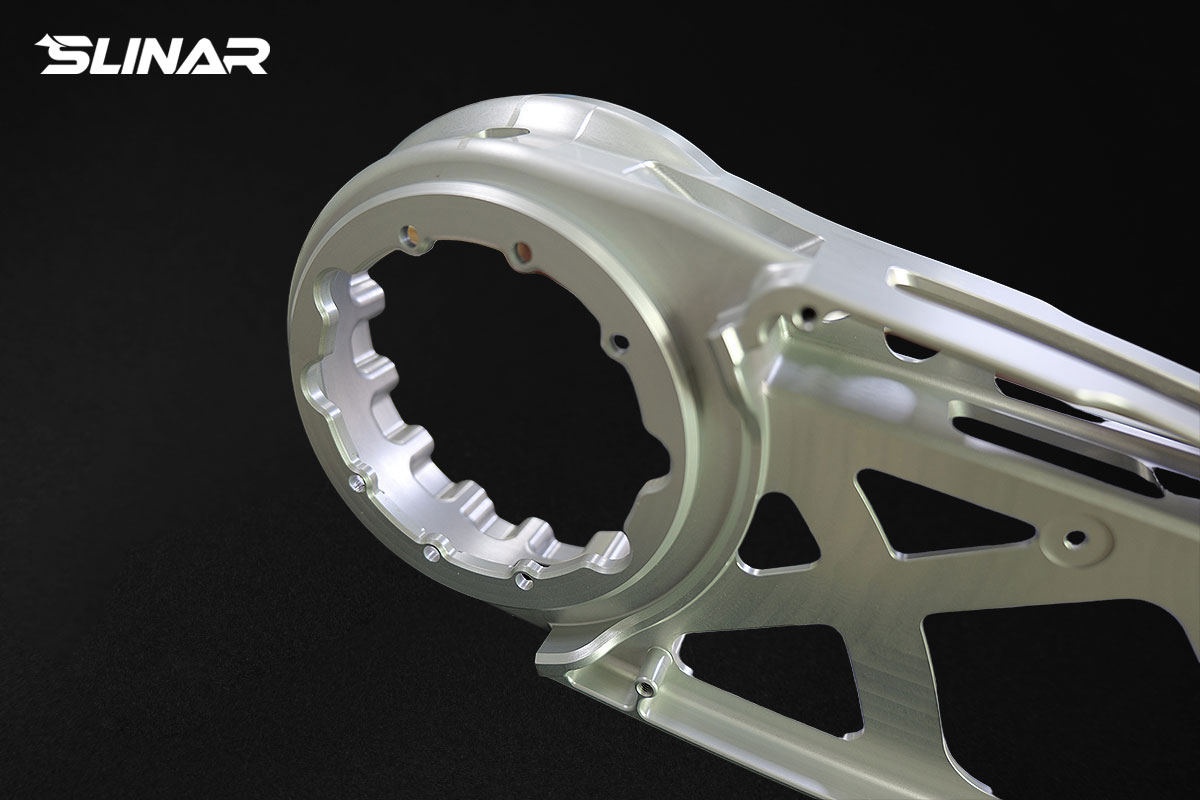
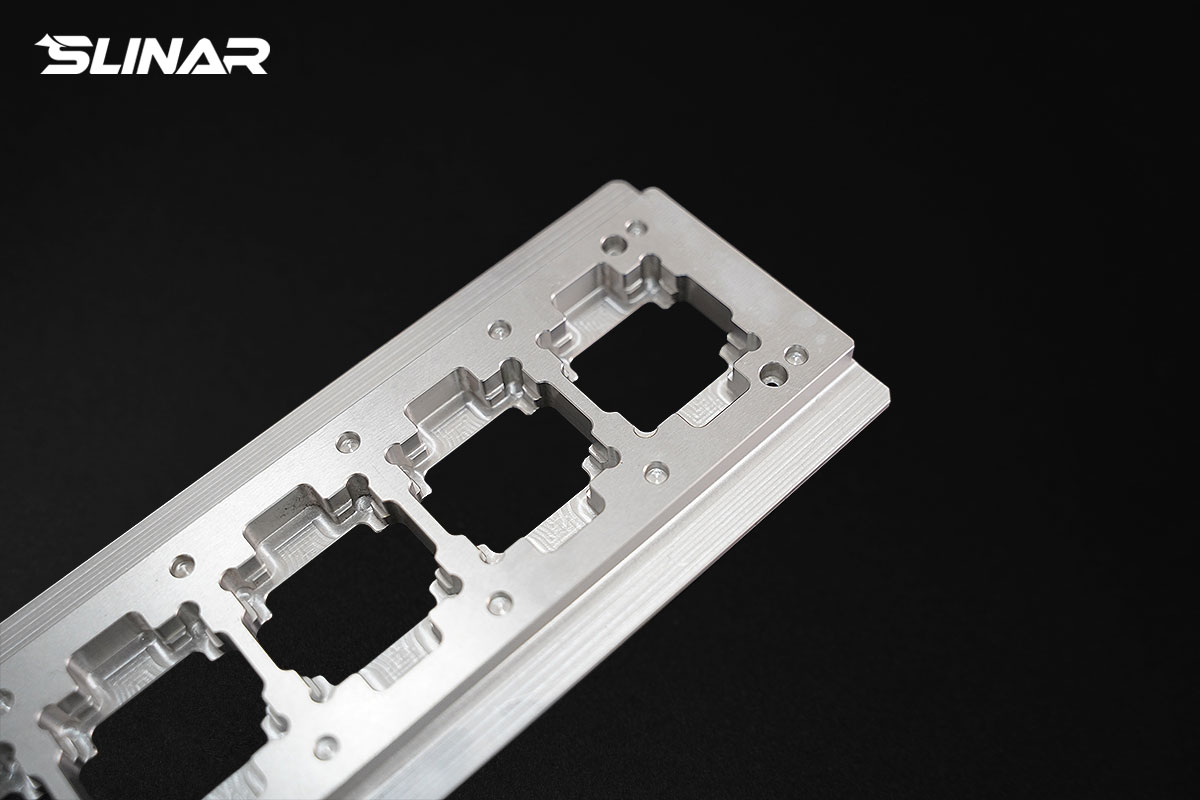
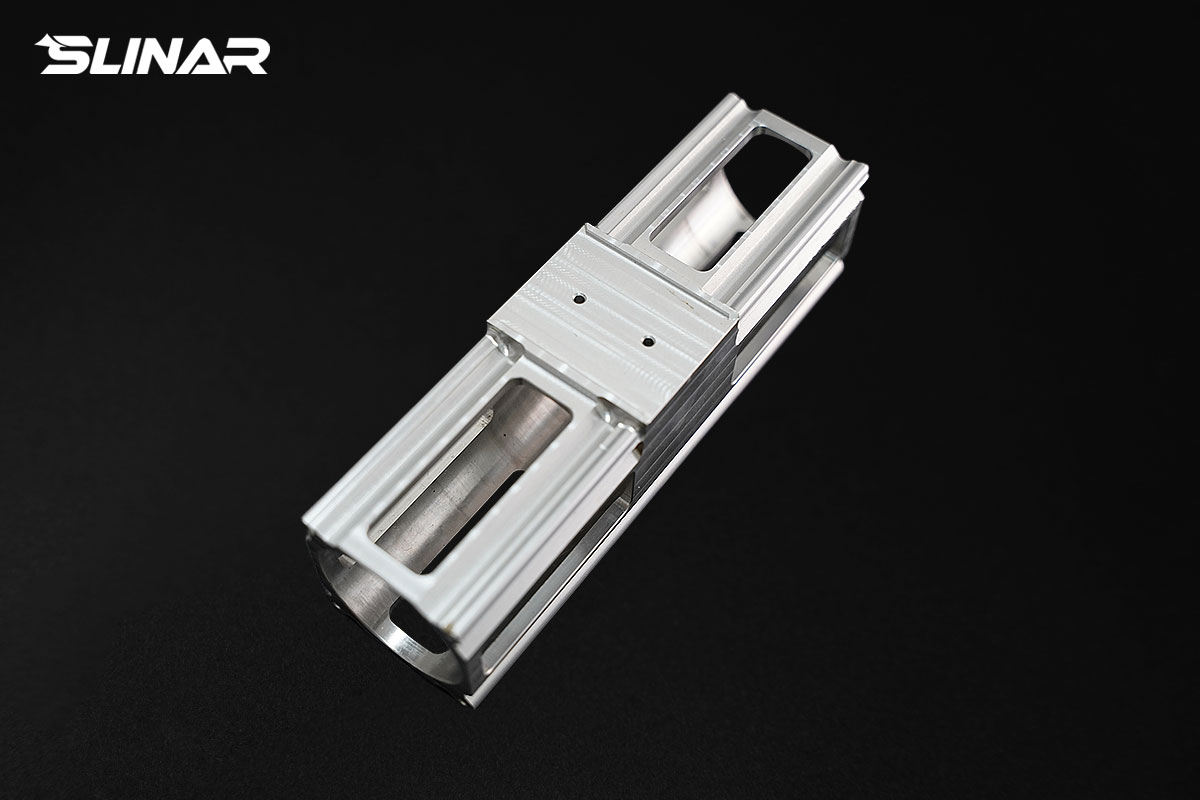
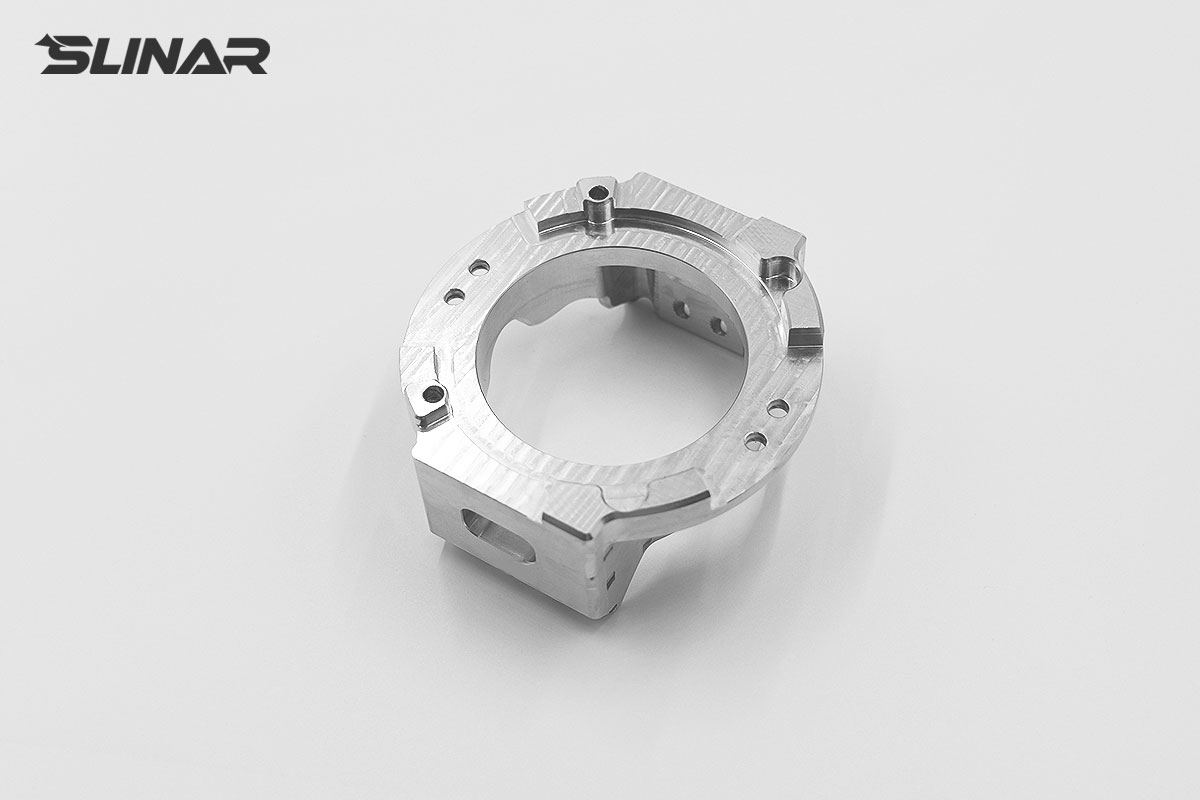
Aluminum is a relatively easy metal to machine which makes it great for CNC machining. Aluminum has useful properties for machining such as being lightweight, malleable, tractable and overall good durability. It being so light and easy to work with means that it can be used for a wide variety of applications. CNC machined Aluminum parts begin as a raw piece of metal which is cut down bit by bit to create a desired shape or object. This process is done most accurately with a CNC (Computerized Numerical Control) machine which can produce almost any three dimensional object designed via CAD (Computer Aided Design) software.

Aluminum machine shops

Our broad network of manufacturing partners includes over 240 Aluminum machine shops. Having this huge capacity and wide range of machinery available lets us fulfill a massive variety of orders and produce very complex parts. Our machine shops can produce custom Aluminum parts with CNC turning machines and 3- & 5-axis CNC milling machines. Our machine shops offer different types of Aluminum: Aluminum 6061-T6, Aluminum 7075-T6, Aluminum 6082, Aluminum 5083, Aluminum 6063, Aluminum 5052, Aluminum 2024, Aluminum 7050, Aluminum MIC6, Aluminum 2017 and Aluminum 2014.

Aluminum machining services

We offer a complete Aluminum CNC machining service and can produce complex Aluminum parts with 13 different types of Aluminum. Aluminum parts are great for applications that require high strength, corrosion resistance, heat tolerance, low weight, electrical conductivity, and overall versatility. We work with almost every kind of CNC mill and turning center, and are able to machine simple, “as-machined” workholdings to complex, organic geometries with tight tolerances. With our Aluminum CNC machining services, you can apply up to 13 different post-processing/surface finishing options, including bead blasting, anodizing types II and III, powder coating and electroless nickel plating.

Aluminum FAQs

  • What aluminum grades are most commonly used in CNC machining?

    6061-T6 is the most widely machined aluminum grade due to its excellent balance of strength, machinability, corrosion resistance, and cost. 7075-T6 is specified when high strength is required, offering tensile strength approaching that of steel at roughly one-third the weight. 2024-T3 is used for aerospace applications requiring high fatigue resistance. 5052 and 5083 are chosen for marine and chemical environments where corrosion resistance is the priority. 6082 is common in Europe for structural components. MIC-6 cast plate is used for fixture plates and precision tooling where flatness and dimensional stability matter.
  • What are the advantages of aluminum for CNC machining?

    Aluminum machines quickly, with cutting speeds several times higher than steel, which reduces cycle times and lowers production costs. It offers an excellent strength-to-weight ratio, making it ideal for weight-sensitive applications in aerospace, automotive, and consumer products. Aluminum has good thermal and electrical conductivity, natural corrosion resistance through its oxide layer, and takes anodizing exceptionally well. It is also readily available in a wide range of bar, plate, and extrusion forms at relatively low cost.
  • What tolerances can be achieved on CNC machined aluminum parts?

    Standard milling and turning hold ±0.05mm. Precision work holds ±0.01mm on most features, and high-precision machining reaches ±0.005mm on critical dimensions with appropriate tooling and inspection. Aluminum's dimensional stability and excellent machinability make it easier to hold tight tolerances than stainless steel or titanium. Thermal expansion must be considered on large parts, and in-process probing helps compensate for temperature variation during cutting.
  • How does aluminum compare to steel and titanium for machining?

    Aluminum machines far faster than both steel and titanium. Cutting speeds for aluminum can be five to ten times higher than for steel, and tool life is significantly longer. Material cost is lower than titanium and comparable to or lower than alloy steel. However, aluminum has lower absolute strength and lower temperature resistance. Steel and titanium are specified when strength, hardness, or high-temperature performance outweighs the weight and cost advantages of aluminum.
  • What surface finishes are available for aluminum parts?

    Anodizing is the most common finish, available in clear, black, color, and hard anodizing. Type II anodizing provides general corrosion protection and a decorative finish. Type III hard anodizing produces a thicker, denser oxide layer for wear resistance on sliding or high-contact surfaces. Chromic acid anodizing is used for aerospace parts requiring fatigue resistance. Chemical conversion coating such as Alodine preserves electrical conductivity and serves as a paint base. Powder coating provides durable decorative protection. Mechanical finishes include bead blasting, brushing, polishing, and tumbling.
  • Which aluminum alloy should I choose for my application?

    Choose 6061-T6 for general-purpose parts, structural components, and most prototypes. Choose 7075-T6 for high-strength applications such as aerospace structural parts, high-performance automotive components, and demanding tooling. Choose 2024-T3 for aircraft structures requiring high fatigue strength. Choose 5052 or 5083 for marine, chemical, and pressure vessel applications. Choose 6082 for European structural specifications. Choose MIC-6 for fixture plates and precision bases where flatness and stability are critical. If you are unsure, describe the load, environment, and weight constraints, and we will recommend a grade.
  • Is aluminum suitable for aerospace and medical applications?

    Yes. 7075 and 2024 aluminum are widely used in aircraft structures and components. Aluminum is also used in medical devices for housings, instrument bodies, and non-implant components. It is not typically used for permanent implants because of its mechanical properties and wear characteristics compared to titanium. For aerospace work, we hold AS9100D certification and provide full material traceability and first article inspection. For medical work, we provide the documentation required for device qualification.
  • What are the common applications for CNC machined aluminum parts?

    Aluminum parts are used in aerospace for structural frames, brackets, and housings, in automotive for engine components, transmission housings, and EV battery enclosures, in electronics for heat sinks, enclosures, and chassis frames, in medical for instrument bodies and device housings, in industrial equipment for fixture plates, machine components, and robotics parts, and in consumer products for bicycle frames, camera housings, and audio equipment.
  • Can large aluminum parts be machined accurately?

    Yes, within our capacity of up to 650 × 550 × 450mm. Thermal expansion becomes the main challenge on parts approaching that size. Aluminum expands significantly with temperature change, so large parts can grow or shrink during machining and inspection. We manage this with temperature-controlled coolant, in-process probing to measure and compensate for growth, and inspection after the part reaches thermal equilibrium. For components beyond our table capacity, we coordinate through partner facilities.
  • How does aluminum's machinability affect cost compared to other metals?

    Aluminum's high cutting speeds and long tool life make it one of the most cost-effective metals to machine. Cycle times are short, tool changes are infrequent, and surface finishes are good as-machined. Combined with moderate material cost, aluminum parts are typically less expensive than equivalent parts in stainless steel, titanium, or Inconel. It is often the default choice when the application does not require the specific properties of harder or more heat-resistant metals.
Get parts quickly with our processing
Complete CNC machining of parts within 1 week.
Get Free Quote
SLINAR CNC machining service
Ready to scale production?

Upload your CAD for a free quote. No minimum order.

Get Free Quote
Trustpilot