



CNC Machining with Care. From 1 pc to Mass Production. Free DFM Analysis. Get a Quote
Select a language

CNC Titanium

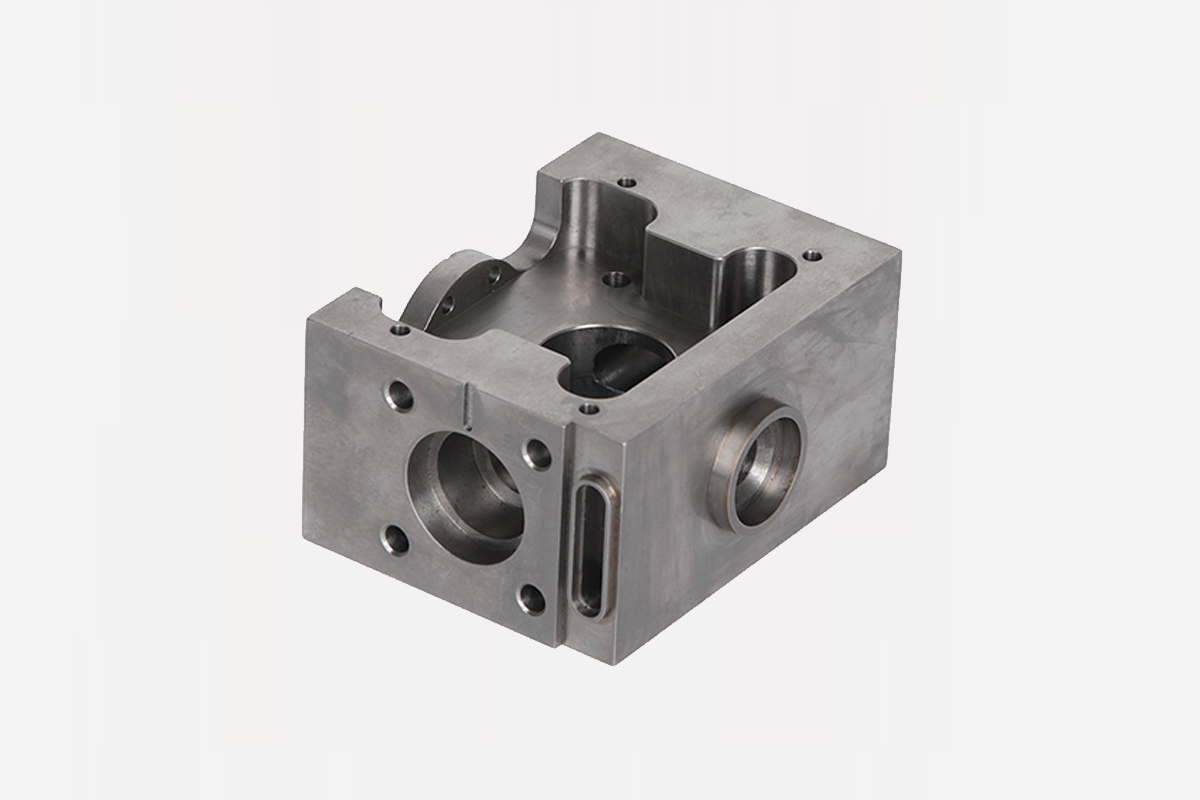
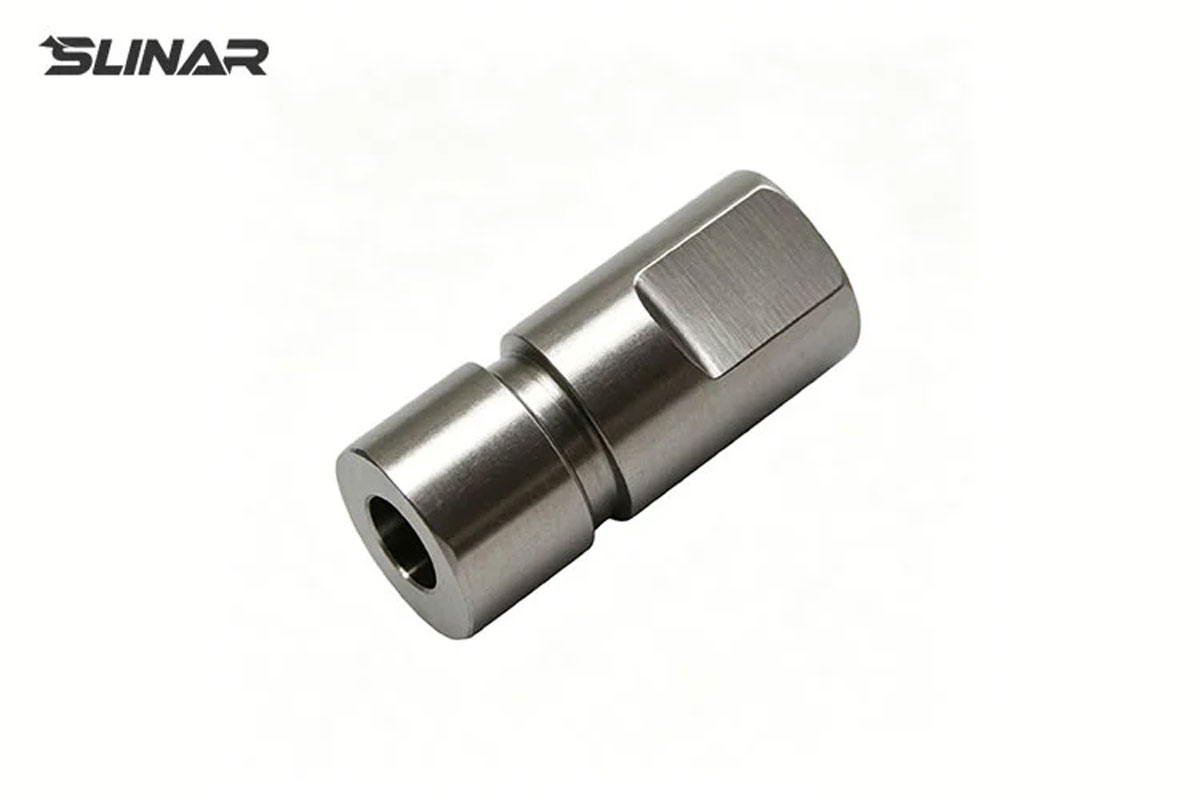
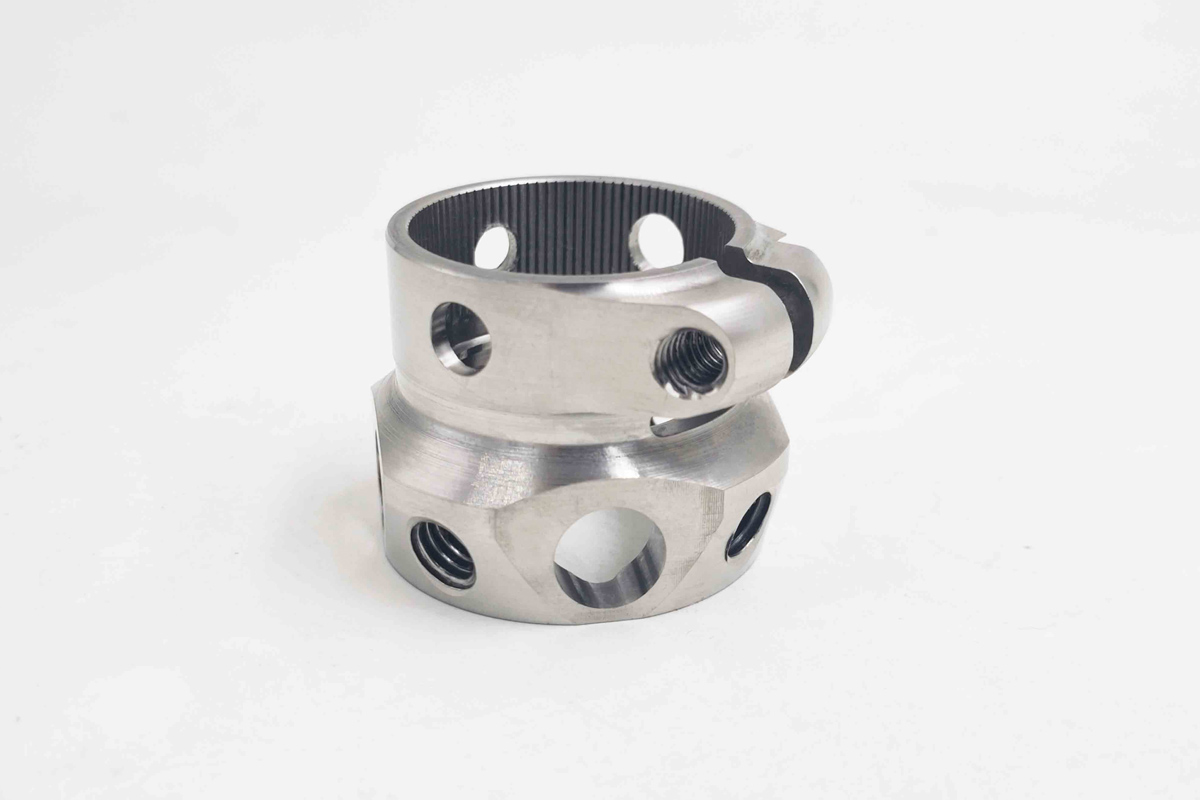
CNC titanium machining is the precision processing of titanium alloys using computer-controlled cutting tools. Titanium is prized for its exceptional strength-to-weight ratio—comparable to steel at 45% of the weight—along with outstanding corrosion resistance and biocompatibility. The most commonly machined alloy is Ti-6Al-4V, which accounts for approximately half of all titanium used in manufacturing.

Titanium presents significant machining challenges: low thermal conductivity concentrating heat at the cutting edge, high chemical reactivity causing built-up edge, low modulus of elasticity causing deflection, and work hardening of the surface. Specialized tooling with micro-grain carbide and AlTiN coatings is essential. High-pressure coolant with through-tool delivery is critical for heat management. Dynamic milling strategies with constant chip thickness improve tool life significantly. Tolerances are held to ±0.01mm standard, with high-precision work reaching ±0.005mm.
Our CNC Machining Services

From prototype to production — reliable quality, on-time delivery

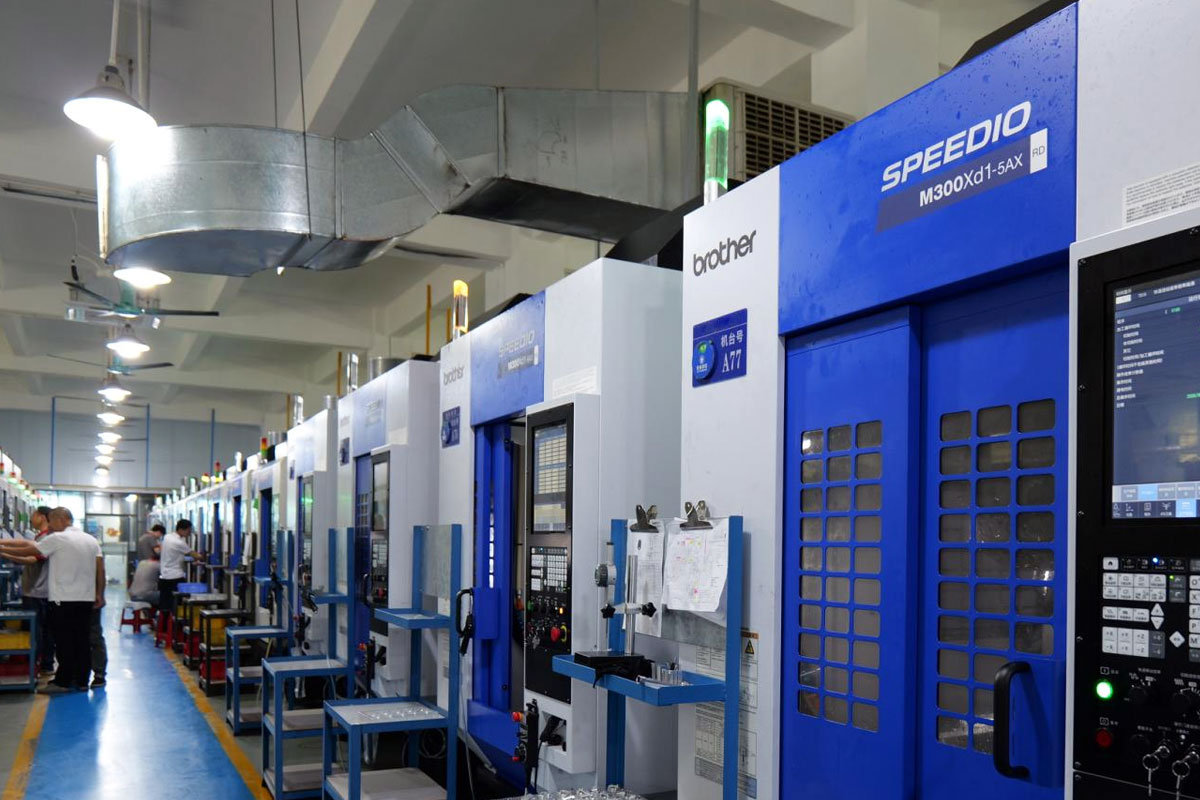
We provide precision CNC machining services for a wide range of materials including aluminum, steel, stainless steel, copper, brass, titanium, PEEK, PTFE, acetal, nylon, and other engineering plastics. Our manufacturing capabilities cover 3-axis, 4-axis, and 5-axis CNC milling, as well as CNC turning, suitable for both prototype development and high-volume production runs.

With ISO 9001:2015 certification and a commitment to quality, we serve customers across aerospace, automotive, medical, electronics, industrial equipment, and consumer goods industries. Our in-house capabilities include surface finishing, anodizing, powder coating, heat treatment, and inspection with CMM and optical measurement equipment.

We offer competitive pricing, flexible lead times, and full material traceability. From simple brackets to complex precision components, we deliver parts that meet your specifications with reliable quality and on-time delivery.

Materials

Titanium Grade 1

SLINAR - CNC Titanium Grade 1 | 3.7025

Titanium Grade 1 | 3.7025

Titanium Grade 1 (CNC) is a commercially pure metal with excellent corrosion and impact resistance and good machinability and weldability.

Understand Titanium Grade 1

Titanium Grade 2

SLINAR - CNC Titanium Grade 2 | 3.7035

Titanium Grade 2 | 3.7035

Stronger than Grade 1 and equally corrosion-resistant, excellent bio-compatibility.

Understand Titanium Grade 2

Titanium Grade 5

SLINAR - CNC Titanium Grade 5 | 3.7165 | Ti6Al4V

Titanium Grade 5 | 3.7165 | Ti6Al4V

Stronger than Grade 5, equally corrosion-resistant, and excellent bio-compatibility.

Understand Titanium Grade 5
Applications

Aerospace

  • Aircraft structural frames and bulkheads

  • Engine components and compressor parts

  • Landing gear and hydraulic components

  • Fasteners and connector fittings

  • Missile and spacecraft components

Medical

  • Orthopedic implants

  • Surgical instruments and tool bodies

  • Dental implants and abutments

  • Bone plates and screws

  • Biocompatible device housings

Automotive

  • High-performance connecting rods

  • Valve train components

  • Lightweight structural parts

  • Motorsports and racing components

  • Exhaust system components

Marine

  • Subsea components and connectors

  • Propeller shafts and fittings

  • Corrosion-resistant marine hardware

Industrial

  • High-temperature equipment components

  • Chemical processing parts

  • Wear-resistant guide rails and slides

Capabilities
We specialize in CNC machining of titanium alloys, primarily Ti-6Al-4V. Our 5-axis machining centers are equipped with high-pressure through-spindle coolant and specialized tooling with AlTiN coatings to manage heat and work hardening. We implement dynamic milling toolpaths with constant chip thickness to extend tool life. We use profile compensation techniques to counter titanium's elastic deflection, achieving contour accuracy within ±0.005mm on critical features. Part sizes up to 2,000mm x 800mm x 600mm. ISO 9001:2015 and AS9100D certified. ITAR compliant.
Finishes

Anodizing

  • Type 1: Standard anodizing for corrosion protection and adhesion

  • Type 2: Color anodizing for identification and decoration

  • Type 3: Hard anodizing for wear resistance

Passivation

  • Chemical treatment to remove surface contamination

  • Restores corrosion resistance

  • Standard for medical and aerospace parts

Mechanical Finishes

  • Bead Blasting: Uniform matte texture

  • Brushing: Directional grain pattern

  • Polishing: High-gloss reflective finish

  • Tumbling: Edge deburring

Plating & Coating

  • PTFE / Teflon: Low-friction non-stick surface

  • PVD Coating: Wear-resistant coating

  • Electroless Nickel: Additional corrosion and wear protection

Heat Treatment

  • Annealing: Stress relief after machining

  • Solution Treatment + Aging: Strengthening for Ti-6Al-4V

Technical Specs
PropertyTi-6Al-4V
Tensile Strength950 – 1,100 MPa
Yield Strength880 – 950 MPa
Elongation at Break10 – 14%
Hardness36 – 40 HRC
Density4.43 g/cm³
Modulus of Elasticity110 GPa
Thermal Conductivity6.7 W/m·K
Corrosion ResistanceExcellent
BiocompatibilityYes
Titanium GradeTypeKey PropertiesCommon Uses
Grade 2Commercially PureCorrosion resistance, formabilityChemical equipment, marine
Grade 5Alpha-BetaHigh strength, best overall propertiesAerospace, medical, automotive
Grade 23Alpha-BetaExtra Low Interstitial, high purityMedical implants, surgical
ParameterCapability
Max Part Size (Milling)2,000mm x 800mm x 600mm
Max Part Size (Turning)600mm diameter x 1,500mm length
Standard Tolerance±0.02 – 0.05mm
Precision Tolerance±0.01mm
High-Precision Tolerance±0.005mm
Surface Finish (As-Machined)Ra 1.6 – 3.2μm
Surface Finish (Precision)Ra 0.8μm
Surface Finish (Polished)Ra 0.4μm
FAQs
  • Why is titanium difficult to machine?

    Titanium has low thermal conductivity that concentrates heat at the cutting edge. It is chemically reactive, causing built-up edge. Its low modulus of elasticity causes deflection, and it work hardens when rubbed instead of cut. These four factors make it one of the most challenging materials to machine.
  • What tooling is recommended for titanium machining?

    Micro-grain carbide substrates with AlTiN coatings, variable helix end mills, and sharp cutting edges. For drilling, split point drills with through-tool coolant are essential. HSS tooling wears out too quickly and should be avoided.
  • What is the cutting strategy for titanium?

    The principle is low speed, high feed. Use dynamic milling toolpaths with constant chip thickness. Apply lower surface speed and higher radial engagement to put heat into the chip, not the tool. Use high-pressure coolant with through-tool delivery.
  • What tolerances can titanium machining achieve?

    Standard precision holds ±0.01mm. High-precision work reaches ±0.005mm using profile compensation techniques to counter titanium's elastic deflection.
  • Which titanium grade is most commonly machined?

    Ti-6Al-4V accounts for approximately half of all titanium used in manufacturing. Grade 23 is used for medical implants requiring higher purity.
  • What industries use titanium CNC machining?

    Aerospace, medical devices, automotive high-performance parts, and marine. Titanium is specified when weight reduction and corrosion resistance are critical.
  • How does titanium compare to steel for CNC machining?

    Titanium has comparable strength to steel at 45% of the weight but is significantly harder to machine—tool life is shorter, cycle times are longer, and material costs are substantially higher. It is specified for performance-critical applications where weight savings justify the cost.
SLINAR CNC machining service
Ready to scale production?

Upload your CAD for a free quote. No minimum order.

Get Free Quote
Trustpilot