MOQ 1-10,000+ CNC Complex Projects. From sample to mass production. On-time delivery, always. Get a Quote
Select a language

CNC Aluminum

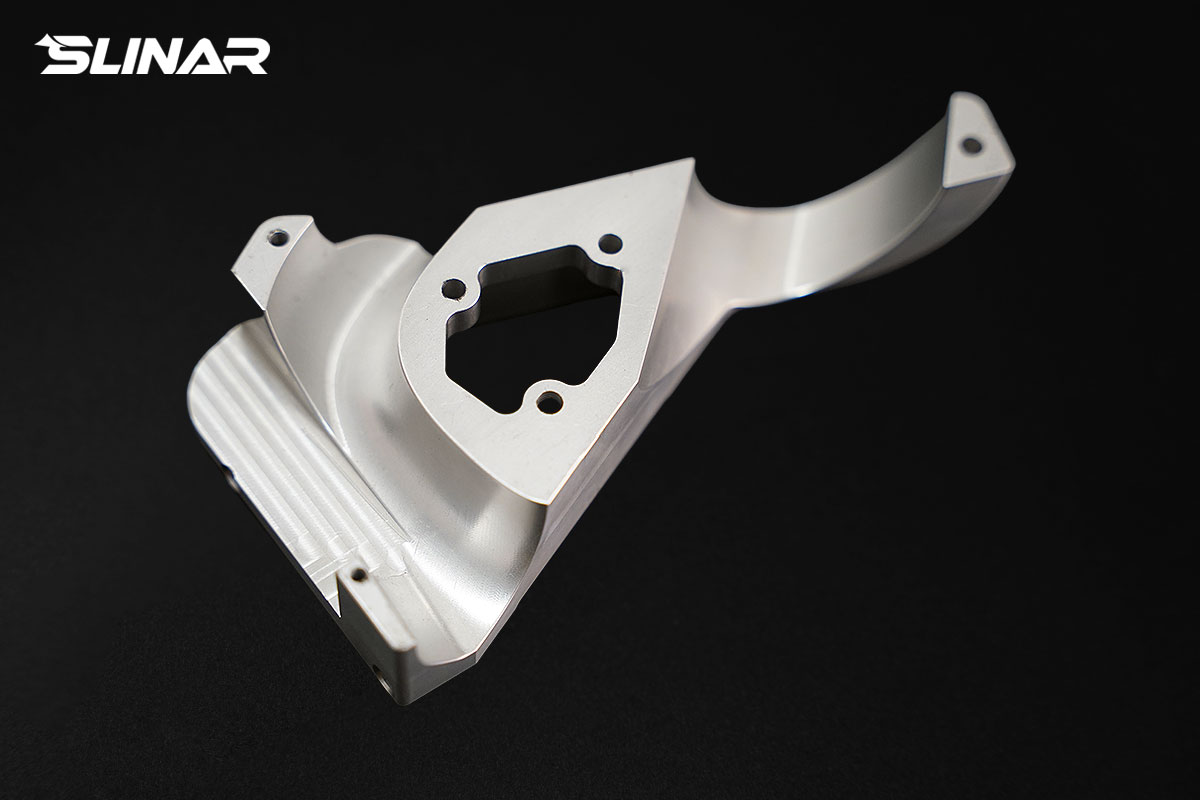
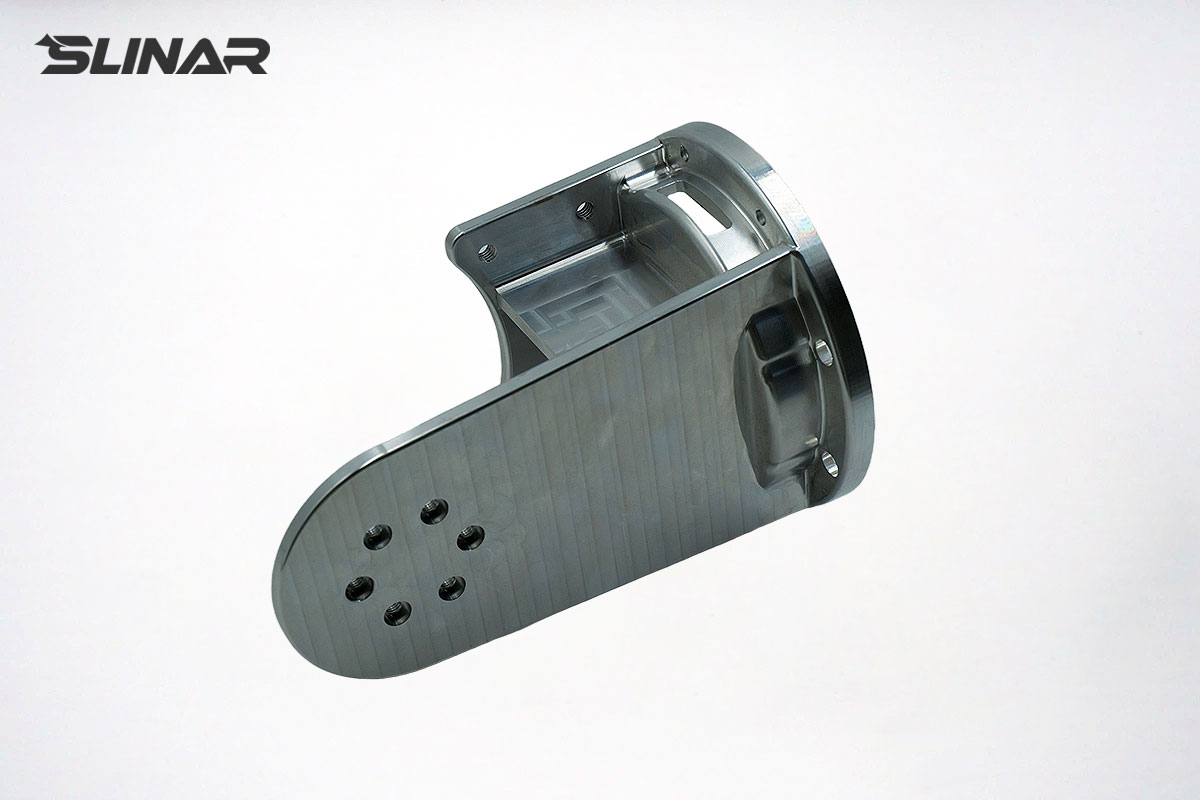
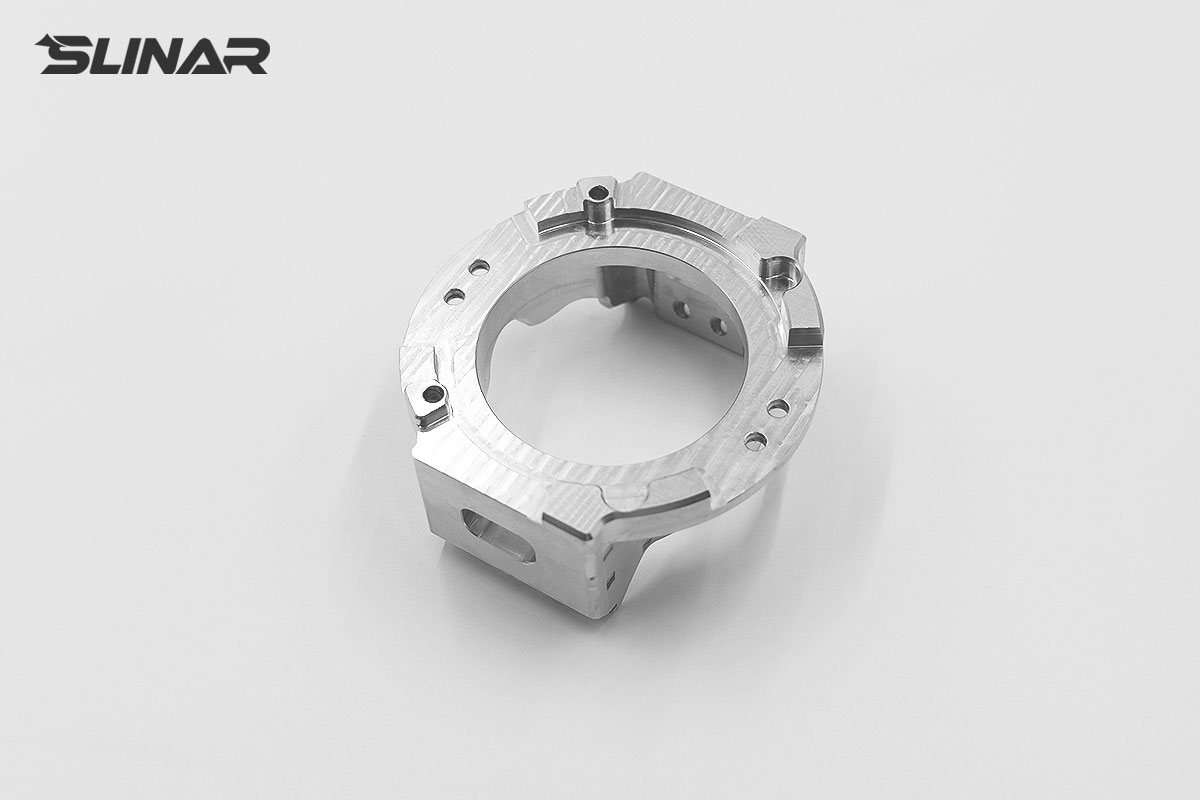
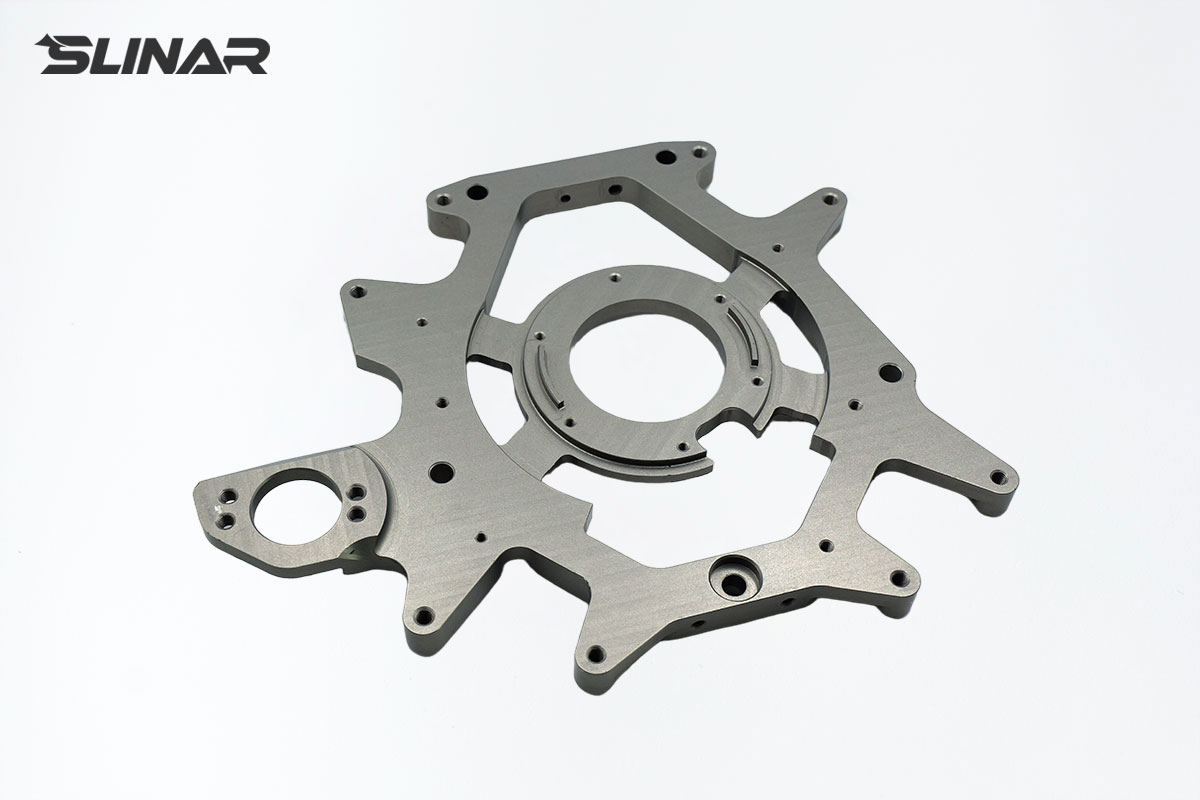
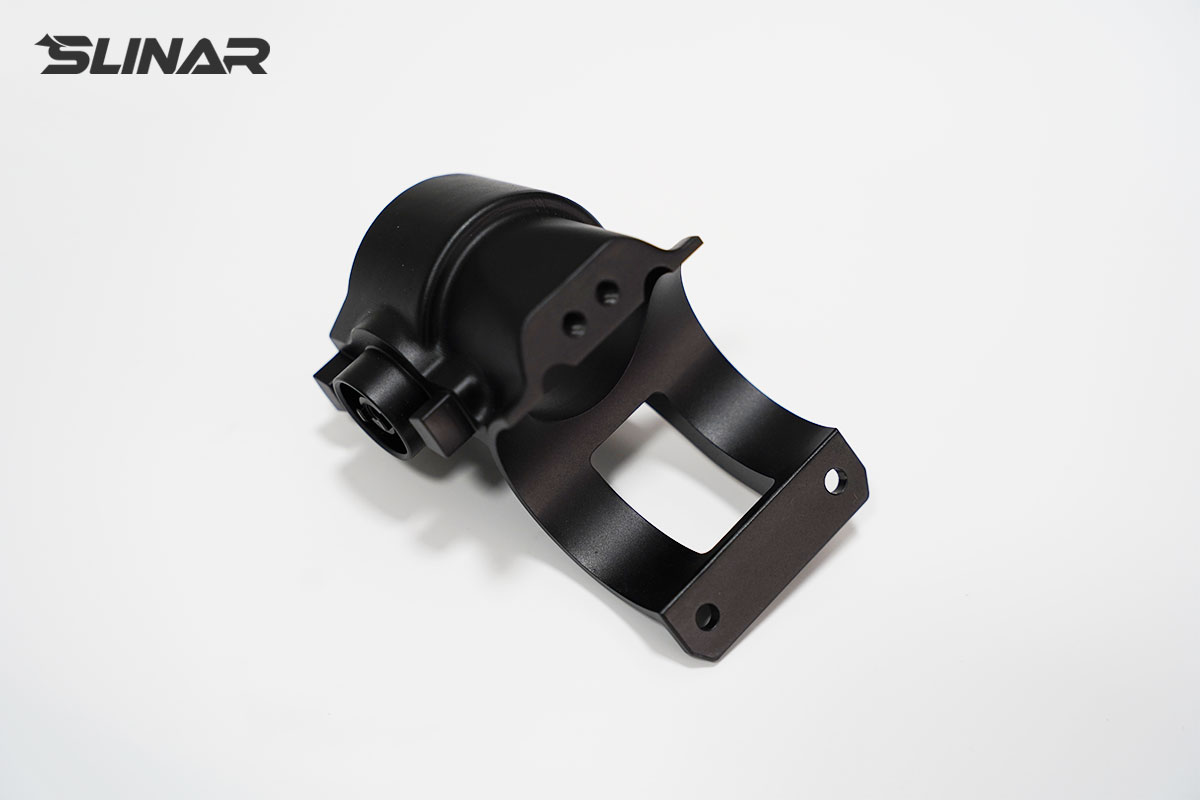
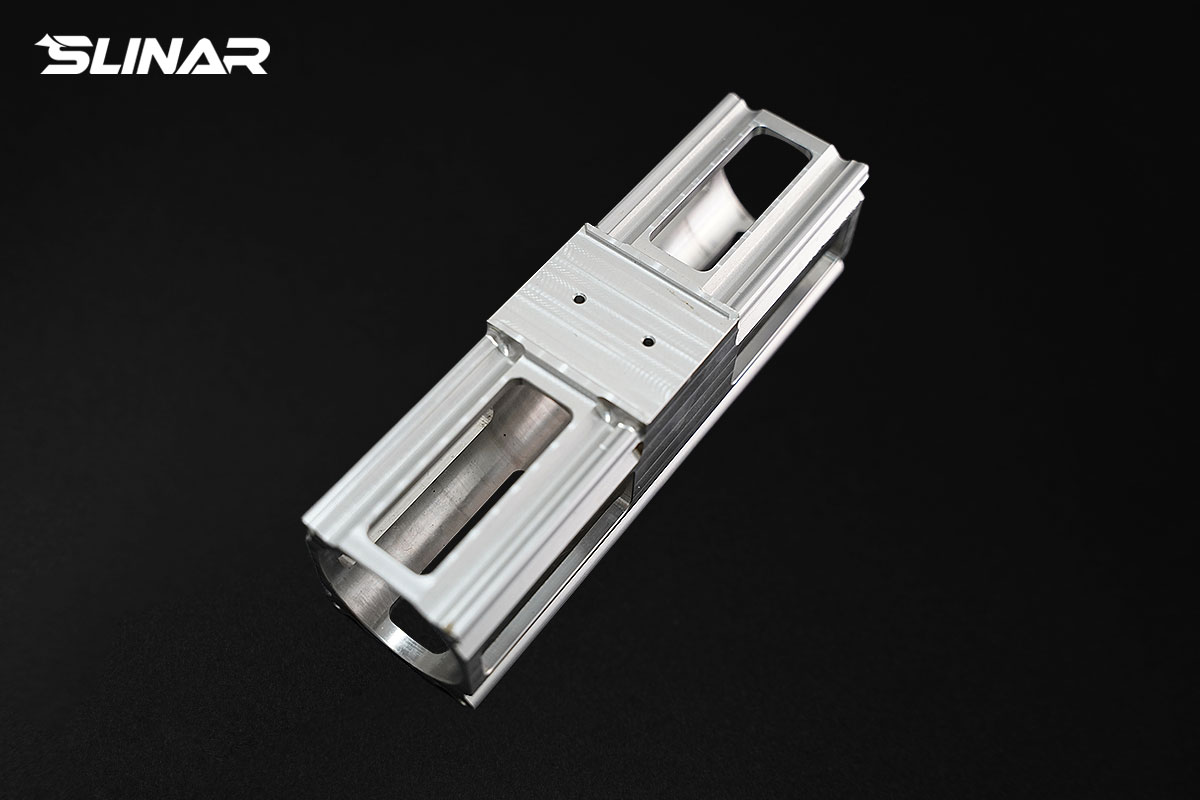
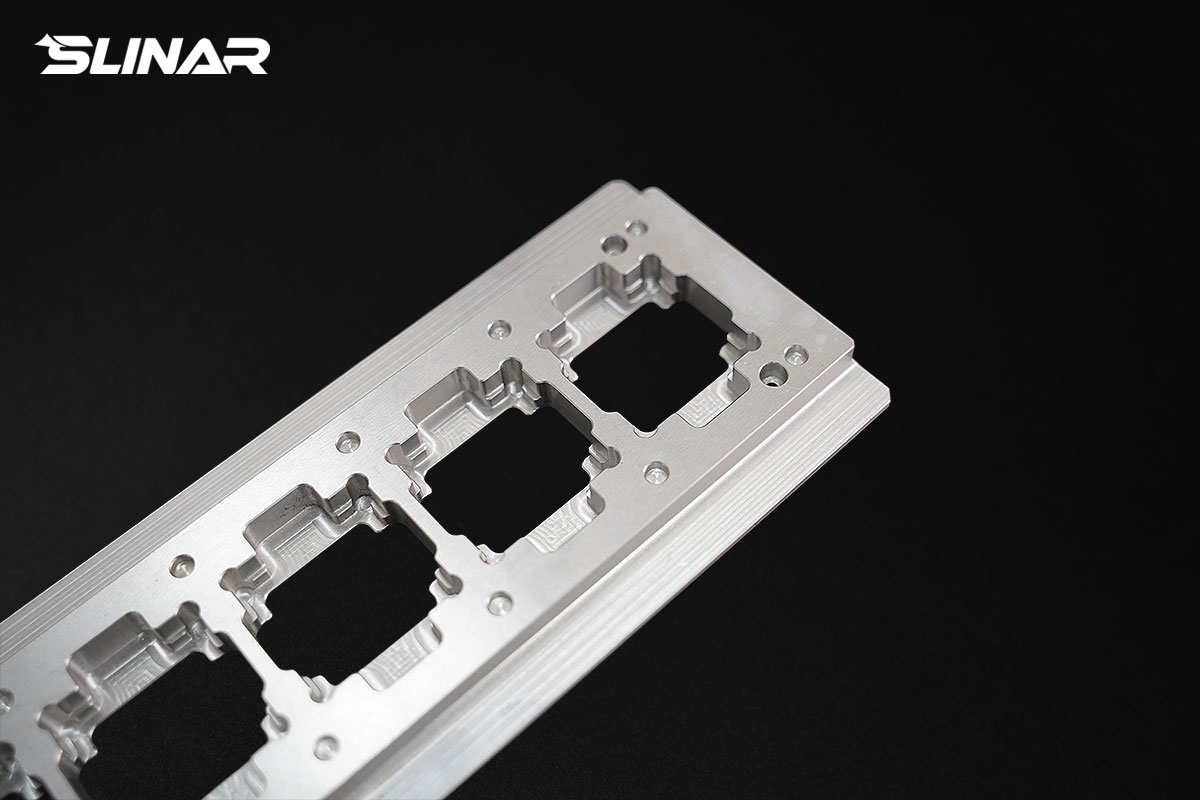
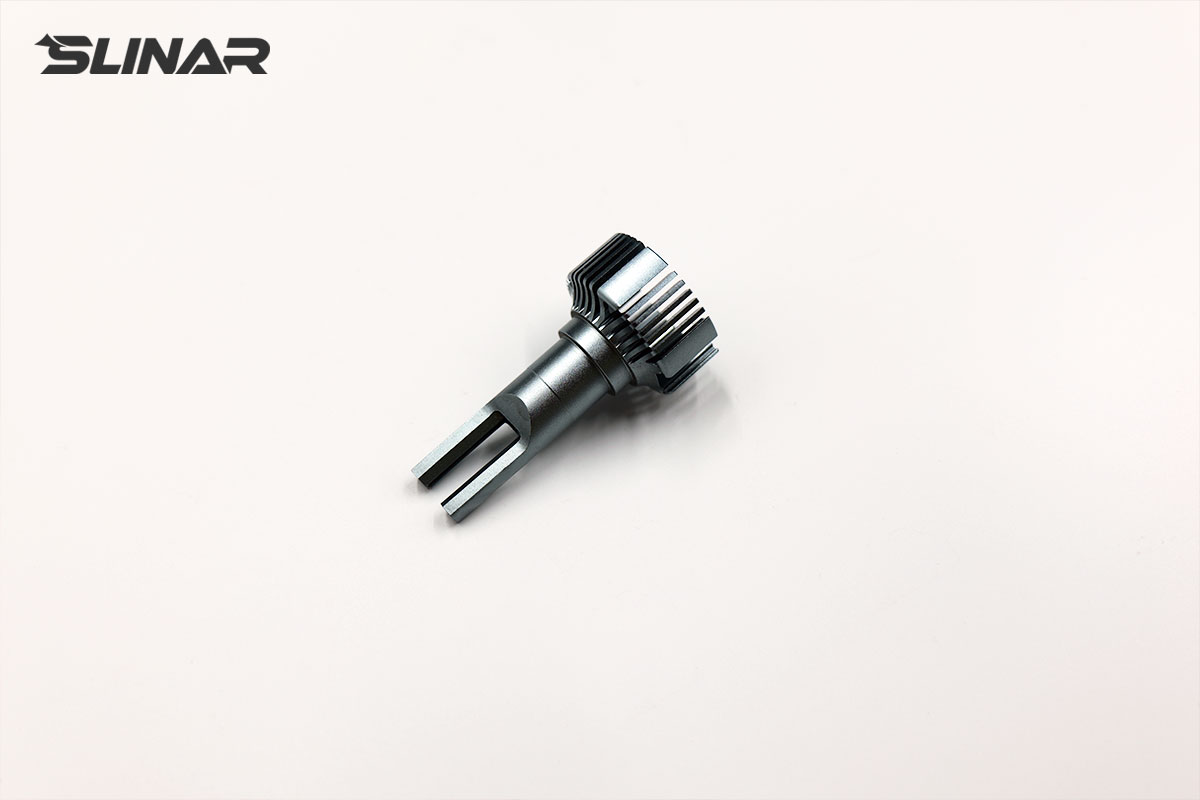
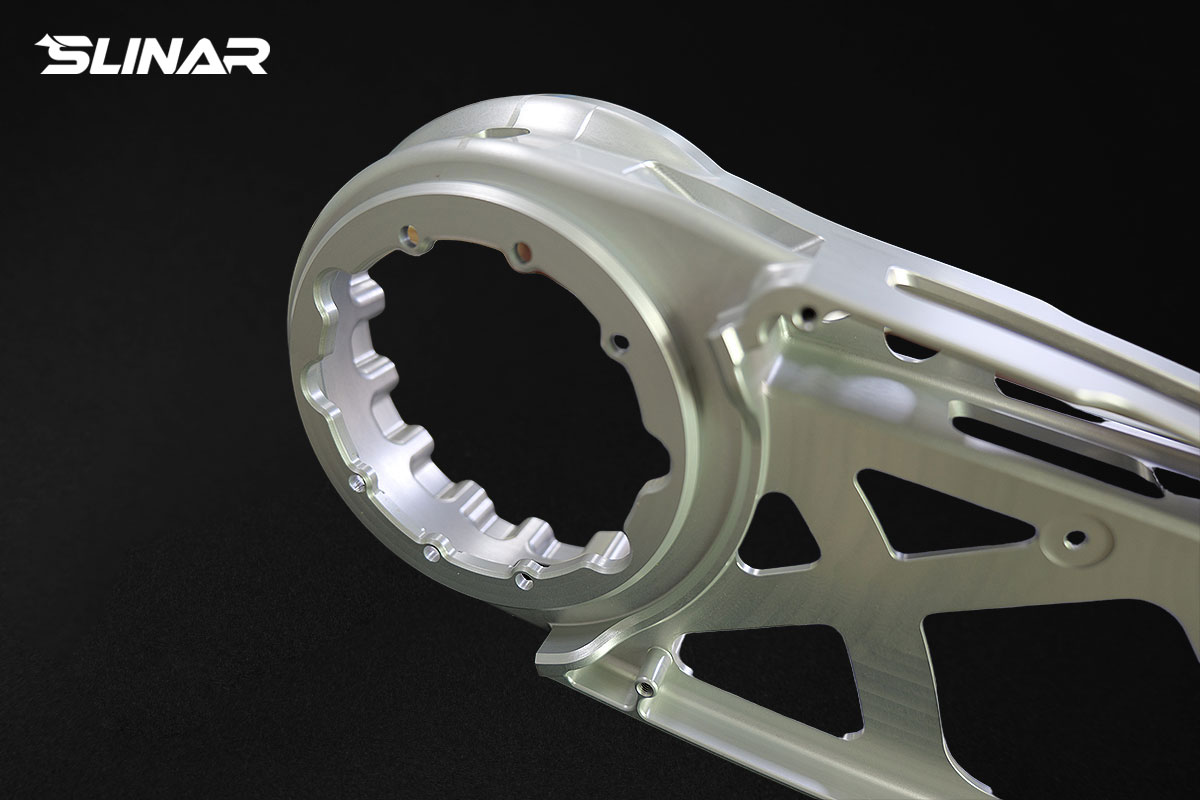
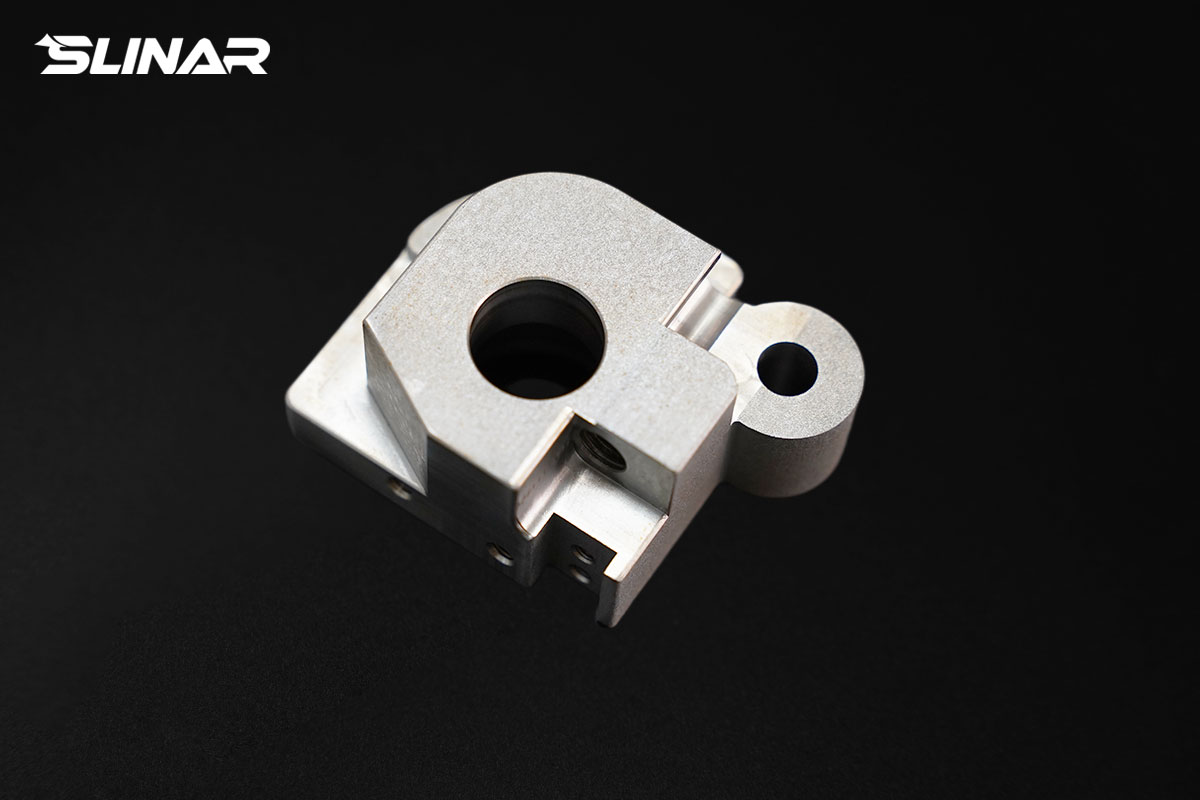
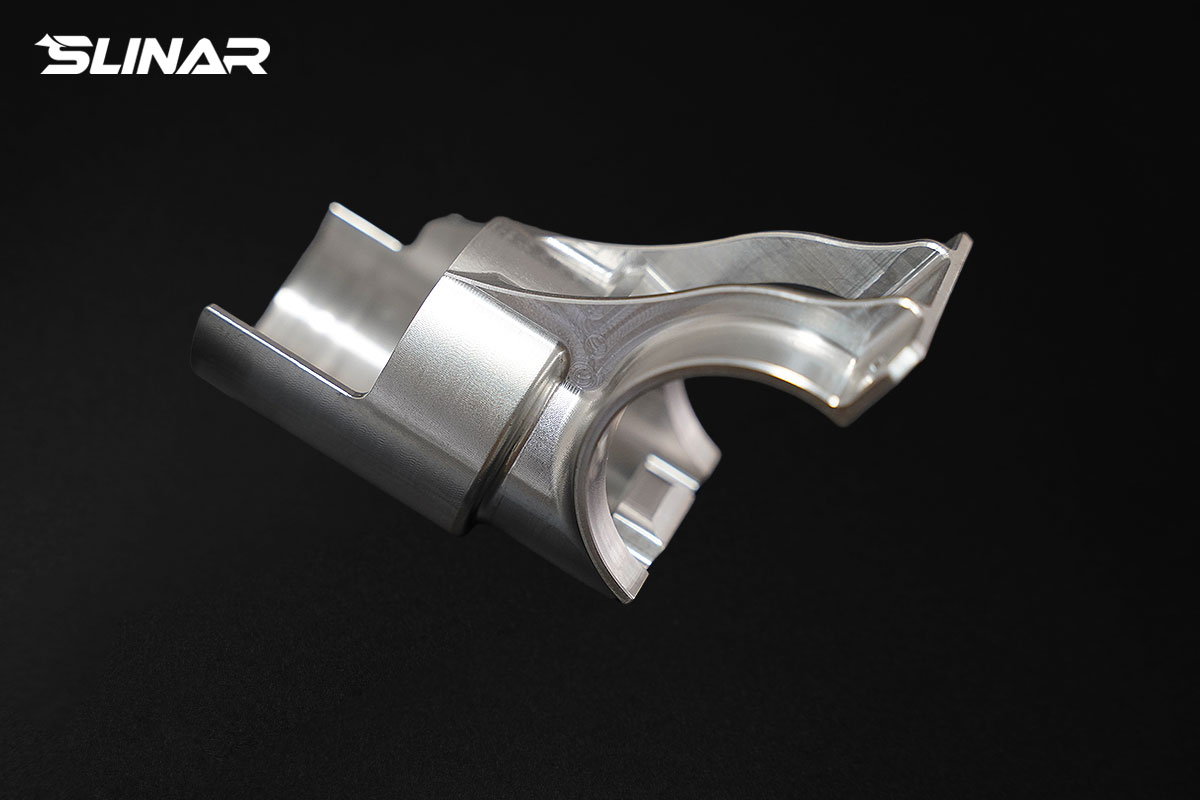
Aluminum stands as one of the most versatile and widely machined metals in precision manufacturing, offering an exceptional combination of lightweight properties, corrosion resistance, and machinability. Our CNC aluminum machining services encompass a comprehensive range of capabilities—from rapid prototyping to high-volume production—across all major grades including 6061, 7075, 2024, 5052, and 6082. With a fleet of multi-axis milling centers, CNC lathes, and Swiss-type automatic machines, we deliver complex geometries with tight tolerances while maintaining cost efficiency through optimized toolpaths and high-speed machining strategies. Value-added services include anodizing, powder coating, bead blasting, and chemical film treatments to meet diverse application requirements. Whether your project serves aerospace, automotive, medical, electronics, or industrial sectors, our ISO 9001:2015 and AS9100D certified facility ensures consistent quality, on-time delivery, and full material traceability from mill to finished part.

Aluminum CNC Machining Services
From prototype to production — reliable quality, on-time delivery

Precision manufacturing capabilities for CNC Aluminum

We specialize in precision CNC machining of aluminum components for aerospace, automotive, medical, and industrial applications. Our manufacturing facility operates under ISO 9001:2015 quality standards, delivering parts that meet your exact specifications with full inspection documentation.

From rapid prototypes to high-volume production, we provide flexible manufacturing solutions tailored to your project requirements. Our engineering team reviews every design for manufacturability, offering optimization suggestions that reduce costs and improve part performance without compromising your design intent.

We manage the entire production process in-house — from raw material sourcing and CNC machining to surface finishing and quality inspection. This single-source approach eliminates coordination headaches, reduces lead times, and ensures consistent quality across every batch.

With a proven track record of on-time delivery and competitive pricing, we serve customers worldwide across diverse industries. Whether you need 5 parts or 50,000, we have the capacity and expertise to deliver reliable, high-quality aluminum components that perform as specified.

Materials

Aluminum 5083-H111

Aluminum 5083-H111 | 3.3547 | 54300| AlMg4.5Mn0.7

Aluminum 5083 (CNC) is a strain hardening aluminum alloy with excellent corrosion resistance. Suitable for marine applications. Can be welded.

Understand Aluminum 5083-H111

Aluminum 6063

Aluminum 6063 | EN AW-6063 | 62400| AlMg0,7Si

Aluminum 6063 has good mechanical properties and can be heat treated. Suitable for aerospace applications. Can be welded.

Understand Aluminum 6063

Aluminum 5052

Aluminum 5052 | EN AW-5052 | 3.3523 | AlMg2,5

Aluminum 5052 is a strain hardening aluminum alloy with excellent corrosion resistance. Suitable for marine applications. Can be welded.

Understand Aluminum 5052

Aluminum 2024-T351

Aluminum 2024-T351 | 3.1355 | 24530 | AlCu4Mg1

Aluminum 2024 is a high-strength alloy with excellent fatigue resistance. Suitable for aerospace applications.

Understand Aluminum 2024-T351

Aluminum 7050

Aluminum 7050 | EN AW-7050 | 3.4144| AlZn6CuMgZr

Aluminum 7050 has excellent mechanical properties with good ductility, high strength, toughness and good resistance to fatigue. Suitable for aerospace applications.

Understand Aluminum 7050

Aluminum MIC-6

Aluminum MIC6

Aluminum MIC6 is a light weight material that can be easily machined at high speed and is free from tension, contaminants and porosity.

Understand Aluminum MIC-6

Aluminum 6082-T651

Aluminum 6082-T651 | 3.2315 | 64430 | AlSi1MgMn

Aluminum 6082-T651 (CNC) has very similar composition and properties to 6061, with slightly higher tensile strength. Compliant with British Standards.

Understand Aluminum 6082-T651

Aluminum 2017A

Aluminum 2017A | 3.1325 | 24530 | AlCu4MgSi

Aluminum 2017 has a higher ductility and formability than Aluminum 2014 and has intermediate strength.

Understand Aluminum 2017A

Aluminum 7075-T651

Aluminum 7075-T651 | 3.4365 | 76528 | AlZn5.5MgCu

Aluminum 7075-T651(CNC) is an aerospace-grade material with excellent strength-to-weight ratio and strength and hardness comparable to steels. T651 is the temper of Aluminum 7075, and to achieve this temper, the alloy is solution heat-treated, stress relieved, and then artificially aged.

Understand Aluminum 7075-T651

Aluminum 2014

Aluminum 2014 | 3.1255 | 24345 | AlCu4SiMg

Aluminum 2014 is easily machined and can be hardened to get strengths comparable to steel, but is prone to corrosion. Suitable for aerospace applications.

Understand Aluminum 2014

Aluminum 6061-T651

Aluminum 6061-T651 | 3.3211 | 65028 | AlMg1SiCu

Aluminum 6061-T651 is commonly used in aerospace, automotive and construction industry, as it is valued for its high strength, excellent machinability, and good weldability. The "T651" designation indicates that the material has been heat-treated to a specific level of hardness.

Understand Aluminum 6061-T651

Aluminum 7075-T7351

Aluminum 7075-T7351 | 3.4365 | 76528 | AlZn5.5MgCu

Aluminum 7075-T7351 is commonly used in aerospace and defense applications, as well as automotive and transportation, as it is valued for its high strength, excellent machinability and good fatigue resistance. The "T7351" designation indicates that the material has been heat-treated to a specific level of hardness.

Understand Aluminum 7075-T7351

Aluminum 6061-T6

Aluminum 6061-T6 | 3.3211| 65028| AlMg1SiCu

Aluminum 6061 (CNC) is the most popular aluminum alloy. It has good strength-to-weight ratio, excellent machinability and natural corrosion resistance.

Understand Aluminum 6061-T6

Aluminum 6082

Aluminum 6082 | 3.2315 | 64430| AlSi1MgMn

Aluminum 6082 (CNC) has very similar composition and properties to 6061, with slightly higher tensile strength. Compliant with British Standards.

Understand Aluminum 6082

Aluminum 6060

Aluminum 6060 | 3.3206 | AlMgSi

Alloy 6060 offers good strength, relatively good corrosion resistance and is suitable for decorative anodizing.

Understand Aluminum 6060

Aluminum 7075-T6

Aluminum 7075-T6 | 3.4365 | 76528 | AlZn5,5MgCu

Aluminum 7075-T6 (CNC) is an aerospace-grade material with excellent strength-to-weight ratio and strength and hardness comparable to steels.

Understand Aluminum 7075-T6
Applications

CNC machined aluminum components serve critical roles across virtually every industrial sector, leveraging the material's lightweight properties, corrosion resistance, thermal conductivity, and design flexibility. Below are key industries and representative applications:

Aerospace & Defense

  • Airframe structural components (bulkheads, ribs, spars)

  • Landing gear fittings and actuator housings

  • Hydraulic manifold blocks and valve bodies

  • Avionics enclosures and electronic chassis

  • Missile and UAV airframe components

Automotive & Motorsport

  • Engine cylinder heads and intake manifolds

  • Transmission housings and valve bodies

  • Suspension control arms and steering knuckles

  • Brake caliper pistons and ABS components

  • Battery enclosures and structural battery trays

Medical & Healthcare

  • Surgical instrument handles and linkages

  • Medical device housings and enclosures

  • Orthopedic surgical tools and implant trial components

  • Hospital bed frames and mobility aid parts

  • MRI-compatible non-magnetic components

Electronics & Semiconductor

  • Heat sinks and thermal management components

  • Server rack enclosures and chassis frames

  • Semiconductor handling end-effectors and grippers

  • LED lighting housings and heatsinks

  • EMI/RFI shielding housings

Industrial Equipment & Automation

  • Robotic arm links and end-of-arm tooling

  • Valve bodies and pump housings

  • Fixture plates and automation pallets

  • Conveyor system components and chain links

  • Pneumatic valve manifolds and actuator parts

Consumer Products

  • Bicycle frames and suspension components

  • Camera and drone housings

  • Sporting goods equipment and hardware

  • High-end audio equipment chassis

  • Luxury product enclosures and fittings

Capabilities

CNC Aluminum Machining Capabilities

Our CNC aluminum machining capabilities span a comprehensive range of processes, equipment, and expertise to deliver precision components across all industries. We specialize in high-speed machining of aluminum alloys, leveraging advanced multi-axis technology to produce complex geometries with exceptional accuracy and surface quality.

Equipment & Technology

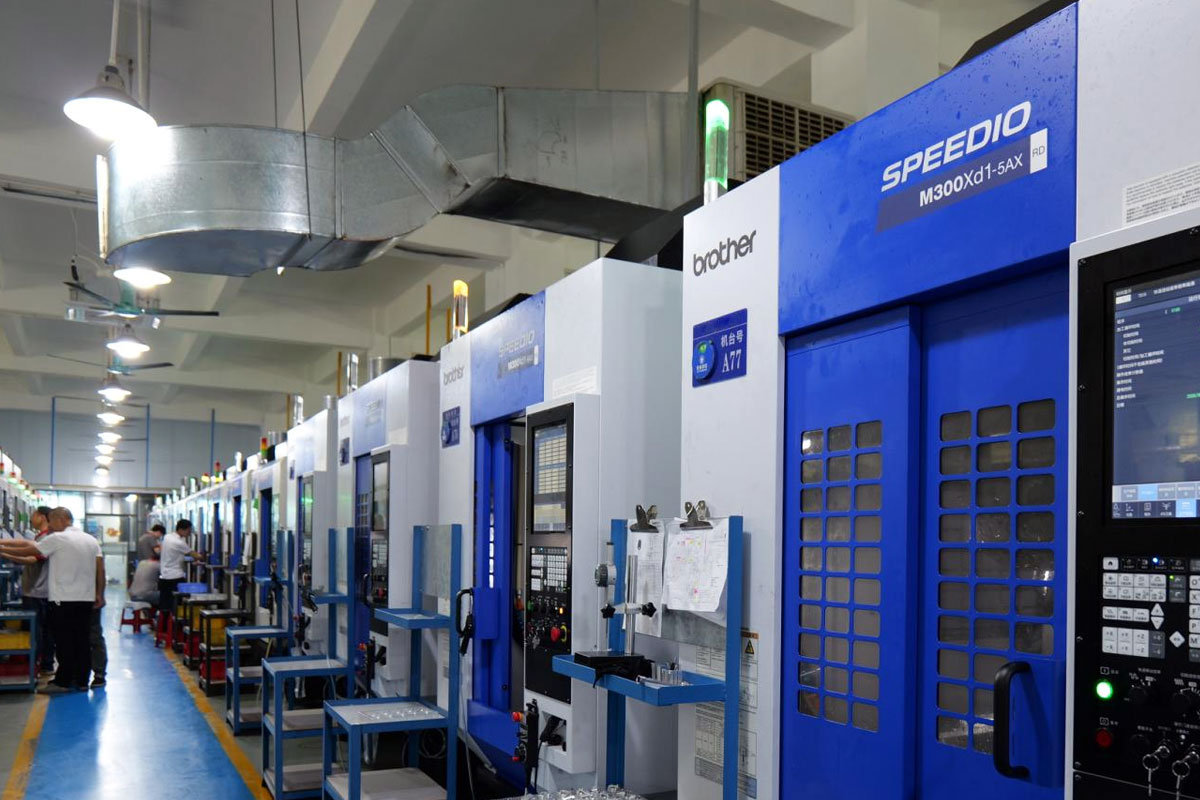
Our machine shop features over 85 CNC machining centers, with 45% comprised of high-precision Japanese imported equipment from leading manufacturers including Brother, Fanuc, Mitsubishi, and Tsugami. Our diverse fleet includes 3-axis, 4-axis, and 5-axis simultaneous milling centers, CNC turning centers with live tooling, Swiss-type automatic lathes, and multi-tasking mill-turn platforms. We utilize high-speed spindles up to 30,000 RPM with through-spindle coolant capabilities, enabling aggressive material removal rates while maintaining excellent chip evacuation and thermal stability. Our automation systems include robotic part loading, pallet pools, and bar feeders for lights-out production during high-volume runs.

Materials & Alloys

We machine the full spectrum of aluminum alloys, including 6061-T6, 7075-T6, 2024-T4, 5052-H32, 5083-H116, 6082-T6, 7050-T7451, 7068, and 2011. Each alloy presents unique machining characteristics—we adjust tooling selection, cutting parameters, and coolant strategies accordingly to maximize tool life and surface finish quality. For specialized applications, we also machine aluminum matrix composites and aluminum-lithium alloys used in aerospace structures.

Precision & Tolerances

Our machining capabilities deliver standard tolerances of ±0.05 mm (±0.002") with precision capabilities reaching ±0.01 mm (±0.0004") on critical features. We routinely achieve surface finishes of Ra 1.6–3.2 µm as-machined, with finishing operations achieving Ra 0.4–0.8 µm. Our temperature-controlled environment (20°C ± 1°) ensures dimensional stability during precision machining operations, particularly for large or thin-wall components prone to thermal expansion.

Part Size Capacity

We accommodate parts ranging from miniature components of 2 mm to large structural parts up to 1200 × 800 × 600 mm in milling. Turning capacity handles diameters up to 400 mm and lengths up to 1000 mm. For oversized or specialty parts, we coordinate with partner facilities to extend capabilities as needed.

Secondary Operations

In-house secondary operations include heat treatment (solution annealing, precipitation aging, and stress relieving), welding (TIG, MIG, laser, and friction stir), and assembly services. Our finishing department provides anodizing (Type II decorative and Type III hard coat), chemical film (Alodine), powder coating, bead blasting, vibratory deburring, brushing, polishing, laser engraving, and silk screening—all under one roof for streamlined project management.

Quality & Inspection

Our ISO 9001:2015 and AS9100D certified quality system incorporates incoming material verification, first-article inspection per AS9102, in-process monitoring, and final CMM inspection with full dimensional reporting. We utilize optical comparators, surface roughness testers, hardness testers, and coordinate measuring machines (Zeiss and Hexagon) to validate every critical dimension. Material traceability is maintained from mill certificate to finished part.

Prototyping to Production

Our flexible manufacturing approach supports quantities from single prototypes to production runs exceeding 100,000 units annually. For prototyping, we offer expedited 3–5 day turnaround with design-for-manufacturability feedback to refine geometry before production tooling commitment. For production, we implement process optimization, fixture design, and statistical process control (SPC) to ensure consistent quality across every batch.


Finishes

Surface finishing for CNC machined aluminum parts enhances corrosion resistance, aesthetic appearance, wear protection, and functional performance. Our facility offers a comprehensive range of mechanical, chemical, and coating processes to meet diverse application requirements:

Mechanical Finishes

  • As-machined (32 Ra standard, 16 Ra optional) – cost-effective baseline with visible tool marks

  • Bead blasting (glass, ceramic, or aluminum oxide media) – uniform matte texture, hides handling marks, prepares surface for anodizing

  • Vibratory tumbling – deburring and edge radiusing for high-volume parts

  • Belt grinding – produces architectural grain finishes (#3, #4, or brushed)

  • Buffing/polishing – satin to mirror reflectivity for decorative and optical applications

Anodizing (Most Popular)

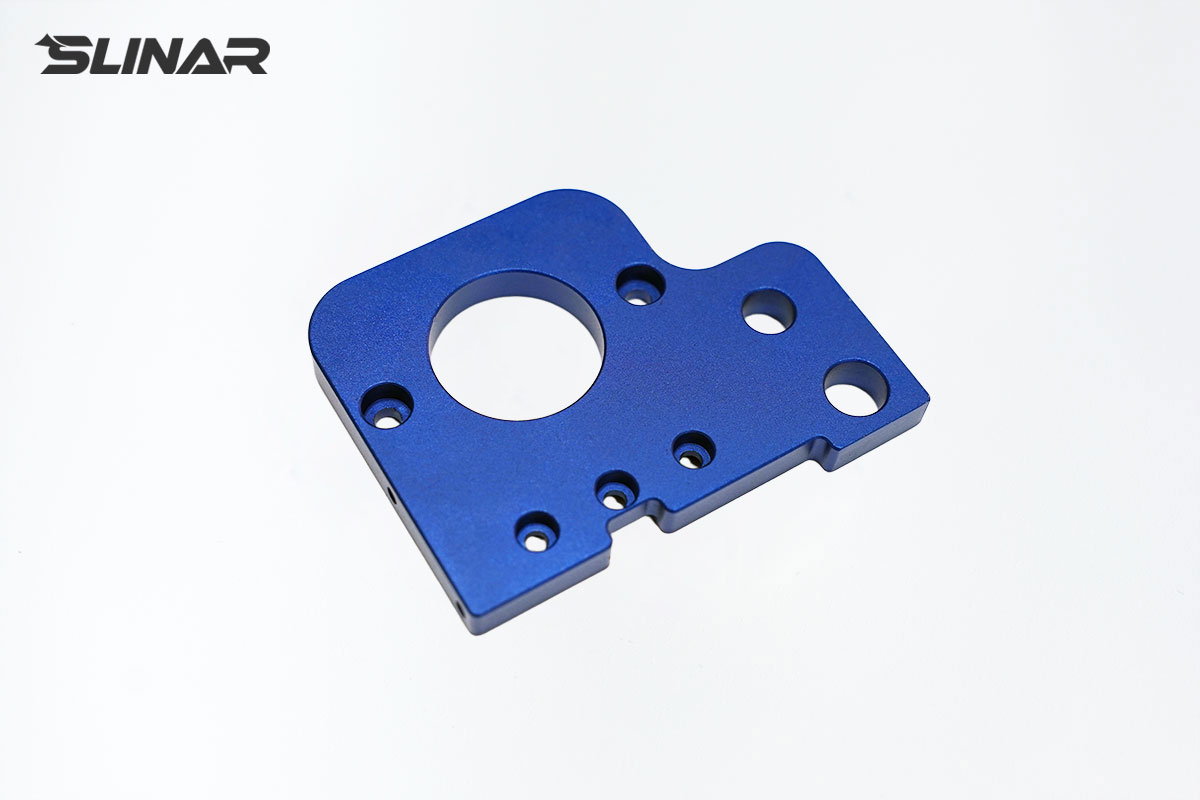
  • Type II (decorative anodizing) – 0.0005"–0.001" thickness, available in clear, black, gold, red, blue, and custom colors per MIL-A-8625

  • Type III (hard coat anodizing) – 0.001"–0.003" thickness, excellent wear resistance for sliding and high-friction applications

  • Chromic acid anodizing – thin coating (0.0001") for tight-tolerance aerospace components

Chemical Finishes

  • Chemical film (Alodine / Iridite) – thin conversion coating for electrical conductivity and corrosion protection, ideal for electronic housings and military applications per MIL-DTL-5541

  • Etching – chemical texturing for decorative effects or adhesive bonding preparation

  • Bright dipping – produces highly reflective surface prior to clear anodizing

Coating & Thermal Finishes

  • Powder coating – durable, impact-resistant finish available in any RAL color, thickness 0.002"–0.005"

  • Electroless nickel plating – provides uniform thickness on complex geometries for added wear and corrosion protection

  • PTFE impregnation – embeds Teflon into anodized surface for dry lubrication and non-stick properties

  • Ceramic coatings – thermal barrier and high-temperature protection for extreme environments

Specialty Finishes

  • Laser engraving – permanent marking for logos, part numbers, and barcodes

  • Silk screening – decorative or informational graphics on finished surfaces

  • Masked anodizing – selective coating for parts requiring both wear resistance and electrical contact points

  • Custom grain orientations – matched to existing equipment aesthetics

Technical Specs

Aluminum Material Properties:

Parameter6061-T67075-T62024-T45052-H32
Density (g/cm³)2.702.812.782.68
Tensile Strength (MPa)310572470228
Yield Strength 0.2% (MPa)276503324193
Hardness (Brinell)9515012060
Modulus of Elasticity (GPa)68.971.773.170.3
Thermal Conductivity (W/m·K)167130121138
Corrosion ResistanceGoodFairPoorExcellent
Machinability RatingGoodFairFairGood

CNC Machining Capabilities — Aluminum:

ParameterValue
Max part size (milling)1200 × 800 × 600 mm
Max part size (turning)Ø400 × 1000 mm
Min feature size (milled)0.3 mm (endmill), 0.2 mm (drill)
Tolerance (standard)±0.05 mm (±0.002")
Tolerance (precision)±0.01 mm (±0.0004")
Surface roughness (as-machined)Ra 1.6–3.2 µm
Surface roughness (precision)Ra 0.4–0.8 µm
Max production volume100,000+ units annually
Minimum order quantity1 (prototype) / 50 (production)
FAQs
  • What is the best aluminum grade for CNC machining?

    6061-T6 is the most commonly machined aluminum grade due to its excellent strength-to-weight ratio, corrosion resistance, and machinability. 7075 is preferred for high-stress aerospace applications where superior strength is required. 2024 offers high fatigue resistance for structural components, while 5052 is ideal for marine and sheet metal applications due to its exceptional corrosion resistance. 6082 is commonly used in European markets for heavy-duty structures. The choice depends on your specific requirements for strength, weldability, corrosion resistance, and anodizing quality.
  • What are the advantages of CNC machining aluminum over other materials?

    Aluminum offers significant advantages including lightweight properties (approximately one-third the density of steel), excellent thermal and electrical conductivity, natural corrosion resistance, and good machinability that extends tool life and reduces cycle times. Compared to steel, aluminum allows for faster cutting speeds and produces less wear on tooling, resulting in lower manufacturing costs for high-volume production. The material also accepts various surface finishes exceptionally well, including anodizing, powder coating, and polishing.
  • What surface finishes are available for CNC machined aluminum parts?

    Common finishes include as-machined (32 Ra standard), bead blasting for uniform matte texture, vibratory tumbling for deburring, and various polishing levels from satin to mirror. Anodizing is the most popular aluminum finish, available in Type II (decorative) and Type III hard coat (wear-resistant), with clear, black, and various colors. Other options include powder coating for durability, chemical film (Alodine) for electrical conductivity and corrosion protection, electropolishing, and brushing for decorative architectural finishes.
  • Can aluminum be CNC machined to tight tolerances?

    Yes, aluminum can be machined to precise tolerances of ±0.0005" (±0.013 mm) or better on critical features. However, aluminum's thermal expansion coefficient is higher than steel, requiring temperature-controlled machining environments and careful workholding to maintain dimensional stability. Stress-relief treatments may be necessary for thin-wall sections or complex geometries to prevent warping after machining.
  • What industries commonly use CNC machined aluminum parts?

    Aluminum machined parts serve virtually every industry. Aerospace relies on 7075 and 2024 for airframe structures and engine components. Automotive uses aluminum for engine blocks, transmission housings, and suspension parts to reduce vehicle weight. Medical equipment benefits from aluminum's lightweight and sterilizable properties. Electronics use aluminum for heat sinks, enclosures, and EMI shielding. Other major users include defense, marine, robotics, semiconductor, and consumer products.
  • How does anodizing affect the dimensions of machined aluminum parts?

    Anodizing converts the aluminum surface to aluminum oxide, which adds a layer thickness of approximately 0.0005" to 0.003" depending on the type (Type II decorative vs. Type III hard coat). This buildup occurs on all exposed surfaces, potentially affecting critical dimensions and thread fits. To accommodate this, we recommend adjusting machining tolerances by leaving 0.0005" to 0.002" undersize on mating surfaces, or specifying masking for precise areas. We provide anodizing allowance guidance during the design review phase.
  • Is aluminum CNC machining cost-effective for low-volume production?

    Yes. Unlike injection molding or die casting which require expensive tooling, CNC machining requires no hard tooling, making it highly cost-effective for prototype to medium-batch production. Setup costs are minimal, and design changes can be implemented quickly without new tooling expenses. For quantities from 1 to 500 units, CNC machining is generally the most economical manufacturing method for aluminum parts.
  • How do you prevent chip welding and built-up edge when machining aluminum?

    Aluminum's gummy nature can cause chip welding on cutting tools, especially with softer grades. We address this using sharp, polished carbide tooling with high-positive rake geometries, applying appropriate coolant or mist lubrication for heat dissipation and chip evacuation. High-speed machining strategies with light chip loads and proper feed rates are employed to prevent recutting of chips. Through-spindle coolant is used for deep-hole drilling to ensure efficient chip removal and surface finish quality.
Ready to scale production?

Upload CAD for a free quote. No obligation.

Get Free Quote Now
Trustpilot