



CNC Machining with Care. From 1 pc to Mass Production. Free DFM Analysis. Get a Quote
Select a language
loading
CNC machining materials

Mild steel CNC Machining

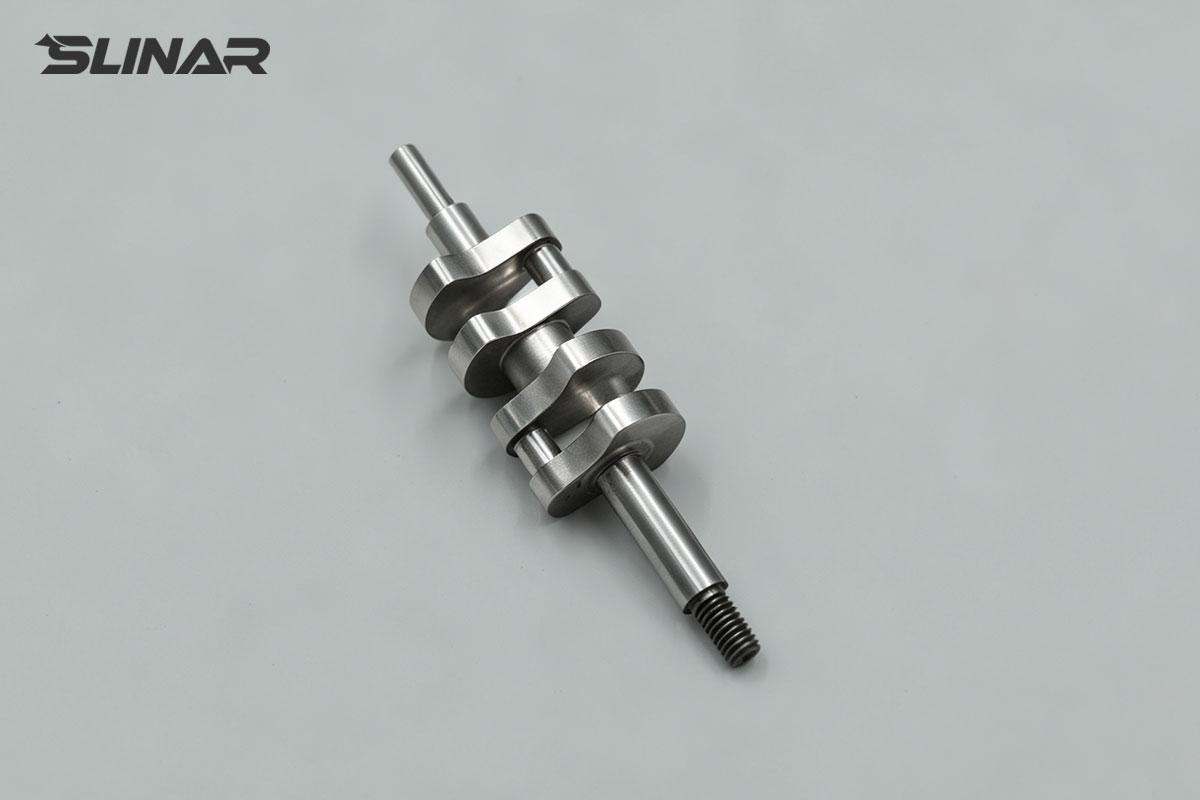
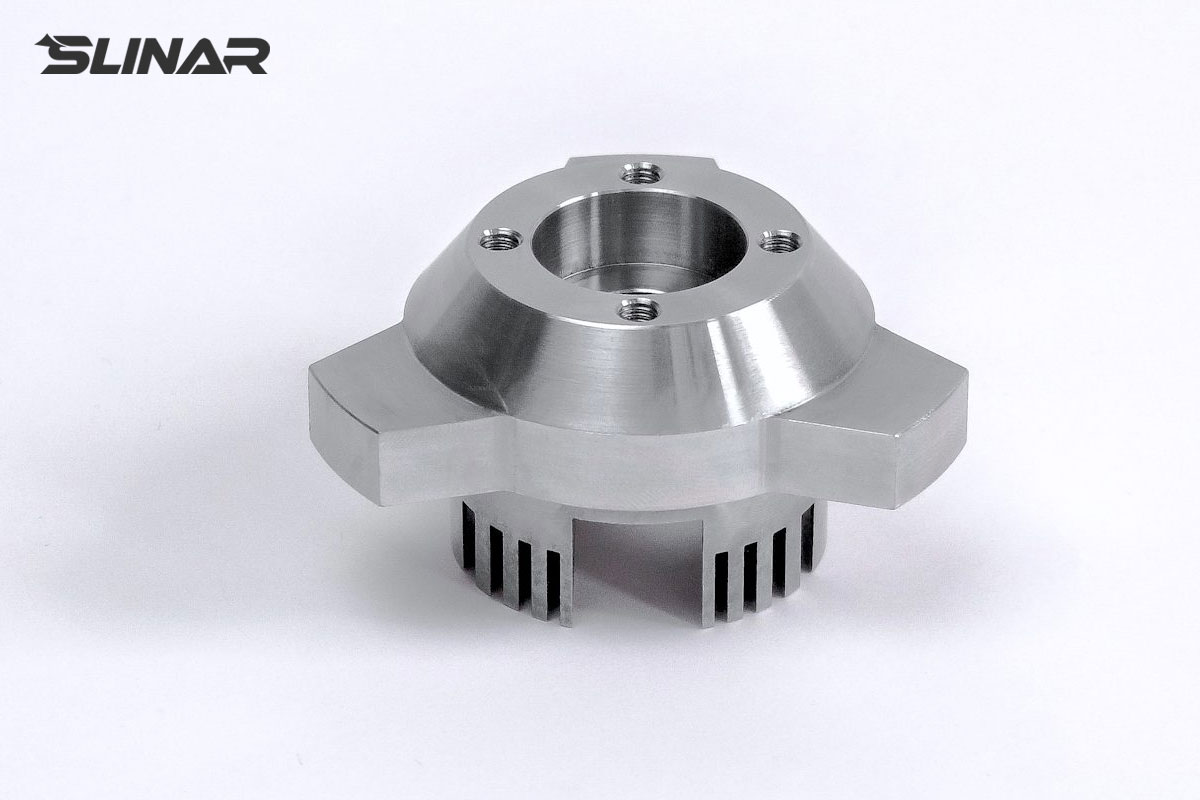
High machinability and weldability, high stiffness. Mild steels are low-carbon metal alloys offering good mechanical properties, machinability and weldability at low cost. Can be carburized to increased hardness.
Order CNC Mild steel parts

Description

Applications

CNC machining produces parts with excellent mechanical properties, accuracy and repeatability from metal and plastic. 3-axis & 5-axis CNC milling available.

Strengths

Excellent mechanical properties,High accuracy & repeatabillity

Weaknesses

Greater geometry restrictions than 3D printing

Characteristics

Price
Mill Lead Time

As fast as 5 days

Grades

A36, 1018, 1020, 1045, 12L14, 1215

Finishing Options

Galvanizing, Powder Coating, Painting, Black Oxide, Zinc Plating, Electroplating, Polishing, Sandblasting.

Available material grades

Mild steel FAQs

  • What is mild steel and why is it used for CNC machining?

    Mild steel is a low-carbon steel containing roughly 0.05–0.25% carbon. That low carbon content makes it soft, ductile, and easy to weld, while still being strong enough for most structural and mechanical parts. For CNC machining, the appeal is straightforward: it cuts fast, holds tolerances reasonably well, and costs far less than alloy steel or stainless. It is the default choice for brackets, fixtures, pins, shafts, and general-purpose components where corrosion resistance or high hardness is not the primary requirement.
  • Which mild steel grades do you machine most often?

    1018 is the workhorse grade, offering good machinability and weldability at low cost. It is commonly used for brackets, spacers, pins, and fixture plates. 1045 has higher carbon content, giving it more strength and the ability to be through-hardened, making it suitable for shafts, bolts, and axles that need moderate strength. A36 and S275JR are structural grades with good weldability and formability, used for frames and general fabrication. S355J2 is specified when higher tensile strength is needed.
  • How machinable is mild steel compared to other steels?

    Mild steel machines very well. 1018 has a machinability rating of roughly 78% relative to free-cutting brass, which is among the best of any steel. It produces clean chips, cuts at high speeds, and causes relatively low tool wear. 1045 drops to around 57%, still good but noticeably slower. Compared to stainless steel, mild steel cuts faster and with less work hardening. Compared to alloy steel like 4140, mild steel is easier and cheaper to machine, though it lacks the strength after heat treatment.
  • What tolerances can you hold on mild steel parts?

    Standard milling and turning hold ±0.05mm to ±0.125mm, which covers most general-purpose parts. Precision work holds ±0.02mm on critical features. Grinding can reach ±0.005mm where needed. Mild steel's dimensional stability is good during machining, but residual stress from the mill can cause movement after material removal, particularly on thin or asymmetric parts. If your part has tight tolerances across a large section, stress-relief or a rough-then-finish sequence may be advisable.
  • What surface finishes are available for mild steel?

    Mild steel has poor corrosion resistance on its own and will rust quickly without protection. Zinc plating is the most common finish, providing basic corrosion protection at low cost. Electroless nickel plating offers better corrosion resistance and a uniform coating on complex shapes. Powder coating provides durable decorative protection and is common for visible or outdoor parts. Black oxide gives mild protection with a dark appearance and minimal dimensional change. Phosphate coating is used as a paint base. For parts that will be painted, a primer is essential because bare mild steel will flash rust quickly.
  • Can mild steel be heat treated?

    Yes, but with limits. 1018 is a low-carbon grade and does not respond well to hardening by quenching; it is typically used in the as-supplied condition. 1045 has enough carbon to be through-hardened by quenching and tempering, reaching roughly 50–60 HRC depending on section size. Case hardening is an option for low-carbon grades where a hard wear-resistant surface is needed on a tough core. If your part requires high hardness, 1045 or a case-hardening grade is the right starting point rather than 1018.
  • What are the typical applications for machined mild steel parts?

    Brackets, mounting plates, spacers, and fixture components in 1018. Shafts, pins, bolts, and axles in 1045 where moderate strength and hardenability are needed. Structural frames, machine bases, and weldments in A36 or S275JR. General fabrication, jigs, and tooling where cost matters more than corrosion resistance. Mild steel is rarely the right choice for food processing, marine, or chemical environments because of its rust behavior.
  • What is the maximum part size you can machine in mild steel?

    Milling up to 650 × 550 × 450mm. Turning up to 600mm diameter and 1,500mm length. Mild steel parts in this size range are typically fixture plates, machine bases, or structural components, where the material's low cost and good weldability make it practical.
  • How does mild steel compare to stainless steel for cost?

    Mild steel is substantially cheaper on both material and machining cost. Material cost is typically one-third to one-half that of 304 stainless. Machining is also faster and easier, with less tool wear and no work-hardening issues. The trade-off is corrosion resistance: mild steel requires a protective finish and is not suitable for wet, marine, or chemical environments. If the part will be painted, plated, or used indoors in a dry environment, mild steel is usually the cost-effective choice.
  • What documentation comes with mild steel parts?

    Material test reports with chemical composition and mechanical properties. Dimensional inspection reports. Certificates of conformance. For structural or safety-related parts, material traceability to the mill heat lot is provided. Heat treatment certificates are available where 1045 is hardened or case hardening is performed. If the part requires a specific surface finish or coating specification, the coating certificate is included.
Get parts quickly with our processing
Complete CNC machining of parts within 1 week.
Get Free Quote
SLINAR CNC machining service
Ready to scale production?

Upload your CAD for a free quote. No minimum order.

Get Free Quote
Trustpilot