



CNC Machining with Care. No MOQ. From prototype to mass production. Free DFM & 24h quotes. Get a Quote
Select a language
Name
Description
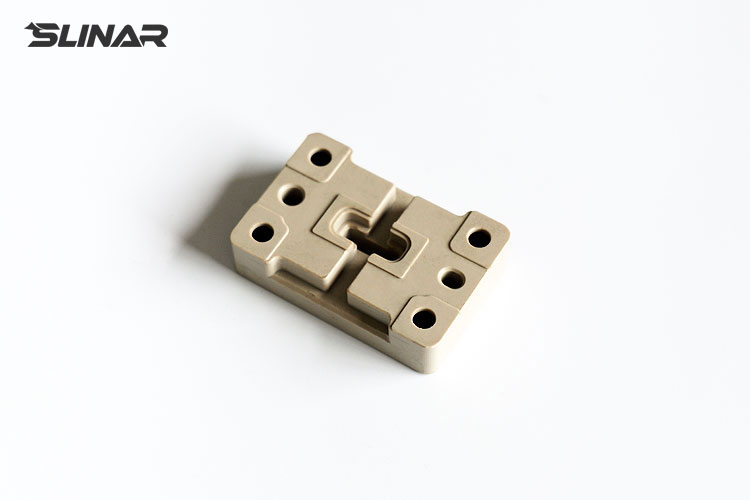
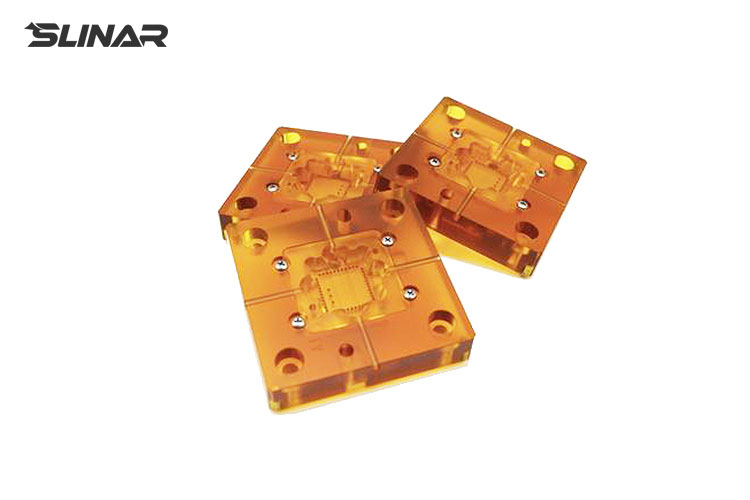
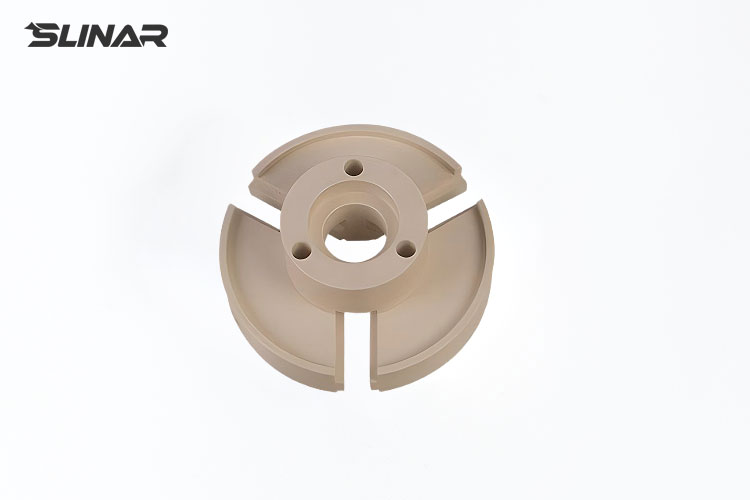
CNC machining PEEK parts
PEEK
Price
High-performance thermoplastic, very high strength, thermal and chemical resistant.
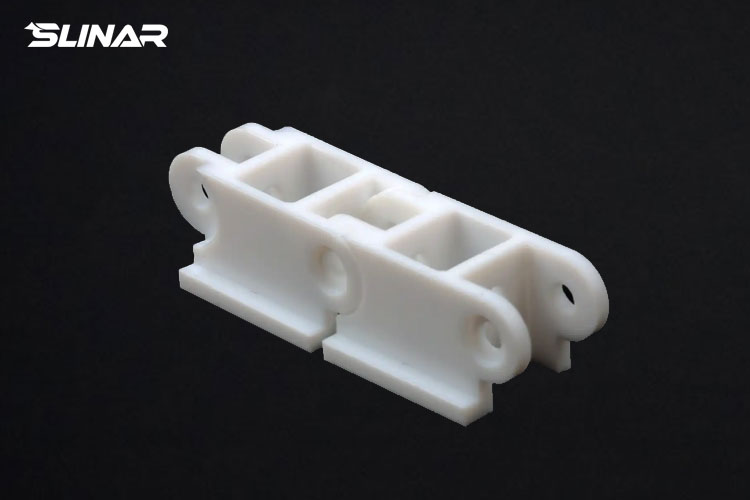
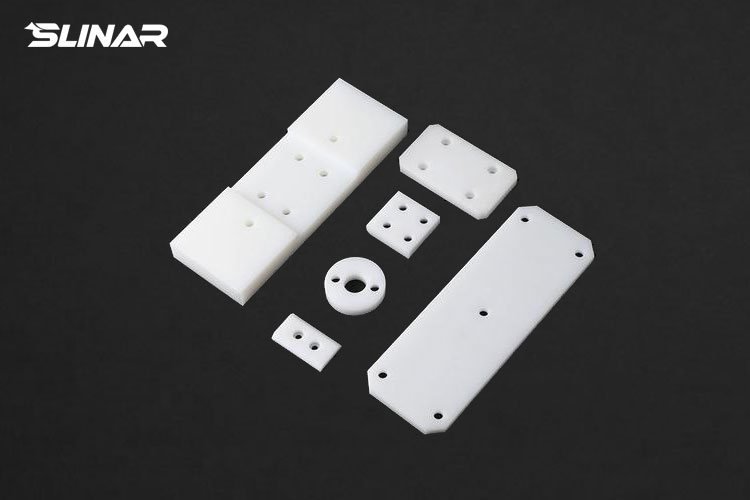
CNC machining POM (Delrin) parts
POM (Delrin)
Price
High stiffness, high accuracy, low friction, easy to machine.
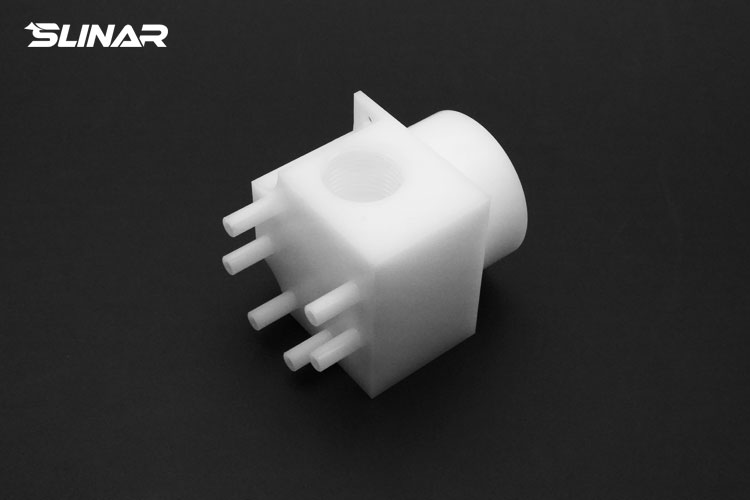
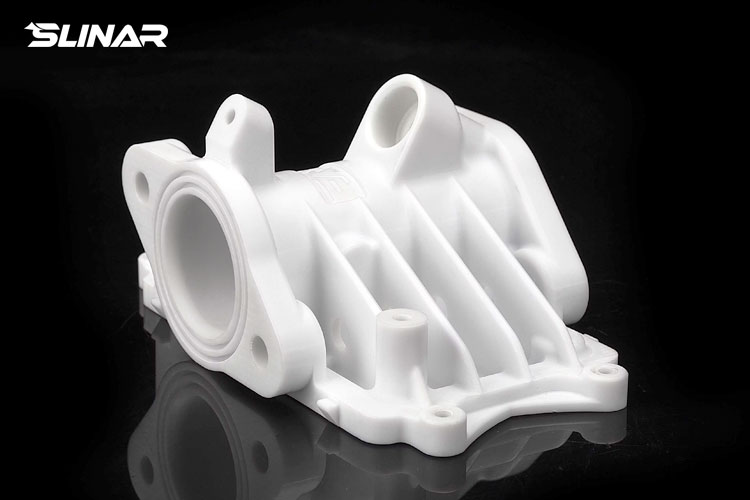
CNC machining PTFE (Teflon) parts
PTFE (Teflon)
Price
Low friction, chemical and thermal resistant.
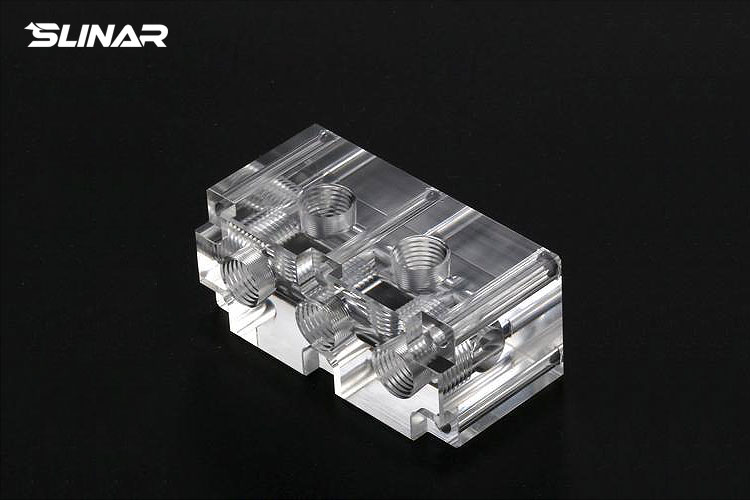
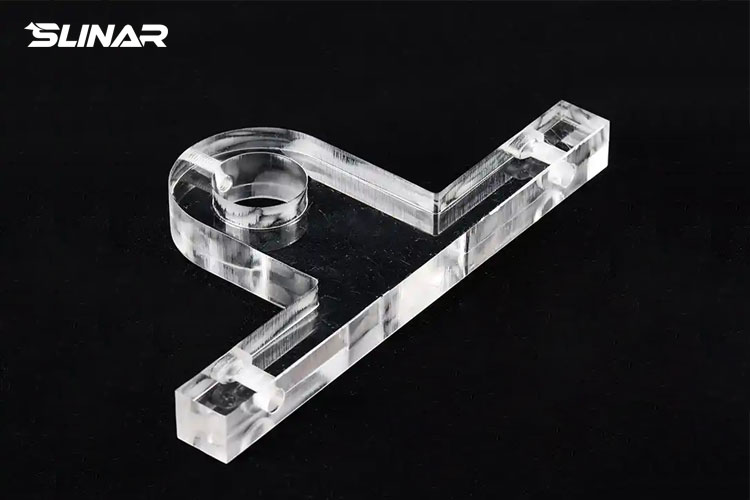
CNC machining PMMA (Acrylic) parts
PMMA (Acrylic)
Price
Transparent rigid plastic often used as a substitute for glass.
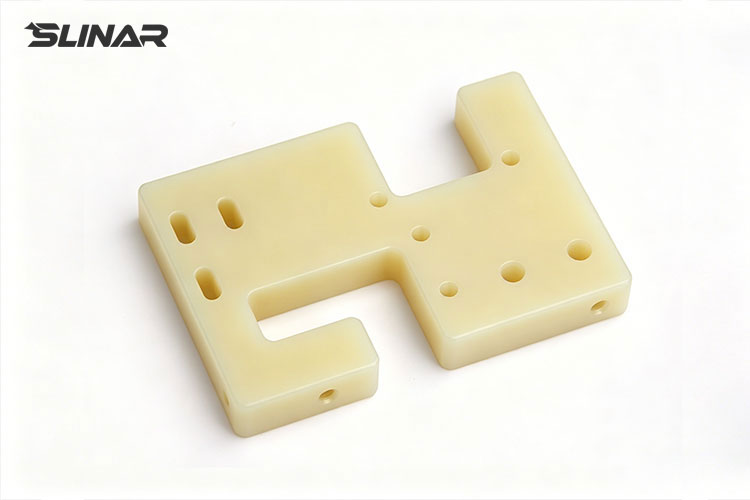
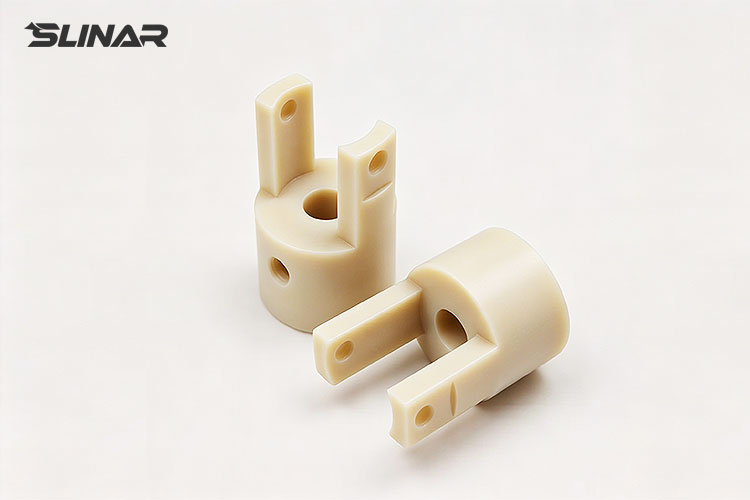
CNC machining Nylon parts
Nylon
Price
Excellent mechanical properties, thermal, chemical and abrasion resistant.
CNC machining ABS parts
ABS
Price
Common thermoplastic, impact resistant, easy to machine.
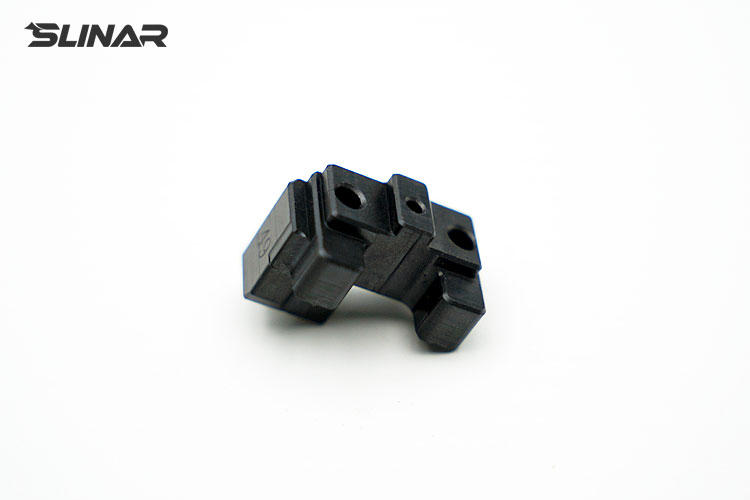
CNC machining PPS parts
PPS
Price
High temperature resistance, corrosion resistance.
CNC machining PAI parts
PAI
Price
It possesses excellent heat resistance and high strength.
CNC machining PC (Polycarbonate) parts
PC (Polycarbonate)
Price
High toughness, excellent impact strength, transparent.
CNC machining PSU parts
PSU
Price
Has extremely high heat resistance and chemical corrosion resistance.
CNC machining PVC parts
PVC
Price
Excellent chemical and weather resistance and good toughness.
CNC machining PP (Polypropylene) parts
PP (Polypropylene)
Price
Excellent chemical corrosion resistance and electrical performance, lightweight and high strength.
CNC machining PEI (Polyetherimide) parts
PEI (Polyetherimide)
Price
It possesses characteristics such as high strength.
CNC machining PE (Polyethylene) parts
PE (Polyethylene)
Price
Excellent strength-to-weight ratio, impact and weather resistant.
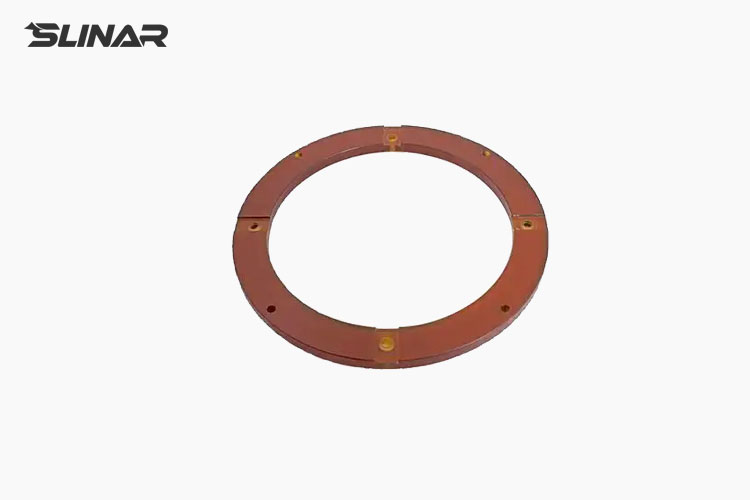
CNC machining PI (Polyimide) parts
PI (Polyimide)
Price
The materials have excellent high temperature stability.
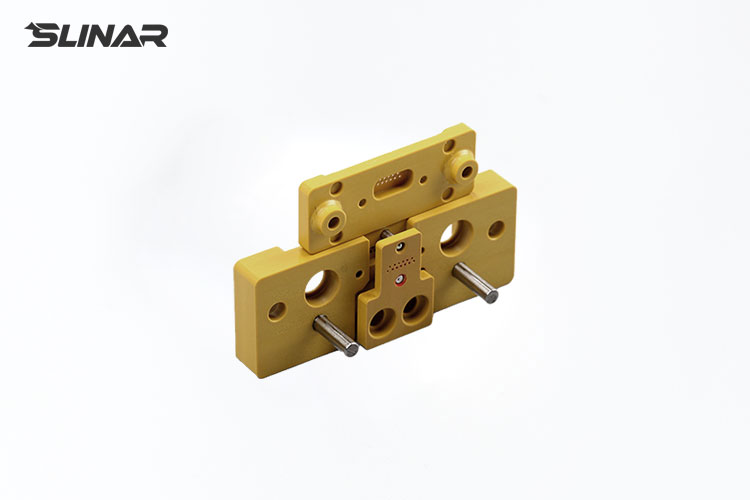
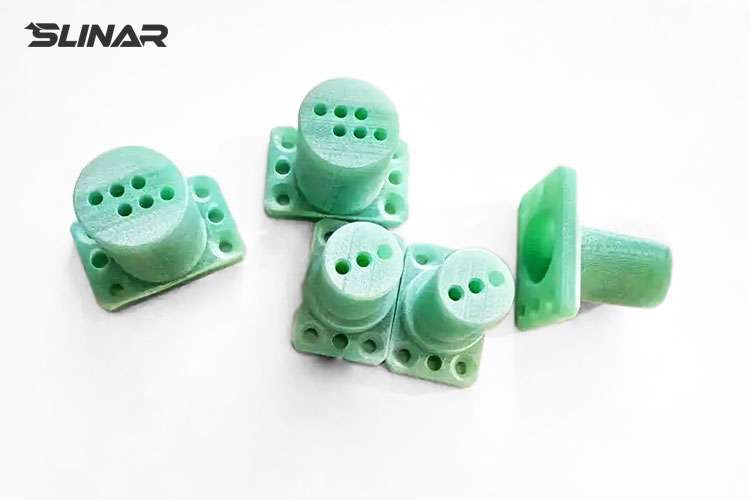
CNC machining FR4 parts
FR4
Price
Flame retardant glass fiber epoxy laminate.
CNC machining PPSU parts
PPSU
Price
Excellent heat resistance, chemical resistance and mechanical properties.
CNC machining PET parts
PET
Price
Tough plastic that offers excellent wear resistance and mechanical strength.
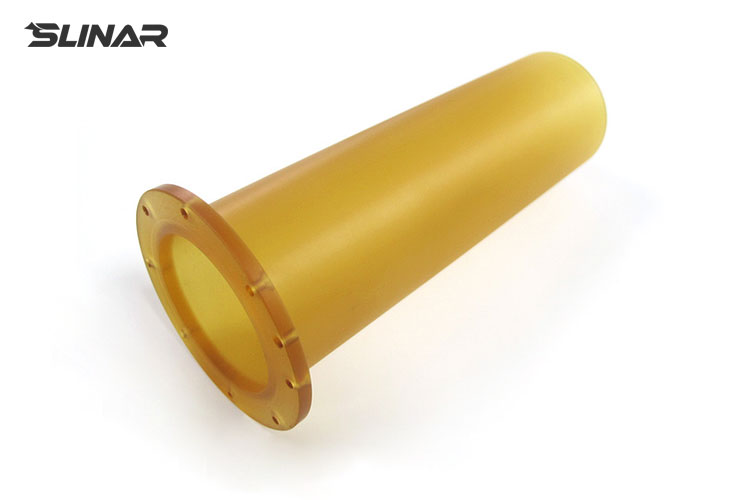
CNC machining PU (Polyurethane) parts
PU (Polyurethane)
Price
It has excellent wear resistance, high tensile strength, tear resistance and load bearing capacity, and has good biocompatibility.
CNC machining igus parts
igus
Price
Wear-resistant, self-lubricating, maintenance-free and long-life characteristics.
Plastic Machining Services

Plastic Machining Services

CNC machined plastic parts offer a compelling alternative to metal — they are lightweight, easier to machine, and generally more cost-effective. This makes them an ideal choice for functional prototypes, jigs and fixtures, and end-use products across industries like medical devices, aerospace, and consumer electronics. CNC machining works with a broad spectrum of engineering plastics, from ABS and nylon to high-performance materials like PEEK, PTFE, and polycarbonate. Each plastic type presents unique machining characteristics — some cut cleanly with excellent dimensional stability, while others require specialized tooling and strategies. At Slinar, we help you select the right material for your application. Explore our full range of available plastics above.
Plastic CNC Machining Services

Plastic CNC Machining Services

Slinar provides advanced plastic CNC machining services with consistent quality and rapid turnaround. Our facility operates over 50 milling and turning machines, ensuring high production availability and competitive pricing at all times. We efficiently handle small-batch orders for CNC-machined plastic parts, as well as complex plastic machining projects involving multiple materials and surface treatments. From rapid prototyping to low-volume production, Slinar delivers reliable plastic CNC machining solutions. Partner with us today to put our plastic machining expertise to work for your project.

Why Choose US

Slinar is an ISO 9001:2015 and AS9100-certified manufacturer based in Shenzhen, China, with over 12 years of experience in high-precision CNC machining.


Learn more

FAQs

  • What is plastic CNC machining and how does it differ from metal machining?

    Plastic CNC machining is a computer-controlled subtractive manufacturing process that uses rotating cutting tools to remove material from plastic workpieces, producing precision components from engineering thermoplastics. The fundamental difference from metal machining lies in how plastics respond to heat and cutting forces. Plastics have up to 10 times greater thermal expansion than metals, lose heat more slowly, and have much lower softening and melting temperatures. This means machining plastics requires sharper tools, specific feed strategies to avoid rubbing (which generates heat), and a focus on chip evacuation to carry heat away from the cutting zone. While metals benefit from aggressive cooling, many plastics machine better with air blast or mist to prevent thermal shock and contamination.
  • Which plastics are most suitable for CNC machining?

    Dimensionally stable, machinable thermoplastics perform best in CNC machining. The most commonly machined engineering plastics include Delrin (POM), PEEK, Acrylic (PMMA), Nylon (PA), PTFE (Teflon), ABS, and Polycarbonate. Delrin offers excellent dimensional stability and low friction. PEEK provides high-temperature resistance up to 260°C and is biocompatible. Acrylic offers optical clarity but requires careful heat management. Nylon is tough and wear-resistant but absorbs moisture affecting dimensional stability. PTFE is non-stick and chemical-resistant but requires specialized handling. ABS is impact-resistant, low-cost, and forgiving. Polycarbonate is tough and transparent but more sensitive to stress cracking.
  • What are the most common problems in plastic CNC machining and how do I prevent them?

    The most frequent issues in plastic machining include melting at cut edges, long stringy chips, poor surface finish, dimensional instability after machining, and burr formation. Melting is caused by heat generation exceeding the material's softening point—prevention requires increasing feed rate (not slowing down), using sharp tools, ensuring good chip evacuation with air blast, and avoiding dwelling in one spot. Long stringy chips, common with nylon and PE, are prevented with sharper tools and more aggressive feed parameters. Poor surface finish or "milky" edges in acrylic require polished single-flute cutters and consistent cutting action. Dimensional instability after machining occurs from internal stress—prevention includes proper fixturing (not too tight), stress-relief annealing, and inspecting parts after thermal equilibrium. Burr formation is controlled with sharp tools and optimized toolpath exits.
  • What tolerances can plastic CNC machining achieve?

    While plastics are more challenging to hold tight tolerances on than metals, realistic expectations are achievable. General features typically hold ±0.05mm to ±0.10mm with proper setup and material selection. Precision features can hold ±0.01mm on dimensionally stable materials like POM and PEEK under controlled conditions. Tighter tolerances require high-stability materials, staged machining with stress relief, and temperature-controlled inspection environments.
  • What tooling is required for plastic CNC machining?

    Machining plastics requires a different approach than metal cutting. Key tooling requirements include sharp cutting edges, single-flute or low-flute O-flute geometry designed specifically for plastics, polished flutes to prevent material adhesion, upcut geometry for deep pocket chip evacuation, and uncoated carbide or diamond-coated tools. Sharp cutting edges are essential because dull tools generate friction and heat instead of cutting cleanly. Single-flute or low-flute O-flute cutters create large chips that carry heat away. Polished flutes prevent built-up edge on the cutting tool. Upcut geometry is particularly important for deep pocket machining to continuously evacuate chips. Uncoated carbide works well for most plastics; diamond-coated tools last longer in abrasive materials like glass-filled nylon.
  • How do you prevent melting during plastic machining?

    Melting is the most critical challenge in plastic CNC machining. The underlying principle is that the tool must cut, not rub. When the tool rubs, friction creates heat faster than the chip can carry it away. Key strategies include maintaining correct chip load, increasing feed rate to produce proper cutting action, using air blast instead of flood coolant for most plastics to remove hot chips immediately, avoiding dwelling in one spot, and taking full-depth cuts when possible. A healthy chip load produces cutting action, not friction. When edges start deteriorating, reducing feed rate often worsens the problem—moving faster creates proper chips. For most plastics, air blast is more effective than flood coolant because it removes hot chips immediately without thermal shock or contamination. Roughing depth should be 0.050″ to 0.150″—shallow cuts rub instead of shearing.
  • What surface finishes are possible on CNC-machined plastics?

    Different plastics accept different finishing methods. As-machined finish provides a functional surface with tool marks visible, typically Ra 1.6–3.2μm. Bead blasting uses fine media to create a uniform matte finish that hides tool marks, common for industrial parts. Vapor polishing for acrylic and polycarbonate uses solvent vapor to create an optical, glass-like finish with no tool marks visible. Flame polishing restores optical clarity on acrylic cut edges. Mechanical polishing through sanding and buffing achieves high gloss on acrylic, polycarbonate, and some nylons.
  • What industries use plastic CNC machining?

    Plastic CNC machining serves a wide range of industries where lightweight, corrosion-resistant, insulating, or biocompatible components are required. The medical industry uses it for surgical instruments, implant components, device housings, and sterilization trays, typically in PEEK, Delrin, and acrylic. Aerospace applications include high-temperature structural parts, bearing cages, and seals in PEEK and PEI. Semiconductor manufacturing uses PEEK and PTFE for wafer handling end effectors, chamber components, and test sockets. Chemical processing relies on PTFE and PVC for corrosion-resistant fittings, pump parts, and valve seats. Automotive applications include gears, bushings, sensor housings, and lightweight components in nylon, Delrin, and PEEK. Electronics uses ABS, polycarbonate, and Delrin for insulating components, connector housings, and enclosures.
  • How do I choose the right plastic for my CNC machining project?

    Select based on your application environment. For high temperature above 100°C, choose PEEK or PEI. For wear resistance and low friction, Delrin is the top choice—it is dimensionally stable and machines beautifully. For high impact resistance, polycarbonate is tough and clear, while nylon is tough and wear-resistant. For chemical resistance and non-stick requirements, PTFE or PVC are appropriate for chemical environments. For transparency and optical clarity, acrylic offers the best clarity and is easy to polish, while polycarbonate is tougher and more impact-resistant. For general-purpose cost-effective parts, ABS is forgiving, machines easily, and is suitable for most enclosures and housings.
Ready to scale production?

Upload your CAD for a free quote. No minimum order.

Get Free Quote
Trustpilot