3D Printed TPU Honeycomb Hollow Bike Saddle with Gradient Lattice Structure for Endurance Road Cycling
Tagged:
3D Printed Saddle
TPU Flexible Printing
Cycling Components
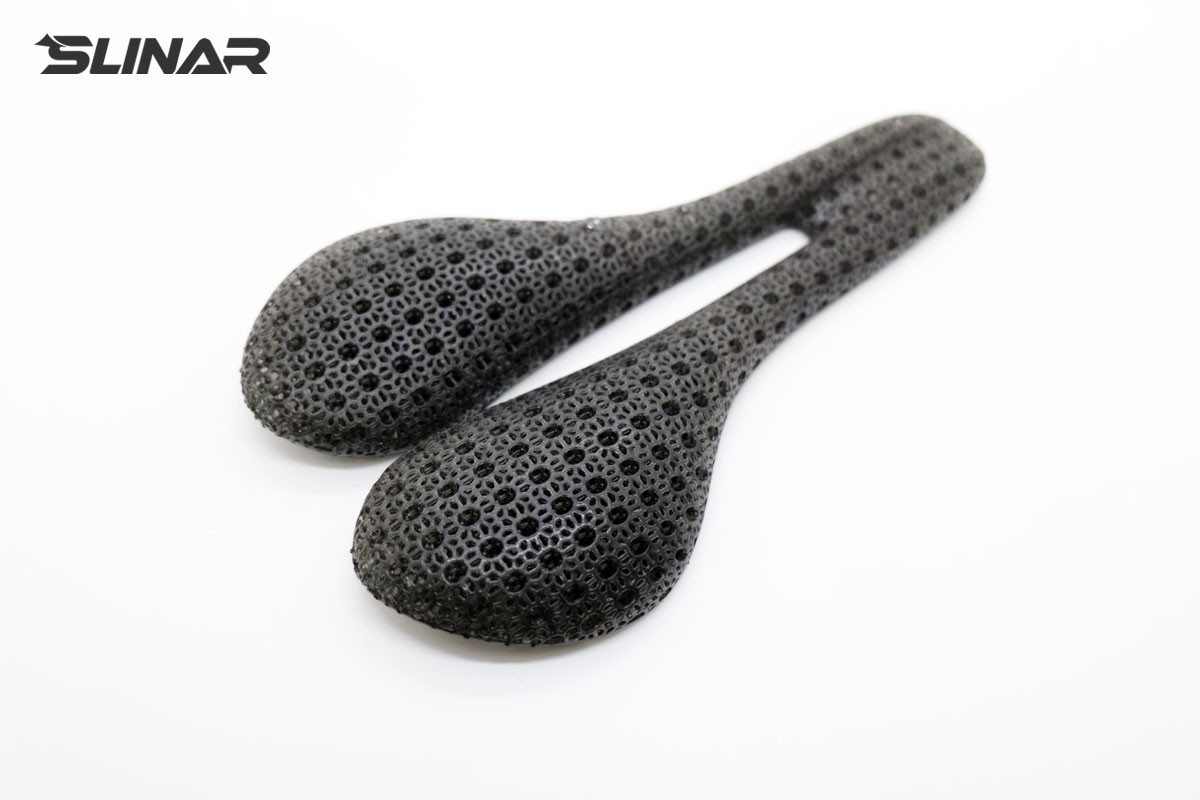
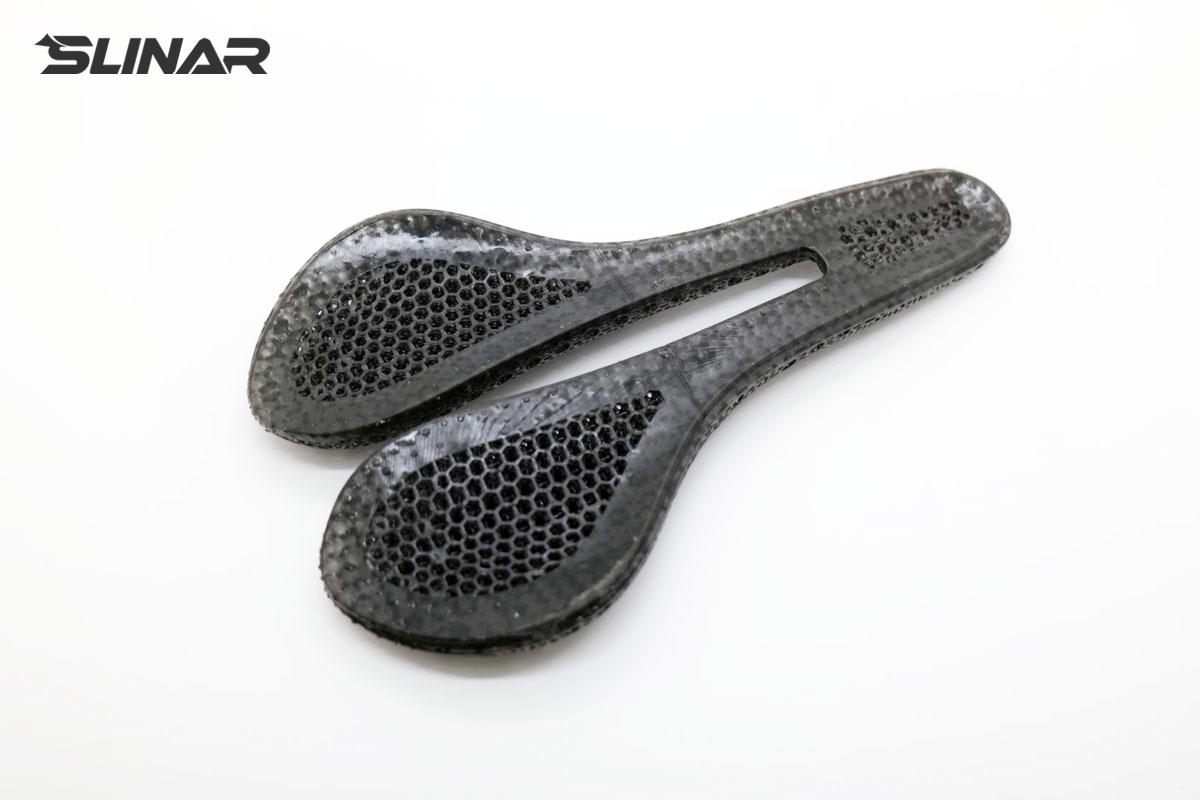
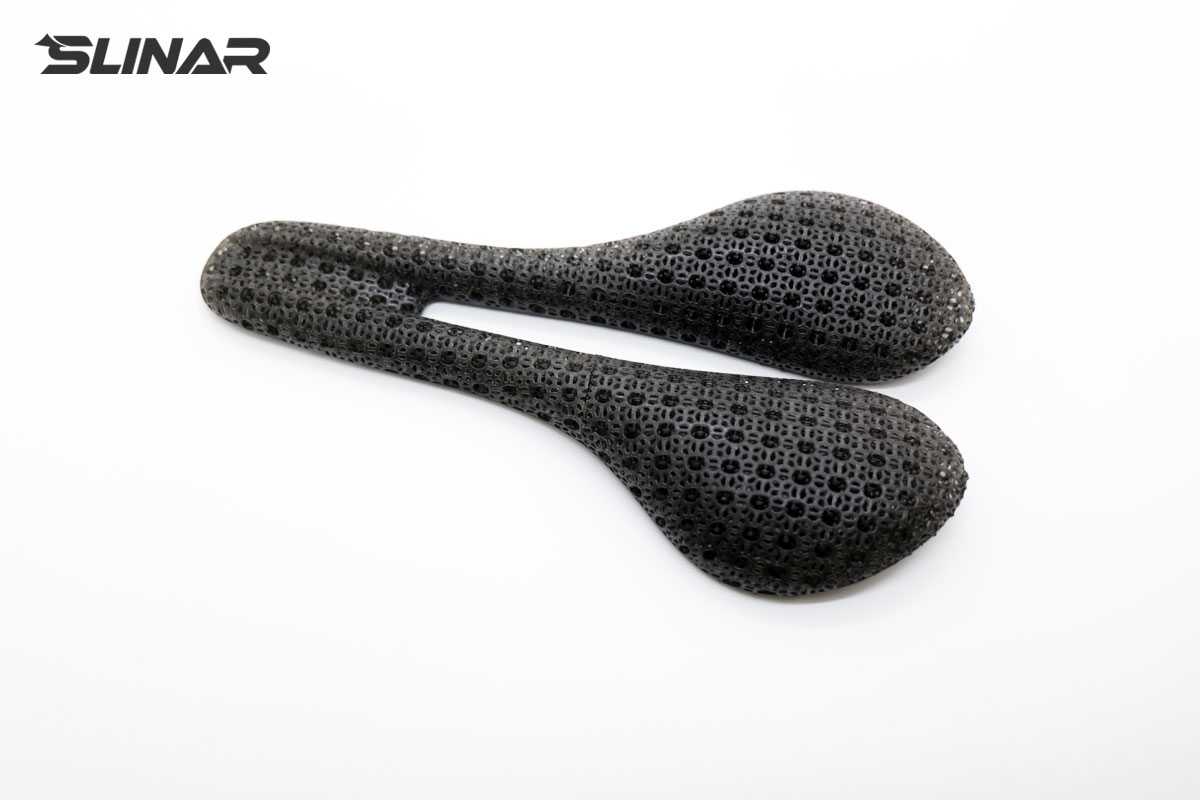
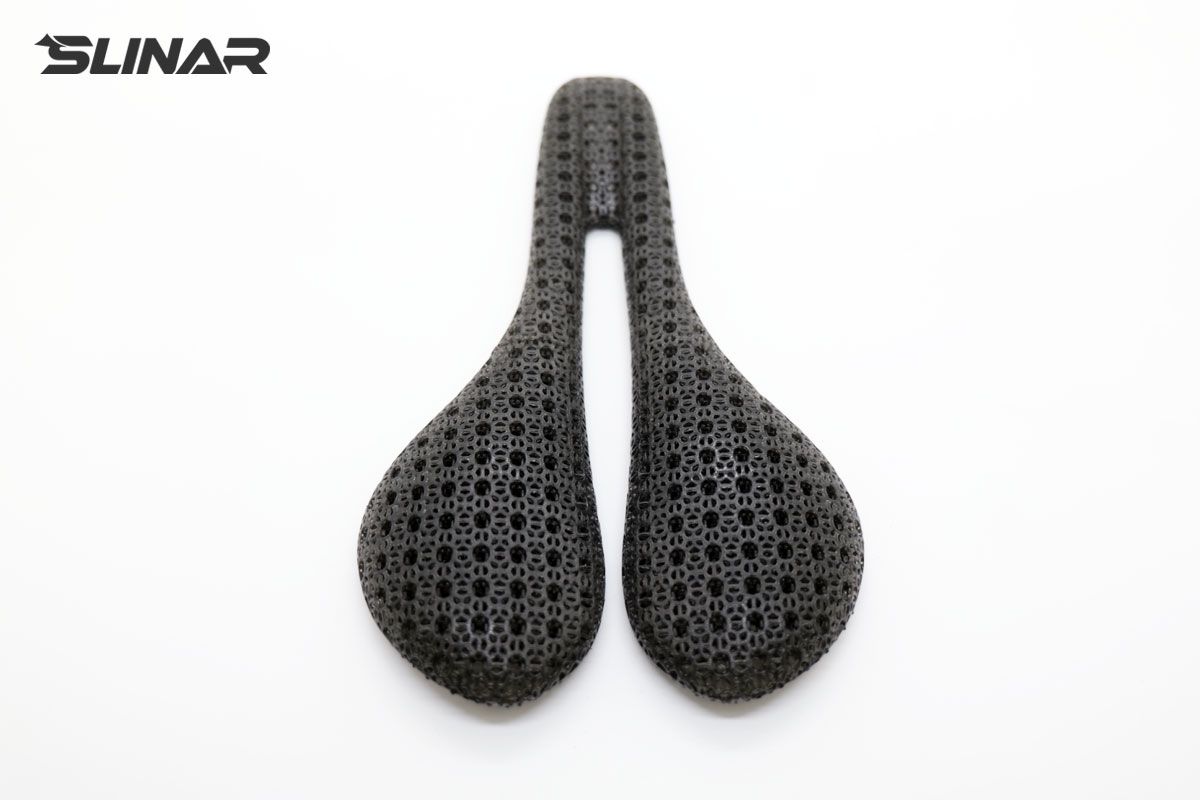
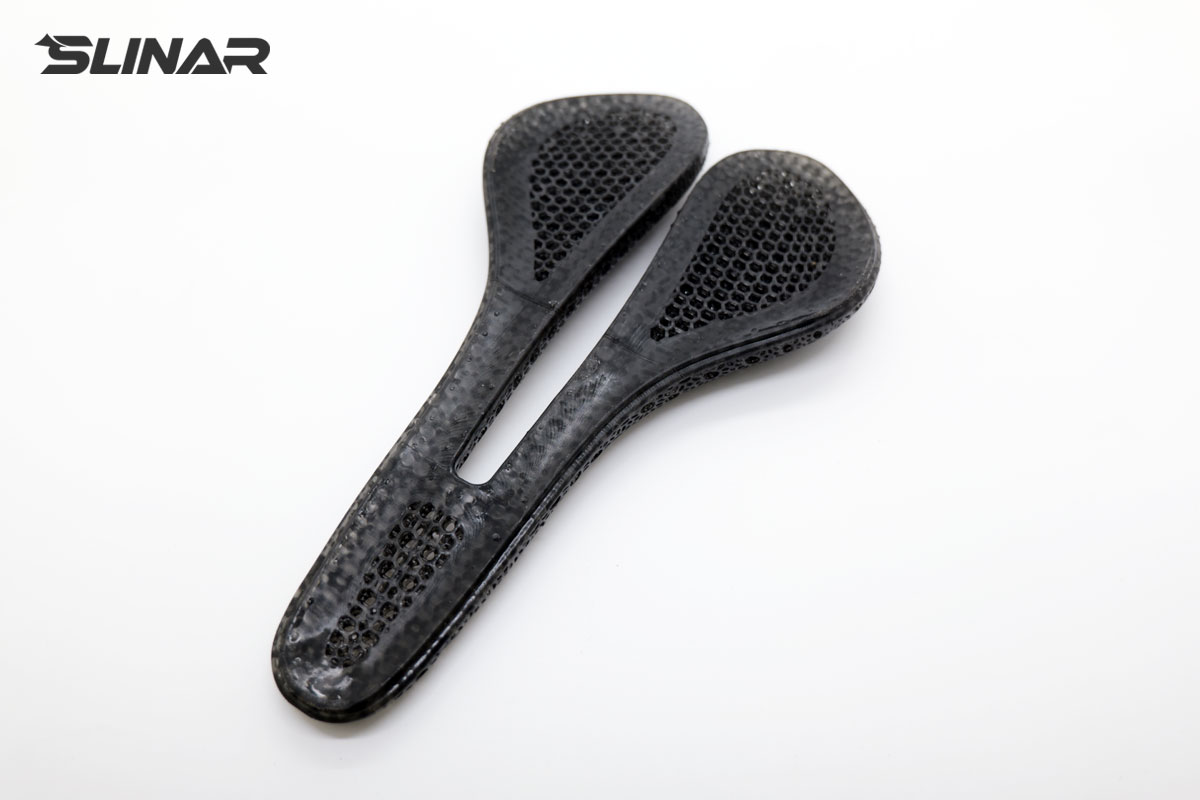
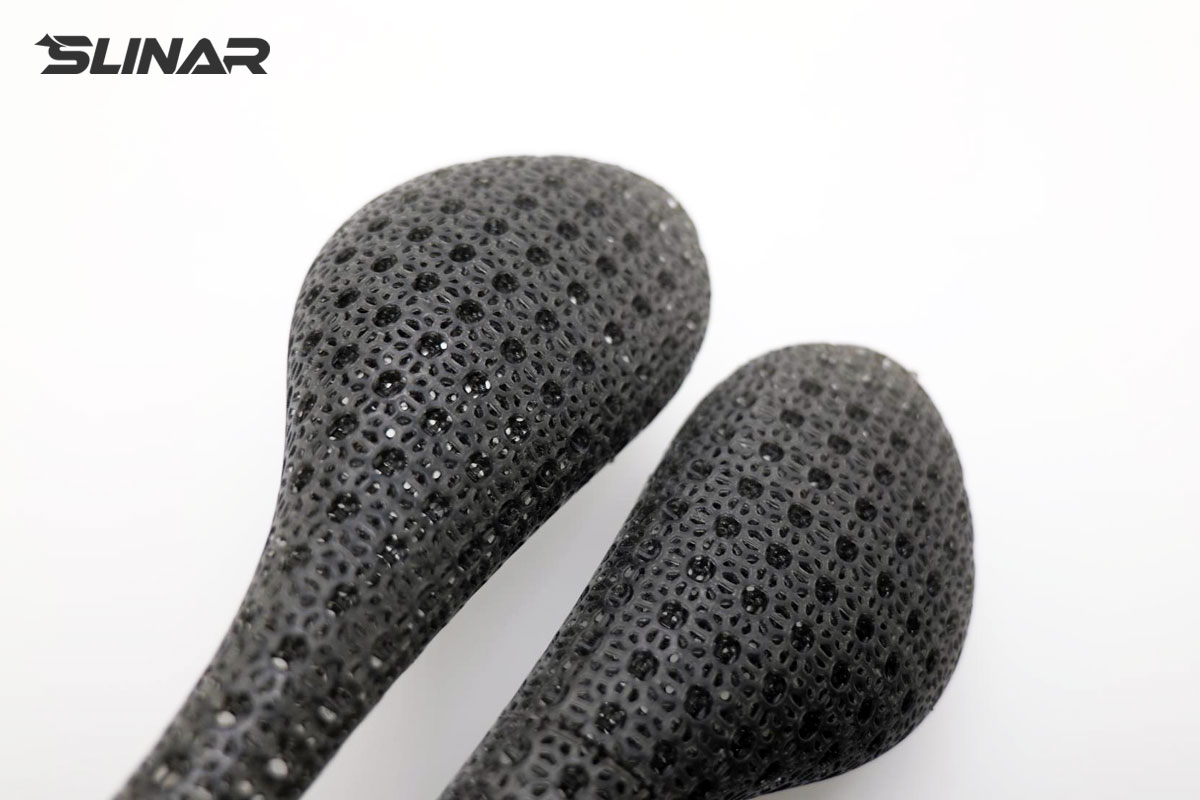
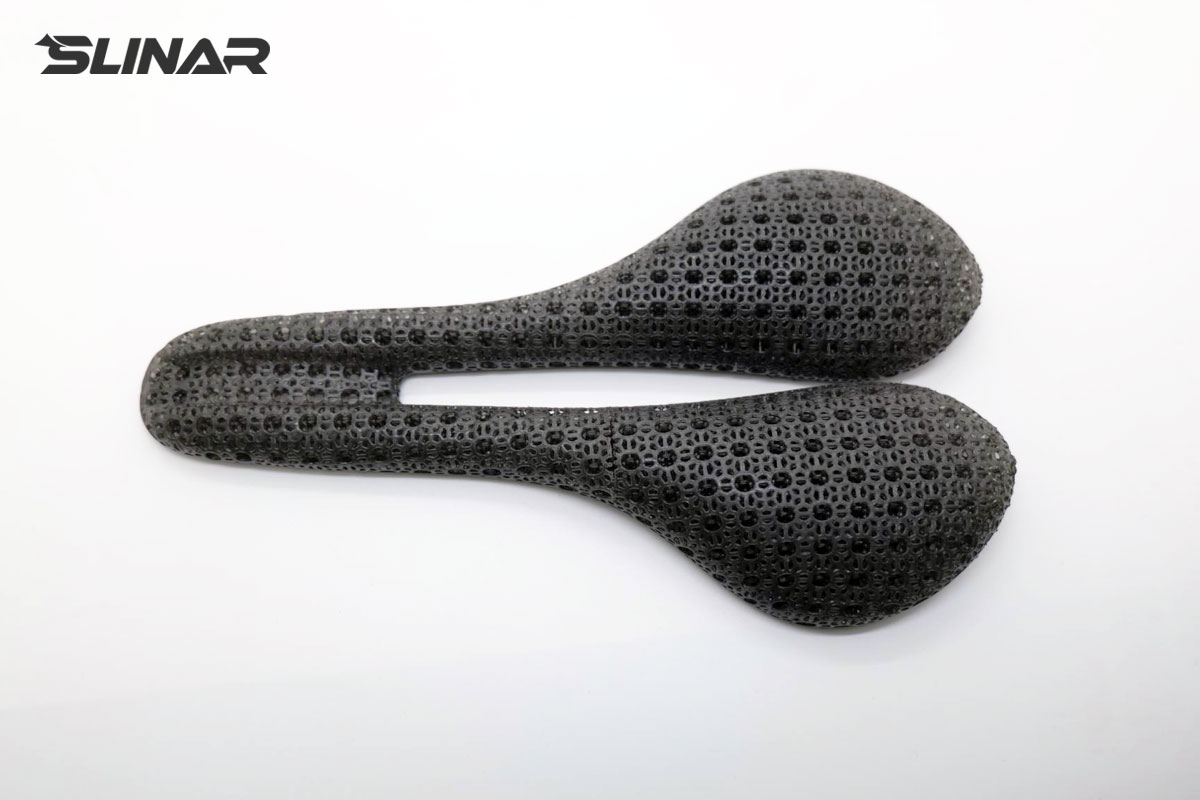
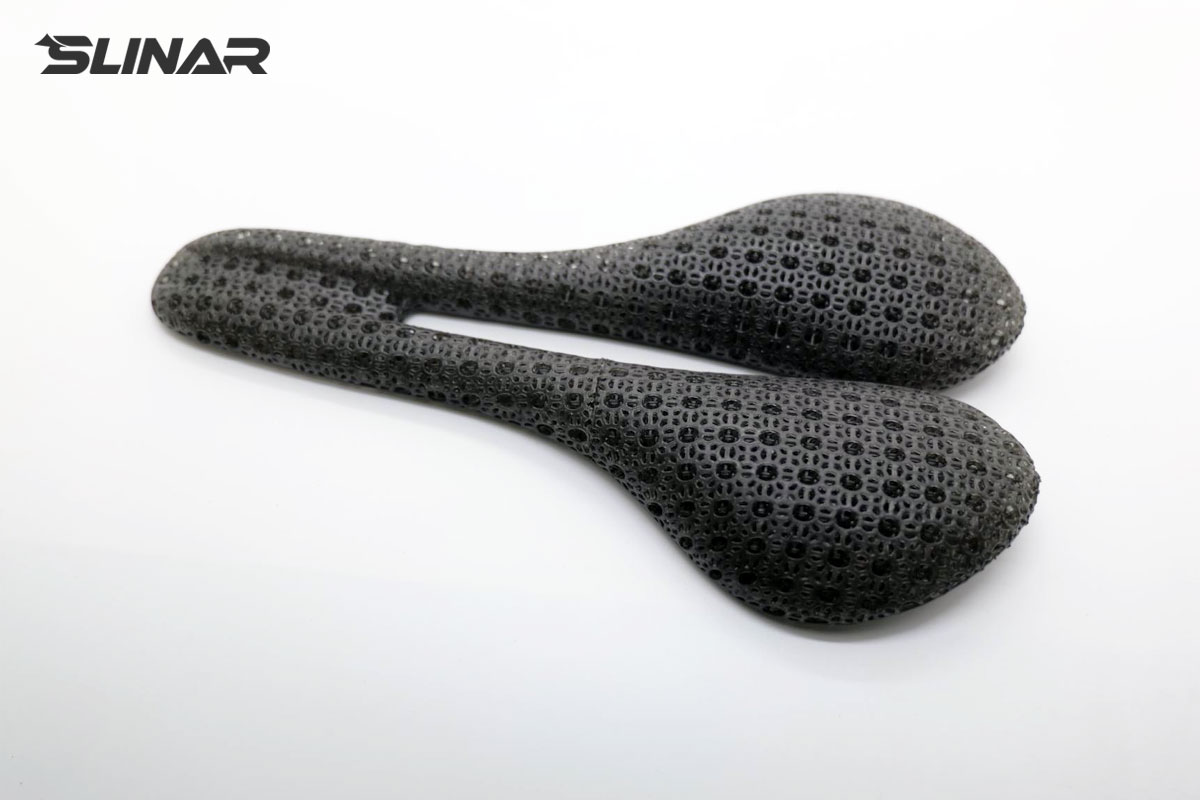
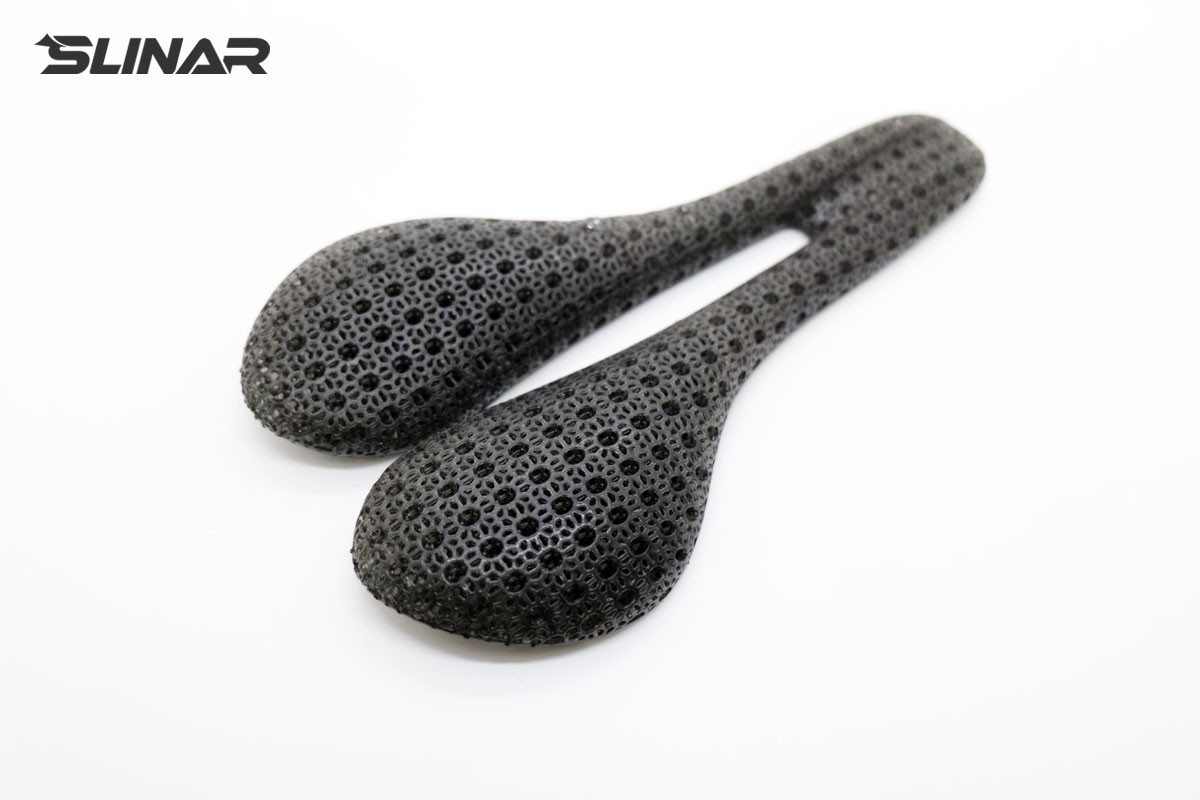
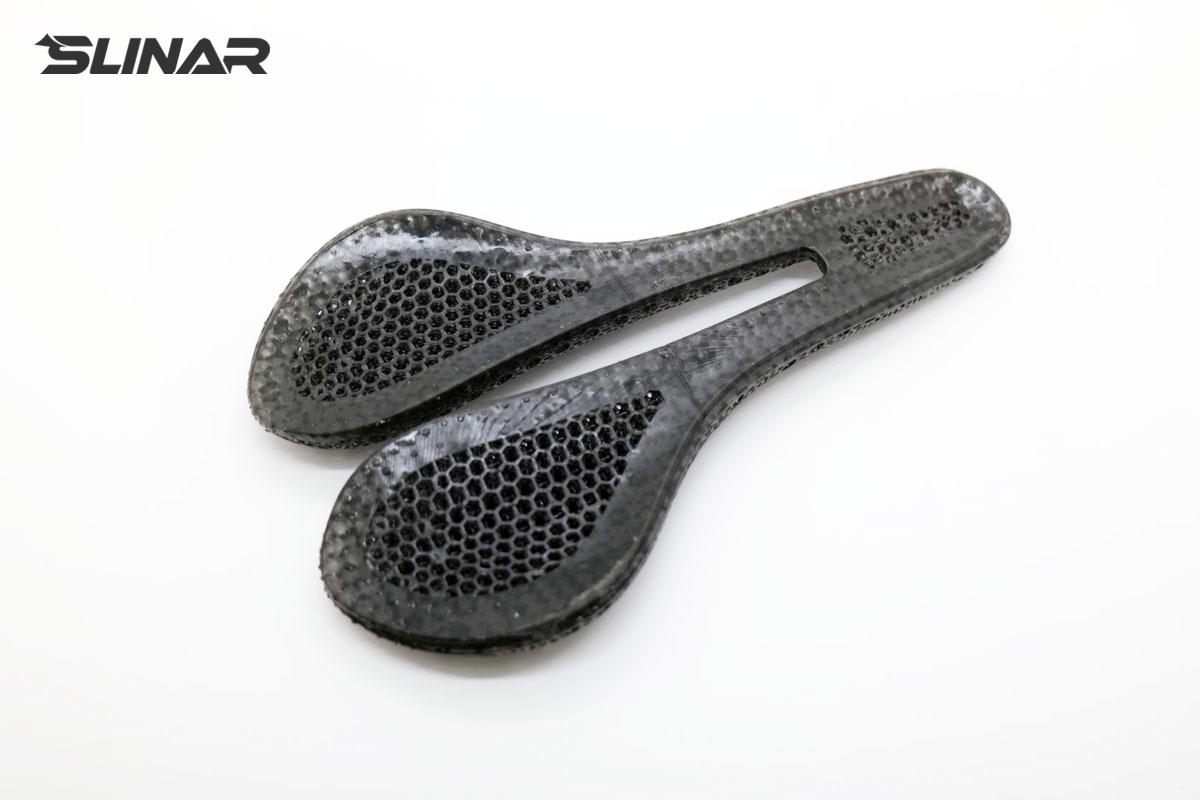
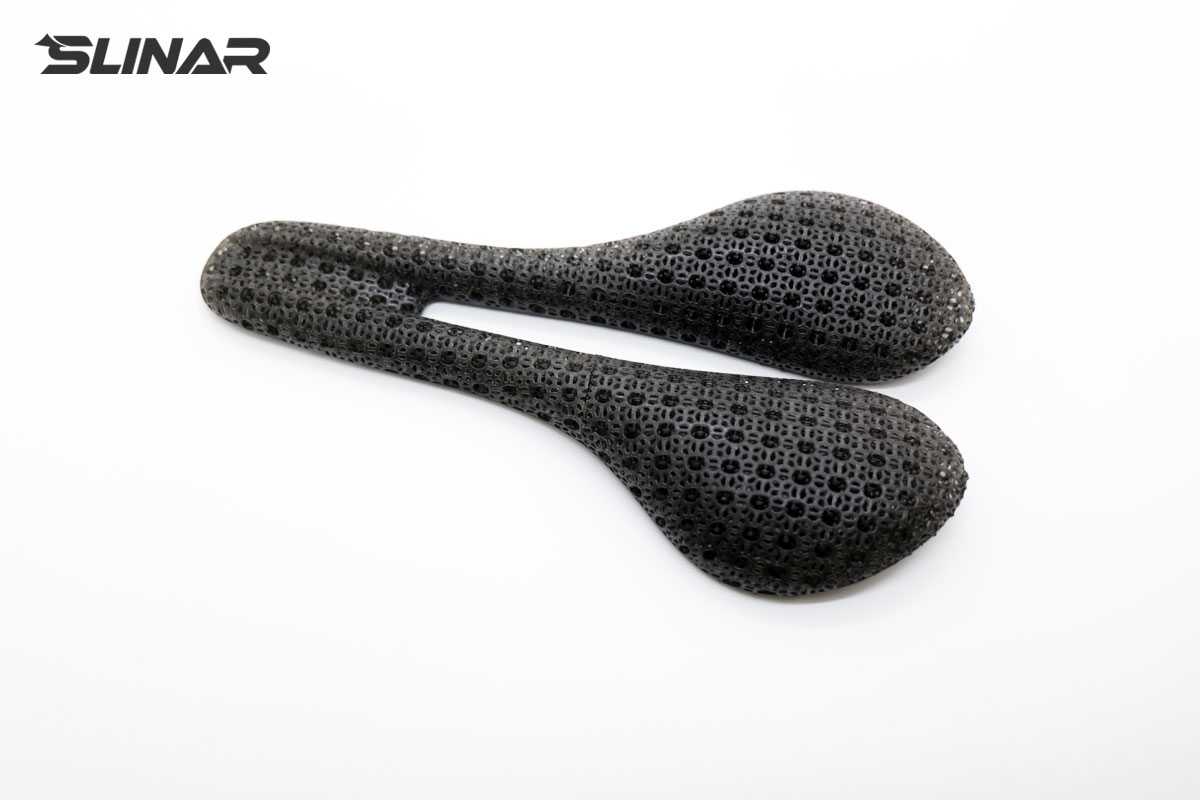
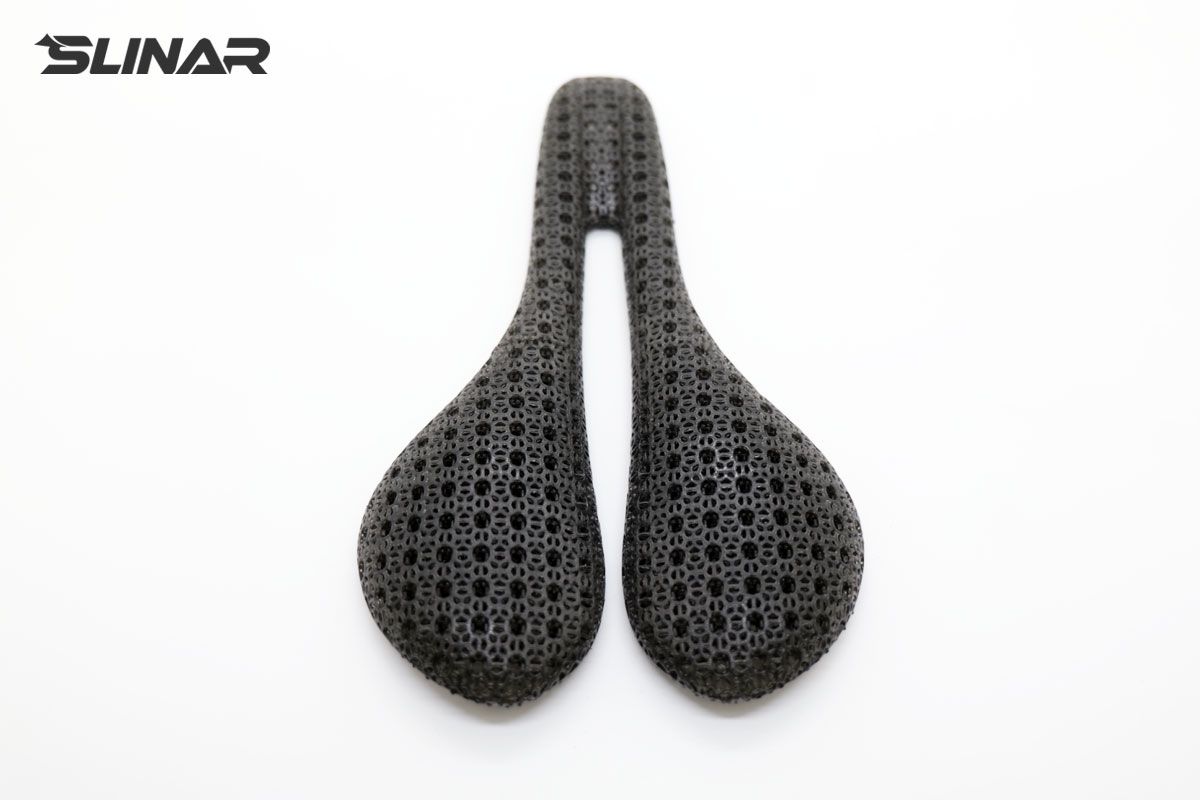
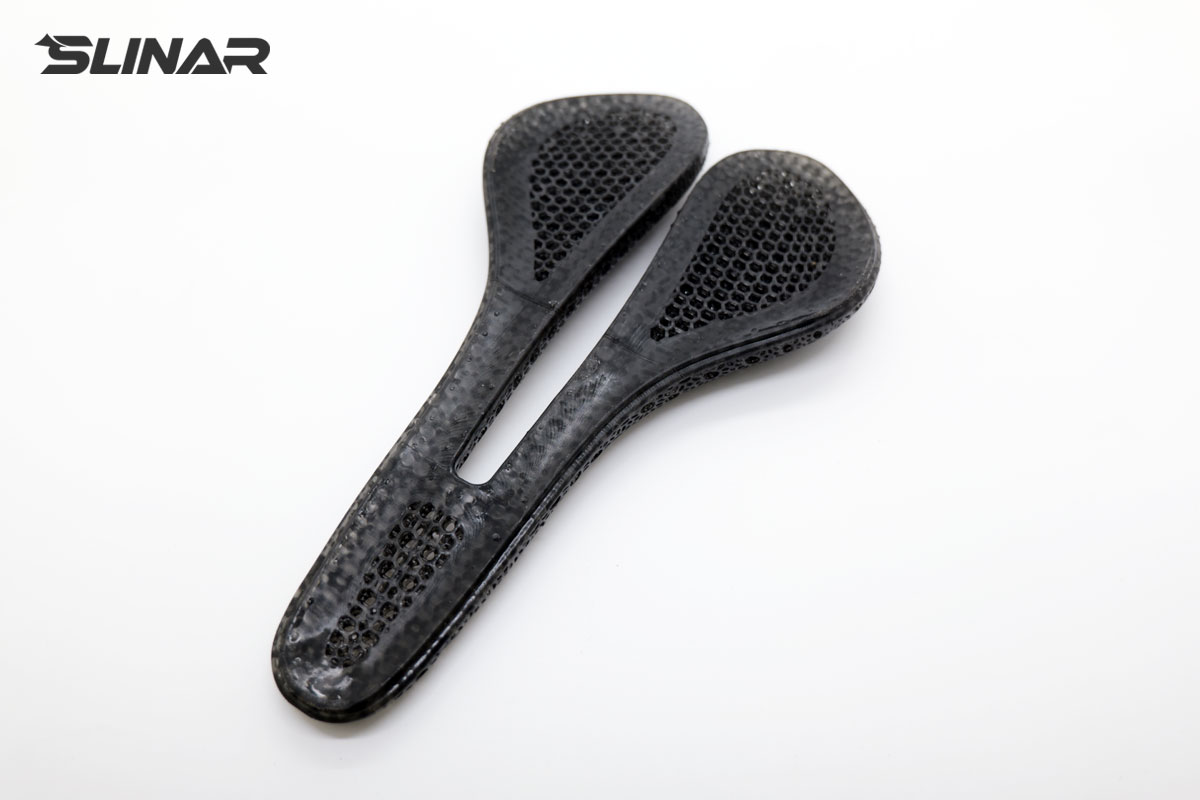
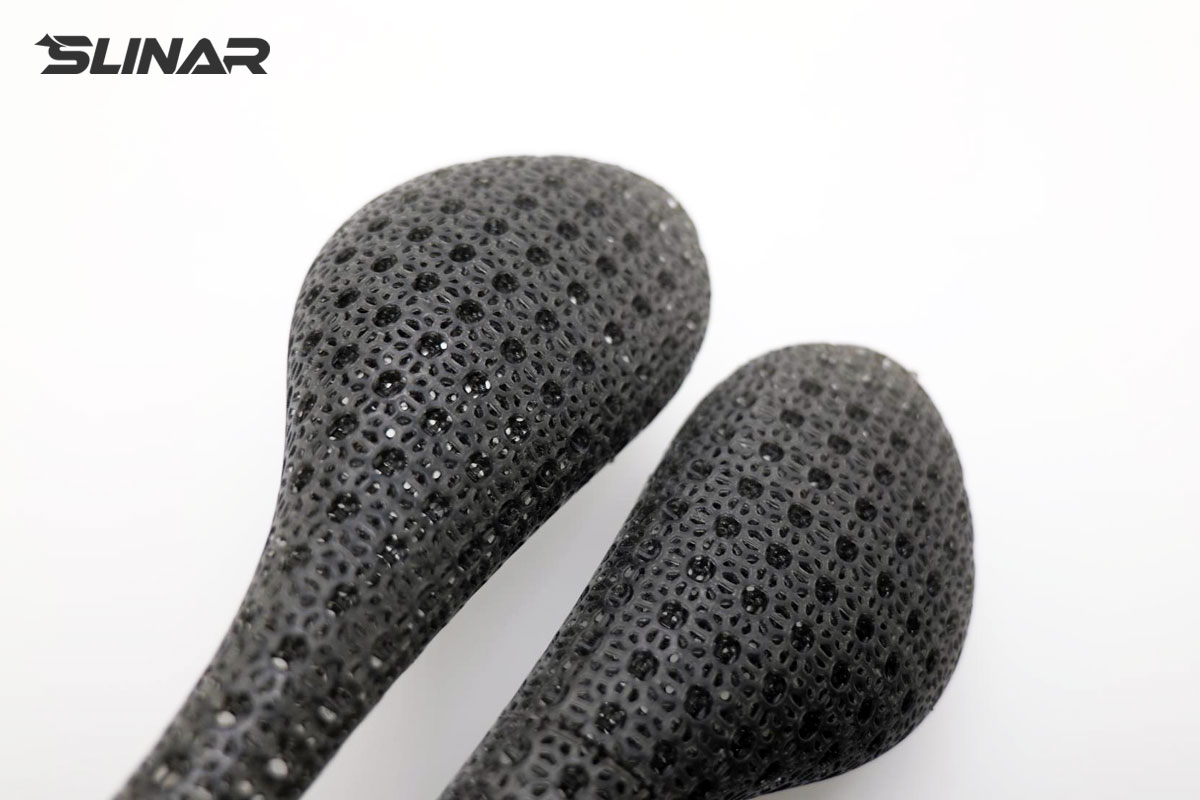
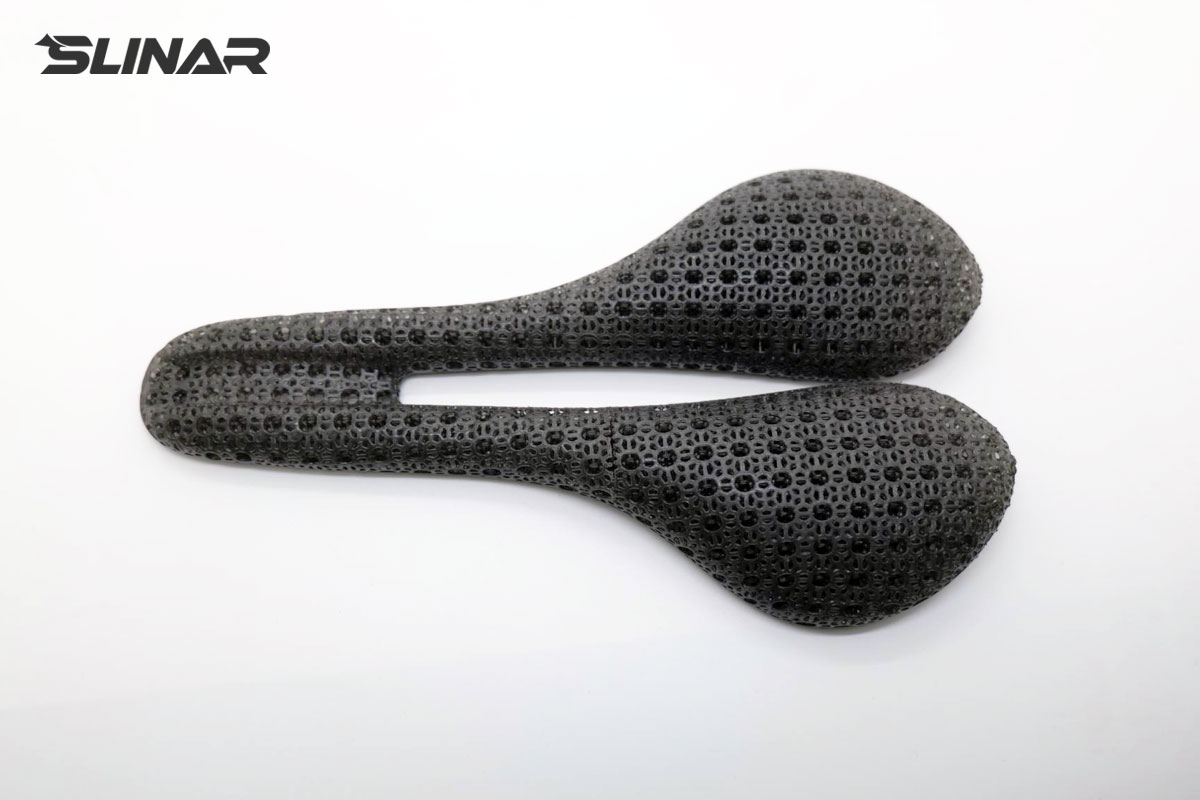
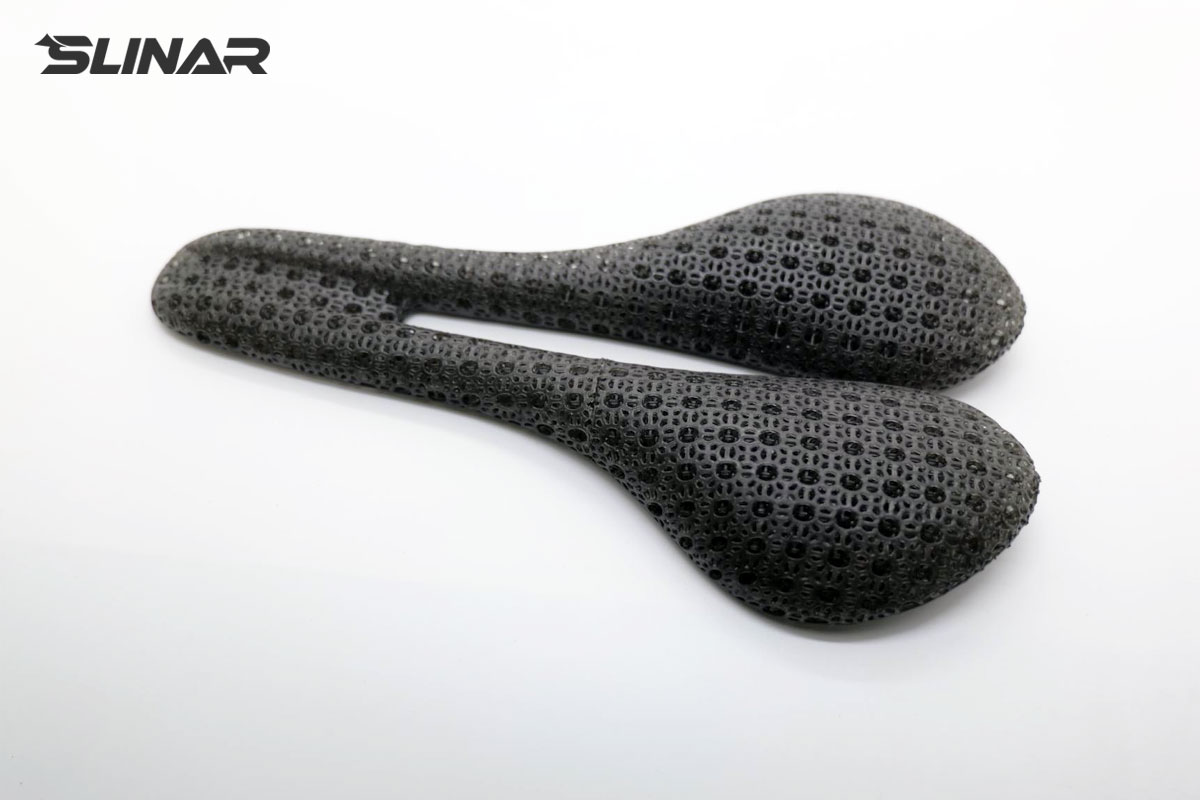
We produced a 3D printed honeycomb hollow bike saddle using flexible TPU material for an endurance road cycling application. This one-piece saddle features a gradient honeycomb lattice structure throughout the sitting area — combining breathability, pressure relief, and lightweight performance in a single integrated component.
TPU (thermoplastic polyurethane) was selected for its combination of flexibility, durability, and energy absorption — making it well-suited for cycling saddle applications that require both comfort and long-term performance under repeated loading.
Design integration included:
- Gradient honeycomb lattice structure — varying cell density across the saddle surface provides differentiated support zones, with softer response in the rear (sit bone area) and firmer support toward the nose
- Hollow breathable channels — the open-cell lattice design allows airflow through the saddle, reducing heat buildup and moisture accumulation during long rides
- One-piece integrated construction — the entire saddle padding is printed as a single component, eliminating adhesive bonding points and potential failure zones
Post-processing included support removal and surface conditioning to achieve the desired texture for the saddle surface.
Project Overview
| Project Name |
TPU 3D Printed Honeycomb Saddle |
| Key Metric |
Specification |
| Material |
TPU (thermoplastic polyurethane) — flexible grade |
| Construction |
One-piece integrated printing — no assembly required |
| Lattice Type |
Gradient honeycomb / biomimetic structure |
| Key Features |
Hollow breathable · Pressure-relieving · Lightweight |
| Intended Use |
Endurance road cycling / Competitive racing |
| Manufacturing Process |
3D printing (flexible TPU) |
Key Technical Highlights
- Biomimetic Lattice Design: The honeycomb structure mimics natural cellular architectures, providing high strength-to-weight ratio while maintaining flexibility. Gradient cell sizing enables differential support across the saddle surface — softer zones for comfort and firmer zones for structural stability.
- Breathable Hollow Construction: Open-cell lattice channels allow continuous airflow through the saddle, preventing heat and moisture buildup that leads to rider discomfort during extended rides. This ventilation capability is a key advantage over traditional foam saddle constructions.
- Flexible TPU Performance: TPU's combination of elasticity, durability, and fatigue resistance makes it well-suited for cycling saddle applications. The material maintains its cushioning properties through repeated compression cycles without permanent deformation.
- One-Piece Efficiency: Printing the entire saddle padding as a single component eliminates assembly steps, adhesive bonding, and potential delamination issues — improving both manufacturing efficiency and long-term durability.
Quality Verification
Lattice structure integrity verified via visual and dimensional inspection. Lattice structure and support zones validated for consistent cushioning response. Surface finish inspected for texture consistency.
Industry Applications
Ideal for road cycling endurance saddles, competitive racing seats, e-bike comfort saddles, and lightweight performance cycling components.
Why Partner With Us?
- Expertise in flexible TPU 3D printing for cycling components
- Design optimization for gradient lattice structures with differentiated support
- One-piece integrated manufacturing for durable, lightweight saddles
- 12+ years of precision manufacturing experience across cycling and consumer product sectors
Get CNC Machining Quotes For Similar Parts









 WhatsApp Online