



CNC Machining with Care. From 1 pc to Mass Production. Free DFM Analysis. Get a Quote
Select a language

Custom Aluminum

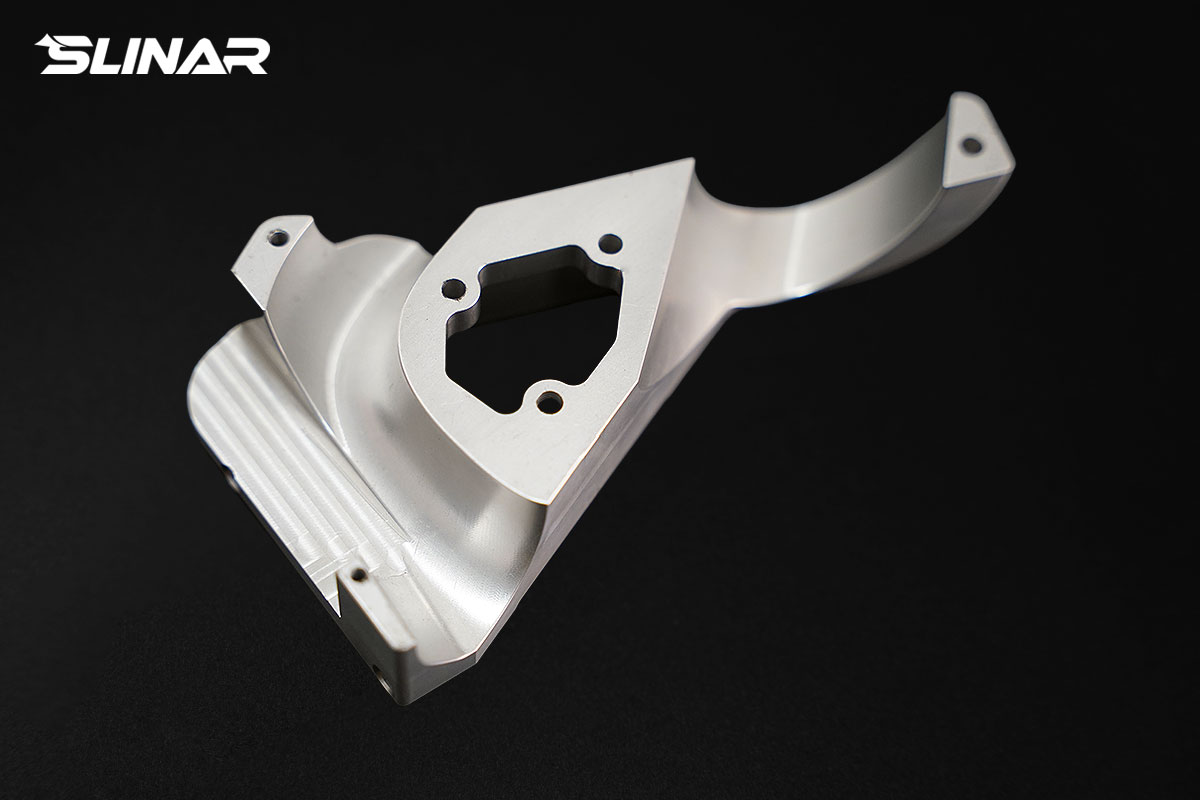
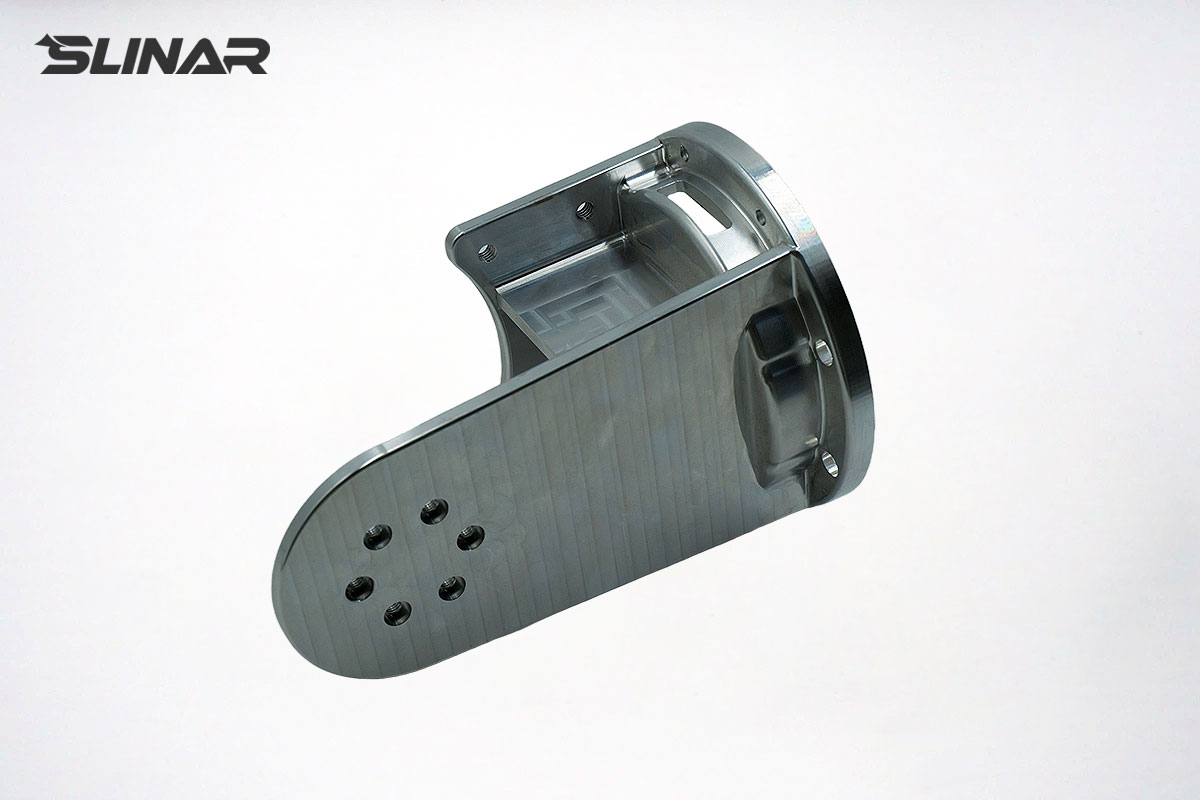
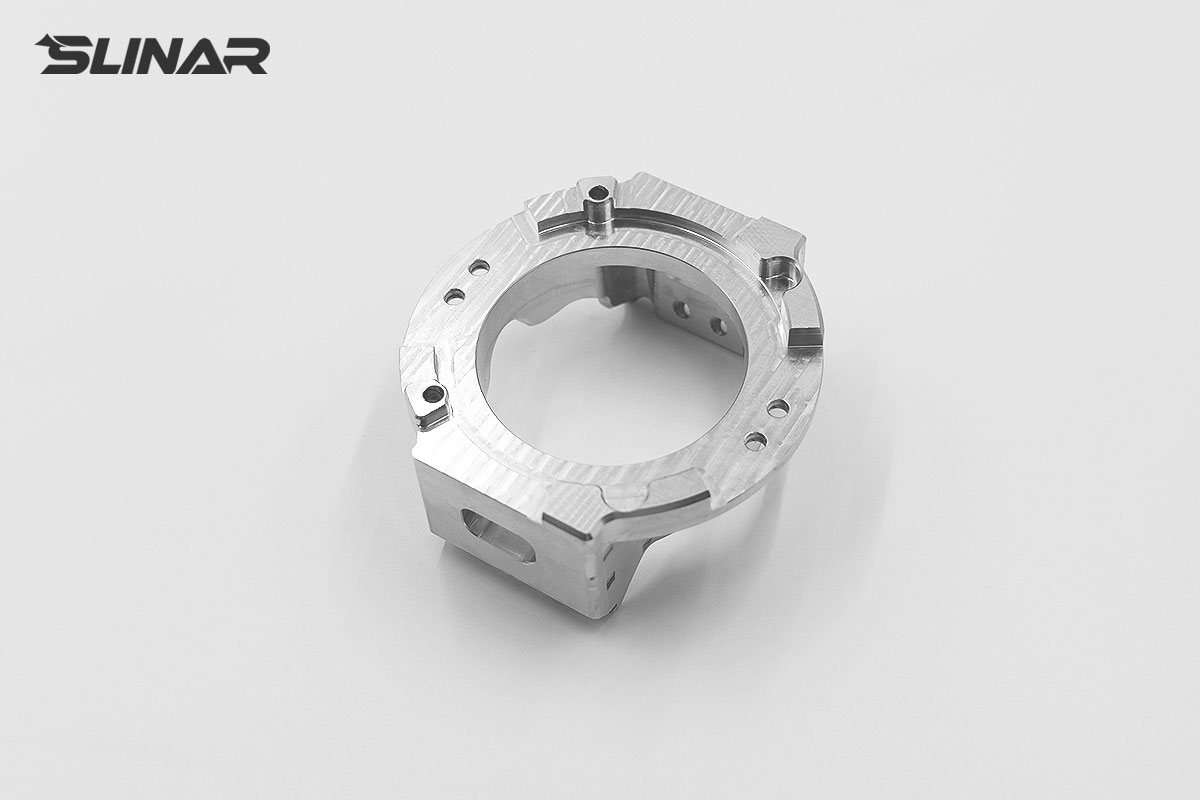
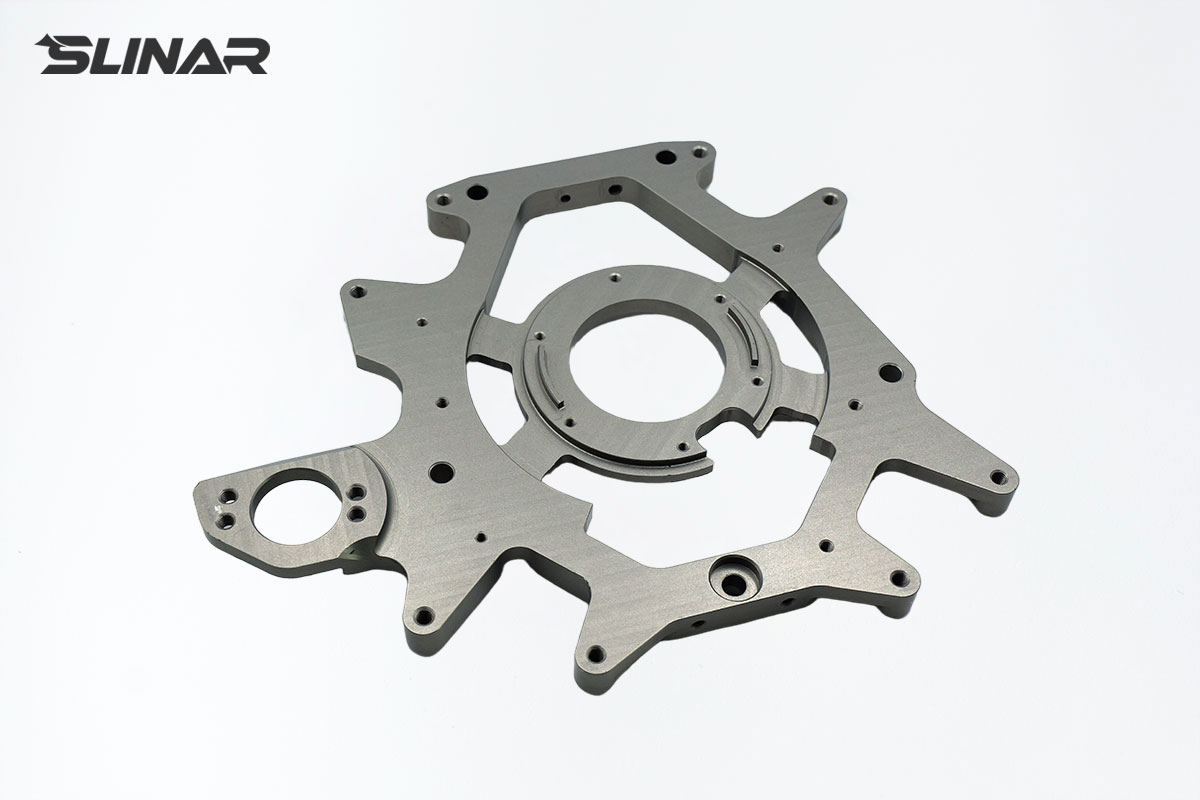
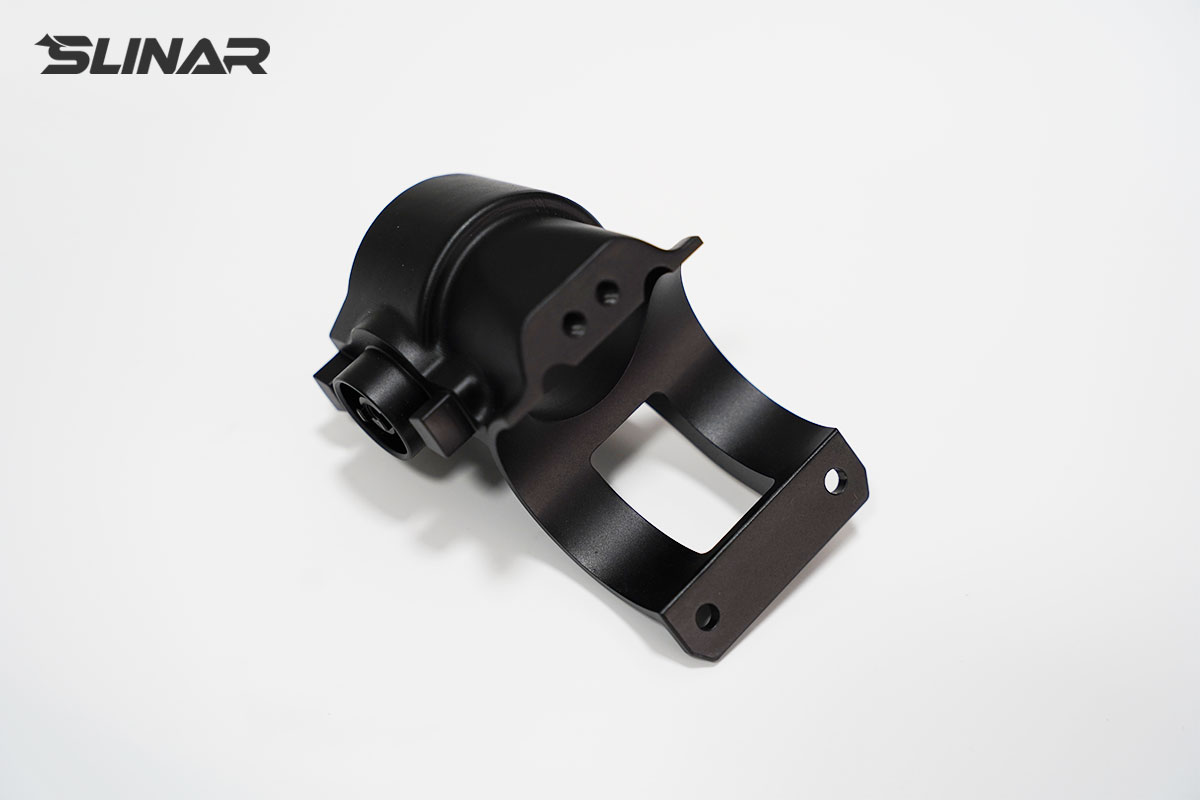
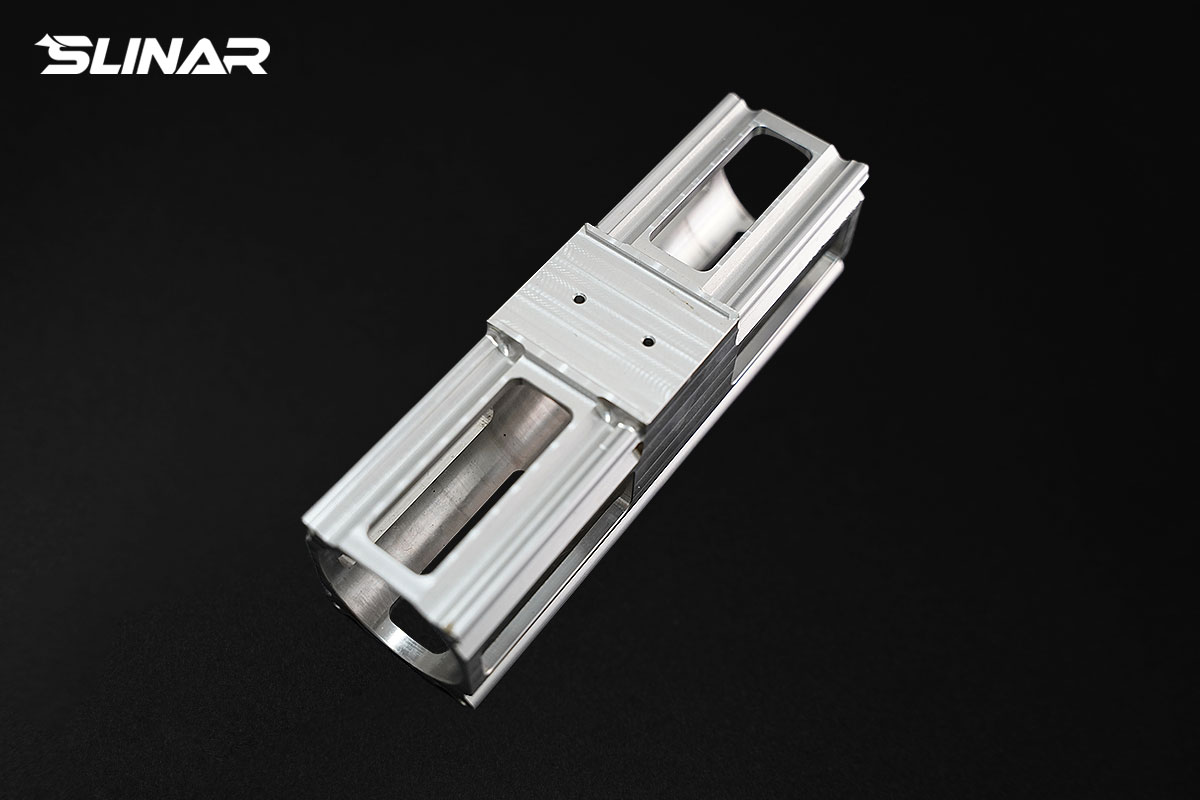
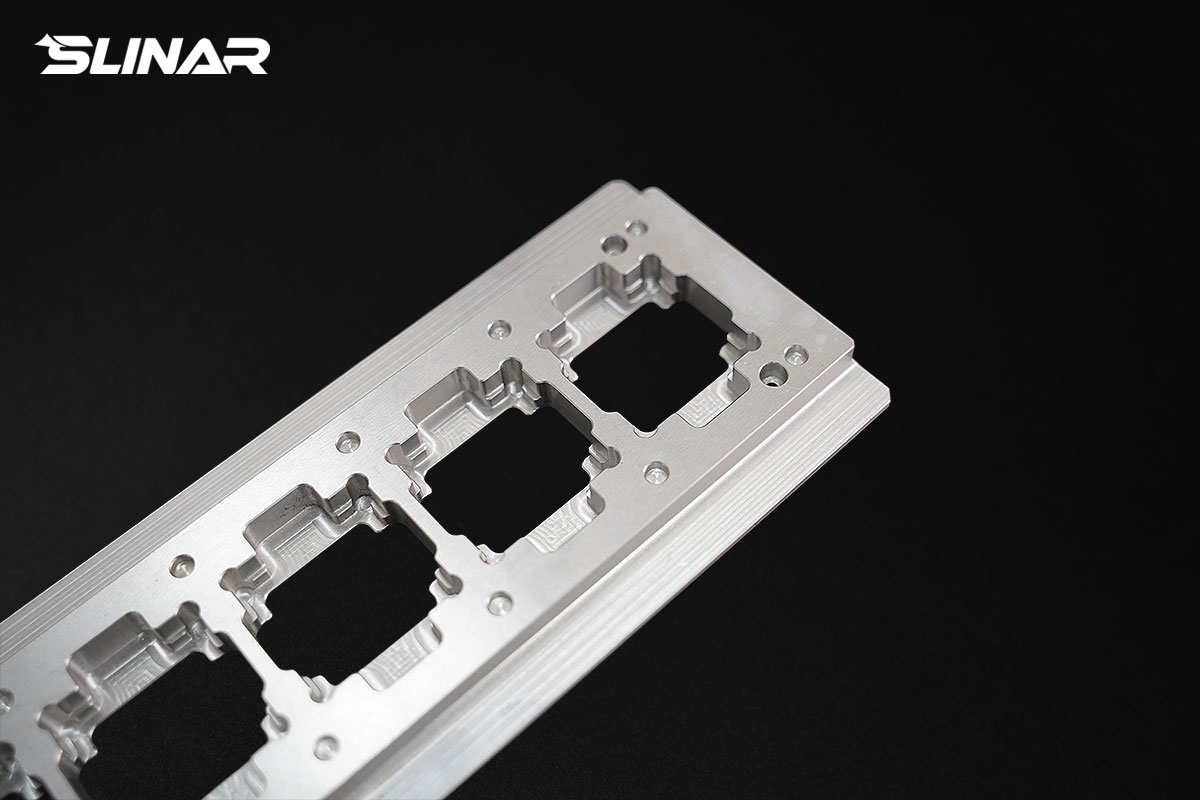
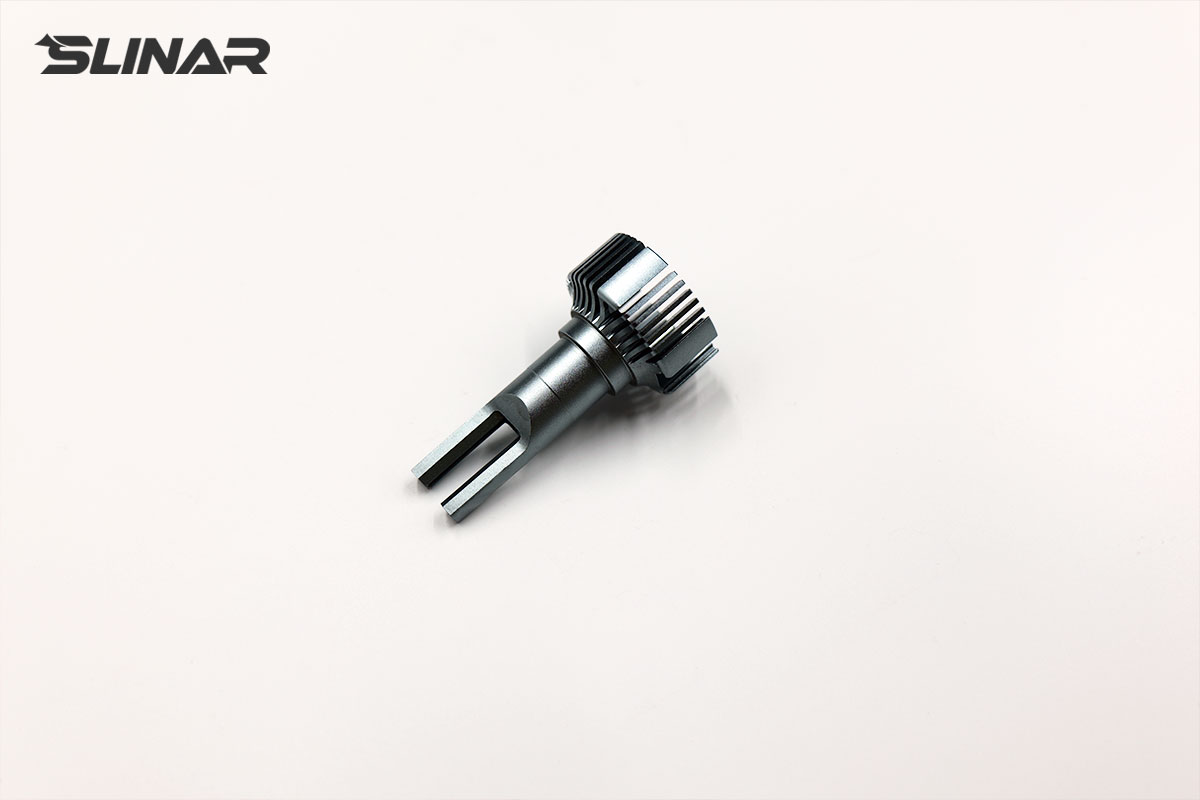
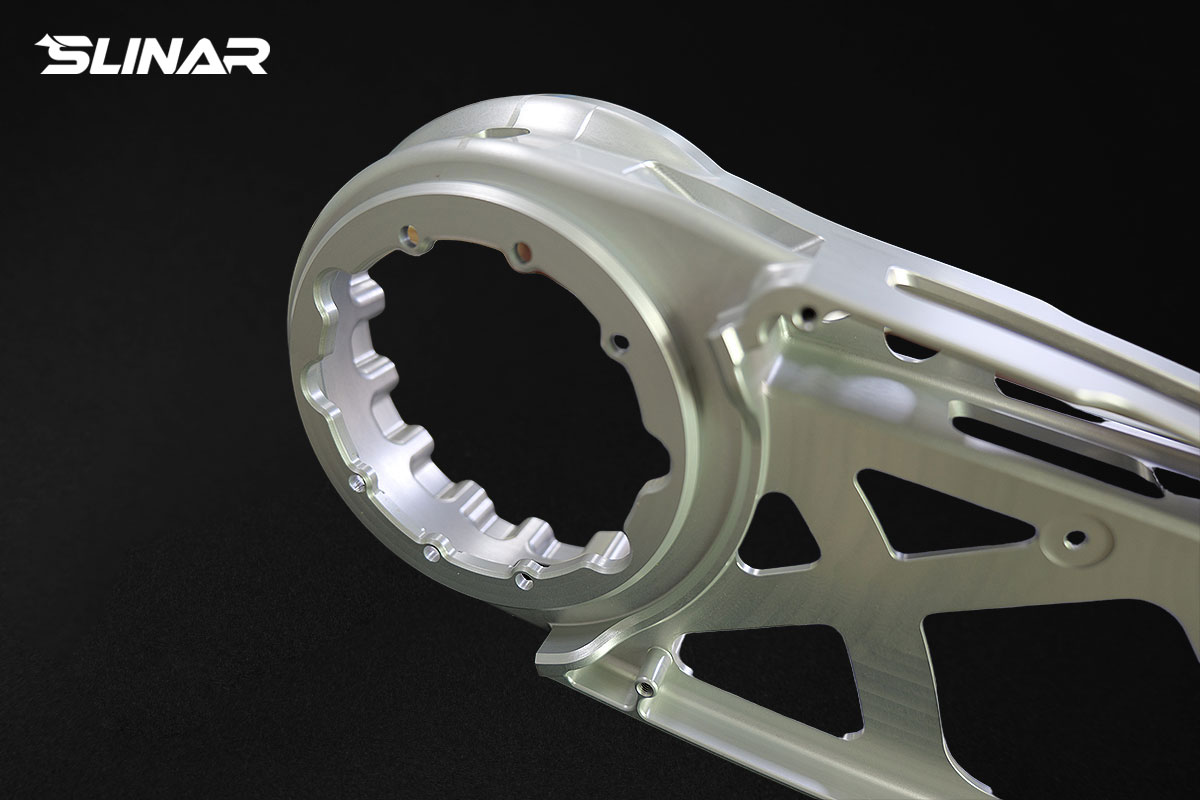
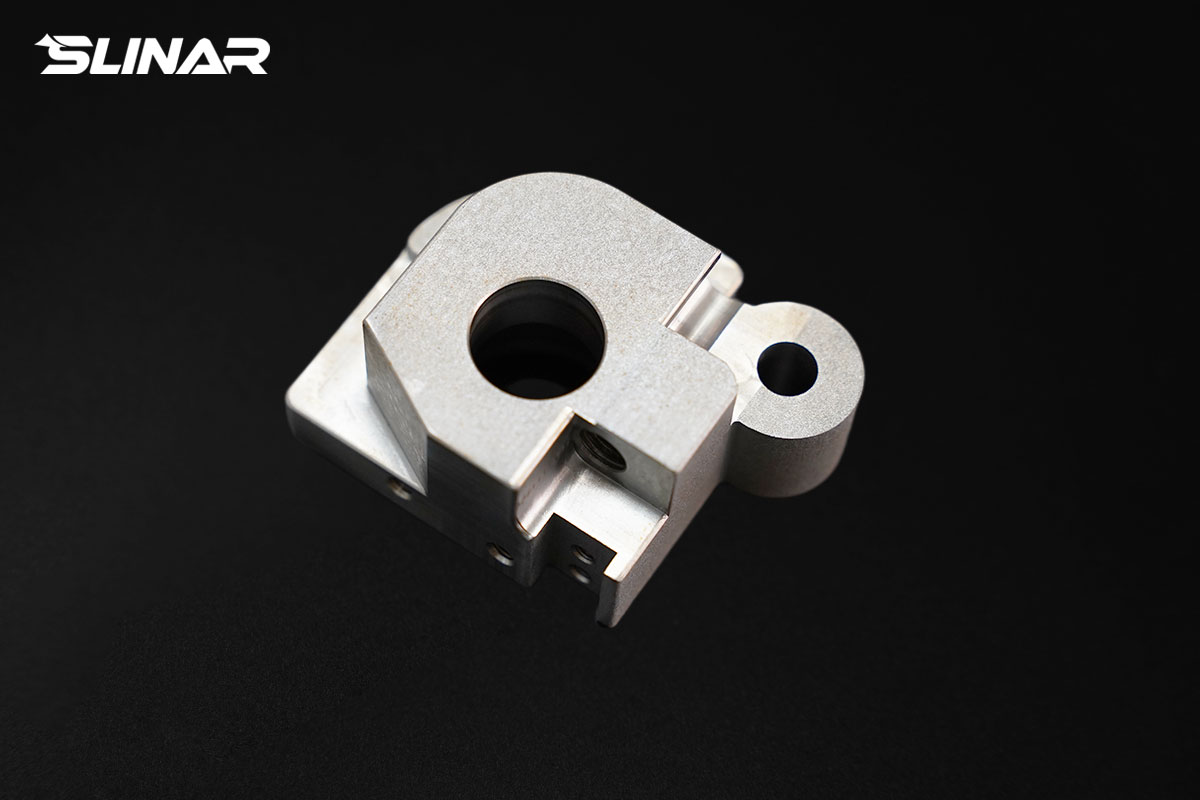
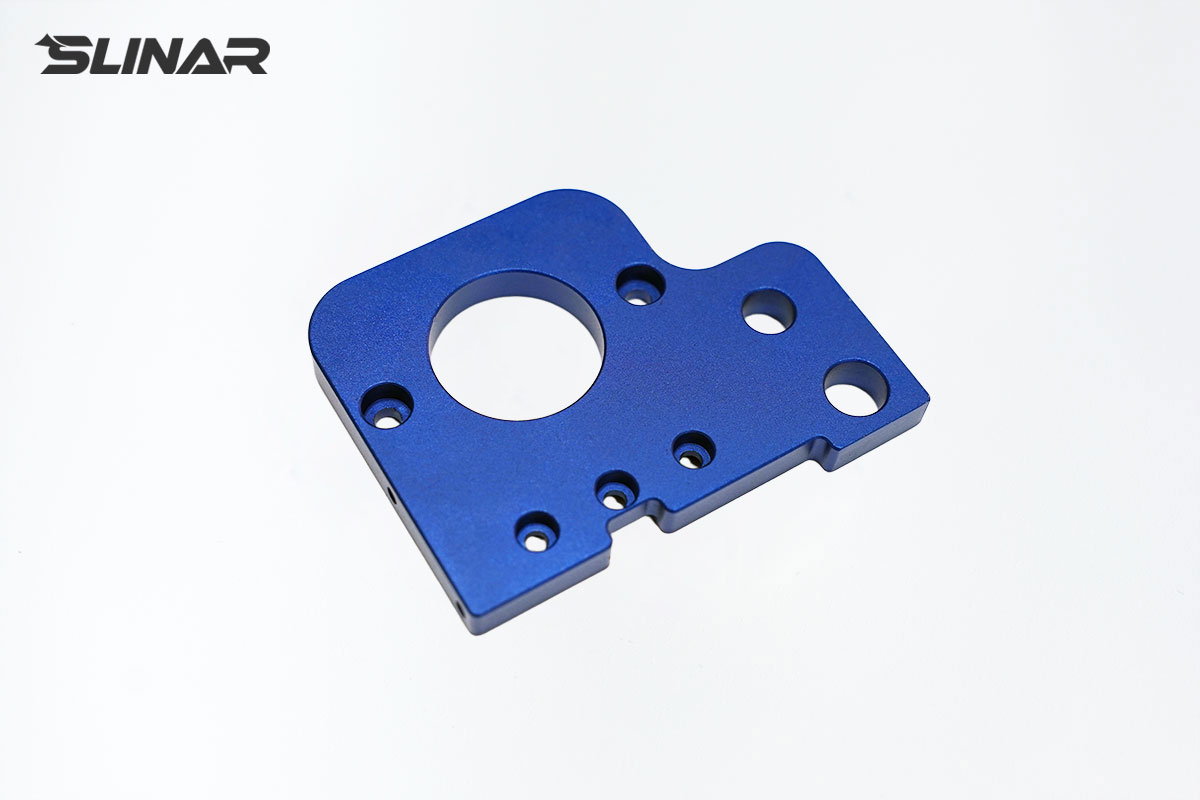
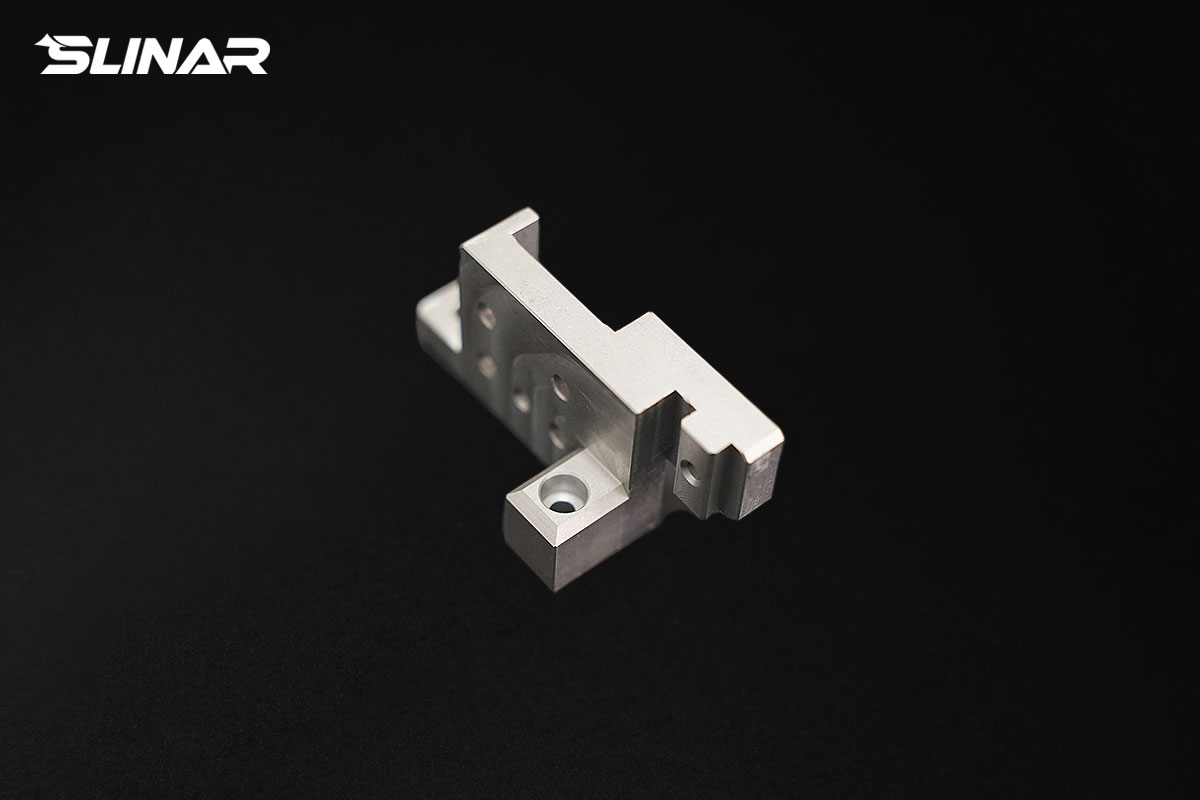
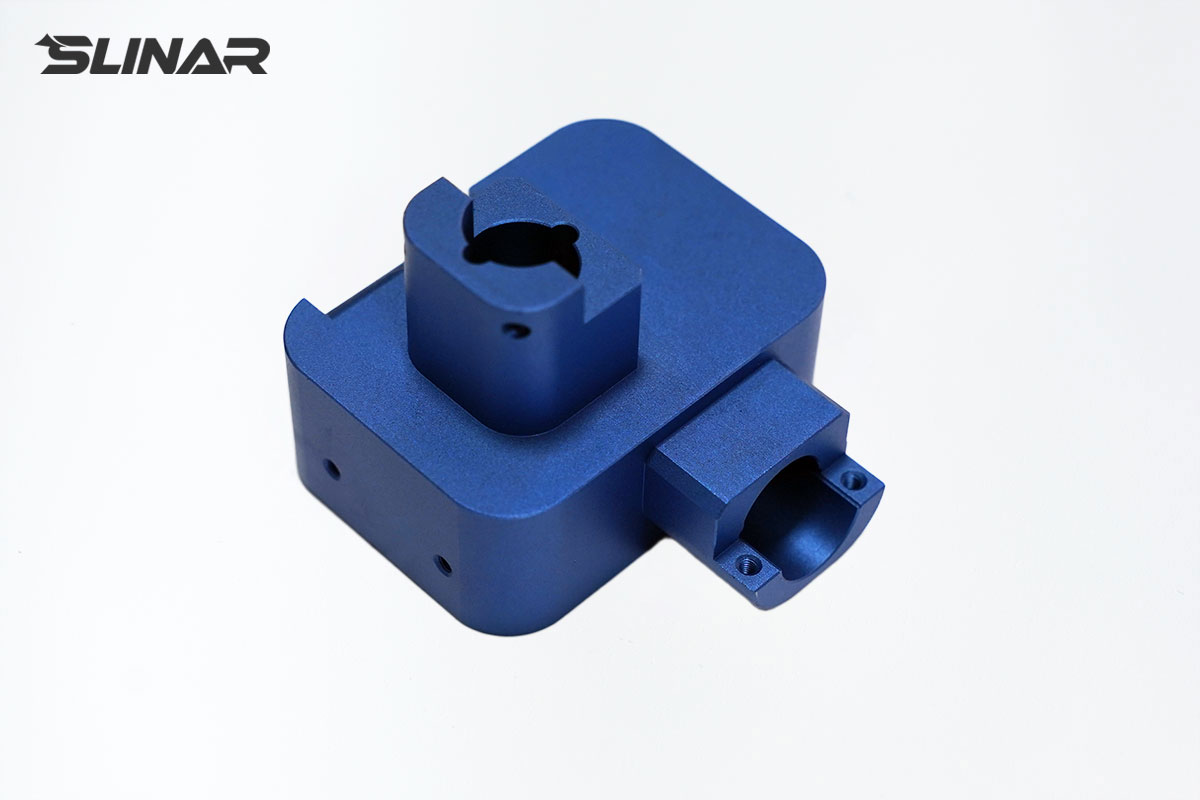
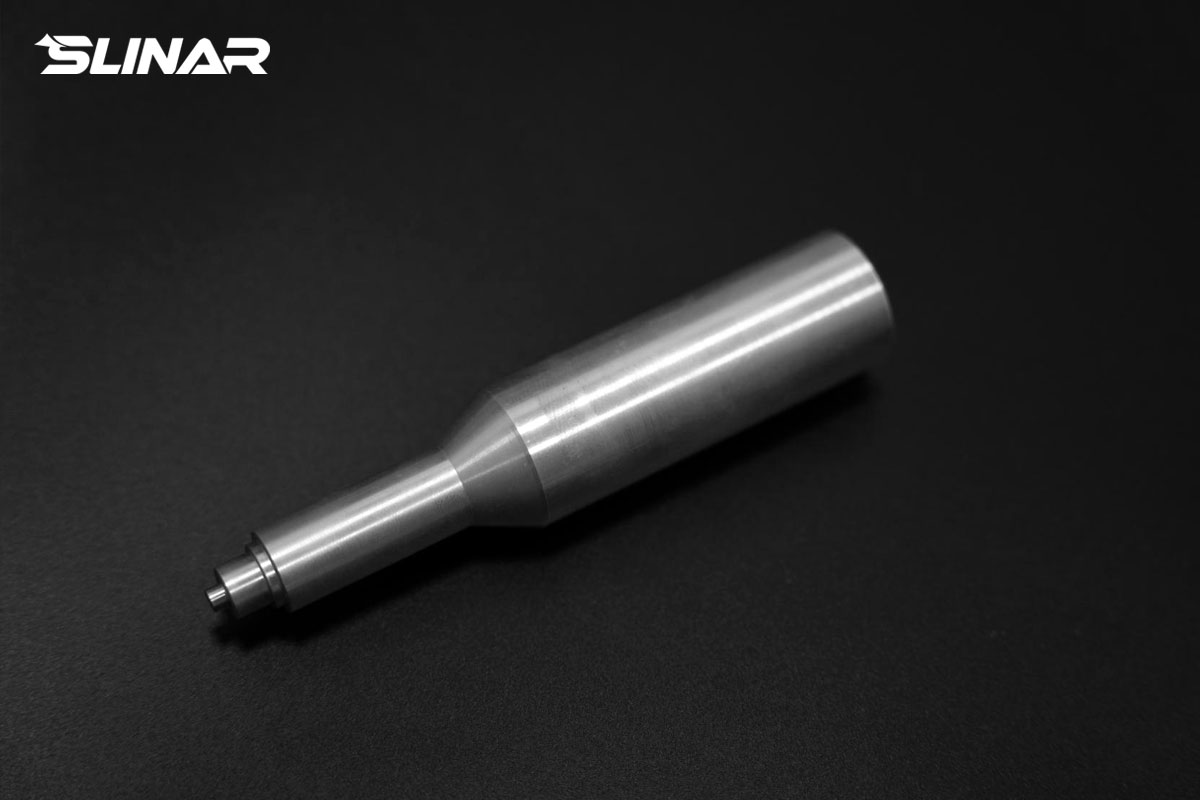
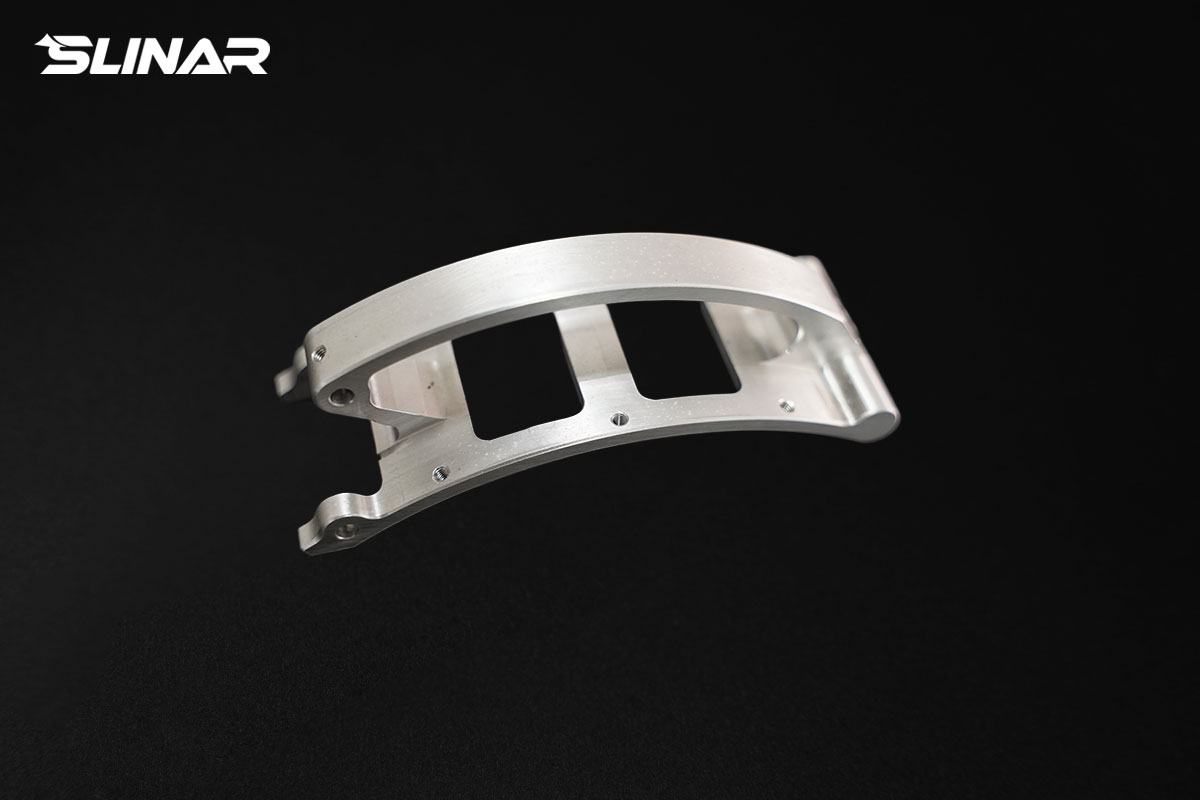
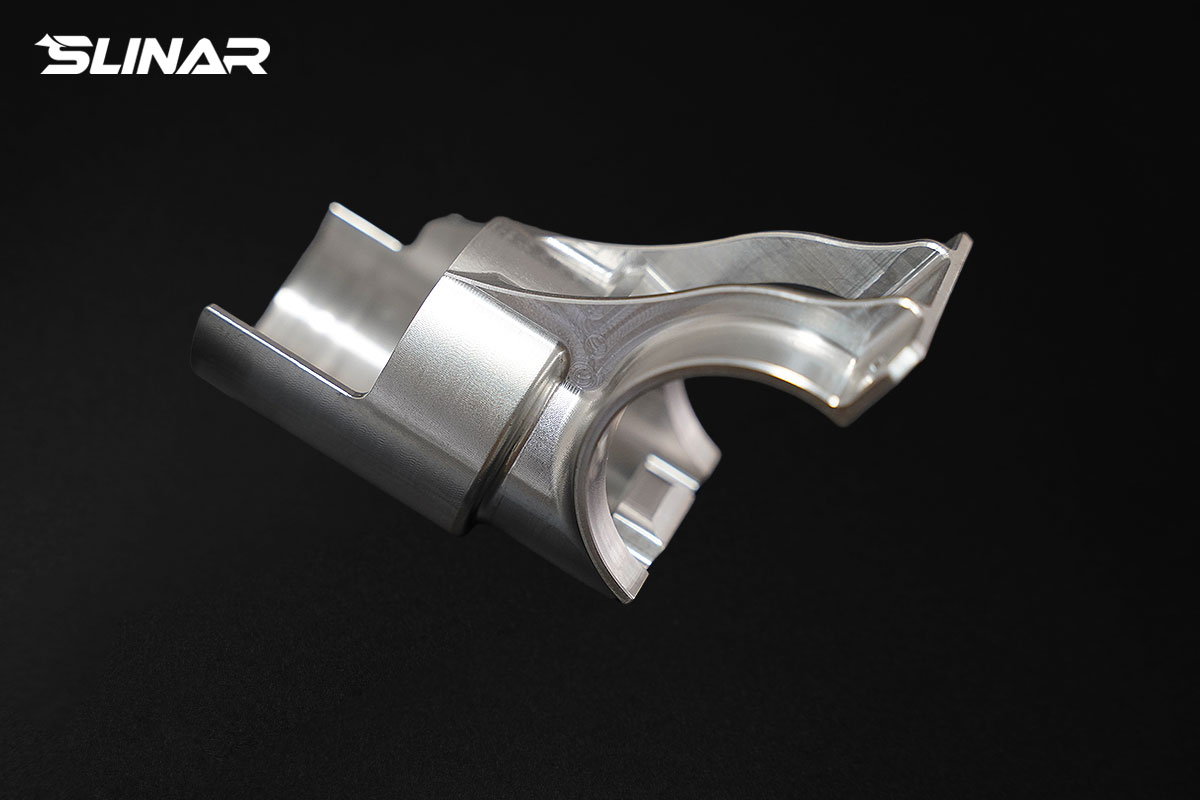
Custom aluminum machining is a precision manufacturing process that produces parts from aluminum alloys according to customer-specific designs, drawings, and performance requirements. Unlike standard catalog components, custom aluminum parts are engineered and machined to meet unique dimensional, mechanical, and functional specifications across a wide range of industries.

Aluminum is widely specified for custom CNC machining because of its favorable strength-to-weight ratio, good thermal and electrical conductivity, and excellent corrosion resistance in many environments. The material machines predictably, produces consistent chip formation, and allows high cutting speeds with acceptable tool life. These properties make it one of the most cost-effective metals for custom precision components, particularly when weight reduction is a priority.

The custom machining process typically begins with a customer-provided 3D CAD model or engineering drawing. The manufacturer then selects an appropriate aluminum alloy based on the application requirements—structural, thermal, electrical, or corrosion-related. The part is programmed, set up, and machined using CNC milling, turning, or multi-axis equipment. Secondary operations may include heat treatment, surface finishing, and inspection to verify compliance with specifications.

Custom aluminum parts are found in applications where standard off-the-shelf components are inadequate: aerospace structural fittings, automotive performance parts, medical instrument housings, electronic enclosures, and specialized industrial machinery components. The ability to produce parts tailored to exact needs, in quantities from single prototypes to high-volume production, makes custom aluminum machining a flexible and essential manufacturing capability.

The shift toward custom manufacturing has accelerated with the availability of advanced CNC equipment, improved tooling, and more accessible CAD/CAM software. Manufacturers can now produce complex geometries with tight tolerances and consistent quality, allowing engineers to design parts optimized for specific functions rather than constrained by standard shapes or sizes.
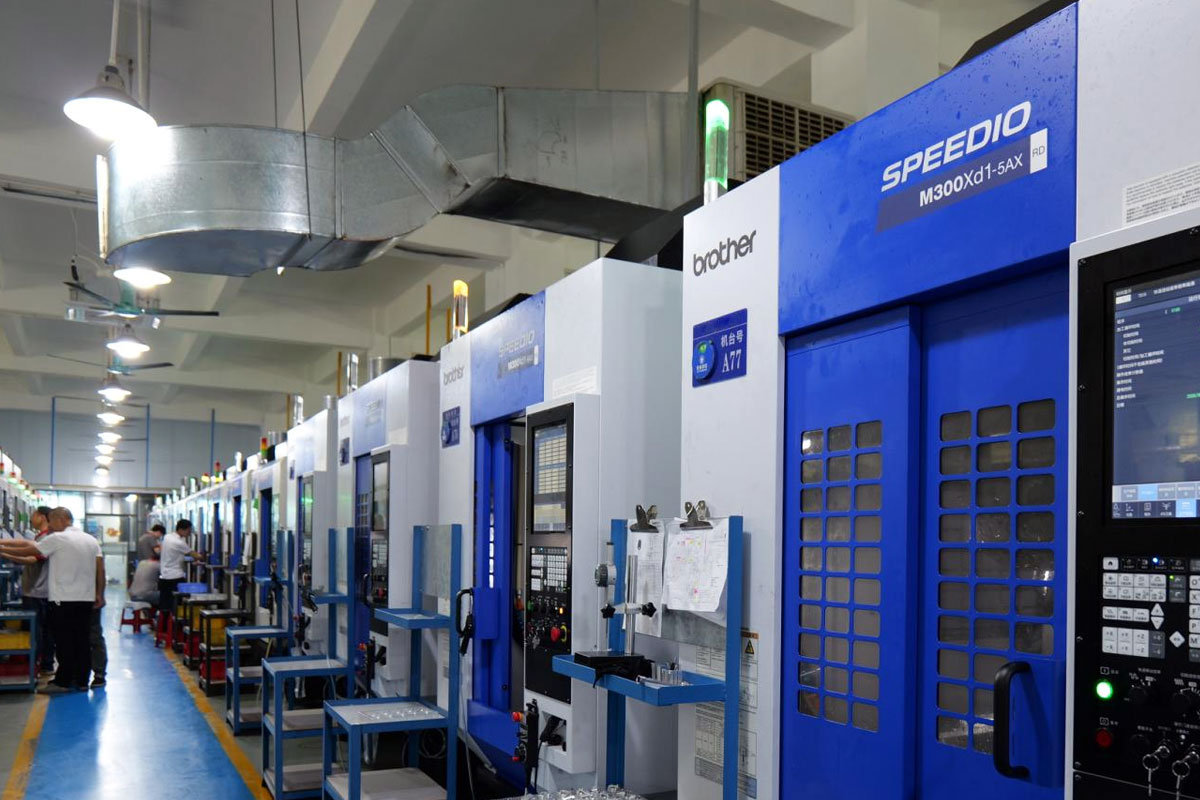
Our CNC Machining Services

From prototype to production — reliable quality, on-time delivery

We provide precision CNC machining services for a wide range of materials including aluminum, steel, stainless steel, copper, brass, titanium, PEEK, PTFE, acetal, nylon, and other engineering plastics. Our manufacturing capabilities cover 3-axis, 4-axis, and 5-axis CNC milling, as well as CNC turning, suitable for both prototype development and high-volume production runs.

With ISO 9001:2015 certification and a commitment to quality, we serve customers across aerospace, automotive, medical, electronics, industrial equipment, and consumer goods industries. Our in-house capabilities include surface finishing, anodizing, powder coating, heat treatment, and inspection with CMM and optical measurement equipment.

We offer competitive pricing, flexible lead times, and full material traceability. From simple brackets to complex precision components, we deliver parts that meet your specifications with reliable quality and on-time delivery.

Materials

Aluminum 5083-H111

SLINAR - CNC Aluminum 5083-H111 | 3.3547 | 54300| AlMg4.5Mn0.7

Aluminum 5083-H111 | 3.3547 | 54300| AlMg4.5Mn0.7

Aluminum 5083 (CNC) is a strain hardening aluminum alloy with excellent corrosion resistance. Suitable for marine applications. Can be welded.

Understand Aluminum 5083-H111

Aluminum 6063

SLINAR - CNC Aluminum 6063 | EN AW-6063 | 62400| AlMg0,7Si

Aluminum 6063 | EN AW-6063 | 62400| AlMg0,7Si

Aluminum 6063 has good mechanical properties and can be heat treated. Suitable for aerospace applications. Can be welded.

Understand Aluminum 6063

Aluminum 5052

SLINAR - CNC Aluminum 5052 | EN AW-5052 | 3.3523 | AlMg2,5

Aluminum 5052 | EN AW-5052 | 3.3523 | AlMg2,5

Aluminum 5052 is a strain hardening aluminum alloy with excellent corrosion resistance. Suitable for marine applications. Can be welded.

Understand Aluminum 5052

Aluminum 2024-T351

SLINAR - CNC Aluminum 2024-T351 | 3.1355 | 24530 | AlCu4Mg1

Aluminum 2024-T351 | 3.1355 | 24530 | AlCu4Mg1

Aluminum 2024 is a high-strength alloy with excellent fatigue resistance. Suitable for aerospace applications.

Understand Aluminum 2024-T351

Aluminum 7050

SLINAR - CNC Aluminum 7050 | EN AW-7050 | 3.4144| AlZn6CuMgZr

Aluminum 7050 | EN AW-7050 | 3.4144| AlZn6CuMgZr

Aluminum 7050 has excellent mechanical properties with good ductility, high strength, toughness and good resistance to fatigue. Suitable for aerospace applications.

Understand Aluminum 7050

Aluminum MIC-6

SLINAR - CNC Aluminum MIC6

Aluminum MIC6

Aluminum MIC6 is a light weight material that can be easily machined at high speed and is free from tension, contaminants and porosity.

Understand Aluminum MIC-6

Aluminum 6082-T651

SLINAR - CNC Aluminum 6082-T651 | 3.2315 | 64430 | AlSi1MgMn

Aluminum 6082-T651 | 3.2315 | 64430 | AlSi1MgMn

Aluminum 6082-T651 (CNC) has very similar composition and properties to 6061, with slightly higher tensile strength. Compliant with British Standards.

Understand Aluminum 6082-T651

Aluminum 2017A

SLINAR - CNC Aluminum 2017A | 3.1325 | 24530 | AlCu4MgSi

Aluminum 2017A | 3.1325 | 24530 | AlCu4MgSi

Aluminum 2017 has a higher ductility and formability than Aluminum 2014 and has intermediate strength.

Understand Aluminum 2017A

Aluminum 7075-T651

SLINAR - CNC Aluminum 7075-T651 | 3.4365 | 76528 | AlZn5.5MgCu

Aluminum 7075-T651 | 3.4365 | 76528 | AlZn5.5MgCu

Aluminum 7075-T651(CNC) is an aerospace-grade material with excellent strength-to-weight ratio and strength and hardness comparable to steels. T651 is the temper of Aluminum 7075, and to achieve this temper, the alloy is solution heat-treated, stress relieved, and then artificially aged.

Understand Aluminum 7075-T651

Aluminum 2014

SLINAR - CNC Aluminum 2014 | 3.1255 | 24345 | AlCu4SiMg

Aluminum 2014 | 3.1255 | 24345 | AlCu4SiMg

Aluminum 2014 is easily machined and can be hardened to get strengths comparable to steel, but is prone to corrosion. Suitable for aerospace applications.

Understand Aluminum 2014

Aluminum 6061-T651

SLINAR - CNC Aluminum 6061-T651 | 3.3211 | 65028 | AlMg1SiCu

Aluminum 6061-T651 | 3.3211 | 65028 | AlMg1SiCu

Aluminum 6061-T651 is commonly used in aerospace, automotive and construction industry, as it is valued for its high strength, excellent machinability, and good weldability. The "T651" designation indicates that the material has been heat-treated to a specific level of hardness.

Understand Aluminum 6061-T651

Aluminum 7075-T7351

SLINAR - CNC Aluminum 7075-T7351 | 3.4365 | 76528 | AlZn5.5MgCu

Aluminum 7075-T7351 | 3.4365 | 76528 | AlZn5.5MgCu

Aluminum 7075-T7351 is commonly used in aerospace and defense applications, as well as automotive and transportation, as it is valued for its high strength, excellent machinability and good fatigue resistance. The "T7351" designation indicates that the material has been heat-treated to a specific level of hardness.

Understand Aluminum 7075-T7351

Aluminum 6061-T6

SLINAR - CNC Aluminum 6061-T6 | 3.3211| 65028| AlMg1SiCu

Aluminum 6061-T6 | 3.3211| 65028| AlMg1SiCu

Aluminum 6061 (CNC) is the most popular aluminum alloy. It has good strength-to-weight ratio, excellent machinability and natural corrosion resistance.

Understand Aluminum 6061-T6

Aluminum 6082

SLINAR - CNC Aluminum 6082 | 3.2315 | 64430| AlSi1MgMn

Aluminum 6082 | 3.2315 | 64430| AlSi1MgMn

Aluminum 6082 (CNC) has very similar composition and properties to 6061, with slightly higher tensile strength. Compliant with British Standards.

Understand Aluminum 6082

Aluminum 6060

SLINAR - CNC Aluminum 6060 | 3.3206 | AlMgSi

Aluminum 6060 | 3.3206 | AlMgSi

Alloy 6060 offers good strength, relatively good corrosion resistance and is suitable for decorative anodizing.

Understand Aluminum 6060

Aluminum 7075-T6

SLINAR - CNC Aluminum 7075-T6 | 3.4365 | 76528 | AlZn5,5MgCu

Aluminum 7075-T6 | 3.4365 | 76528 | AlZn5,5MgCu

Aluminum 7075-T6 (CNC) is an aerospace-grade material with excellent strength-to-weight ratio and strength and hardness comparable to steels.

Understand Aluminum 7075-T6
Applications

Aluminum's combination of light weight, strength, and corrosion resistance makes it a preferred material for custom-machined components across a broad spectrum of industries. The following sections outline the primary sectors that rely on custom aluminum parts and the specific applications within each.

Aerospace & Defense

Aircraft structural components including fuselage frames, wing ribs, bulkheads, and spar fittings are commonly machined from aluminum alloys such as 7075 and 2024. Landing gear components, hydraulic system manifolds, and actuator housings also require custom aluminum machining with tight tolerances and full traceability. Satellite structural brackets, antenna mounts, and instrument housings for space applications frequently specify aluminum for its weight savings and thermal properties. Defense applications include vehicle armor components, weapons system housings, and communication equipment enclosures.

Automotive & Motorsports

Engine components such as cylinder heads, intake manifolds, throttle bodies, and timing chain covers are routinely machined from aluminum to reduce vehicle weight and improve fuel efficiency. Transmission housings, differential covers, and valve bodies benefit from aluminum's machinability and thermal conductivity. Suspension components including control arms, steering knuckles, and uprights are increasingly produced as custom aluminum machinings for both production and racing vehicles. Electric vehicle manufacturers specify custom aluminum parts for battery housings, cooling plates, motor housings, and structural battery frames to manage weight while maintaining structural integrity.

Medical Devices

Surgical instrument handles, dental tool bodies, and orthopedic trial components are frequently machined from aluminum grades suitable for medical applications. Diagnostic equipment housings, imaging system brackets, and patient positioning devices commonly use custom aluminum components. MRI-compatible parts require careful material selection and processing to maintain non-magnetic properties. Prosthetic frames and orthotic connectors benefit from aluminum's light weight and machinability for custom-fitting to individual patients.

Electronics & Semiconductor

Heat sinks and thermal management components for high-power electronics are commonly produced as custom aluminum machinings with optimized fin geometries. Server rack enclosures, chassis frames, and structural brackets for networking equipment use aluminum for its combination of strength, weight, and electromagnetic shielding properties. Semiconductor manufacturing equipment requires precision-machined aluminum components including wafer handling end effectors, process chamber liners, and vacuum system fittings. LED lighting housings and RF shielding components are additional applications where custom aluminum parts provide functional and cost advantages.

Industrial Equipment

Pump housings, impellers, and valve bodies in hydraulic and pneumatic systems are frequently machined from aluminum where pressure and corrosion requirements permit. Custom aluminum components for robotics include arm linkages, wrist housings, and end-of-arm tooling mounts. Fixture plates, tooling components, and automation system parts benefit from aluminum's dimensional stability and machinability. Conveyor system rollers, guide rails, and adjustable brackets often use custom aluminum extrusions or machined components.

Consumer Products & Sporting Goods

Bicycle frames, handlebars, and drivetrain components require custom aluminum machining to achieve the required strength, weight, and appearance specifications. Camera housings, gimbal arms, and drone components are frequently produced as custom aluminum parts for the photography and unmanned aerial vehicle markets. Sporting equipment including firearm receivers, fishing reel bodies, and archery bow risers are commonly machined from aluminum. High-end audio equipment enclosures, luxury product packaging, and consumer electronics housings use custom aluminum for aesthetic finish and structural integrity.

Capabilities

Standard Capabilities:

  • Maximum Part Size: Up to 2000mm x 800mm x 600mm

  • Minimum Feature Size: 0.5mm with proper tool selection

  • Tolerance Range: ±0.005mm (±0.0002 inches) on critical features

  • Maximum Part Weight: 500kg single component

  • Surface Roughness: Ra 0.8μm achievable as-machined

  • Production Volume: 1 to 100,000+ parts

  • Lead Time: Prototypes in 3-5 days, production in 10-20 working days

Machine Shop Equipment:

  • 20+ CNC machining centers (3, 4, and 5-axis)

  • 8 CNC turning centers with live tooling

  • In-house EDM wire cutting and sinker EDM

  • Coordinate Measuring Machine (CMM) inspection

  • Surface and roundness testers

  • Automated tool presetters

Quality Assurance:

  • ISO 9001:2015 and AS9100D certified processes

  • First Article Inspection (FAI) per AS9102

  • In-process statistical process control (SPC)

  • Full traceability from material certification to final inspection

  • Mechanical testing and material validation capabilities

  • Non-destructive testing (NDT) available upon request

Finishes

Surface finishing of custom aluminum parts serves multiple purposes: corrosion protection, wear resistance, aesthetic enhancement, electrical conductivity, and preparation for subsequent operations. The appropriate finish depends on the application environment, functional requirements, and cost constraints.

Anodizing

Anodizing is an electrochemical process that converts the aluminum surface into a durable, corrosion-resistant aluminum oxide layer. Type II (conventional) anodizing produces a clear or colored oxide layer with moderate thickness, suitable for general protection and aesthetic applications. Hard anodizing (Type III) produces a thicker, denser oxide layer with enhanced wear resistance, commonly specified for moving contact surfaces and demanding environments. Clear anodizing preserves the natural aluminum appearance while providing protection. Color anodizing is available in black, gold, red, blue, and custom colors for decorative or identification purposes. Chromic acid anodizing produces a thin oxide layer with minimal fatigue impact, often specified for aerospace structural parts.

Chemical Conversion Coatings

Chemical conversion coatings, commonly known as Alodine or Iridite, produce a thin, conductive oxide layer that provides moderate corrosion protection without significantly affecting part dimensions. This finish is frequently specified for electronic applications where electrical conductivity must be maintained, and for parts that will receive paint or adhesive bonding. Chromate and non-chromate formulations are available to meet environmental and regulatory requirements.

Mechanical Finishes

Bead blasting produces a uniform matte surface texture using glass or ceramic media. It removes tool marks and provides a consistent appearance for subsequent anodizing. Brushing creates a directional grain pattern on flat or contoured surfaces, commonly used for architectural and consumer product applications where a decorative finish is desired. Polishing produces a reflective, high-gloss surface achieved through progressive abrasion. Tumbling and mass finishing use vibratory media to remove burrs, radius edges, and improve surface uniformity on large quantities of parts.

Coating and Plating

Powder coating applies a dry polymer powder that is cured to form a durable, decorative finish. It is available in a wide range of colors and textures, providing excellent corrosion resistance for exterior and high-contact applications. Electroless nickel plating deposits a uniform nickel-phosphorus coating on aluminum parts through an auto-catalytic process. It provides hardness, wear resistance, and corrosion protection on complex geometries. PTFE (Teflon) coatings reduce friction and provide non-stick surfaces for sliding or sealing applications. Ceramic coatings offer high-temperature resistance and hardness for specialized industrial applications.

Application Guidelines by Finish

The choice of finish should be guided by the specific application. Aerospace exterior parts generally specify hard anodizing or chromic acid anodizing. Medical devices require finishes that are biocompatible, cleanable, and resistant to sterilization processes—electropolishing and clear passivation are common choices. Consumer-visible parts often use brushed or polished finishes with clear anodizing for protection. High-wear components benefit from hard anodizing (Type III) to extend service life. Electrical applications specify chemical conversion coating to maintain conductivity. Outdoor and marine equipment requires powder coating or e-coating to resist corrosion in harsh environments.

Technical Specs
ParameterAluminum 6061-T6Aluminum 7075-T6Aluminum 2024-T3
Tensile Strength (MPa)310572469
Yield Strength (0.2%) (MPa)276503324
Elongation at Break (%)121119
Hardness (Brinell)95150120
Density (g/cm³)2.702.812.78
Modulus of Elasticity (GPa)68.971.773.1
Thermal Conductivity (W/m·K)167130121
Electrical Conductivity (% IACS)433330
Shear Modulus (GPa)2626.928
Fatigue Strength (MPa)96.5159138
Machinability Rating (% of 1212 steel)706065
Melting Point (°C)582477502
Corrosion ResistanceExcellentGoodFair
Anodizing ResponseExcellentGoodFair
ParameterSpecification
Standard Machining Tolerances±0.05mm (±0.002")
Precision Machining Tolerances±0.01mm (±0.0004")
High-Precision Tolerances (on request)±0.005mm (±0.0002")
Maximum Part Size (Milling)2,000mm x 800mm x 600mm
Maximum Part Size (Turning)600mm diameter x 1,500mm length
Minimum Feature Size0.5mm (with appropriate tooling)
Maximum Part Weight500kg
Surface Roughness (As-Machined)Ra 1.6 – 3.2μm
Surface Roughness (Finished)Ra 0.8μm achievable
Surface Roughness (Precision)Ra 0.4μm on request
Machining Services3/4/5-axis milling, turning, Swiss turning, EDM
Secondary OperationsWelding, assembly, hardware insertion, heat treatment
Quality StandardsISO 9001:2015, AS9100D, IATF 16949 compliant
Inspection EquipmentCNC CMM, optical comparator, surface roughness tester, roundness tester
TraceabilityFull material traceability from mill to finished part
DocumentationMTRs, dimensional inspection reports, COC, FAI per AS9102, PPAP upon request
Typical Lead Time (Prototypes)3 – 5 business days
Typical Lead Time (Production)10 – 20 business days
Minimum Order QuantityNo minimum – single units to high-volume production
Maximum Production Volume100,000+ parts per year
FAQs
  • What does "custom aluminum" mean in CNC machining?

    It means we machine aluminum parts to your exact specifications—your design, your tolerances, your material grade, and your finishing requirements. There are no standard catalog parts; everything we do is built around your project needs.
  • What aluminum grades can you machine for custom projects?

    We machine all common and specialty aluminum grades including 6061-T6, 7075-T6, 2024-T3, 5052, 5083, 6082, 7050, 2017A, and MIC-6. If you need a specific alloy, we can source it.
  • What custom capabilities do you offer beyond CNC machining?

    We offer full-service manufacturing: design review and DFM feedback, CNC milling and turning (3/4/5-axis), Swiss turning, sheet metal fabrication, welding and assembly, surface finishing (anodizing, chem-film, powder coating, plating), and inspection with full documentation.
  • What industries do you serve for custom aluminum parts?

    Aerospace, automotive, medical devices, electronics, semiconductor equipment, robotics, industrial automation, and consumer products. We maintain AS9100D and ISO 9001:2015 certifications.
  • Do you handle both prototypes and production runs?

    Yes. We machine everything from single prototypes to high-volume production of 100,000+ parts. Our process ensures that prototype materials and machining parameters match production exactly, so your production parts perform identically to the approved prototype.
  • What certifications and documentation do you provide?

    We are ISO 9001:2015 and AS9100D certified. Documentation includes material test reports, full dimensional inspection reports, certificates of conformance, and AS9102-compliant First Article Inspection upon request. We also support PPAP for automotive work and maintain ITAR compliance protocols.
  • How do I get a quote for a custom aluminum part?

    Submit your CAD file (STEP, IGES, STL, SolidWorks) or 2D drawing (PDF, DWG) through our online quote form. Our engineering team reviews every design for manufacturability and provides a detailed quote with cost breakdown and lead time within 24 hours.
  • How long does it take to make custom aluminum parts?

    Prototypes typically ship in 3 to 5 business days. Production orders depend on quantity and complexity, generally 10 to 20 business days for full runs. Expedited options are available for urgent projects.
SLINAR CNC machining service
Ready to scale production?

Upload your CAD for a free quote. No minimum order.

Get Free Quote
Trustpilot