





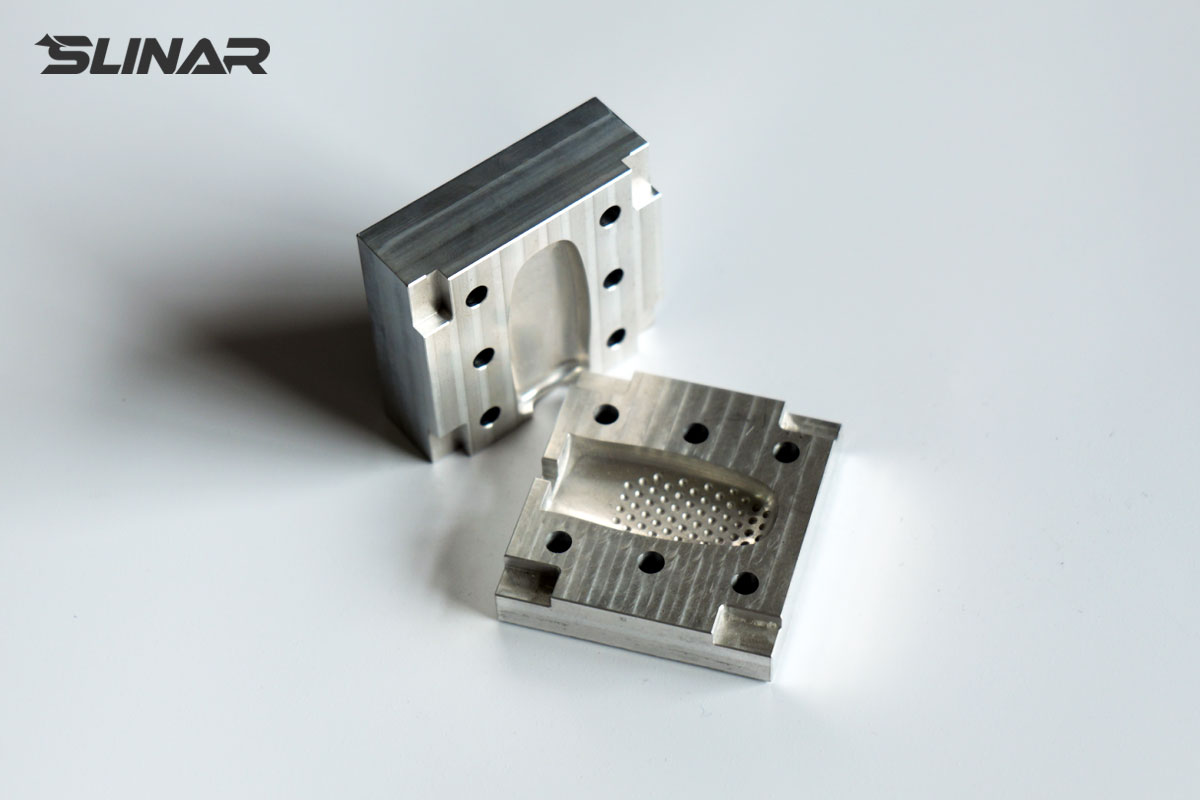
Precision 6061 Aluminum Mold for Robotic Fingers with Thin-Wall Detail and Flatness Control
Tagged:
Robotic Finger Mold
6061 Aluminum Milling
Mold Base Machining
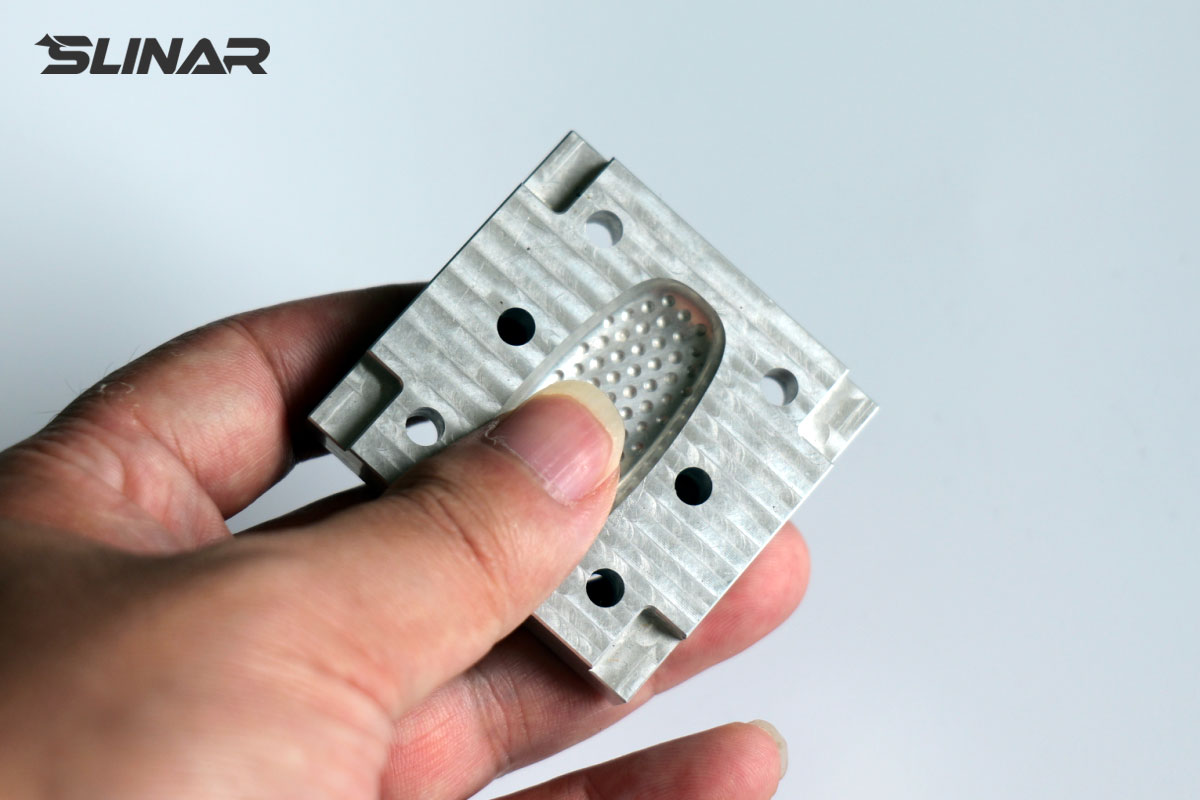
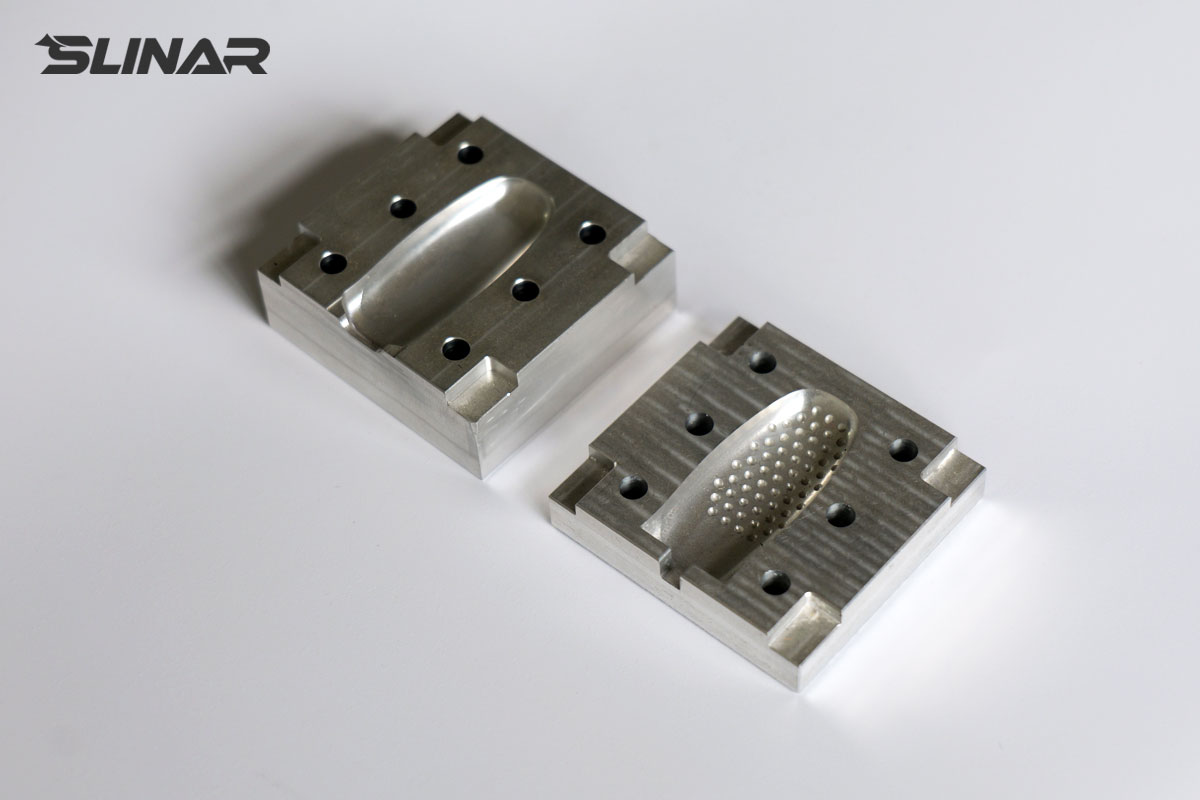
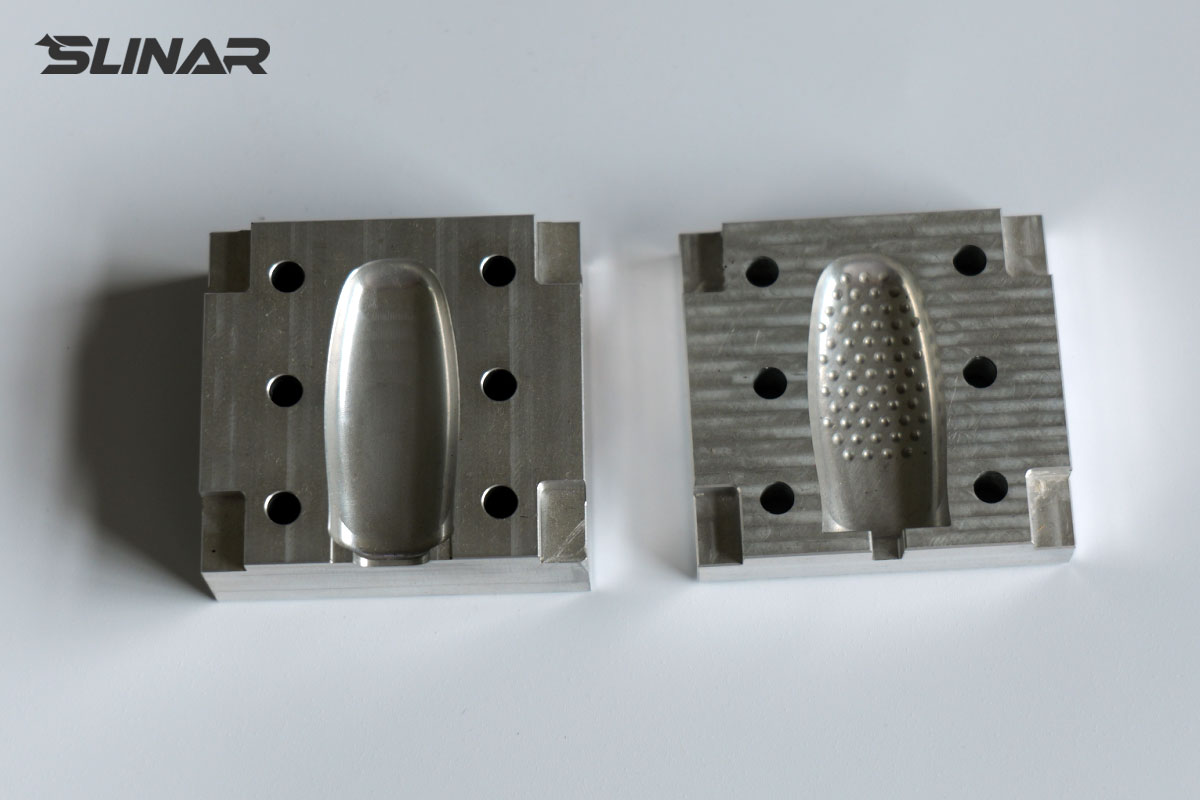
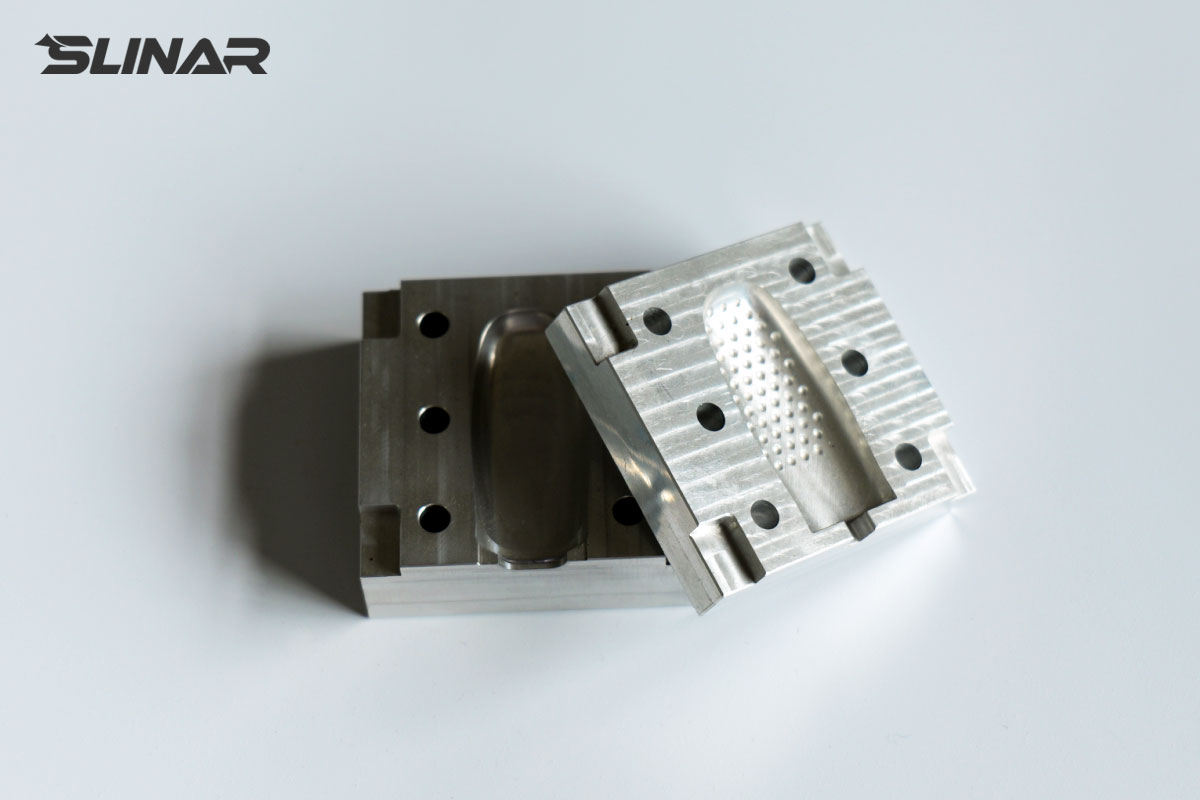
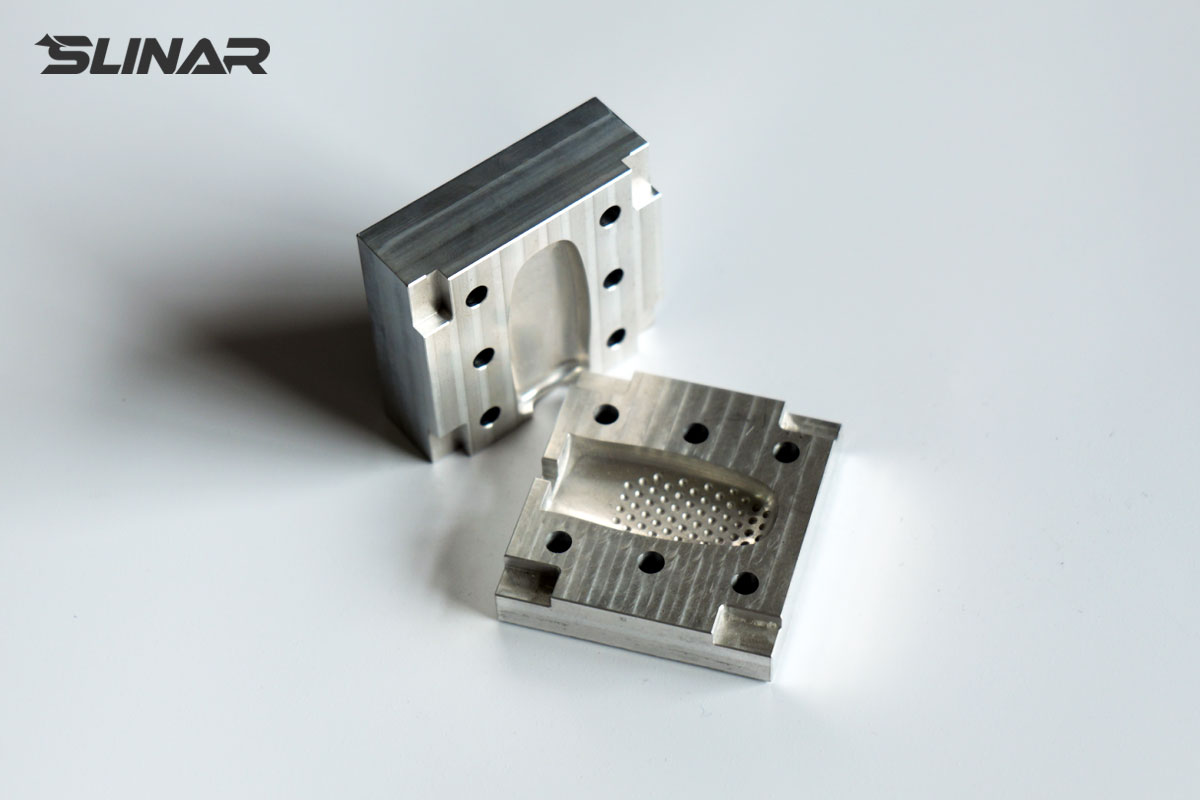
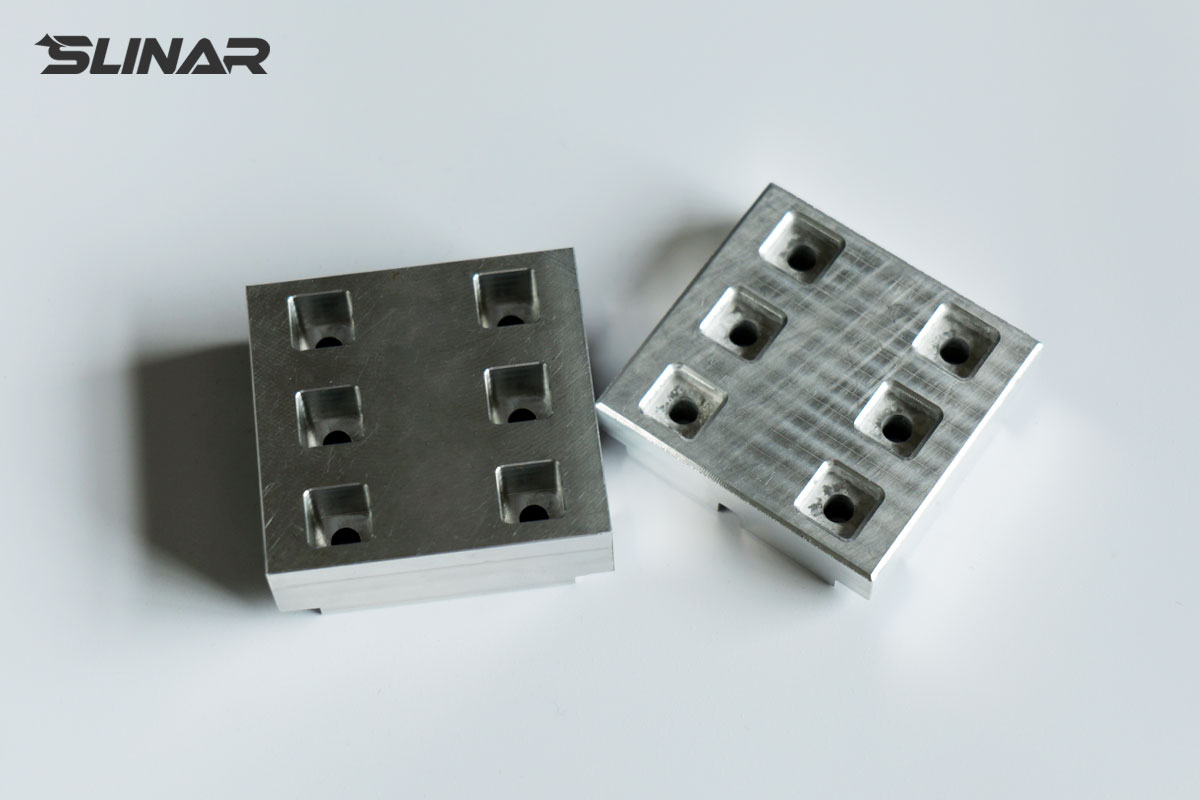
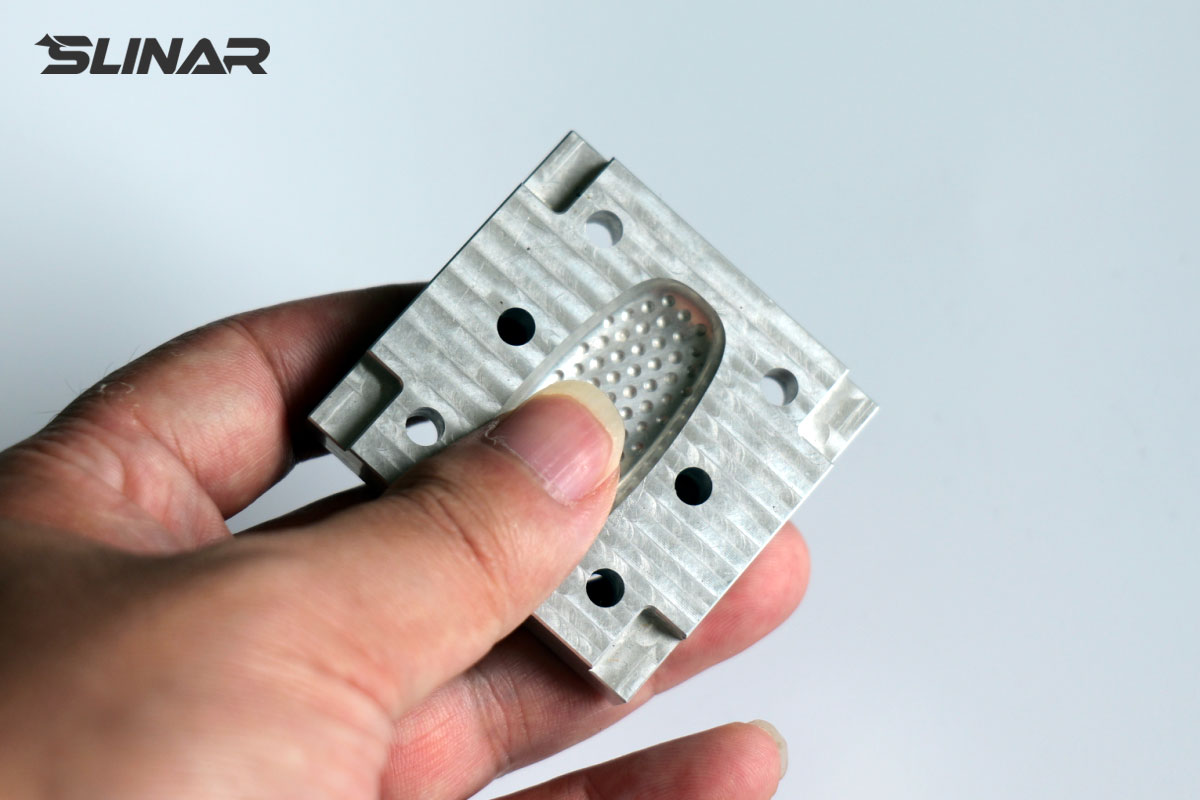
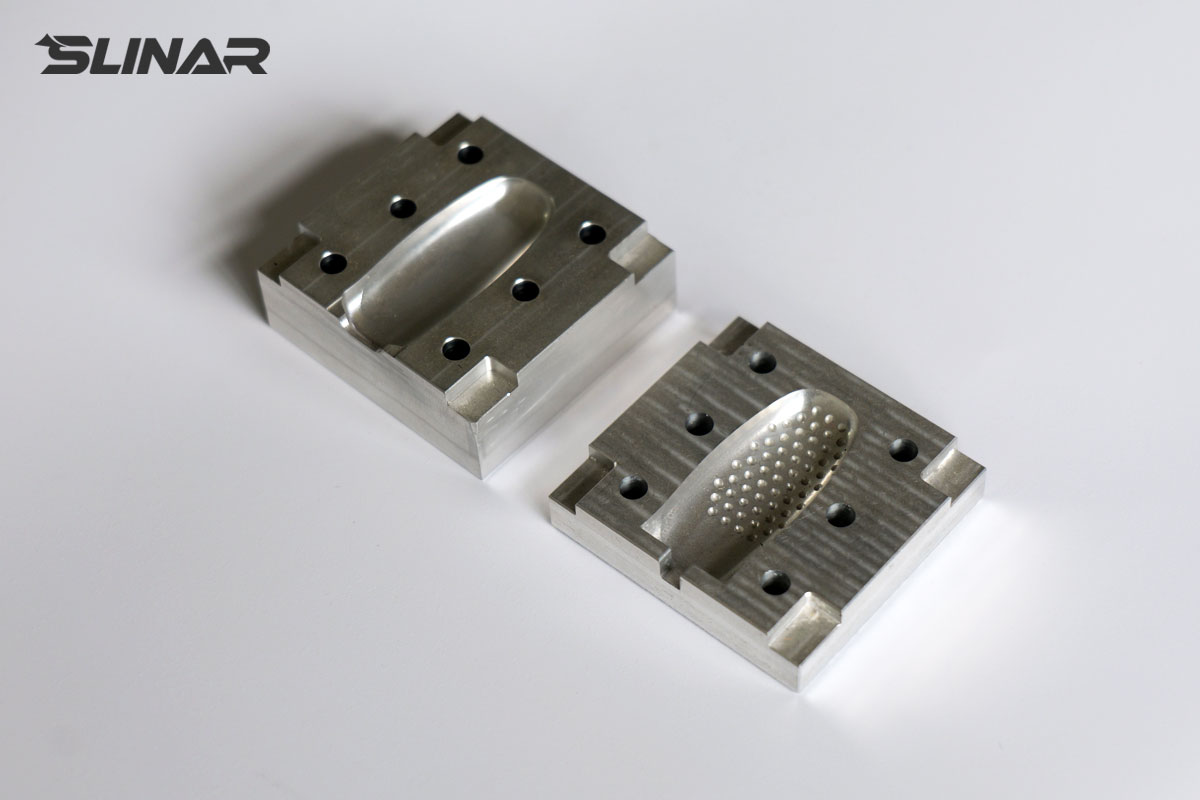
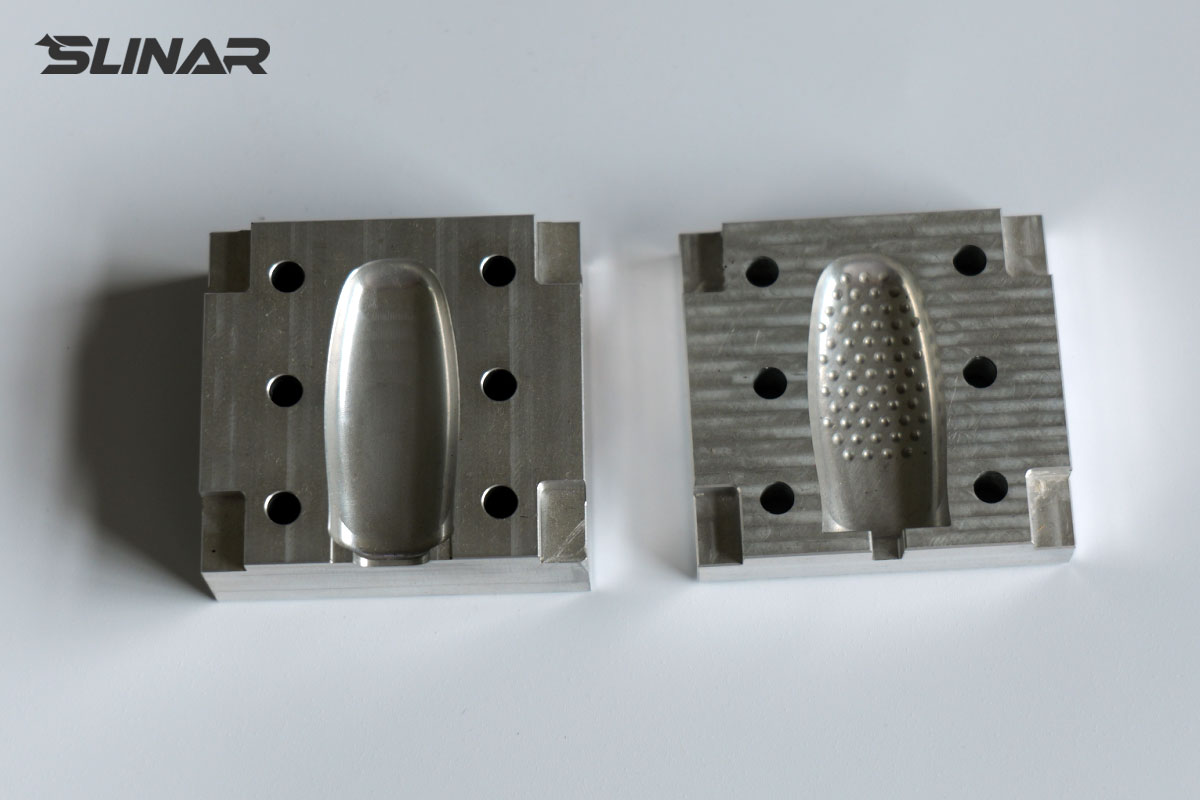
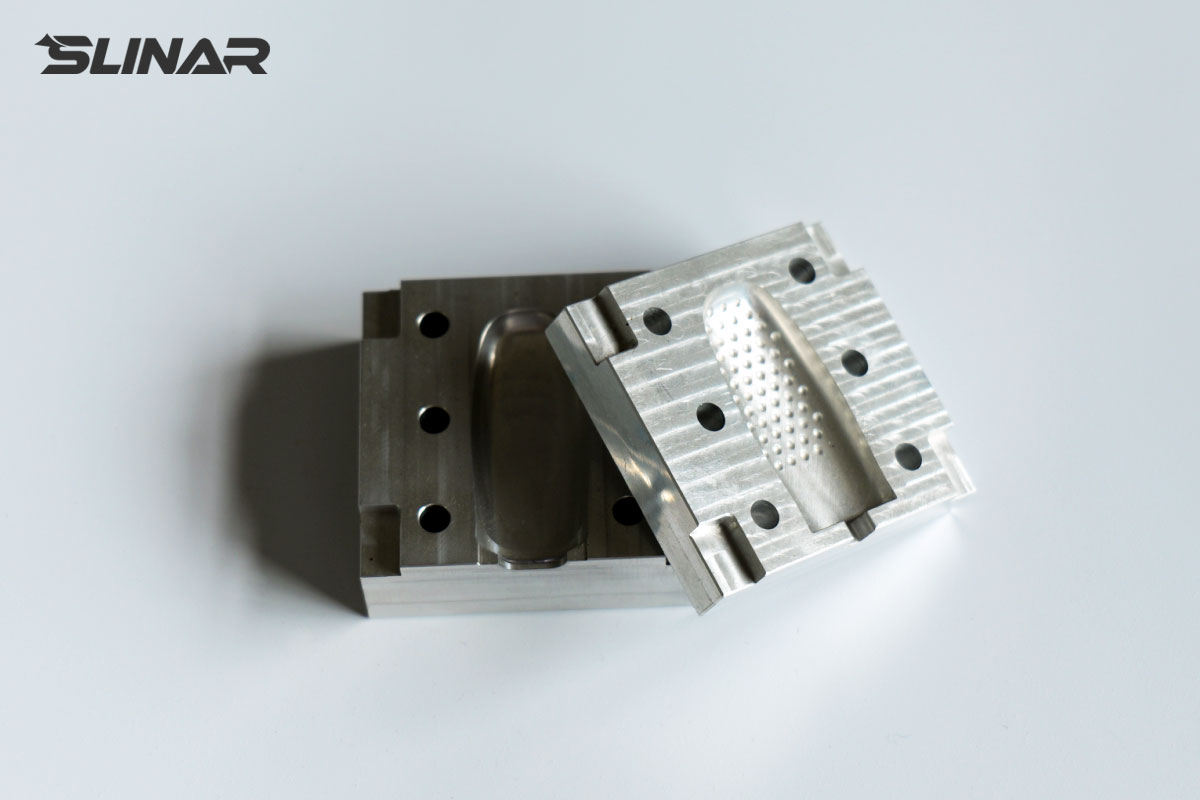
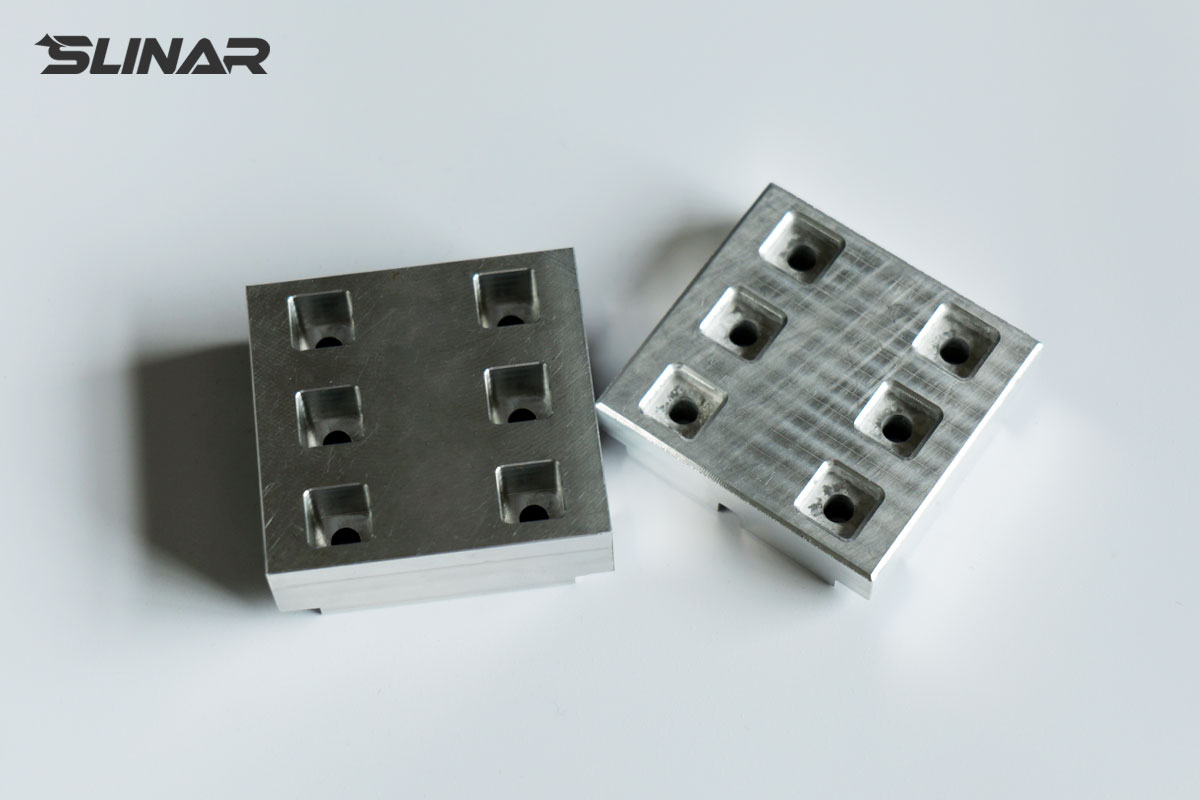
We manufactured a precision 6061 aluminum mold designed for robotic finger component forming. This mold base serves as the tooling interface for producing finger segments — requiring accurate cavity details and stable flatness across the mounting surface. 6061 aluminum is widely used in mold manufacturing due to its excellent machinability, good corrosion resistance, and dimensional stability after heat treatment . The primary challenges: thin-wall detail integrity — the mold cavity contains fine features that must remain distortion-free during machining , and large-surface flatness — the mold base requires consistent flatness to ensure proper closure during the forming process. We applied symmetric milling strategies to balance material removal forces, staged roughing with intermediate stabilization to manage residual stress release in the 6061-T6 material , and controlled finishing passes with sharp tooling to preserve detail accuracy while maintaining surface finish . The result: a 6061 mold base with accurate cavity details and consistent flatness for robotic finger production.
| Project Name | 6061 Robotic Finger Mold |
| Key Metric | Specification |
| Mold Base Flatness | ≤0.02mm (mounting/closure surface) |
| Cavity Detail Tolerance | ±0.015mm (thin-wall features) |
| Surface Roughness | Ra≤1.6μm (machined surfaces) |
| Material | Aluminum 6061-T6 |
| Surface Treatment | As-machined |
| Machining Process | Precision CNC milling |
CMM inspection verified mold base flatness (≤0.02mm), cavity detail dimensional accuracy (±0.015mm), and surface roughness (Ra≤1.6μm). Critical thin-wall features inspected for integrity and defect-free condition.
Ideal for robotic finger forming molds, precision tooling for automation components, and custom mold bases requiring detail accuracy and flatness stability.
Previous:Precision 7075 Robot Joint Bracket with Matte Black Anodizing and Long-Span Structural Control
Next:No More/End
