





Precision 316 Stainless Steel Medical Fluid Component with Passivation for Bio-Contact Applications
Tagged:
Medical Fluid Components
316 Stainless Steel Machining
Passivation Services
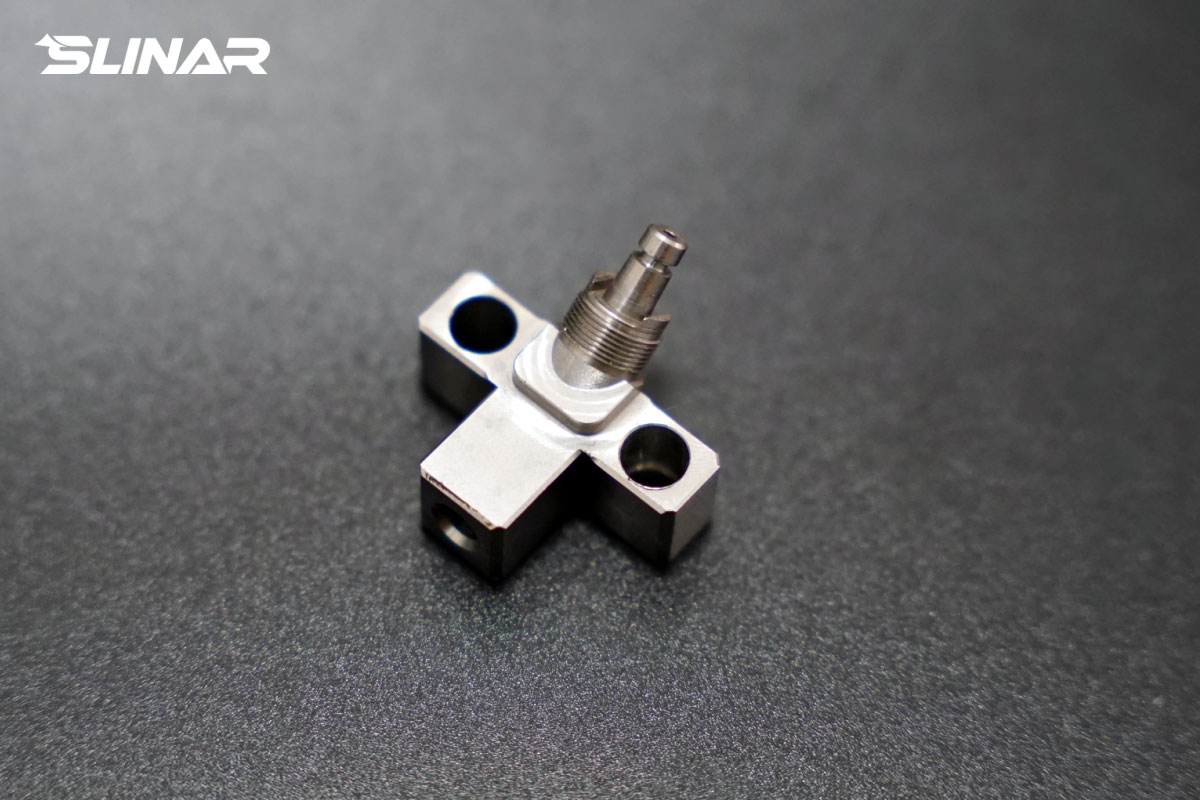
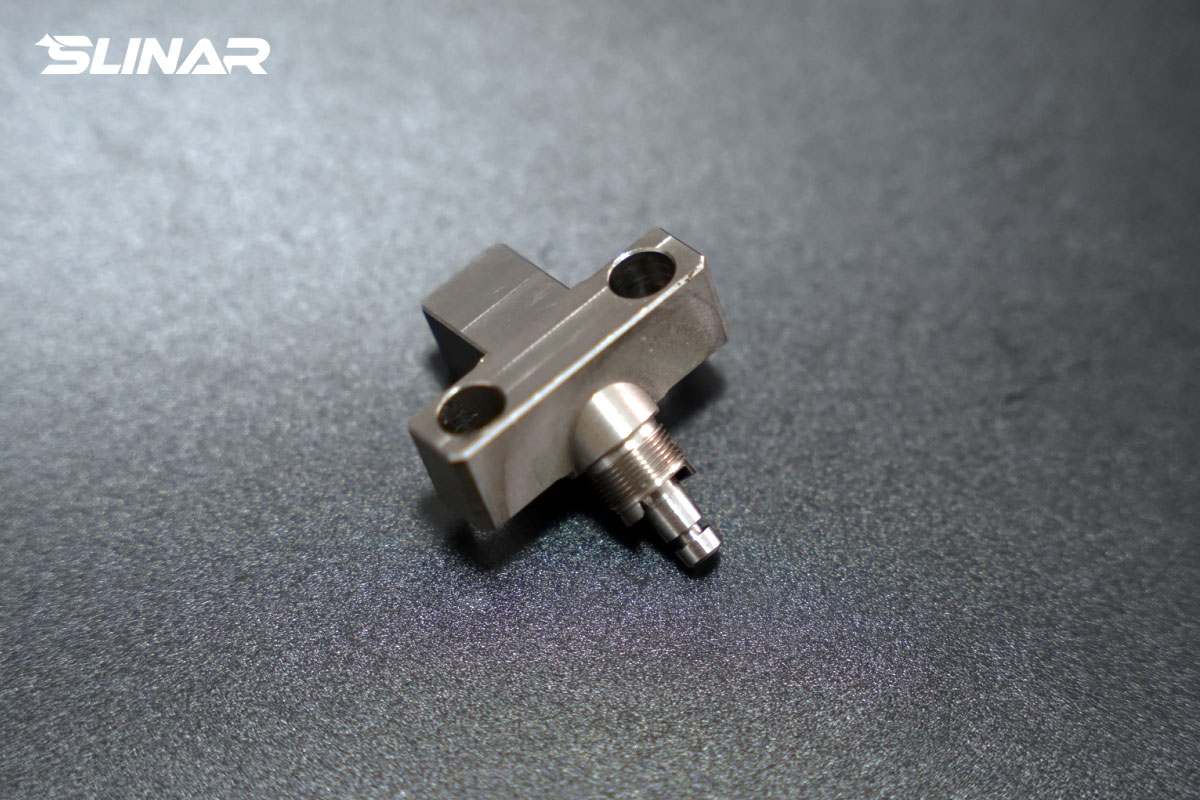
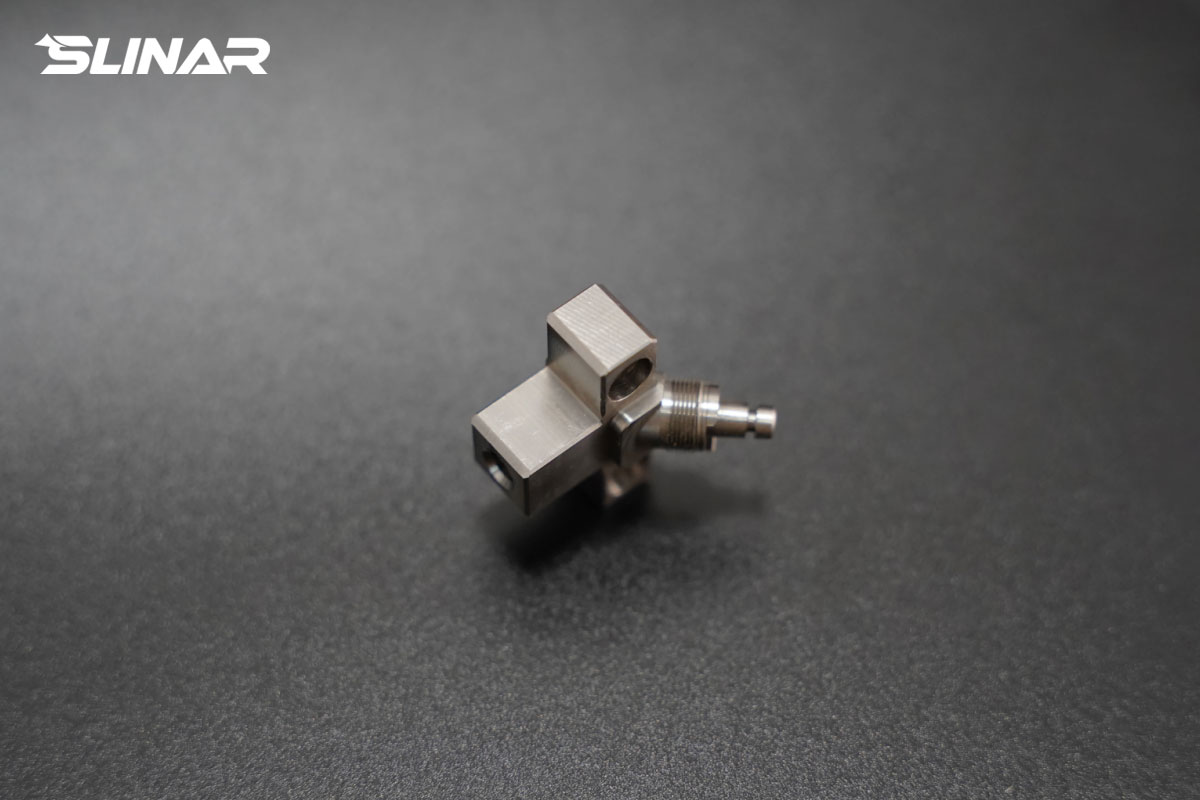
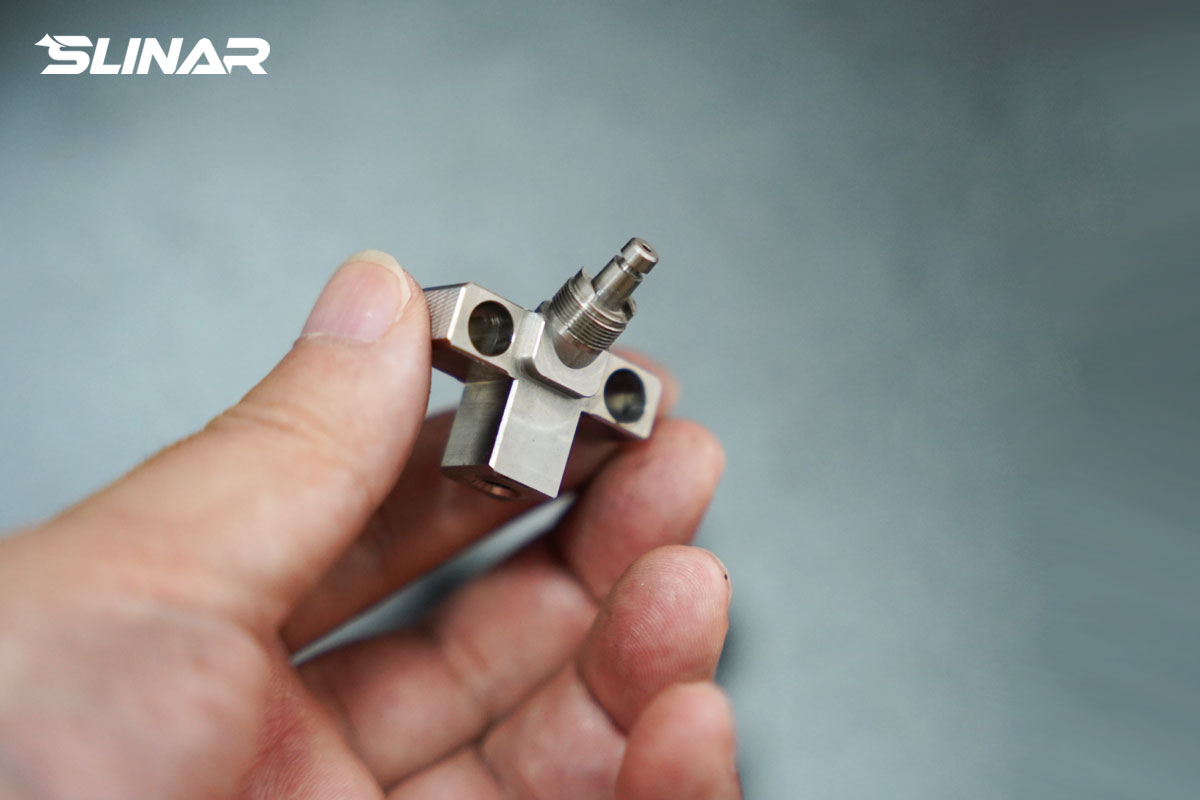
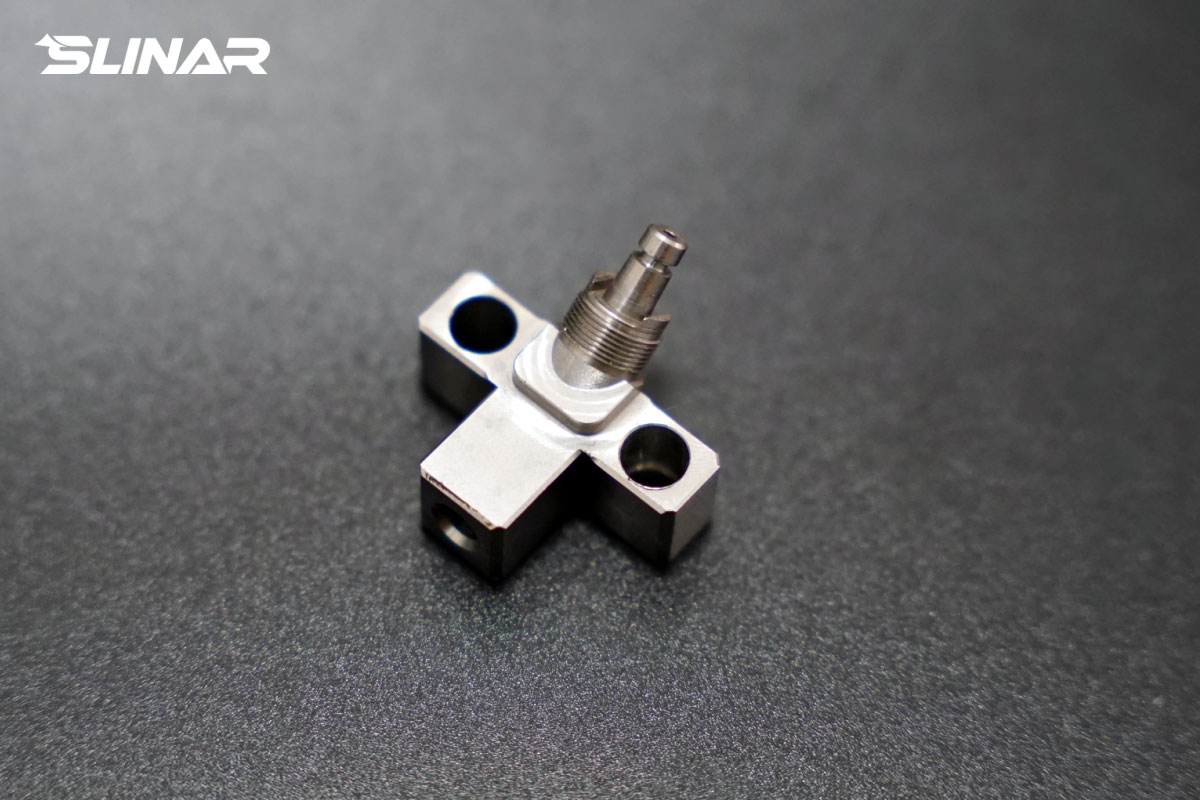
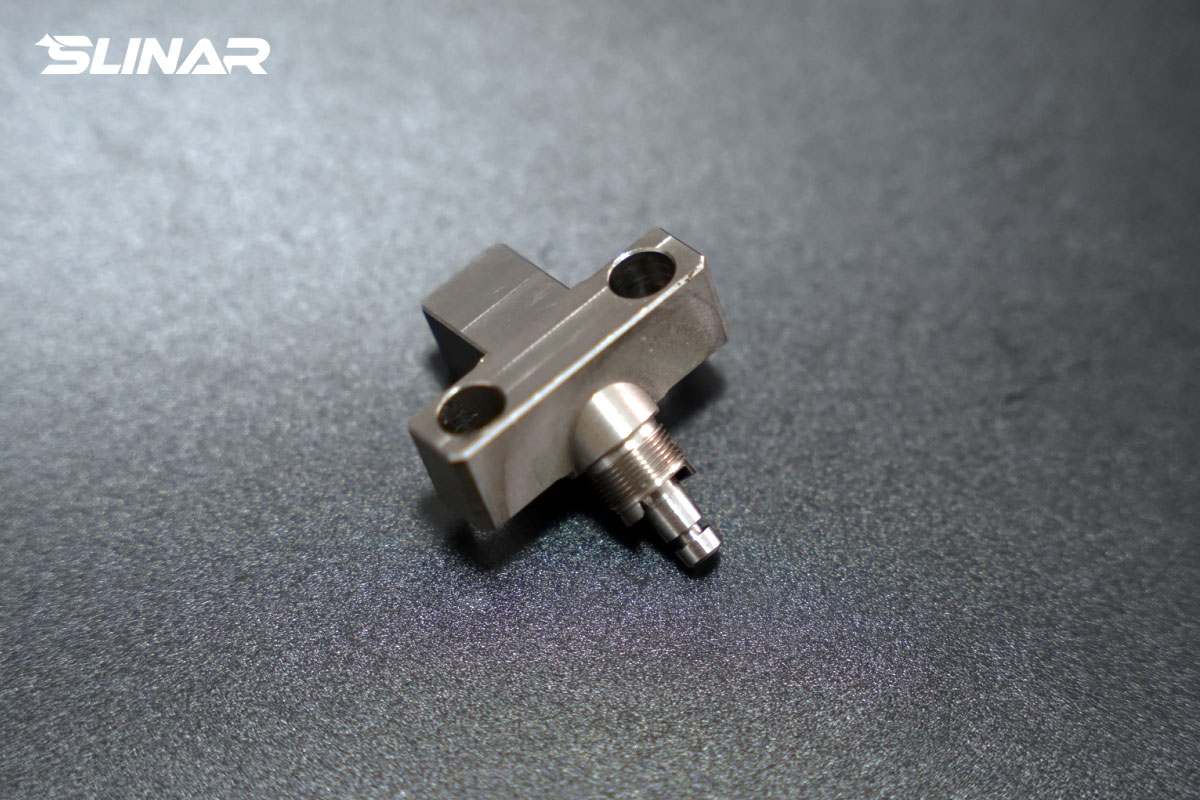
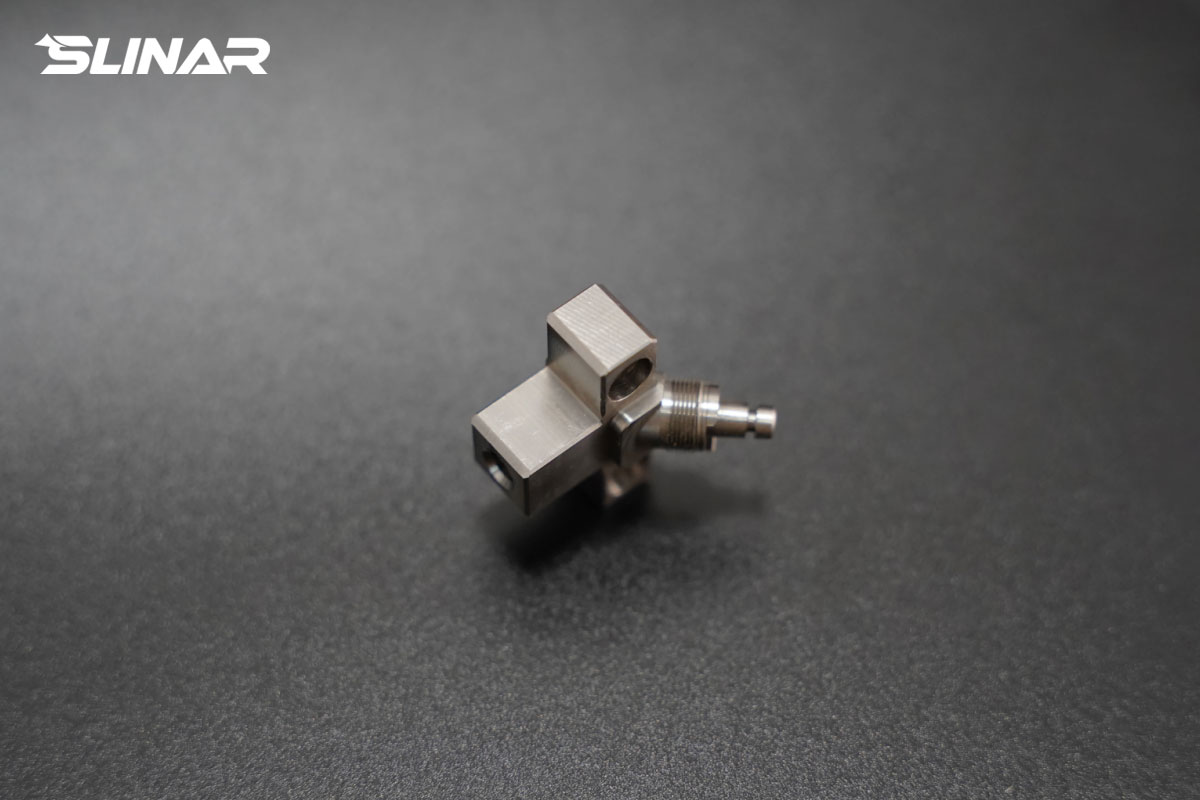
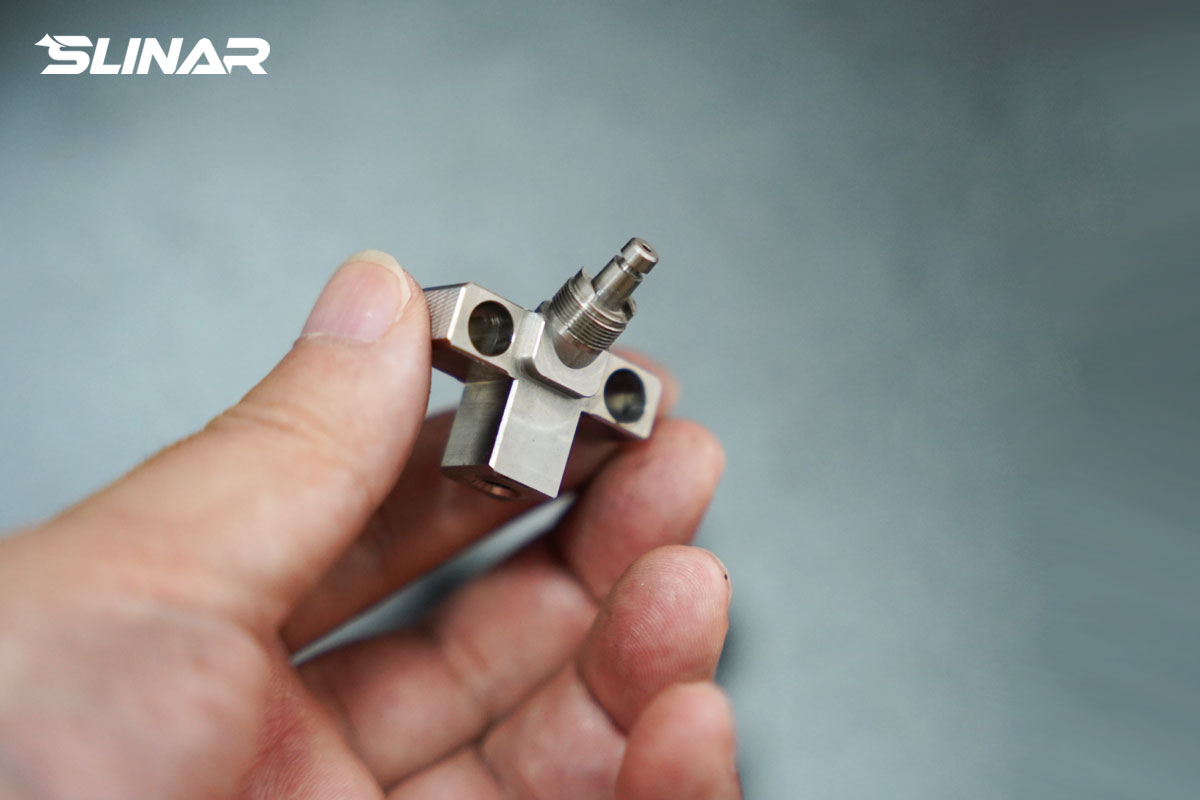
We manufactured a precision 316 stainless steel medical fluid component for a diagnostic equipment fluid handling application. 316 stainless steel is preferred in medical fluid contact applications for its corrosion resistance, biocompatibility, and ability to withstand sterilization — but it presents a specific challenge: machining-induced surface contamination and potential corrosion initiation sites. For this component, we implemented controlled milling parameters with sharp carbide tooling to minimize work hardening and surface defects, followed by ASTM A967-compliant passivation — a critical finishing step that removes free iron and surface contaminants, enhancing the natural oxide layer for corrosion resistance in medical fluid environments. The part was then thoroughly cleaned and packaged to maintain surface integrity through final assembly.
| Project Name | 316 Stainless Steel Medical Fluid Component |
| Key Metric | Specification |
| Dimensional Tolerance | ±0.02mm (critical interface features) |
| Surface Roughness | Ra≤1.6μm (fluid contact surfaces) |
| Passivation Standard | ASTM A967 (Surface Treatment) |
| Material | Stainless steel 316 |
| Surface Treatment | Passivated (ASTM A967) |
| Machining Process | Precision CNC milling |
CMM inspection verified dimensional accuracy (±0.02mm). Surface roughness confirmed at Ra≤1.6μm. Passivation effectiveness verified per ASTM A967 specifications. Component cleaned and packaged for medical assembly.
Ideal for medical diagnostic fluid pathways, laboratory equipment components, pharmaceutical processing parts, and sterile fluid handling systems.
