



CNC Machining with Care. No MOQ. From prototype to mass production. Free DFM & 24h quotes. Get a Quote
Select a language

Process Selection

  • How do I choose between CNC machining, 3D printing, and injection molding?

    Start with the constraint that will cause a redesign if you're wrong. If you need tight tolerances, CNC is usually the shortest path. If you need high volume, injection molding is where you end up. If the part is still changing, 3D printing buys you iteration speed.
  • What are the quantity breakpoints for each process?

    3D printing: 1-200 parts. CNC machining: 1-10,000+ parts. Injection molding: 1,000+ parts becomes cost-effective. Urethane casting: 10-200 parts for bridge production.
  • Which process gives the best tolerance?

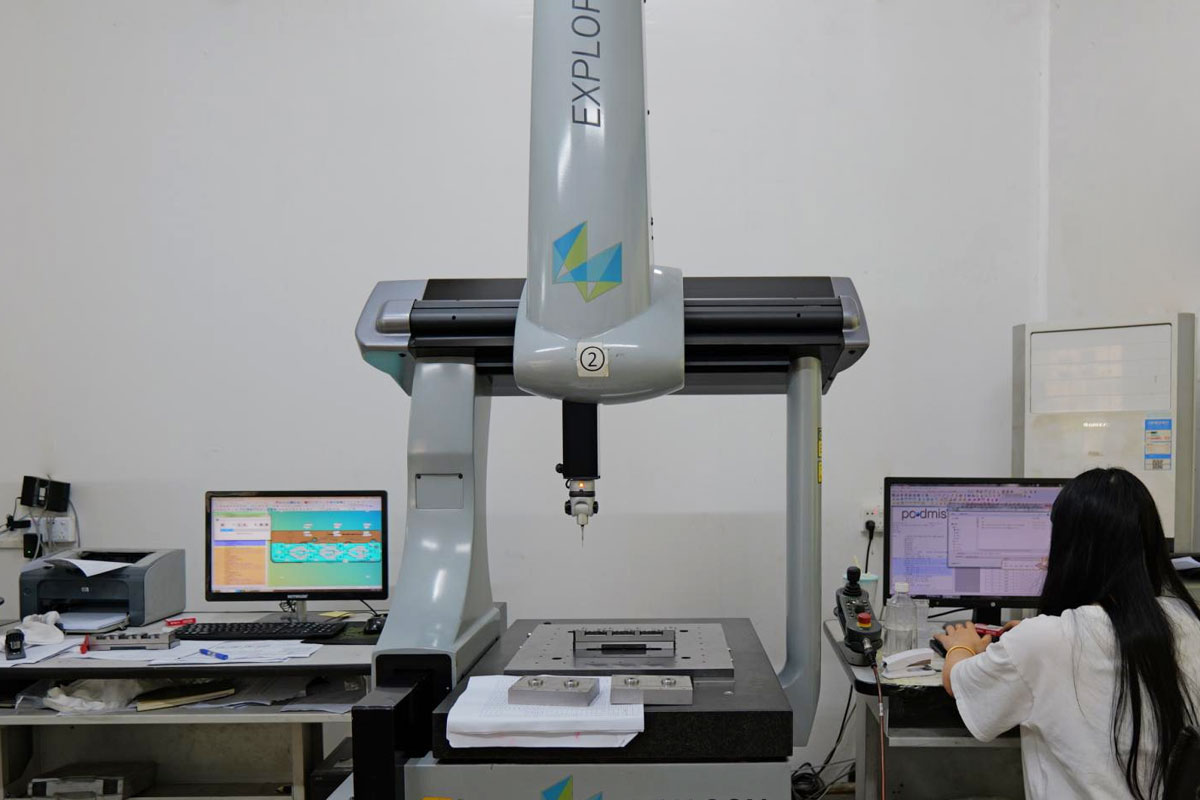
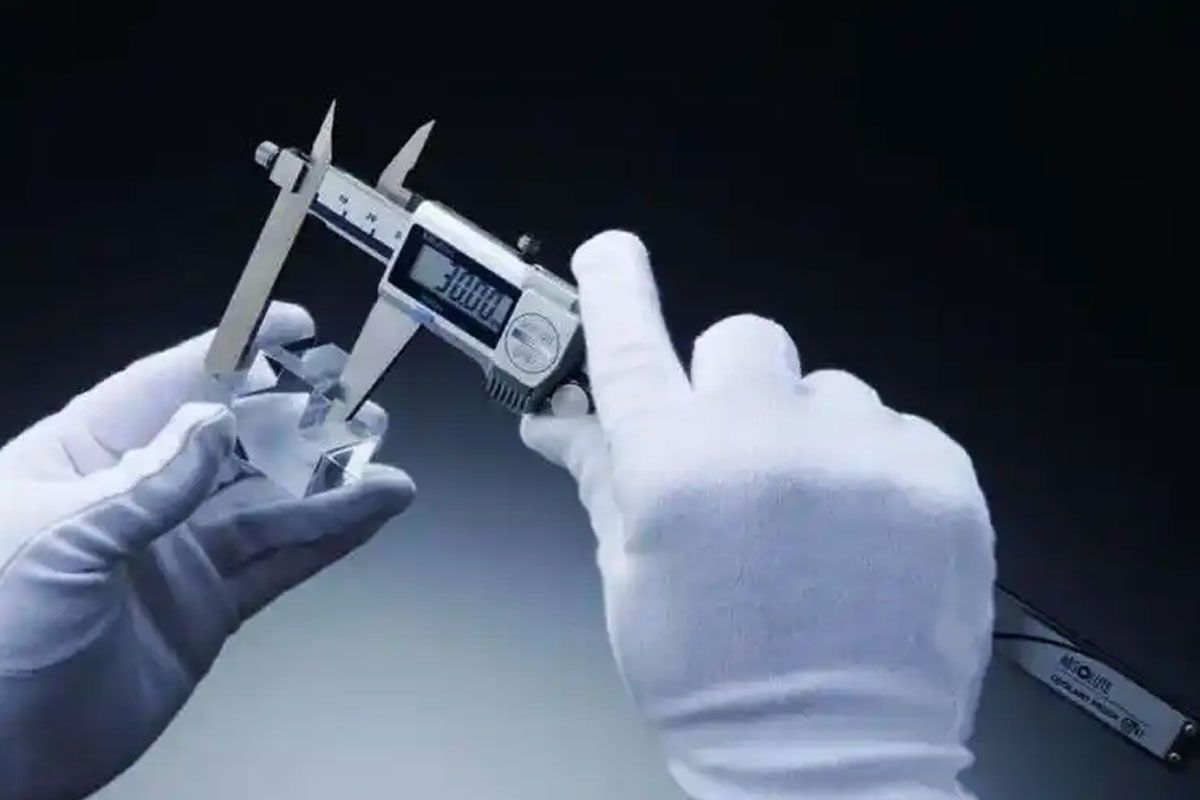
    CNC machining wins for tight fits—bearing seats, press fits, and sealing surfaces can reliably hit ±0.01mm. 3D printing tolerances vary by technology. Injection molding is repeatable but shrinkage affects final dimensions.
  • Which process gives the best surface finish?

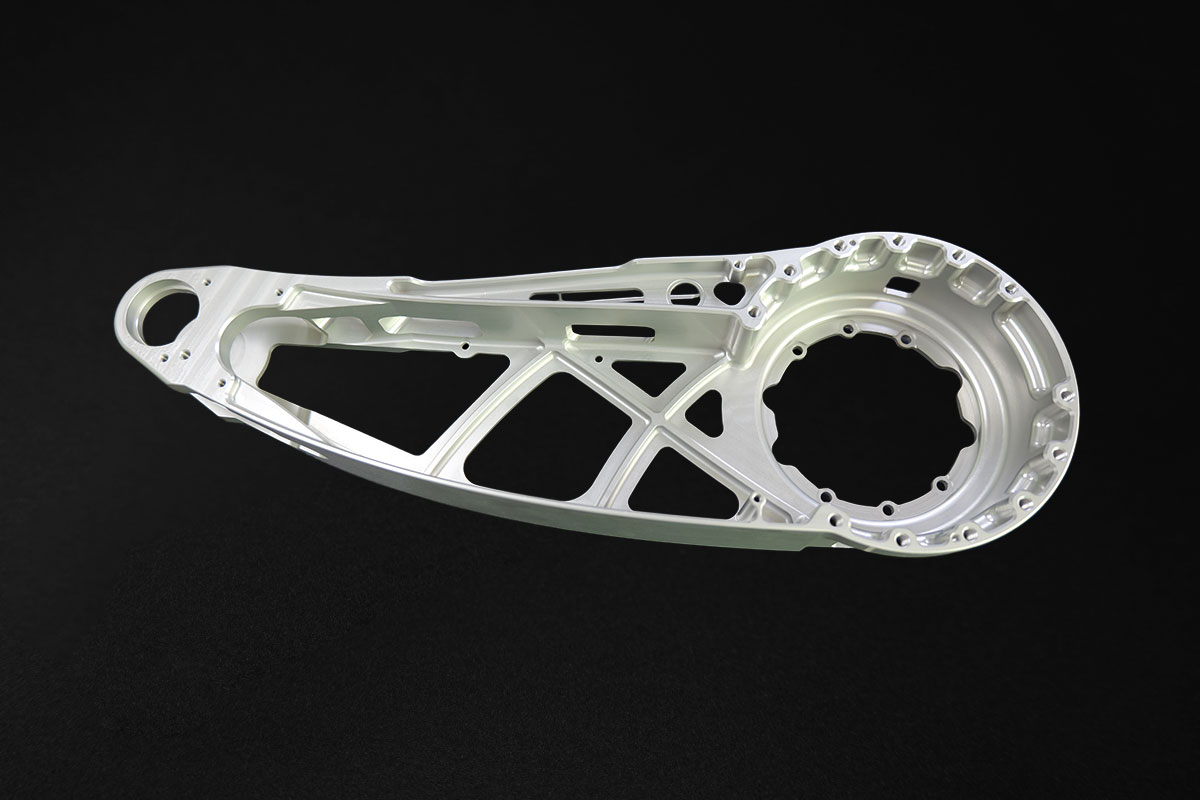
    CNC machining delivers the best as-machined surface finish. 3D printing typically requires post-processing for smooth surfaces. Injection molding surface is determined by the mold finish.
  • What is the cost model for comparing processes?

    C_total = C_unit + (C_tooling / N) where N is the total production run volume. This accounts for both unit cost and tooling amortization.
  • How do I move from prototype to production?

    Prototype with the process closest to your eventual production route. CNC-machined prototypes best represent injection molded parts. Printed prototypes are best for iteration speed. Transition triggers include demand exceeding 500 units or unit costs justifying hard tooling.
  • What is the difference between visual and functional prototypes?

    Visual prototypes are for form, fit, and aesthetic review. Functional prototypes require real production materials, accurate assembly dimensions, and usable surfaces. Printed prototypes may look acceptable but not reflect final material properties.
  • How does design affect process selection?

    3D printing can produce shapes that are impossible to machine. CNC cares whether a cutter can reach a feature. Injection molding requires draft angles and uniform wall thicknesses for consistent cooling and release.
  • What is the most common process selection mistake?

    Choosing the process before defining the part's real purpose. Visual prototypes need different geometry than functional test parts. Production planning needs different constraints than development iterations.
  • How do I evaluate total program cost?

    Include unit cost × quantity, tooling and fixture costs, lead time and time-to-market impact, scrap yields and rework, and shipping and duties. The cheapest per-part price may not be the lowest total cost.

Previous:Molding

Next:No More/End

Ready to scale production?

Upload your CAD for a free quote. No minimum order.

Get Free Quote
Trustpilot