



CNC Machining with Care. No MOQ. From prototype to mass production. Free DFM & 24h quotes. Get a Quote
Select a language

CNC Machining

Content Guide:Everything we do at Slinar is focused on providing the fastest and highest quality prototypes and production parts in the industry. This demands the latest technology, managed by tight process controls

  • What is the difference between CNC milling and CNC turning?

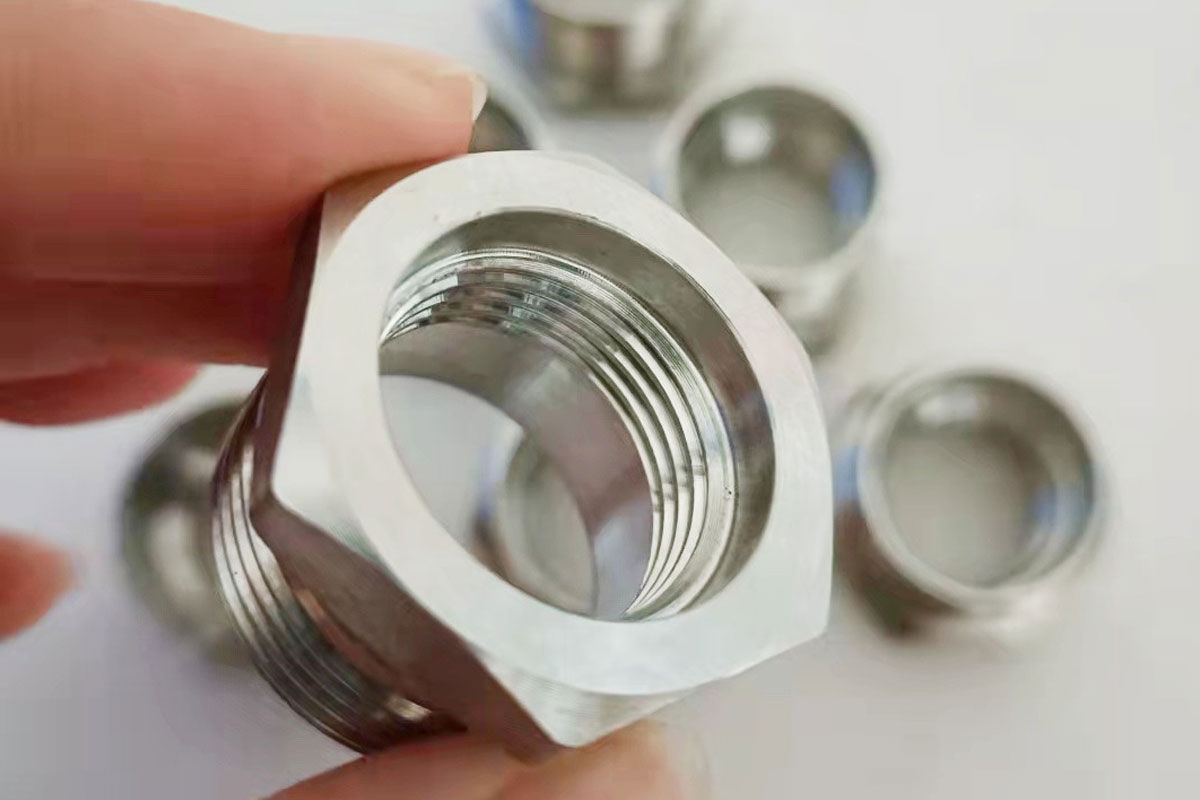
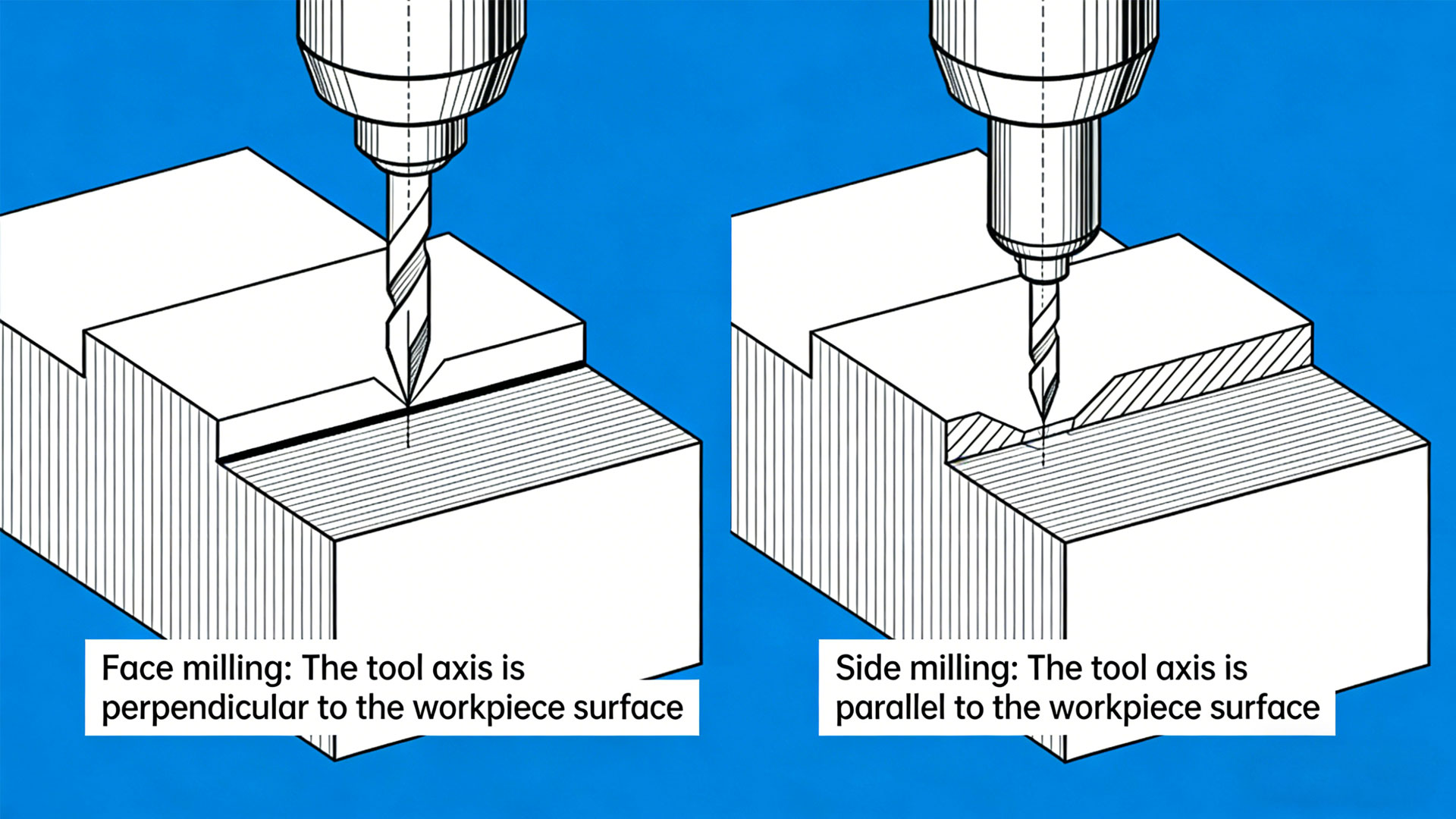
    CNC milling uses rotating cutting tools to remove material from a stationary workpiece, creating flat surfaces, slots, pockets, and complex 3D contours. CNC turning rotates the workpiece against a stationary cutting tool, producing cylindrical parts like shafts, bushings, and fittings.
  • What materials can you machine?

    All common metals: aluminum, steel, stainless steel, titanium, brass, copper, bronze, magnesium, tungsten, Inconel, and specialty alloys. Engineering plastics: PEEK, Acrylic, Nylon, Delrin, PTFE, PVC, and composites.
  • What tolerances can CNC machining achieve?

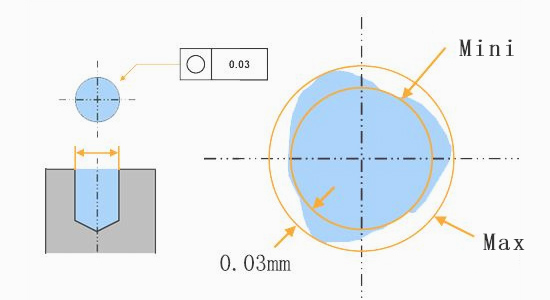
    Standard milling and turning hold ±0.02mm to ±0.05mm. Precision work holds ±0.01mm. High-precision reaches ±0.005mm on request. Grinding achieves ±0.002mm on critical features.
  • What surface finishes are available?

    As-machined, grinding, polishing, anodizing, electroless nickel, hard chrome, zinc plating, powder coating, passivation, bead blasting, brushing, and black oxide.
  • What is the largest part size you can machine?

    Milling: up to 2,000mm x 800mm x 600mm. Turning: up to 600mm diameter and 1,500mm length. Swiss turning: up to 32mm diameter for long, slender parts.
  • How do you prevent tool deflection and chatter?

    Use the largest possible tool diameter, shortest tool overhang, and balanced cutting parameters. For thin-wall features, use specialized toolpaths, reduced radial engagement, and climb milling techniques.
  • What is Swiss turning and when should I use it?

    Swiss turning uses a sliding headstock and guide bushing that supports the workpiece close to the cutting point, providing exceptional stability for long, slender parts with length-to-diameter ratios exceeding 10:1.
  • What are common CNC machining defects and how are they prevented?

    Overcut: prevented by using larger, shorter tools and optimizing feed/speed. Collision: prevented by program simulation and careful setup verification. Poor surface finish: prevented by high-speed finishing, fine step-over, and proper coolant.
  • Can you machine small quantities cost-effectively?

    Yes. CNC machining requires no dedicated tooling, making single prototypes and low-volume production economical. We machine 1 to 100,000+ parts per year.
  • What is the role of CAM software?

    CAM software takes your 3D CAD design and generates toolpaths that control the CNC machine, specifying tool selection, cutting speeds, feeds, and tool positioning. Simulation verifies toolpaths and detects collisions before machining begins.

Previous:3D Printing

Next:Molding
Ready to scale production?

Upload your CAD for a free quote. No minimum order.

Get Free Quote
Trustpilot